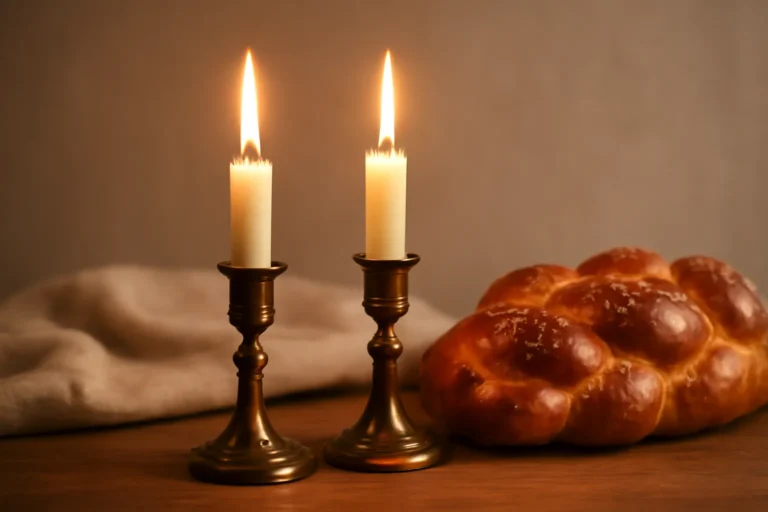
The practice of lighting Shabbat candles marks the transition from weekday routine to a realm of rest, reflection, and sacred time. In Jewish tradition, these candles are more than a simple source of light; they are a doorway between the ordinary and the holy, a signal that Shabbat has begun and a summons to welcome peace into the home. The idea that light can delineate space and mood is ancient, but the ritual of lighting two candles specifically for Shabbat carries a layered purpose that blends law, lore, and lived experience.
The earliest sources for lighting candles on Friday evening are rabbinic rather than biblical, anchoring the custom in centuries of interpreting how best to honor the sanctity of Shabbat. The act is traditionally performed by the woman of the household, though contemporary practice recognizes and welcomes participation by partners and guests. The flames are meant to reveal and elevate intention: to transform the domestic setting into a sanctuary of rest, gratitude, and family connection. In studies of shabbat candles meaning, many scholars highlight the way the light serves as a tangible reminder to pause, to set aside work, and to cultivate a mood of welcome and peace.
A recurring thread in discussions of the meaning of Shabbat candles is the deliberate preparation of a space where spiritual life and daily living intersect. The candles announce, with quiet beauty, that the sacred time is coming into the home. They invite the senses to slow down, to notice, and to reflect on what matters most: relationships, gratitude, and responsibility toward others. In this sense, Shabbat candle meaning extends beyond aesthetics and into the moral atmosphere of the household.
Meaning Behind the Light: Symbolic Interpretations
The symbolism attached to Shabbat lights is as varied as the communities that practice lighting. Across generations, households have found meanings that feel true to their values and experiences. Readers will encounter interpretations that emphasize memory, blessing, protection, and a horizon of possibilities that the Sabbath opens.
Two flames, two prayers: the enduring symbolism
A common interpretation worries the presence of two candles: some say they symbolize the pair of commandments to remember the Sabbath and keep it holy (Zachor) and to observe the Sabbath (Shamor). Others describe the two flames as a reminder of the dual duties that shape Jewish life: honoring God and caring for one another. This pairing invites a balance between introspection and hospitality, between personal sanctification and communal welcome.
Light as boundary and border
In many discussions of the meaning of Shabbat candles, the flame is described as creating a boundary between the ordinary week and the sanctified day. The light sets a clear edge, signaling to family members and guests that a new rhythm has begun. It is a boundary that is gentle, not punitive; a boundary that invites participants to step across with intention, knowing that rest and spiritual focus lie just beyond the threshold.
Light as blessing and gratitude
The glow of the candles is frequently paired with the blessing spoken before lighting. The act of reciting a blessing places gratitude at the center of the ritual, turning a practical act into a moment of spiritual awareness. For many households, the meaning of Shabbat candles becomes a daily practice of naming gratitude for sustenance, safety, community, and opportunity to learn.
Light as peace and hospitality
Peace, or shalom, is a thread woven through many explanations of Shabbat candle symbolism. The flame is thought to invite peace into the home, to soften tensions, and to create an atmosphere where guests and family feel welcomed. In practice, the candles often accompany a sense of restful rhythm that makes conversation easier, meals more meaningful, and time with loved ones more precious.
Light as memory and continuity
For some, the candles embody memory—of ancestors who lit for generations and of the continuity of tradition that persists through change. The flame becomes a living link to the past while also reframing the present. In this reading, meaning behind Shabbat lights includes a sense that the family’s story is carried forward by care, ritual, and a shared moment of pause.
Light and creativity
Beyond solemn meanings, many readers describe a creative dimension to the ritual. The candle flame can inspire poetry, song, and reflection about personal goals and communal responsibilities. Some households couple candle-lighting with storytelling, teaching, or quiet creative practice to honor the Sabbath's invitation to elevate ordinary life into something meaningful.
Remembering and honoring history
Welcoming guests and strangers with warmth
Sanctifying time and space for study and prayer
Resting from labor to focus on relationships
Reflecting on personal and communal values
Gender and Lighting: Roles and Modern Shifts
The tradition of lighting Shabbat candles has historically been associated with women, particularly the mother or matriarch who lights the candles to usher in Shabbat. This association is rooted in rabbinic interpretations that stress the domestic sphere as a place where spiritual life is cultivated. In modern times, many families embrace a participatory approach that includes men, children, or mixed households sharing in the lighting and the accompanying blessings. The shift toward inclusivity does not diminish the symbolism; rather, it expands the ritual into a shared practice that celebrates responsibility, care, and the idea that sanctity is a communal value.
Within the broader discussion of meaning of Shabbat candles, some parents choose to involve children in the lighting as a formative moment—an introduction to tradition, meaning, and the idea of tending to one another. Others emphasize the learning aspect: using the candles as a hook for storytelling about values such as kindness, gratitude, and justice. Regardless of who lights, the important element remains the intentional infusion of home life with sacred time.
Halachic Perspectives on Candle Lighting
Halacha, the system of Jewish law, sets practical requirements for candle lighting and defines the circumstances in which lighting is performed. The core halachic idea is that lighting candles transforms the environment to honor Shabbat. The act is typically performed at the correct time on Friday evening, before sunset, to ensure that the Sabbath begins in a state of ritual readiness. The number of candles—often two—has become customary but may vary in different traditions.
From a legal standpoint, the blessing over Shabbat candles is an essential component of the practice. The blessing acknowledges the commandment to light the candles and to sanctify Shabbat by making the home a more welcoming and holy place. Some families recite additional prayers or songs after lighting to amplify intention and reflection.
When considering the meaning of Shabbat candles in a halachic context, it is important to note that:
The candles are lit before the official start of Shabbat and may be extinguished if needed only after Shabbat has begun.
Two candles are traditional in many communities because they symbolize dual commitments (remembering and keeping Shabbat) or a pair of values central to Shabbat living.
Where there are sensitivities about fire safety or health, alternatives such as electric lights may be discussed with a competent authority, but many communities maintain the ritual using open flames for the sensory and symbolic experience.
Philosophical and Ethical Dimensions of the Candle Light
The practice of lighting Shabbat candles often invites contemplation about ethical living, community responsibility, and the kind of domestic life that sustains both individuals and society. The meaning of Shabbat candles can be read as a call to cultivate gentleness, invest in family and neighborly relationships, and repair the world through small, deliberate acts of care. In this philosophical frame, candlelight becomes a metaphor for clarity, discernment, and hope.
Some readers relate the candle light to the idea of tikkun olam—the Jewish concept of repairing the world. By turning toward rest, gratitude, and generosity, the household contributes to a broader moral project. The Shabbat candle meaning thus encompasses both personal renewal and communal responsibility.
Ethical reflections connected to the flame
The flame can prompt questions about how to balance work with rest, how to host others with dignity, and how to express hospitality in ways that are sustainable and inclusive. The ritual’s ethical dimension encourages practitioners to consider:
How to welcome guests with warmth and attention
How to create a space where conversations are constructive and empathetic
How to use ritual time to recharge personal and family well-being
How to model gratitude and generosity to the next generation
Practical Observances and Rituals
Beyond the symbolic layers, the ritual of lighting Shabbat candles involves practical steps that help anchor meaning in daily life. The following guidelines are commonly observed in many communities.
Timing: Candles are lit before sunset on Friday evening, with a blessing spoken as the flames are lit. The exact time depends on local sunset and custom.
Number of candles: Two candles are standard in many traditions, though some families light more for guests or for personal remembrance.
Location: Candles are placed in a safe, visible spot in the home, often near the entry or in a central room where Shabbat rituals will unfold.
Blessings: A blessing is recited to acknowledge the commandment to light the candles and to sanctify Shabbat.
Intentional pause: After lighting, many households take a moment of quiet or share a brief moment of gratitude before proceeding with Shabbat meals or candlelit gatherings.
For those who seek to deepen the practice, some families pair candle-lighting with a brief blessing or reading from liturgical poetry, or with a personal bedside or table prayer focused on gratitude, peace, and generosity.
Variations in practice across communities
The core idea remains consistent, but the texture of practice varies. Some communities emphasize the blessing with two candles, while others incorporate songs or psalms after lighting. In others, the candles are lit by multiple family members in sequence, each contributing a moment of blessing or reflection. Shabbat candles meaning can thus be expressed in numerous ways, all oriented toward elevating ordinary time into something sacred and remembered.
Global Traditions and Variations in Shabbat Candles
Across the Jewish diaspora, diverse customs contribute to a rich tapestry of candle-lighting practice. While the essential act remains the same, communities differ in the language of blessing, the number of candles, the placement of the candles, and the accompanying rituals.
Two candles symbolize two aspects of Shabbat or two commandments: Zachor (remember) and Shamor (keep/observe).
Three or more candles may be lit to honor guests, celebrate a special occasion, or mark a particular intention (for example, healing or safety).
Gender-inclusive practices reflect contemporary interpretations of who may light and lead the blessing, emphasizing shared responsibility and hospitality.
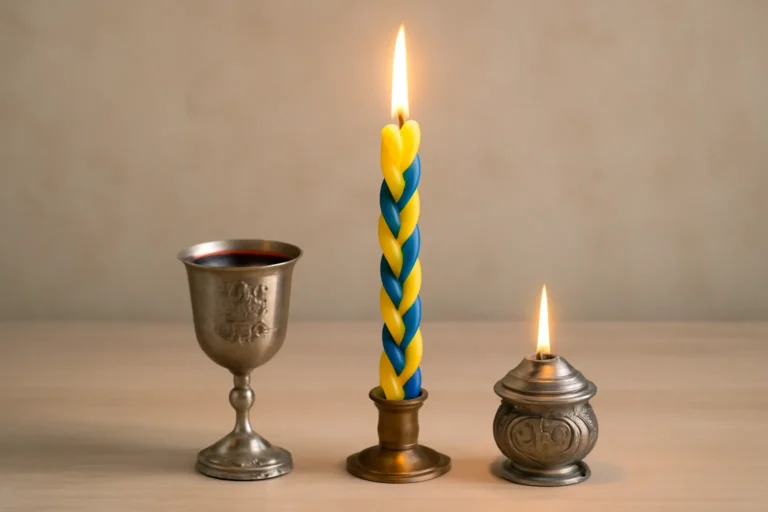
Electric candles or wicks in certain homes or institutions allow accessibility and safety while preserving the symbolism of light and distinction between weekday and Sabbath.
In places with long-standing Sephardic, Ashkenazic, or Mizrahi traditions, the cadence of lighting may differ. Some communities unite the ritual with songs, poetry, or distinctive blessings in the local language. The meaning of Shabbat candles thus extends beyond a single text or tradition to become a living practice that grows with each new family and guest.
Contemporary Reflections on Meaning of Shabbat Candles
In the modern era, many families bring new dimensions to the ritual. The candles can serve as a focal point for intergenerational dialogue, communal hospitality, and sustainable living. Some people link the lighting to acts of social justice, charitable giving, or acts of daily kindness, turning a weekly ritual into a platform for personal and collective growth.
Writers and educators often discuss the meaning of Shabbat candles as a narrative of slower pace and intentional living. In crowded, technology-saturated lives, the candlelight can function as a counter-movement toward mindfulness and connection. The symbolism invites people to consider what it means to create a home that nourishes both body and soul.
Emerging conversations emphasize accessibility and inclusion: how can every person feel welcome at the table? How can lighting be adapted for those with mobility or sensory differences while preserving the ritual’s core message? These dialogues contribute to a broader, more inclusive sense of Shabbat candle meaning.
Intersections with Other Ritual Objects and Concepts
The candles do not exist in isolation. They intersect with other ritual objects and ideas to shape a holistic Sabbath experience.
Challah and the candles: The braided bread and the candlelight together frame the evening meal as a multisensory entry into Shabbat.
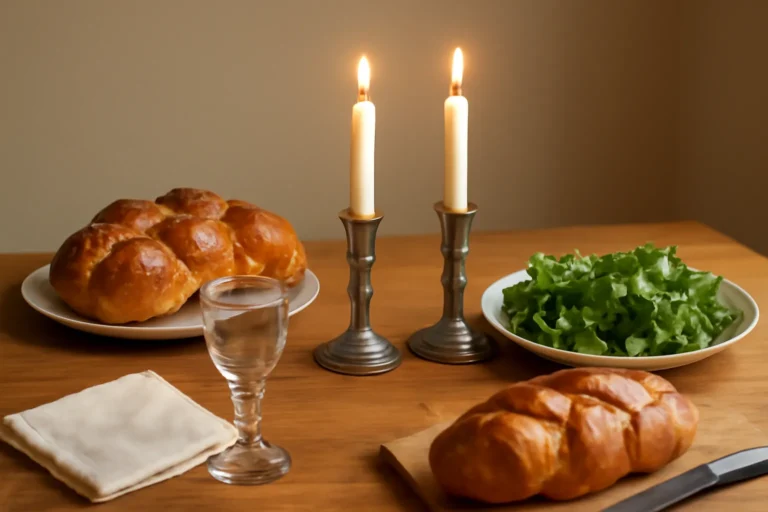
Shabbat table setting: Candles often anchor the table arrangement, encouraging a moment of shared focus as guests gather.
Blessings and songs: The lit flame is often accompanied by blessings, Psalms, or soulful songs that elevate the atmosphere.
Rest and study: The light invites time for study, reading, or quiet contemplation, harmonizing rest with learning.
Some people connect the candles to broader spiritual motifs such as healing, hope, or renewal, linking the meaning of Shabbat candles to personal journeys and communal aspirations.
Candle Timings, Preparation, and Practicalities
The practical side of the ritual — when to light, where to place candles, and how to manage the flames — is an important companion to the symbolic meaning. Time calculations vary by season and location, but the guiding principle is to establish a clear boundary that signals the Sabbath’s arrival.
Light before sundown to ensure Shabbat begins with light in the home.
Positioning near the entrance or in a central room for visibility and accessibility, so that the flame becomes a shared sign of the transition.
Safety measures for fire, including water or baking soda nearby, stable surfaces, and supervision of children around the flames.
Post-lighting practices: Some households delay concluding rituals until after twilight, while others introduce a short period of quiet or prayer after the lighting to deepen focus.
The rhythm of timing reinforces the division between workdays and Shabbat. The shabbat candles meaning in timing terms is not only about when to light, but about the intentional cadence that frames the entire evening.
Candles Beyond Shabbat: Yom Tov and Other Occasions
The concept of lighting lights extends into other festive or restorative occasions on the Jewish calendar. On certain holidays, additional candles may be lit, or the lighting may take on distinct customs that reflect the day’s particular character. Although the rituals differ, the underlying emphasis remains: light as a declaration of sanctity, gratitude, and communal welcome.
When exploring the meaning of Shabbat candles in broader Jewish practice, readers may encounter discussions about how lighting illuminates moral themes in other seasons. For some families, the same flame that marks Shabbat also serves as a reminder to perform acts of charity, to study sacred text, or to celebrate milestones with family and community.
For those seeking to deepen their understanding, many communities offer:
Study sessions on the topics of Shabbat, sanctity, and ritual life
Guest lectures from rabbis, educators, or scholars who specialize in Jewish ritual
Family workshops that demonstrate how to incorporate the candles meaningfully into daily life
Literary readings and prayers that explore the symbolism and theology behind the flame
Engaging with these resources can enrich the practice of lighting Shabbat candles and help households articulate their own meaning of Shabbat candles in contemporary life.
Thought-Provoking Questions to Explore the Meaning
Reflecting on the significance of Shabbat candles meaning can be a personal, communal, or educational exercise. Consider the following prompts to foster conversation or personal contemplation:
What does the flame illuminate best in your home—people, values, or aspirations?
How can candle-lighting cultivate a deeper sense of peace within your family or circle of friends?
In what ways can the ritual become more inclusive, welcoming guests from diverse backgrounds?
How do you balance the traditional elements with modern life, technology, and changing family structures?
Closing Thoughts on the Meaning of the Flame in Shabbat
Across centuries and cultures, the practice of lighting Shabbat candles has endured because it offers a reliable, resonant way to mark time and to cultivate a particular atmosphere in the home. The meaning of Shabbat candles is not a single definition but a living dialogue among tradition, family, and personal belief. The candle’s glow invites a slower pace, a kinder mood, and a space where gratitude and generosity can take root.
Whether viewed through a lens of law, symbolism, or household poetry, the ritual remains a powerful reminder that, even in the busiest of weeks, there is a moment to pause, to welcome, and to be mindful of what matters most. The flames do not compel one to choose a single path; they illuminate a spectrum of possibilities—of memory, sanctity, and human connection—each time the wick is lit.
In a world that often moves quickly, the meaning of Shabbat candles endures as a beacon: a reminder that light can belong to everyone in the home, that rest can be a life-affirming act, and that a simple flame can carry the weight of tradition while inviting future generations to participate in its quiet, luminous dialogue.





Leave a Reply