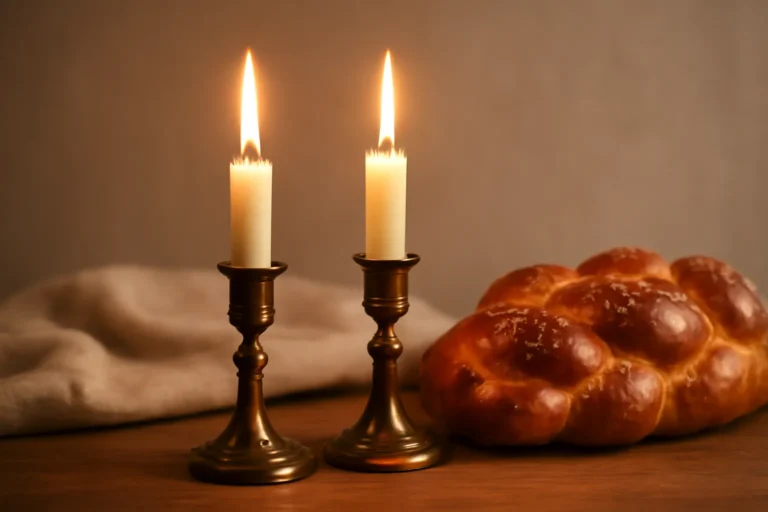
The end of the Sabbath marks a deliberate transition from a period of
sacred time to the ordinary rhythm of weekday life. In Jewish practice, this moment is not
merely a clock reading; it is a conscious delimitation between the holiness of Shabbat
and the tasks, duties, and opportunities of the workweek. The close of Shabbat—often spoken
of in Hebrew as motzei Shabbat or in everyday speech as the Sabbath’s
end—is both a technical and a spiritual event. It invites us to reflect on rest whose
sources go beyond mere cessation from labor, into a time of spiritual restoration, gratitude,
family connection, and hopeful anticipation for the days ahead.
Across communities and generations, the end of Shabbat has developed a rich body
of customs. The central ritual, known as havdalah, is designed to draw a bright line
between the sanctified hours and the ordinary hours. Yet the meaning of that moment can
vary: some emphasize the re-entry of light and fire, others the sensory cue of spices, and
still others the renewal of daily commitments with a refreshed sense of purpose. This guide
explores the language around the end of Sabbath, how the timing is determined,
the rituals that accompany it, and the diverse traditions that shape its practice around the
world.
Timing: When the Sabbath Ends and What It Depends On
The question of when Shabbat ends does not have a single universal moment. The end
of the Sabbath is defined within Jewish law by several overlapping concepts, and the precise
moment can depend on tradition, locale, season, and local practice.
Three stars after sunset — In many communities, the end of Shabbat is reached when
the first evening star is visible and the sky has grown dark enough for the appearance of three
stars. This marker, known as tzeit hakochavim, signals the transition to weekday
status in several halachic approaches. The timing can vary with the season and latitude.
Sunset after Shabbat — Some traditions use the moment of sunset as a general
marker for the close of Shabbat, especially when observing a simpler, more time-bound interpretation.
In places with short winter days, this can be earlier in calendar terms than the later star-based
criteria would suggest.
Local custom and rabbinic guidance — In many communities, the guidance of a
local rabbi or community practice defines the customary end time. This can reflect communal
interpretation, hummed timelines, or adherence to a particular rabbinic tradition.
It's important to recognize that the end of the Sabbath is not only a matter of
calculations. For many families, the moment is a family ritual—lighting the Havdalah candle,
blessing the wine, and savoring the spices—timed to align with communal norms while still
allowing a personal sense of closure and renewal.
Seasonal and Geographic Variations
The geography and the season can influence the practical expression of end-of-Sabbath
timing. In some northern latitudes, winter evenings arrive earlier, and the three-star
criterion might occur soon after sundown; in other regions, summer nights stretch long, which
can push the formal end later in the evening. Religious authorities and communities adapt with
guidance that preserves the integrity of the ritual while acknowledging local realities.
Observing Across Denominations
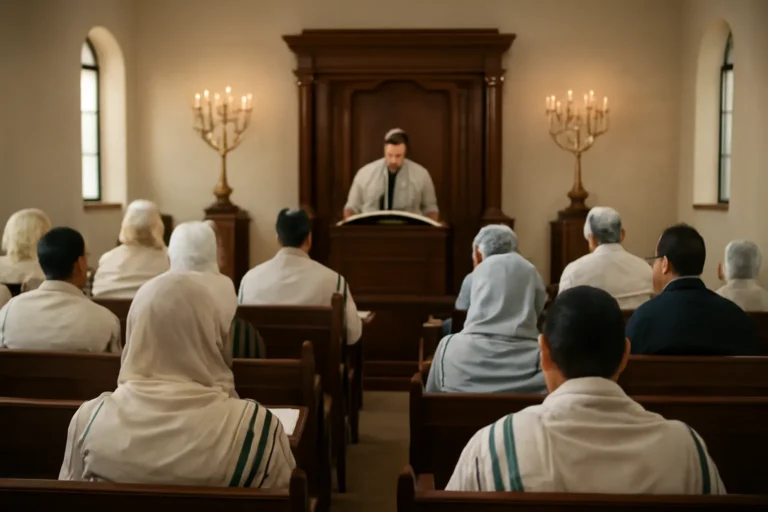
Different streams within Judaism—Orthodox, Conservative, Reform, and Reconstructionist—may frame the end of Shabbat with varying emphasis. Some lean into
a stricter, more traditional timetable for the end and for Havdalah, while others emphasize
the ethical or communal implications of the shift from sacred to ordinary time. Regardless of
the precise clock, the practitioners share a common intention: to acknowledge the boundary
between Shabbat and the week ahead and to carry the memory of Sabbath rest into the days to
come.
Havdalah: The Central Rite for Marking the End of Shabbat
The Hebrew term havdalah means "separation" or "distinction." It is the ritual that
most clearly marks the transition from Shabbat to the workweek, serving as a tangible
boundary between the sanctified hours and ordinary time. Havdalah is typically performed after
nightfall on Saturday, though some communities may observe it a little earlier or later in
response to local practices.
The ritual consists of several elements that work together to create a multisensory
experience of separation and renewal. The order and emphasis can vary by tradition, but a
classic structure remains widely recognized.
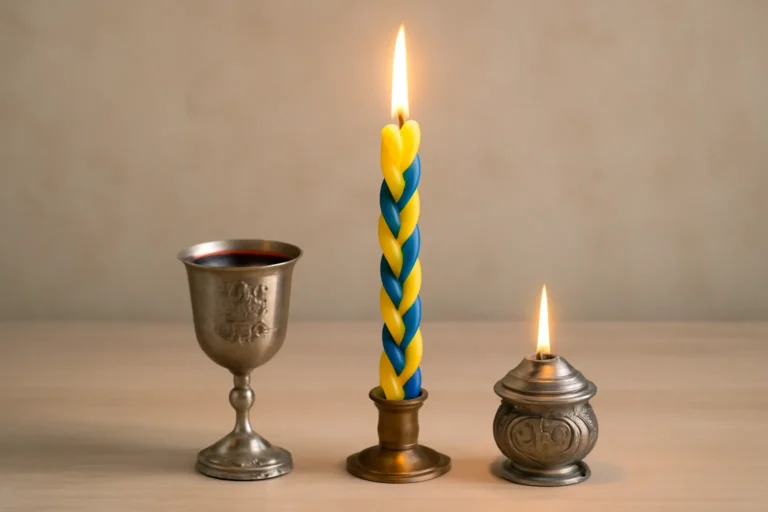
What You Need for Havdalah
Wine or grape juice for the blessing over the cup, symbolizing joy and sweetness.
A braided Havdalah candle with multiple wicks, designed to cast a bright, distinct light.
Spices (Besamim) such as cloves, cinnamon, or other fragrant herbs to revive the senses.
Step-by-Step Havdalah
Prepare the space: a quiet moment at the close of Shabbat, with the candle lit and
the wine ready. The setting emphasizes calm and intention.
Light the Havdalah candle: the candle is often braided with several wicks to
symbolize the many facets of divine unity and the bright boundary between the holy and the
common.
Bless the candle: recite the blessing over the candle, usually phrased to bless
"the candle of Shabbat which distinguishes between light and dark." This blessing invites the
warmth and light of Shabbat to accompany the week ahead.
Bless the wine: recite Borei Pri Hagafen, thanking God for the fruit of the
vine and for the joy that accompanies transitioning into the new week.
Inhale the spices: smell the Besamim to awaken the senses and to carry the fragrance of
Sabbath into the ordinary hours ahead. This sensory cue is a key element for many families.
Make the final blessing: recite the concluding blessing over the cup, and invite the
moment to be a source of blessing for the days that follow. Some traditions include a brief
spoken blessing such as “Shavua tov” (a good week) or similar sentiments.
Spice choices: Some households prefer a robust aroma with cloves or cinnamon;
others choose gentler scents to suit family members with sensitivities. The goal is a distinct
sensory cue that signals the threshold between sacred and secular.
Wine alternatives: If grape wine is not available or appropriate for a family’s practice,
any non-alcoholic beverage with symbolic meaning can be used, provided it aligns with the community’s
halachic guidance.
Children and Havdalah: In many homes, children participate by assisting with candle lighting,
holding the spice box, or helping pour the wine. The ritual can become an opportunity for teaching
about memory, gratitude, and the rhythm of the week.
Symbolism: What the Elements of Havdalah Mean
The candled light embodies distinction—the capacity to perceive differences between what has
been sanctified and what lies ahead. The candle’s glow reminds us that even as we step
back into the ordinary, the glow of Shabbat can illuminate our daily choices. The spice is
a reminder of the sweetness of Sabbath and the wish that the taste of peace will persist, even in the
week’s challenges. The wine embodies joy and gratitude for the blessings of creation.
Beyond Havdalah: Other Customs for Ending Shabbat
While Havdalah is the central ritual, many communities observe additional customs around the
end of the Sabbath that enhance the sense of transition and orientation toward the week ahead.
Melaveh Malka: Escorting Shabbat Out with a Meal
In several Ashkenazi and Hasidic traditions, a supper or “walking with the Queen” meal,
known as melaveh malka, is held after Shabbat ends and before the weekday routine
resumes in earnest. It serves as a formal farewell to Sabbath time and a warm, communal
welcome to the new week. Some families incorporate music, songs, or light conversation while
sharing food that is easier on the palate after the day of rest.
Sephardic and Mizrahi communities may blend Havdalah with other ritual elements or time
the ceremony differently according to their liturgical calendars and local customs. You may see
variations in the exact blessings, the order of spice and candle use, or the cadence of ritual
phrases. The overarching purpose remains the same: to draw a clear line back to weekday life
while preserving the memory of Sabbath rest.
End of Sabbath Across Regions and Denominations
The exact expression of the end-of-Sabbath moment reflects a tapestry of regional customs and
denominational perspectives. In many ultra-Orthodox and traditional communities, the
timetable is a strict, well-practiced routine, with Havdalah observed at a precise later time to
reflect the appearance of three stars and the consensus of local authorities. In Conservative and
Reform communities, Havdalah may be adapted to suit contemporary lifestyles, with some
performing it on Sunday evening or integrating it with a broader spiritual or inspirational ritual.
Regardless of affiliation, the end of Shabbat is generally treated as a meaningful bridge to
the week. Families may use this moment to set a tone for the days ahead—cultivating gratitude,
setting intentions, or simply sharing a quiet moment of reflection before the bustle resumes.
Practical Guidance for Observing the End of Sabbath in Modern Life
In today’s busy world, many households seek a practical approach to marking the end of the
Sabbath without compromising the core meaning of the ritual. Here are some guidelines that
families frequently find helpful.
Plan Havdalah in advance: Arrange the candle, spices, and wine before the Sabbath
ends so you can perform Havdalah smoothly without feeling rushed.
Choose comfortable timing: If your community’s normative end time is later in the
evening but your family needs the ritual to fit a weekday schedule, discuss with a local rabbi about
adjusting the exact moment in a permissible way. The aim is to preserve the ritual’s integrity while
supporting family life.
Adapt sensory elements thoughtfully: If scented spices bother someone in the room,
consider placing the spice box at a distance or replacing the spice with a milder option. The spices
are not mandatory in every modern practice, but their inclusion often preserves the traditional
multisensory cue.
Involve children: Encourage kids to participate in lighting the candle, pouring the wine,
or smelling the Besamim. Involving younger members strengthens the sense of transition and helps
transmit the tradition.
Integrate with Melaveh Malka if desired: If your community observes Melaveh Malka, you can
plan a light gathering afterward to extend Sabbath warmth and hospitality into the evening.
Here are concise answers to questions people frequently ask about the end of Shabbat and its
customs.
What is the name for the end of Shabbat?
The moment is commonly referred to as motzei Shabbat, "the departure of Shabbat," or simply the end of Shabbat.
What distinguishes Havdalah from other end-of-week rituals?
Havdalah is the central ritual that creates a formal boundary between the holy time of Shabbat and the ordinary days of the week. It involves a candle, wine, and incense and is typically recited after Shabbat ends.
Can Havdalah be performed without wine?
Most traditional authorities require a blessed beverage (wine or grape juice) for Havdalah. In cases of necessity or dietary restrictions, a rabbinic authority should be consulted for permissible substitutions.
Is the end of Shabbat always the same time everywhere?
No. The precise moment depends on local custom, season, and astronomical factors such as sunset and the appearance of stars. Communities follow different practical timings while maintaining the ritual’s core concepts.
What about the end-of-Sabbath practices for non-Jewish households?
In Christian and other contexts, Sunday evening or sunset may also be a time of reflection or closure, but the specific Havdalah ritual is unique to Jewish practice. People may adapt or honor the idea of ending a day of rest in ways that align with their faith traditions.
Key terms: end of Shabbat, motzei Shabbat, havdalah, tzeit hakochavim
Core elements of Havdalah: candle, wine, Besamim
Timing considerations: approximate window after sunset or when three stars appear, depending on tradition
Optional customs: Melaveh Malka, singing, blessings over spices, and communal meals
The language used to describe the transition from Sabbath to weekday can carry cultural and
spiritual weight. For many, emphasizing the meaning of the moment—gratitude for
rest, appreciation for family, and renewed commitment to ethical living—matters more than hitting a
precise time. When discussing or practicing the end of Sabbath, it is helpful to be
mindful of the diversity within Jewish communities and to honor local customs, rabbinic guidance,
and family traditions.
The practice of marking the end of Shabbat has enduring relevance for contemporary life. It invites
a deliberate pause before the week advances, a moment to reflect on rest as a value rather than a
passive break. Many people find that the Havdalah ritual, with its sensory cues and intentional
pacing, helps cultivate a weekly rhythm that balances productivity with gratitude. For some, this
becomes a blueprint for humane work culture, mindful family time, and a clearer sense of purpose as
they transition from Sabbath peace to daily responsibility.
Reflective Practices That Complement Havdalah
Spend a brief moment in gratitude for the quiet of Shabbat and for the people who sustain you.
Offer a small intention for the week ahead, whether personal, familial, or communal.
Share a simple, restorative meal with family or friends to carry forward the warmth of Sabbath time.
In sum, the end of Sabbath is not just the closing of a calendar block. It is a dynamic
moment that blends memory with anticipation, ritual detail with personal meaning, and tradition with
daily responsibility. Whether you observe Havdalah strictly or adapt it to fit your life, the core
purpose remains: to acknowledge the boundary between sanctified time and the workweek, and to
welcome the week with clarity, intention, and hope.





Leave a Reply