Lighting the Way: Candles with Prayers and the Enduring Power of Faith
Lighting the Way: Candles with Prayers and the Enduring Power of Faith
In the quiet moments of life, when we seek solace, strength, or a deeper connection, we often turn to timeless rituals. Among these, the practice of using candles with prayers stands out as a particularly potent and universally accessible form of devotion. It’s a practice that transcends specific denominations, resonating with the human need to express our deepest hopes and intentions to a higher power. Whether you're lighting a single votive candle in a home altar or participating in a communal service, the flickering flame and the whispered prayer create a sacred space, a palpable bridge between the earthly and the divine. This article explores the profound significance of candles in conjunction with prayer, their role in various religious traditions, and how you can incorporate this meaningful practice into your own spiritual journey.
For centuries, the gentle glow of a candle has been a beacon of hope and a symbol of spiritual light. When coupled with a prayer, this simple act transforms into a powerful act of faith. The very act of lighting a candle can be a meditative process, allowing us to focus our intentions and quiet the noise of the everyday. It’s a deliberate gesture that signals our commitment to our spiritual practice, a physical manifestation of our inner desires. This article aims to illuminate the multifaceted ways in which candles with prayers serve as a vital tool in the tapestry of religious expression.
The candle, in its essence, is a vessel of transformation. It begins as a solid wick and wax, but when ignited, it becomes a dynamic source of light and warmth. This transformation mirrors our own spiritual journeys, where we strive to move from darkness to understanding, from doubt to faith. The flickering flame itself is often interpreted as representing the human soul, a fragile yet persistent spark of divine energy. Its upward movement symbolizes aspiration and the reaching out of our prayers towards the heavens.
Beyond its visual symbolism, the candle flame also signifies sacrifice and offering. The wax is consumed to produce light, much like how our prayers, offered with sincerity and intention, can be seen as a form of spiritual offering. This act of giving, even something as simple as the burning of a candle, underscores the devotion and reverence we hold. Consider the image of a single candle illuminating a vast, dark room; similarly, a prayer offered with faith can bring clarity and guidance into our lives, dispelling the shadows of confusion or despair.
Light as a Divine Metaphor
Across numerous religions, light is inextricably linked to the divine. From the divine light of creation in Genesis to the concept of enlightenment in Buddhism, light represents knowledge, truth, and the presence of God. When we light a candle as part of our prayers, we are inviting this divine light into our lives and into the space where we pray. It’s a way of invoking divine presence and allowing our intentions to be illuminated by a higher wisdom.
Think about the common practice of lighting a candle before a religious statue or an icon. This act is not merely decorative; it’s a deeply symbolic gesture of acknowledging the sacredness of the space and the figure being honored. The candle’s glow serves as a focal point, aiding in concentration and deepening the sense of reverence. It's a visual anchor that helps us to center our minds and hearts on our prayer, ensuring that our intentions are clear and focused.
Candles with Prayers Across Religious Traditions
The use of candles in prayer is a practice deeply woven into the fabric of many faiths, each tradition imbuing it with its unique nuances and significance. While the act may appear similar on the surface, the underlying spiritual context and the specific prayers accompanying the lighting of the candle can vary significantly. Understanding these variations deepens our appreciation for the universality of this devotional tool.
This enduring practice highlights a shared human impulse to connect with the divine through tangible means. Whether it's the gentle flicker of a Shabbat candle or the vibrant glow of a Paschal candle, the presence of light consistently signifies something sacred and set apart. Let's explore some of these rich traditions.
Christianity: A Beacon of Hope and Remembrance
In Christianity, candles play a prominent role in various liturgical practices and personal devotions. The altar candles in churches are lit during Mass, symbolizing the presence of Christ, the Light of the World. Beyond the formal services, many Christians use candles for personal prayer and reflection. Lighting a candle in a church before an image of a saint or the Virgin Mary is a common way to express devotion and offer a prayer for intercession.
The practice of lighting a novena candle, a small, often colored candle that burns for a specific number of days, is particularly popular for those seeking intensified prayer and petition. These candles are typically placed in designated areas with images of saints or Jesus, and the act of lighting one signifies a sustained commitment to a particular prayer or intention. The steady burn of the novena candle can be a comforting reminder that our prayers are continually being offered, day and night.
Judaism: Illuminating Tradition and Family
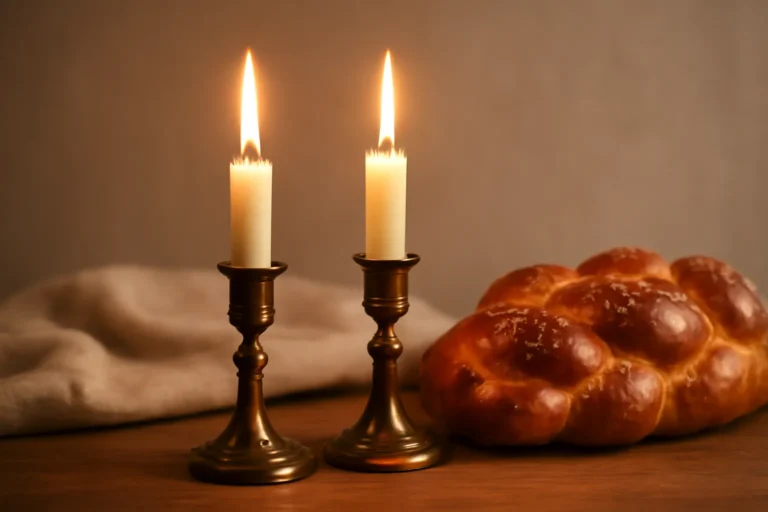
In Judaism, the lighting of candles is central to several key observances. The most widely recognized is the lighting of the Shabbat candles on Friday evening, marking the commencement of the Sabbath. These candles are traditionally lit by the mother of the household, her hands covering her eyes as she recites a blessing, bringing light and kedushah (holiness) into the home. This act is about welcoming the Sabbath peace and sanctifying time.
Another significant use of candles is for Yahrzeit, the anniversary of a loved one's passing. A special Yahrzeit candle is lit and burns for 24 hours, serving as a poignant reminder of the departed soul and a time for remembrance and prayer. This practice connects generations, allowing us to honor our ancestors and reflect on their legacy. The enduring flame symbolizes the everlasting nature of our love and the continuity of our family heritage.
Buddhism: Cultivating Mindfulness and Merit
In Buddhist traditions, the use of candles is often intertwined with meditation and the cultivation of merit. While not always accompanied by specific spoken prayers in the same way as some Abrahamic religions, the act of lighting a candle is a powerful visual aid for mindfulness. The steady flame can help to focus the mind, drawing one deeper into contemplative states and away from distracting thoughts.
Candles are often lit at temple altars or home shrines as offerings to the Buddha or Bodhisattvas. This act is seen as a way to generate positive karma and offer respect. The light symbolizes wisdom and the dispelling of ignorance. For instance, a practitioner might light a candle before meditating, visualizing the flame as a symbol of their effort to achieve inner peace and understanding, and offering that effort as a form of merit.
Hinduism: Invoking Deities and Auspiciousness
In Hinduism, candles, or more commonly diyas (small clay lamps with oil and a cotton wick), are integral to worship and festivals. Lighting diyas is a way to invoke the blessings of deities and create an auspicious atmosphere. During festivals like Diwali, the Festival of Lights, homes are illuminated with countless diyas, symbolizing victory of light over darkness and good over evil.
When performing puja (worship), a lamp or candle is often lit to represent the divine presence and to provide light for the offerings. The flame is sometimes seen as the mouth of the deity, receiving the offerings made. The act of lighting a candle before a specific deity, accompanied by mantras and prayers, is a direct way to communicate intentions and seek divine intervention for various aspects of life, from health and prosperity to spiritual growth.
Crafting Your Own Ritual: Candles with Prayers for Personal Devotion
Integrating candles with prayers into your personal spiritual practice doesn't require elaborate setups or adherence to strict dogma. It's about creating a meaningful connection that resonates with your own beliefs and intentions. The beauty of this practice lies in its adaptability and its ability to bring a sense of sacredness to your everyday life.
Start by choosing a candle that speaks to you. It could be a simple white votive, a scented candle that evokes a particular feeling, or a more decorative candle that holds personal significance. The color of the candle can also be chosen to represent specific intentions; for example, blue for peace, green for healing, or red for passion and strength.
Setting the Sacred Space
Before you begin, designate a quiet space where you won't be disturbed. This could be a corner of your bedroom, a small table, or even a windowsill. Cleansing the space spiritually, perhaps by a gentle sweep or by simply taking a few deep breaths, can also enhance the meditative quality of your ritual.
Once your space is ready, place your candle. You might want to place it on a heat-resistant surface or within a candle holder. Take a moment to ground yourself, feeling your connection to the earth beneath you and the sky above. This physical grounding can help to anchor your spiritual focus.
The Art of the Prayer
The heart of the ritual lies in your prayer. There's no single "right" way to pray. Your prayer can be:
Spoken aloud: Articulating your intentions clearly and with conviction.
Whispered: A more intimate and personal form of communication.
Recited from scripture or tradition: Drawing upon the wisdom of established prayers.
Silent and contemplative: Focusing your intention and allowing your feelings to guide you.
As you light the candle, allow the act to be a physical expression of your prayer. Visualize your intentions rising with the flame, carried by the light into the spiritual realm. For instance, if you are praying for peace and serenity, you might light a blue candle and whisper, "May peace fill this space and my heart. May I be a beacon of calm in the world." If you are praying for strength to overcome a challenge, you might light a red candle and say, "Grant me the strength and courage to face this trial with unwavering resolve."
Bringing Closure to Your Practice
When you feel your prayer is complete, or when the candle has finished burning (for votive or novena candles), you can bring your ritual to a close. Some people like to extinguish the candle with a gentle puff of breath, imagining their prayer being sent forth. Others prefer to let it burn out naturally, a continuous offering of their intentions.
The act of using candles with prayers is not about magic or demanding outcomes. It is about cultivating a deeper connection to the divine, expressing your hopes and needs with sincerity, and fostering a sense of peace and purpose within yourself. It is a practice that has endured for millennia because it taps into something fundamentally human: the enduring power of faith and the universal desire for guidance and light.
Frequently Asked Questions About Prayer Candles
What is a prayer candle?
A prayer candle is a candle, often a plain white or colored pillar or jar candle, that is lit with the intention of focusing thoughts, intentions, or prayers. They are used in various spiritual and religious traditions as a visual aid for meditation, devotion, or petition.
Are prayer candles religious?
While prayer candles are commonly used in religious contexts, their use is not exclusive to any single religion. They can be incorporated into personal spiritual practices, secular mindfulness, or the devotional practices of various faiths, including Christianity, Judaism, Hinduism, Buddhism, and many folk traditions.
How do I use a prayer candle for prayer?
To use a prayer candle, find a safe, stable surface away from flammable materials. Light the candle and focus on your intention, prayer, or meditation. You can quietly speak your prayer aloud, think it silently, or write it down and place it near the candle. Allow the candle to burn down completely, or extinguish it safely when you are finished.
Can anyone use a prayer candle, regardless of religion?
Yes, anyone can use a prayer candle. While they have deep roots in religious and spiritual traditions, the act of lighting a candle with intention can be a personal and meaningful ritual for individuals of any belief system or no particular religious affiliation.
What do different colors of prayer candles symbolize?
Colors can carry symbolic meaning in prayer candles, though interpretations can vary. For example:
It's important to note that these are common associations and personal meaning can also be assigned to colors.
Are there specific prayers to use with prayer candles?
There are no universally prescribed prayers for prayer candles. You can use traditional prayers from your faith, create your own personal prayers, or simply use the candle as a focal point for silent meditation and intention. The most important element is the sincerity of your intention.
Where can I buy prayer candles?
Prayer candles are widely available. You can find them in religious supply stores, occult shops, metaphysical shops, online retailers, and even in the home goods or candle sections of many general stores.