What Is Shabbat Day? A Core Concept of Time, Rest, and Holiness
Shabbat, known in English as the Sabbath, is more than simply a day off. It is a scheduled reinvigoration of life that centers on rest, spiritual reflection, and a heightened sense of community. In traditional practice, the Shabbat runs from Friday evening until Saturday night, a period defined by the appearance of stars in the sky and by the creeping sense of stillness that settles over homes and synagogues. The day is marked by a deliberate shift away from ordinary work, technology, and routine, toward family meals, prayer, study, and songs that celebrate the divine gift of time. When people ask, “What is Shabbat Day?” they are seeking an answer that captures both the ritual structure and the inner invitation: to pause, to reconnect, and to honor the sanctity of time itself.
Throughout this guide we will explore the many facets of Shabbat observance, including its origin, its meaning, the cadence of the day, the core rituals, and the ways it is observed across diverse Jewish communities. By understanding the meaning of Shabbat, readers can gain a fuller sense of why millions of people treat this day as a cornerstone of Jewish life and, for many, a universal model for a humane and intentional weekly rhythm.
Origins and Meaning
From Creation to Covenant
The foundational idea of Shabbat traces to the biblical creation narrative, where God completes the work of creation in six days and rests on the seventh. The narrative presents a paradigm: a deliberate pause that sanctifies time itself. The word Shabbat comes from a root meaning “to cease” or “to rest,” signaling a purposeful disengagement from productive labor. In Jewish tradition, this cessation is not mere idleness; it is a conscious setting apart of time for divine connection, family, and learning. The holiness of time is a recurring theme: the day is perceived as a vessel through which human beings can encounter the sacred and align their lives with a larger cosmic order.
Later biblical layers frame Shabbat as a covenantal sign between God and the people of Israel. It is described as a sign that the One who created the heavens and the earth also invites humans into a weekly pattern of rest and reverence. For many, the day embodies a double-layered meaning: the memory of Creation and the memory of Redemption (as Shabbat is linked with both the creation of the world and historical moments when the people of Israel were liberated). In this sense, Shabbat is not only about what happens on that day but about the way that day recharges the weeks to come.
Meaning for Modern Life
In contemporary practice, the Shabbat experience can be understood as a threefold invitation: to disconnect from the constant pace of weekday concerns, to connect with family and community, and to cultivate spiritual growth through prayer, study, and song. For some, the day is a chance to slow down, to savor food and hospitality, and to dedicate time to reading, conversation, and contemplation. For others, it is a communal rhythm that sustains a sense of belonging and identity across generations. Across the spectrum of Jewish life, the day remains a living, evolving tradition—one that can adapt to urban schedules, family dynamics, and modern needs while preserving its enduring core: a weekly moment when life is reframed around meaning rather than speed, around relationships rather than tasks, and around gratitude rather than gain alone.
When Shabbat Begins and Ends
The timing of Shabbat is precise in traditional Jewish law. Shabbat begins with the lighting of candles before sunset on Friday evening, and it ends only after nightfall on Saturday, when three stars are visible in the sky and the havdalah ceremony can be performed to separate the holy day from the ordinary weekday. In practice, communities determine the start by candle lighting times, which are calculated based on local sunset and custom. The end is marked by a few practical indicators: havdalah, the emergence of a new week, and the return to ordinary schedules after Shabbat’s sanctified hours have passed.
Two boundaries shape the Shabbat frame: a preparation period before Friday dusk and a transition back into weekday life after Havdalah on Saturday night. The preparation phase is often the busiest moment for observant households, as it includes cooking, cleaning, shopping, and setting aside materials that would otherwise be considered work on Shabbat. The transition back involves a small ceremony and a sense of completion—an orderly exit from the sacred day and a gentle stepping into the regular cycle of the week.
What follows is an overview of the core practices that structure the Shabbat day. While the details differ among communities, the general pattern remains recognizable and deeply meaningful for most Jews who observe the day.
Friday Preparations
Final cleaning of the home and kitchen to create a serene space that honors the day.
Cooking in advance or using keeps-heat methods so that no cooking occurs on Shabbat itself.
Stocking up on Shabbat-friendly foods, especially bread (challah), wine (kosher for Kiddush), and other festive dishes.
Purchasing or gathering sabbath supplies like candles, spice (besamim), and a dedicated Kiddush cup.
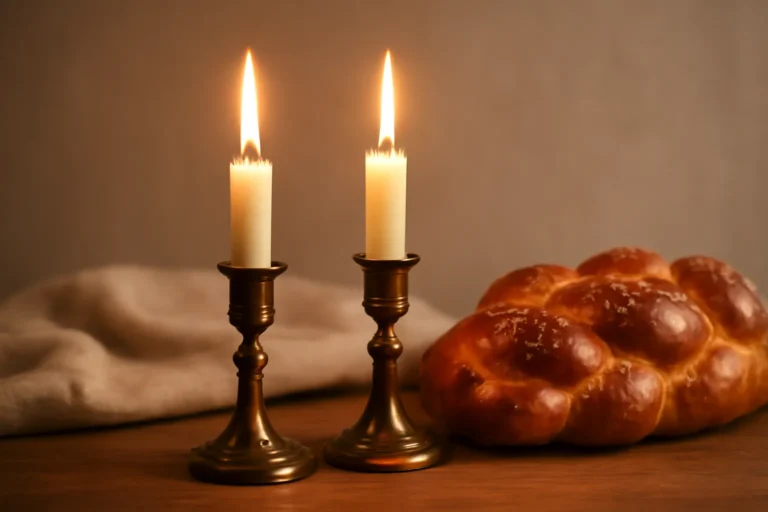
Many families light the Friday evening candles soon after the sun sets, creating a warm, inviting atmosphere that signals the transition from weekday to Shabbat. The practice is often led by a mother or a household elder, and the blessing is recited to consecrate the couple of hours ahead as a time of peace and reflection.
Shabbat Candles
Lighting Shabbat candles is a pivotal ritual. The candles inaugurate the holy day, and their glow is traditionally associated with peace in the home. The blessing that accompanies the lighting is a public articulation of intention: to kindle light and to sanctify the time ahead. In many homes, the candle-lighting moment is followed by a quiet period of introspection, as family members prepare for the evening’s prayers and meal.
Kiddush and Meals
Two festive meals anchor the day: the Friday night meal and the Saturday lunch meal. The first meal is preceded by Kiddush over wine, a blessing that sanctifies the Shabbat and elevates the familial circle around the table. The meals feature bread (challah) and multiple courses that celebrate gratitude and abundance. A stand-out feature is the hamotzi blessing—the blessing said over bread that acknowledges God as the source of sustenance. A common practice is to recite a blessing before eating the special Shabbat foods and to sing songs that honor the day’s mood. Hospitality—welcoming guests and sharing food—creates a tangible expression of Shabbat’s social dimension.
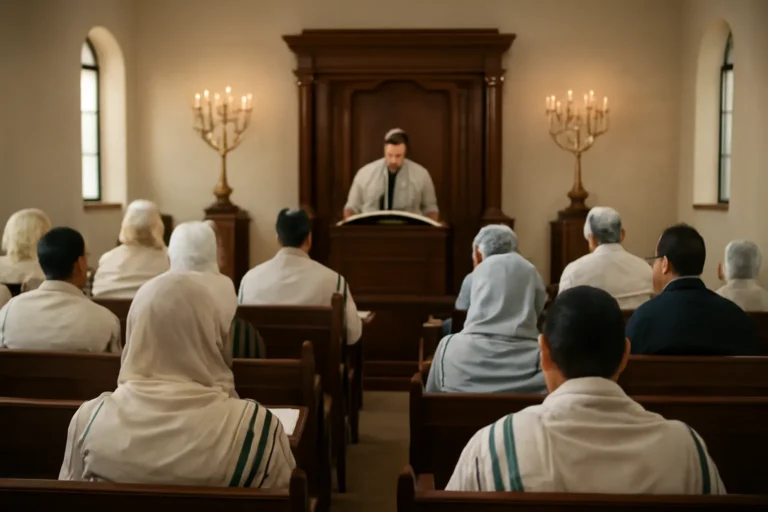
Shabbat invites a cadence of prayer and singing. Friday night services typically include Kabbalat Shabbat (the Friday reception of Shabbat’s blessings) and Ma’ariv (the evening service). On Shabbat morning, many communities gather for Shacharit (the morning service), followed by the Torah reading, which connects the day to the weekly portion. In homes and synagogues, zemirot (Shabbat songs) and piyutim (liturgical poems) enrich the atmosphere and reinforce the sense of communal joy and transcendence. The day also offers opportunities for study of Torah, Talmud, or contemporary commentators, either individually or in groups, as a way of deepening understanding and connecting tradition with modern life.
Torah Reading and Learning
Public Torah reading is a hallmark of Shabbat morning in many communities. The portion of the week—called the parsha—is read aloud, and the surrounding discussion includes blessings and commentary. In addition to the synagogue, many families set aside time for Torah study at home, listening to lectures, or sharing insights with friends and children. For those who prefer more informal study, Shabbat afternoons may include group study sessions, casual learning, or personal contemplation that centers on themes of rest, creation, and ethics.
Havdalah: Marking the End of Shabbat
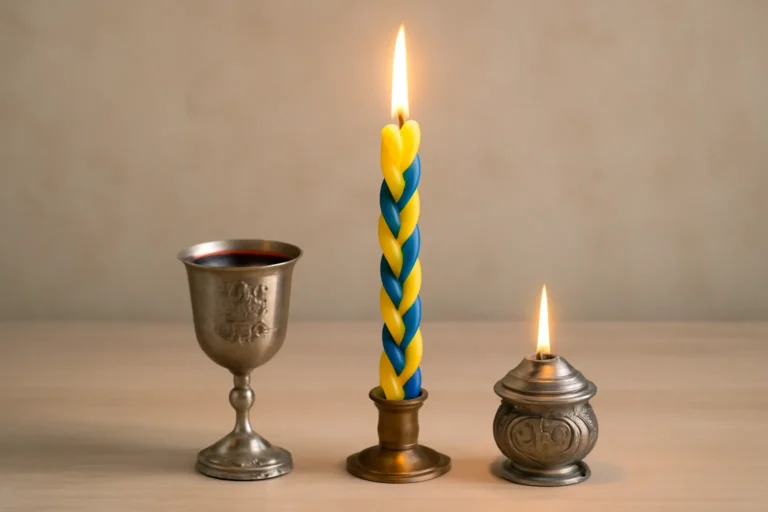
When Shabbat ends, the Havdalah ceremony serves as a bridge to the ordinary week. It involves a few key elements: a multi-wold candle, a cup of wine, and aromatic spices (besamim). Through these symbolic acts, worshippers recite blessings that acknowledge the separation between holy time and weekday ordinary time. Havdalah is both a closing ritual and a doorway into weekday life with a refreshed perspective and a sense of continuity with Shabbat’s blessings.
Prohibitions and Permitted Activities
Shabbat is characterized by a framework of prohibitions that are designed to preserve the sanctity of the day. The core practice is to refrain from creative labor, or melachot, a set of 39 categories of work described in rabbinic literature. These activities cover a broad range of tasks—from kinds of fire, to writing, to building, to commerce. The underlying logic is not to impose harsh rules for their own sake but to protect the unique, sacred atmosphere of Shabbat so that its spirit can be felt without distraction.
Crucially, Jewish law recognizes exceptions and priorities. The obligation to preserve life, or Pikuach Nefesh, overrides almost all prohibitions. In emergencies or life-threatening situations, activities that would normally be prohibited may be performed to save a life. Other permitted activities include those necessary for Shabbat stability and dignity: caring for a child, tending to the vulnerable, or maintaining safety in the home. Activities that are costly or frivolous are discouraged, but many communities emphasize that Shabbat is a day of joy, not mere restraint. Some households also intentionally simplify daily routines to enhance the sense of repose and allow for more meaningful connection.
Lighting or extinguishing fire, using electrical devices that simulate fire or heat
Carrying items in public spaces without an eruv or permission, depending on local custom
Writing, tearing, or erasing (which includes drawing or jotting notes)
Cooking or baking, and any form of ritual preparation that would create heat
Sewing, repairing, or constructing things
Planting, pruning, or harvesting (including cutting or pruning vegetation)
Commercial activity, shopping for nonessential items, or performing paid labor
It’s important to note that there are many nuances and variations in practice. Different communities interpret the boundaries with nuance, and many contemporary Jews engage with Shabbat through a spectrum of observance—from strict to more flexible—while maintaining the essential sense of Rest and Sanctity. For beginners, it can be helpful to focus on a few core elements first (candle lighting, Kiddush, Shabbat meals, and Havdalah) and gradually explore the broader framework as comfort grows.
Shabbat Customs: Hospitality, Music, and Learning
Beyond the formal rituals, Shabbat is rich with customs that shape the everyday feel of the day. Hospitality, or inviting guests to share meals and conversation, stands as a central social value. The warm atmosphere of a Shabbat table, the sharing of stories and songs, and the sense of “oneg Shabbat” (the joy of Shabbat) create a communal mood that many people carry into the week ahead. In addition to the traditional songs and blessings, the day often features quiet moments of personal reflection, family storytelling, and thoughtful discussions about ethical and spiritual topics.
Music and Zemirot
Shabbat songs, or zemirot, are a distinctive component of the day’s mood. They range from contemplative tunes to lively melodies and are often sung around the table after Kiddush or during the Friday night feast. These songs help to articulate gratitude, hope, and a sense of wonder about the weekly cycle. The melodies can vary by community, ranging from classical liturgical tunes to Hasidic melodies that emphasize joy and spiritual uplift.
Hospitality on Shabbat transforms meals into a ritual of generosity and connection. Sharing food with family, friends, and guests—whether in a formal meal setting or a casual gathering—embodies the value of community and warm welcome. The practice of inviting others to join, learning about each guest’s story, and extending kindness aligns with the broader ethical aims of Jewish life. Food becomes more than sustenance; it becomes a social and spiritual medium for hospitality, gratitude, and communal bonding.
Study and Reflection
Shabbat also accommodates study and contemplation. Families may read Torah portions aloud, discuss ethical questions, or listen to a teacher’s interpretation. For some, Shabbat is a weekly learning day, a time to deepen knowledge about Jewish law, history, or philosophy, and to apply insights to daily life. The emphasis on study complements prayer and meals by reinforcing the idea that knowledge and wisdom are integral to the sanctification of time.
Shabbat Across Different Traditions
While the core structure of Shabbat remains recognizable, the way it is observed differs across Jewish traditions and communities. These variations reflect theological emphases, cultural histories, and local customs that give each community a distinctive flavor.
Orthodox communities generally observe Shabbat with strict adherence to traditional laws, including prohibitions on work, the central role of synagogue services, and a strong emphasis on gender roles and family practice as they have historically developed.
Conservative communities maintain a balance between tradition and modern life, often expanding women’s participation in prayer and ritual while preserving the core prohibitions and liturgical framework.
Reform and Reconstructionist movements may reinterpret some restrictions, sometimes focusing more on the ethical and spiritual dimensions rather than the legal prohibitions, while still honoring the idea of setting a sacred time apart.
Hasidic and other mystically oriented groups emphasize joyful, ecstatic expression within Shabbat through song, prayer, and storytelling, often with elaborate cantorial and communal practices.
In Israel and the Diaspora, practical considerations—such as public transport, work demands, and family life—shape how Shabbat is observed, which can lead to both shared practices and local adaptations.
Shabbat for Families, Individuals, and Communities
Shabbat Day can be experienced in many scales—from intimate family moments to large community gatherings. For families, it is often a time to strengthen bonds through shared meals, stories, games, and rituals that children come to anticipate. For individuals, it may be an opportunity for focused study, quiet contemplation, or long walks that provide space for mental clarity. For communities, Shabbat serves as a focal point for social support—lending, hospitality, and joint prayer—creating a sense of belonging that extends beyond weekly routines.
Across the world, “Shabbat day” is also a lens through which people engage with broader values: peace, justice, gratitude, and care for the vulnerable. The day’s teachings encourage balance between rest and responsibility, between reverence and joy, and between tradition and modern life. With that balance, the Sabbath becomes a model for sustainable living: a weekly reminder to slow down, to notice the beauty around us, and to prioritize relationships over mere productivity.
Practical Guide for Beginners: How to Begin Observing Shabbat Day
Choose a start time for candle lighting and create a simple routine that signals the transition from ordinary time to Shabbat.
Prepare the meals ahead of time, including a festive Friday night meal and a celebratory Saturday lunch. Include Challah bread and wine or grape juice for Kiddush.
Light a candle or candles in a safe, designated space and recite the blessing that sanctifies Shabbat.
Attend or participate in a Friday night service or Kabbalat Shabbat, followed by a meal that emphasizes gratitude and togetherness.
Engage in a morning gathering for Shabbat services or a personal moment of study and reflection.
Reserve time for rest, conversation, and reading—moments that allow for contemplation and meaningful dialogue.
End the day with Havdalah to mark the separation from Shabbat and to carry its lessons into the coming week.
For beginners, a gentle, step-by-step approach helps create sustainable habits. Start with the basics—candle lighting, Kiddush, and a single meal on Friday night—and gradually incorporate additional elements such as Torah study, zemirot, and Havdalah. As comfort grows, you can tailor the practice to fit your family, your community, and your personal spiritual goals. The important point is to maintain the sense of rest, holiness, and connection that Shabbat invites into life.
Frequently Asked Questions about Shabbat Day
Is Shabbat only observed in Israel, or is it a global practice? Shabbat is observed by Jews worldwide, both in Israel and in the Diaspora. While time zone differences affect exact candle lighting and end times, the core idea—setting apart a day for rest, worship, and connection—remains universal.
What activities are allowed on Shabbat? The day emphasizes rest from work, but life-sustaining activities (such as caring for others, cooking in advance, and helping someone in need) are allowed, and Pikuach Nefesh (saving a life) overrides prohibitions. Individuals and communities may differ in specifics, but the overarching principle is to create a sacred rhythm rather than a rigid list of forbidden tasks.
Why are candles central to Shabbat? The lighting of candles signals a boundary between the ordinary weekday and the sanctified Shabbat. It creates a warm, peaceful atmosphere, invites contemplation, and announces the intention to welcome the day with light and blessing.
What is Havdalah, and why is it important? Havdalah is the ceremony that “distinguishes” between holy time (Shabbat) and regular weekday time. It uses a braided candle, wine, and spices to evoke a sense of completion, gratitude, and readiness for the week ahead.
How can a beginner approach Shabbat with sensitivity and authenticity? Start with a few core rituals, cultivate a spirit of hospitality, and allow your practice to reflect your family’s needs and beliefs. It is okay to adapt; the essence lies in creating meaningful pause, gratitude, and communal or personal connection.
Shabbat Day: A Living Tradition Made Personal
In sum, the Shabbat Day invites a powerful statement about what matters most in life: time with family and friends, meaningful prayer and study, generous hospitality, and a deep sense of gratitude for life’s gifts. The day embodies a shared language of rest that communicates across generations and cultures, reminding us that there is value in pausing—a value that can sustain us through daily demands and shape a more humane weekly rhythm. Whether you call it Shabbat, Sabbath, or the Sabbath, the day remains a potent instrument for cultivating balance, meaning, and a sense of wonder about the world. By embracing its traditions—or by adapting them with mindful intention—individuals and communities can experience a profound sense of renewal each week.
As a closing reflection, many say that Shabbat is less about what one does and more about the atmosphere one creates: a space where rest and reverence are encouraged, where questions about meaning can arise in a friendly, familial setting, and where the day itself becomes a teacher—reminding us to slow down, notice beauty, and connect with the people who matter most. If you are exploring What is Shabbat Day?, you are stepping into a centuries-old conversation about time, intention, and belonging, a conversation that continues to unfold in homes, synagogues, classrooms, and communities around the world.