Preparing for Shabbat Dinner: A Practical Guide to Stress-Free Prep
Preparing for Shabbat Dinner: A Practical Guide to Stress-Free Prep
Preparing for Shabbat dinner is more than cooking a meal. It is a practice that blends ritual rhythm, thoughtful planning, and generous hospitality. The goal of this guide is to offer a practical, realistic path to stress-free prep that honors tradition while fitting into a modern schedule. Whether you are hosting a large family, a small group of friends, or just a couple, the right approach helps the evening feel calm, meaningful, and delicious. By focusing on preparation strategies, smart timelines, and simple routines, you can transform Friday into a smooth transition rather than a frantic scramble.
Getting Started: Mindset, Boundaries, and a Realistic Plan
Before you touch a pot or set a timer, set the frame for the whole process. Intentional planning and clear boundaries around tasks are often more important than hours spent in the kitchen. Take a moment to reflect on your goals for the evening: what would make the dinner feel warm and welcoming? What constraints do you need to accommodate (work schedules, children’s activities, dietary needs)? By articulating these questions, you create a foundation that guides every decision you will make in the next 24 hours.
Define a deadline-driven plan instead of a vague checklist. Decide when you want to start cooking, when you will finalize the table, and when you intend to light candles.
Prioritize make-ahead tasks to reduce Friday evening stress. Soup, sauces, and some salads often taste better after resting, and they can be reheated gently.
Establish roles for any guests or family members who are joining you. A simple assignment, such as “I will handle the bread and salads; you take care of the fish,” can prevent confusion and last-minute dithering.
Creating a Shabbat Prep Timeline: A Practical Schedule
Time management is your most powerful tool. A well-structured timeline for Shabbat prep divides labor into manageable blocks and creates natural break points so you’re not sprinting at the last minute. The following framework can be adapted to your household’s rhythms and the size of your guest list.
Friday Morning Assessment: Inventory, Planning, and Prep
Start the day by auditing what you already have and what you still need. This stage is about inventory awareness and menu alignment.
Review your pantry, refrigerator, and freezer. Note items that will need to be used or replenished.
Decide on a core menu with 2–3 flexible components. If you’re unsure about a dish, choose a version that can be served hot or cold, or easily reheated.
Make a concise shopping list that groups items by store section to minimize wandering.
Friday Afternoon Tasks: Mise en Place and Early Cooking
The afternoon is ideal for mise en place—getting all ingredients ready, washing and chopping produce, and assembling components that can be cooked in advance without sacrificing texture.
Chop vegetables, prep garnishes, and assemble any make-ahead sauces or stocks.
Cook or par-cook dishes that hold well, such as grains, legumes, or roasted vegetables. Store them in the fridge in clearly labeled containers.
Begin bread and dairy components (like challah and salads) if you plan to serve them at room temperature or chilled.
Friday Evening Final Touches: Freshness, Fragrance, and Final Assembly
As the sun begins to set, switch to a cadence of finish-work, warm-ups, and final assembly. Keep the kitchen calm and organized by following a clean-as-you-go routine and staging items near their final destinations.
Reheat or finish dishes that require it. Use gentle heat and lids to preserve moisture and texture.
Set up the table, candles, and Kiddush materials so you aren’t scrambling during candle lighting.
Prepare a simple salad or fresh dish that can be served quickly if guests arrive late.
Menu Planning and Food Prep: Balancing Tradition, Flavor, and Schedules
What you serve on Shabbat can range from classic to contemporary, but most households appreciate a balance of tradition, warmth, and practicality. A thoughtful menu considers time constraints, dietary preferences, and the rhythm of the day. The goal is to create a cohesive menu that feels cohesive and respectful of tradition while remaining accessible to your kitchen realities.
Traditional Staples and Modern Twists
Many hosts pair traditional elements with a few modern touches to keep things engaging while honoring custom. A well-rounded Shabbat menu often includes a few signature anchors alongside flexible sides.
Kiddush and Challah to begin the evening, setting the tone of gratitude and rest.
Protein choice (meat, fish, or a vegetarian centerpiece) that suits your guests and kashrut considerations.
Side dishes that bring color, texture, and seasonal flavors.
Dessert or fruit course that provides a gentle finish without heavy sweetness.
Core Components: What to Include for a Balanced Meal
Every Shabbat dinner benefits from careful composition. Here is a practical framework you can tailor to your family’s tastes and traditions:
Kiddush wine or grape juice and a blessing over the wine, followed by Challah served with a blessing and a light salt ritual if you observe it.
Protein option clearly plated and accommodating any dietary restrictions.
Starches such as roasted potatoes, rice, or kugel, chosen for ease of reheating and compatibility with other dishes.
Vegetables that add color and nutrition; roasted, steamed, or sautéed vegetables work well as sides.
Salads or pickles that can be prepared ahead and kept crisp.
Dairy or dessert if that aligns with your tradition, ensuring a light, refreshing finish or a comforting end to the meal.
Shopping and Inventory: Reducing Last-Minute Runs
One of the most effective ways to minimize stress is to complete as much shopping as possible before Friday afternoon rush. A well-organized approach to inventory and procurement helps you keep the kitchen calm and prevents mid-dinner errands.
Keep a running shopping checklist that you update during the week as you notice needed items.
Group items by store sections (produce, dairy, meat, bakery, pantry) to streamline the trip and reduce backtracking.
Track perishables and plan their use early in the week to avoid waste and last-minute urgency.
Consider alternate ingredients for common items in case of shortages. A good substitute plan keeps the menu intact without stress.
Kosher and Practical Considerations: Timing, Dietary Needs, and Harmony
For many households, Shabbat dinner is shaped by dietary laws and practical dietary needs. You can honor these considerations with a flexible plan that still feels effortless. The key is to anticipate constraints and embed adaptability into your routine.
If you follow kashrut, plan for separation of meat and dairy courses, and observe any waiting times required between meat and dairy servings as appropriate for your household.
Allow for allergies and dietary preferences among guests by labeling dishes or keeping a few clearly marked options available.
Maintain a gluten-free, nut-free or other special-diet-friendly corner if needed. Simple, clearly marked dishes help guests navigate the table with ease.
Mise en Place for Shabbat: Kitchen Setup, Tools, and Workflow
Efficient afternoon and evening preparation hinges on a deliberate kitchen layout, the right tools, and a workflow that minimizes steps and switches between tasks. A well-executed mise en place turns a busy kitchen into a well-orchestrated space.
Establish work zones (prep, cooking, plating, warming) and keep related items within arm’s reach.
Use warming vessels (chafing dishes, slow cookers, thermal pots) to keep dishes at the right temperature without overcooking.
Have a clean-as-you-go rhythm and a dedicated trash or compost bin that’s easy to access.
Label containers with dates and dish names to avoid mix-ups when you’re multitasking.
Equipment Checklist: What to Have Ready
Keep this practical list handy. You don’t need every gadget, but having the basics helps you stay organized and reduces the chance of last-minute searches.
Cutting boards and sharp knives in good condition
Large pots and roasting pans for bulk cooking
Oven-safe dishes and aluminum pans for easy reheating
Food processor or grater for quick prep
Mixing bowls, measuring cups, and spoons
Storage containers for make-ahead items
Chafing dishes or warming trays for the table
Challah covers, candles, matches, and a Kiddush cup
Serving platters and utensils that can stay on the table during the meal
Cooking Techniques for a Calm, Stress-Free Evening
Smart cooking techniques can dramatically lower the stress level of Friday cooking. The aim is to have as many elements as possible ready before candle lighting, so you can focus on hosting with gracious attention when guests arrive.
Opt for one-pot or sheet-pan dishes when possible to minimize clean-up and maximize hands-off cooking time.
Use make-ahead sauces or chutneys that enhance flavors and keep well in the fridge.
Choose staple sides that reheat well without losing texture, such as roasted vegetables, pilafs, or robust salads.
Schedule short simmered or braised dishes early in the afternoon so they can mellow and blend flavors by dinner time.
Setting the Table and Creating a Warm Evening Atmosphere
Shabbat is as much about atmosphere as it is about food. A welcoming table, subdued lighting, and meaningful rhythm contribute to a sense of rest and celebration that characterizes the evening.
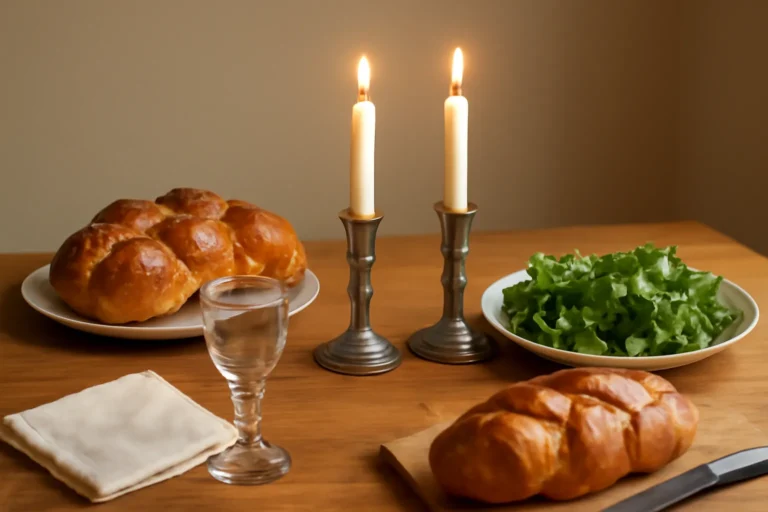
Lay a simple, elegant table with a clear space for Kiddush and the blessing over the wine.
Place Challah on a decorative board or cloth, and have a dedicated knife and salt nearby for the ritual.
Include a few soft music selections or traditional zemirot (songs) to set the mood without overpowering conversation.
Remember accessibility: ensure chairs can be pulled out smoothly, lighting is comfortable, and pathways are clear for guests of all ages.
Candle Lighting and Blessings: A Brief Ritual Guide
For many families, lighting candles signals the transition from the workweek to the Shabbat atmosphere. You can keep this practice simple and meaningful.
Have two candles ready for lighting, plus a safe place to set them down after lighting.
Place the Kiddush cup and a small bottle of wine or grape juice within easy reach.
Offer a brief moment of gratitude or a short blessing that resonates with your family’s values.
Hosting and Guests: Navigation, Etiquette, and Dietary Diversity
Shabbat hospitality emphasizes warmth, dignity, and inclusion. A well-run evening makes room for guests with different needs while maintaining a clear sense of rhythm and purpose.
Communicate clearly about timings and menu, so guests can plan their arrival and participate confidently.
Prepare dairy-free or nut-free options if needed, without drawing attention to restrictions in a way that singles anyone out.
Have a simple kids’ corner with kid-friendly dishes or activities to accommodate young guests.
Offer seconds and leftovers thoughtfully, so guests do not feel pushed to stay or hurry out.
Security, Safety, and Clean-Up: A Practical Approach
Even a well-planned Shabbat dinner can encounter small snags. A calm attitude, a practical plan, and a few safety-focused habits make a big difference in handling common issues gracefully.
Keep hot items covered and insulated to prevent burns and maintain moisture.
Check oven and stove settings ahead of time to ensure you’re not overloading circuits or risking heat overload.
Designate a quick breeze-free area for dessert or coffee to prevent sudden interruptions if the door opens frequently.
Plan a brief clean-up window after the meal where guests can help, if appropriate, or simply enjoy a moment of rest together.
Special Considerations: Allergies, Preferences, and Flexibility
Every dinner is a chance to foster hospitality in a way that respects both tradition and individual health needs. A flexible plan helps you honor guests without compromising on the core essence of the evening.
Collect dietary information ahead of time so you can tailor dishes and avoid on-the-spot substitutions.
Offer trailed alternatives (gluten-free bread, dairy-free dressings, nut-free desserts) that don’t degrade the overall menu.
Label dishes when possible, especially if you’re serving a mixed group where some guests might have sensitivities or allergies.
Shabbat Morning Follow-Up: What to Do If You Repeat the Dinner
If you are hosting a second Shabbat meal (Shabbat lunch) or simply repeating the Friday night menu in a later form, use the same framework with small adjustments. The core ideas—planning, timing, simplicity, and warmth—translate well across meals.
Repurpose leftovers creatively to minimize waste and maximize flavor continuity.
Note what worked well and what didn’t, refining your timeline and dish choices for the next event.
Share a simple post-event recap with guests who attended, inviting feedback to improve future gatherings.
Final Reflections: Embracing the Ritual and Practical Wisdom
Preparing for Shabbat dinner is a balance of ritual meaning, practical efficiency, and generous hospitality. The strategies outlined here are designed to help you create an evening that feels deliberate rather than hurried, where the home is calm, the table is inviting, and the food serves as a conduit for connection. By approaching Friday with clear goals, a realistic plan, and a willingness to adjust, you invite peace into the kitchen and spread warmth around the table.
As you implement these ideas, remember that flexibility is not a weakness but a strength. Life happens—traffic, late arrivals, or a favorite ingredient running out. When you have a robust framework, you can adapt without losing the heart of the evening. The practice of preparing for Shabbat dinner becomes a skill you refine over time, a choreography that helps you transition from the bustle of the week into a sanctuary of rest, gratitude, and joy.
With each weekly repetition, you can build lasting memories for family and friends. The key is to keep the core values close: intentional planning, hospitality, and gratitude. This is how the ritual becomes not only meaningful but genuinely manageable, transforming every Friday into a comforting, predictable, and deeply rewarding experience.








Leave a Reply