City of David Archaeology: Discoveries, History, and Excavations
The City of David archaeology represents a deep dive into one of the most emblematic layers of Jerusalem’s ancient history. From the earliest Iron Age villages to the heart of a capital that shaped the region, the excavations in this south-eastern corner of the Old City have yielded a remarkable record of urban planning, water engineering, fortifications, and daily life. This article surveys the discoveries, the historical context, and the ongoing excavations that continue to illuminate how a city could evolve over more than two millennia. It also considers the methods, debates, and ethical questions that accompany a field whose findings bear on both archaeology and biblical historiography. Throughout, the discourse uses varied phrasings—City of David archaeology, City of David excavations, archaeology at the City of David, and related expressions—to capture the breadth of scholarly and public engagement with this landscape.
Context and setting: where the artefacts tell the story
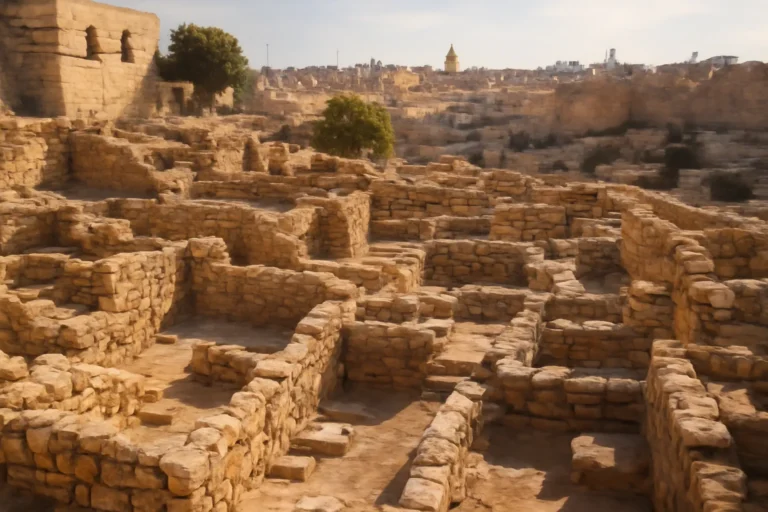
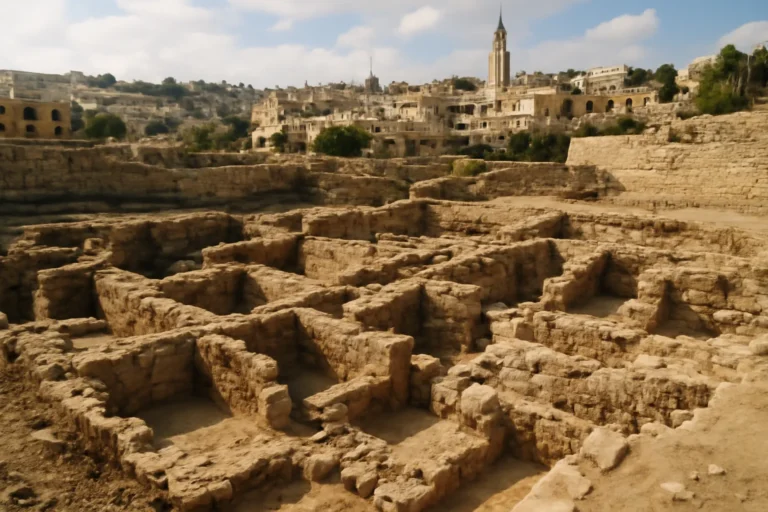
The site sits on a slope just south of the Old City walls of Jerusalem, with the modern understanding that it anchors a long sequence of human occupation. In ancient times, this hillside area housed a number of settlements that would eventually be linked to an early urban center. The City of David has long been revered in religious and literary traditions as the cradle of foundational narratives, yet its physical remains offer a parallel, secular history about how a city-state grew, governed itself, and connected with neighboring districts. The archaeology of the area is not a single discoverable monument; rather, it is a palimpsest of architecture, water systems, refuse middens, and artifact deposits that span multiple centuries. Researchers must read the terrain carefully to distinguish between later structures and earlier phases, a task that has occupied generations of investigators and produced a sequence that is now widely recognized by scholars and museum curators alike.
What the excavations have revealed: a spectrum of discoveries
Across the broader landscape of the City of David archaeology, several discoveries stand out for their scale, their insight into ancient daily life, and their capacity to inform debates about chronology and political organization. Below are some of the most cited features and finds, with notes on their interpretive significance.
Water systems and urban resilience: Hezekiah’s Tunnel, Siloam, and the water strategy
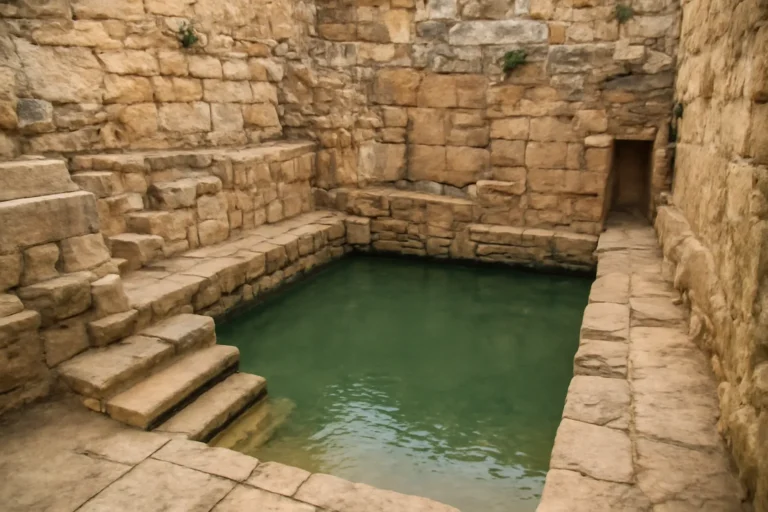
One of the most dramatic themes in City of David archaeology is the demonstration of sophisticated water management. The water system within the city, including the tunnel commonly associated with King Hezekiah’s reversal of the water supply during a siege, reveals how an ancient metropolis secured its lifeline. The parallel discovery of the Siloam Inscription in the vicinity, which records inspection and work on the channel, provides a rare textual anchor for the engineering achievements of the period. Together, these elements highlight a political economy that prioritized secure access to fresh water, enabling sustained urban growth even under pressure from rival polities. Modern visitors often encounter reconstructions and walk-throughs that convey the scale and ingenuity of the subterranean channel, but the academic value lies in the careful stratigraphic context and the cross-dating with other Iron Age materials recovered from nearby trenches.
Fortifications and urban defense: the Broad Wall and associated barriers
A second major strand in the archive of the City of David archaeology concerns fortifications. The Broad Wall, a thick, early-built wall identified in the lower precincts, is frequently cited as evidence for a centralized authority capable of mobilizing labor and resources for defensive works. Its dating and relationship to other city walls is a topic of ongoing research, but the feature remains a touchstone for scholars who seek to understand Jerusalem’s defensive architecture in the late Iron Age. The presence of such walls indicates not only a need for security but also a demonstration of municipal power and communal organization that could coordinate large-scale construction projects.
Terraces, platforms, and the Stepped Stone Structure: evidence of urban planning
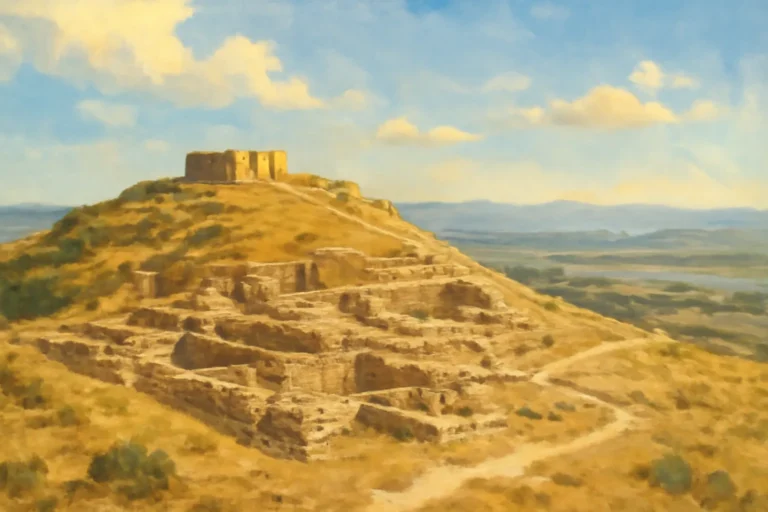
Another striking element of the archaeological narrative is the presence of terrace systems and monumental platforms that reconfigure the hillside into a more coherent urban fabric. The so-called Stepped Stone Structure appears as a carefully engineered terrace that supports buildings and streets above and below. Debates continue about the exact dating and function of this feature—whether it served as part of a defensive complex, a retaining wall for agricultural terraces, or a ceremonial platform—but most scholars agree that it marks a sophisticated pattern of land use and construction that speaks to a society with technical knowledge and social organization capable of coordinating masonry on a noticeable scale.
Monumental remains and the debate over polity: Large Stone Structure, possible palace or public building
The Large Stone Structure occupies a prominent place in discussions about the political life of ancient Jerusalem. Its vast masonry and layout prompt interpretations ranging from a royal residence to a civic edifice that served as a seat of authority or a public complex. While the precise function remains debated, the structure is widely recognized as one of the largest architectural features uncovered in the City of David archaeology and is often cast into the broader narrative of Jerusalem’s early urbanism and state formation. The ongoing study of its architectural sequence, artifacts found within, and its relationship to adjacent streets helps researchers reconstruct how space and power were organized in a polity that prefigured later urban centers in the region.
Living spaces, domestic artefacts, and daily life: household levels and bystander finds
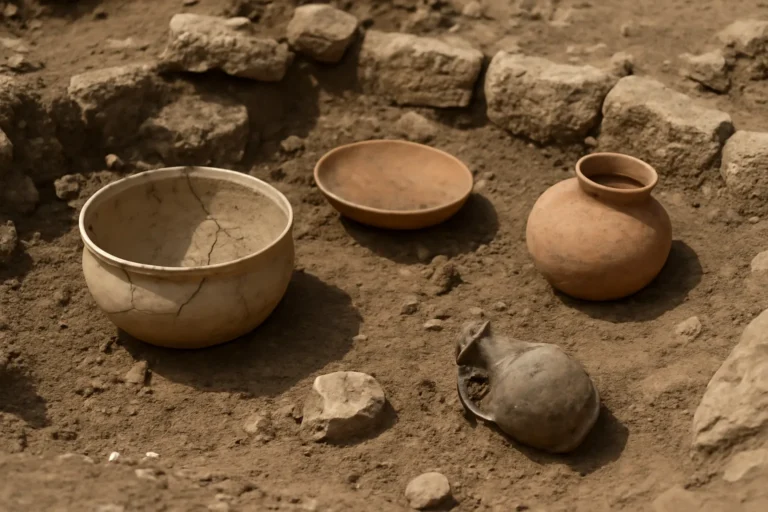
Beyond monumental architecture, the excavations of the City of David archaeology have yielded a host of domestic remains—stoneware, cooking vessels, and everyday tools—that illuminate the rhythms of daily life. Households, courtyards, and storage rooms appear in sequence, sometimes with layers that reflect changes in ownership, occupation, and material culture. The recovered artefacts, when contextualized within the stratigraphy of the site, reveal patterns of diet, trade, and technology that tie the City of David to broader patterns across the southern Levant. These details matter because they ground larger historical narratives in material evidence and help archaeologists test hypotheses about the scale of urban life in the region during different periods.
Excavation history and key campaigns: who dug what and when
The City of David dig is not the work of a single expedition or era. Over the decades, a succession of campaigns—led by a blend of local, national, and international teams—has contributed to a layered understanding of the site. Some of the most influential strands include the mid-to-late 20th century efforts, the late-20th to early-21st century urban excavations in and around public-facing areas, and ongoing projects that integrate modern technology with traditional stratigraphy. The narrative below highlights the broad trajectory rather than a complete catalog of every trench or dig season, but it underscores the cumulative nature of this field and its tendency to cross methodological lines, from archaeological fieldwork to heritage management and public interpretation.
First peak discoveries and the pioneers of fieldwork
In the early phases of City of David archaeology, early survey work and excavations laid the groundwork for understanding the sequence of occupation. These initial efforts recognized the hill as a multi-period site and revealed that the area had been settled long before the iconic biblical narratives were ever written down. The early investigators established a framework for identifying cultural layers, recording material culture, and distinguishing between different construction techniques that would later be refined by more systematic campaigns. While the early decades faced challenges of preservation, access, and documentation, they were essential for establishing the site’s importance within Jerusalem’s urban history.
Late 20th-century campaigns: urban digs and new priorities
During the late 20th century, researchers broadened the scope of the City of David archaeology to include not only monumental architecture but also urban infrastructure, waterworks, and stratigraphic sequences that could be correlated with periods across the Iron Age and earlier. These campaigns increasingly emphasized meticulous recording, stratigraphic control, and the integration of discoveries with textual sources from biblical and other ancient literature. The shift toward a holistic urban archaeology allowed scholars to chart how the city evolved as a living space with religious, economic, and political dimensions, rather than simply as a repository of monumental remains.
Cutting-edge campaigns in the 21st century: technology and public engagement
In recent decades, the archaeology of the City of David has embraced technological advancements that enhance dating and interpretation. Techniques such as high-precision dating methods, GIS mapping, and photogrammetry have become more common, and they complement the traditional field methods. The public-facing dimension of the work has also grown, with interpretive trails, museums, and multimedia presentations that bring visitors into direct contact with the discoveries. This new mode of engagement helps bridge scholarly discourse and public understanding, ensuring that the discoveries are accessible to students, researchers, and tourists alike.
Methods and approaches: how the work is done in the City of David archaeology
Effective interpretation in this field depends on a combination of careful excavation practice, contextual analysis, and transparent reporting. The work often unfolds in layered contexts where later periods intrude upon earlier ones, so stratigraphic clarity is critical. Some of the methodological pillars of the site include:
Stratigraphy: Establishing a clear sequence of layers to separate periods of occupation and to understand how later renovations may have altered earlier structures.
Typology of pottery, tools, and architectural elements to help date finds and compare with other sites across the region.
Typology of inscriptions and stamps, where present, to glean information about political or religious life.
Architectural analysis to interpret the function of buildings, walls, staircases, and public spaces within the urban fabric.
Environmental data such as seed impressions, charred residues, and faunal remains that illuminate diet, agriculture, and trade networks.
Geophysical surveys and non-invasive techniques that allow researchers to map subsurface features without extensive trenching, preserving the integrity of the site.
Documentation and open data that promote reproducibility, peer review, and accessibility for scholars around the world.
Interpreting the finds: what they tell us about Ancent Jerusalem
The discoveries at the City of David archaeology site provide a window into the urbanization processes of a city that sat at a crossroads of trade, culture, and religion. The convergence of water supply engineering, public architecture, and fortifications points to a society that could mobilize labor for infrastructure, defend its boundaries, and sustain dense populations. The evidence of storage facilities and domestic debris within certain households hints at a complex social hierarchy, where certain neighborhoods harbored specialized crafts or economic activities. When integrated with textual sources and broader regional archaeology, the site contributes to our understanding of how a small urban center could function as a political and ceremonial hub within a larger territorial framework.
Conversations, controversies, and debates: differing readings of the data
As with many foundational archaeological sites, the City of David has sparked debates about chronology, interpretation, and the relationship between archaeological material and biblical narratives. Some of the most discussed questions include the dating of major structures, the interpretation of monumental architecture as royal palaces or administrative centers, and the degree to which the site preserves a continuous, unbroken sequence of occupation. Critics sometimes question the links drawn between certain inscriptions and specific historical figures, while supporters emphasize the consistency of the material assemblage with established regional sequences. These discussions are not merely academic; they shape how museums present the findings, how educators frame the history of Jerusalem, and how local communities engage with their past. A robust field practice in City of David archaeology requires ongoing critical dialogue among archaeologists, historians, theologians, and the public.
Ethics, preservation, and the responsibility of stewardship
Because the City of David site is part of a living urban landscape and a democratic heritage space, the ethics of excavation and conservation are central to its practice. Ethical questions include the treatment of human remains when present, the management of delicate micro-stratigraphic contexts, and the decision-making process about which trenches to open or close to the public. Preservation strategies must balance scientific inquiry with the protection of intellectual and physical heritage. Public access is essential for education and cultural identity, but it must be managed to minimize disruption to ongoing research and to safeguard fragile features such as subterranean tunnels and ancient stairways. The professionals who work in this field emphasize transparent reporting, careful curatorial practices, and collaboration with local communities and authorities to ensure a sustainable balance between discovery and stewardship.
Educational value and public engagement: learning from the City of David archaeology
For students, educators, and curious visitors, the City of David site offers a compelling case study in how archaeology reconstructs the past. The discoveries provide tangible touchpoints for discussions about:
How archaeology tests hypotheses about ancient urban life and state formation.
The relationship between water engineering and political power in ancient societies.
How material culture, such as pottery and inscriptions, can be used to deduce daily routines and long-distance trade networks.
Methods for interpreting complex stratigraphy and the challenges posed by later renovations and reuse of space.
Ethical considerations in managing a site that is important to multiple communities and faith traditions.
Future directions: what lies ahead for this field of study
Ongoing work at the City of David site is likely to continue refining the chronology of major structures, identifying additional public spaces, and integrating new technologies to create more precise maps of the ancient city. Researchers may expand the use of non-invasive surveying to discover buried networks of streets and wells beyond the currently active trenches. Enhanced collaboration with international scholars and institutions could yield more nuanced interpretations of how this urban landscape interacted with nearby centers and with the broader ancient world. Visitors might see extended interpretive installations that connect physical remains with digital reconstructions, helping people visualize how the ancient city would have looked and functioned in different eras.
Practical notes for readers and researchers interested in the City of David archaeology
For those who wish to engage with the archaeology of the City of David beyond quick tours, a few practical considerations help maximize understanding and appreciation:
Consult multiple sources: archaeological reports, museum catalogs, and peer-reviewed articles complement popular summaries and provide a fuller sense of the evidence and uncertainties.
Respect site protocols: underground features can be fragile; guided tours often reflect the latest conservation practices and interpretive frameworks.
Follow updates on dig seasons: campaigns may adapt in response to new findings, funding changes, or preservation needs.
Engage with complementary sites: the City of David archaeology sits within a complex landscape of Jerusalem’s ancient neighborhoods; cross-referencing with neighboring excavations enriches interpretation.
Looking back and looking forward: the broader significance of this work
Overall, the explorations within the City of David narrative contribute to a broader understanding of how ancient urban centers emerged in the Levant. They illuminate a city with a long memory, where layers of occupation, religious practice, and political ambition accumulate in a way that is visible to excavators today. Whether the question is about the architectural scale of a public complex, the engineering rationality behind a water channel, or the way a city wall frames social life, the archaeology of the City of David offers a powerful set of evidence. As a site, City of David archaeology challenges simplistic readings of Jerusalem’s past and invites a nuanced dialogue about continuity and change in one of the world’s most studied urban spaces.
Glossary of key terms in City of David archaeology
Siloam Tunnel: a water channel cut to bring water into the city, often associated with Hezekiah’s reforms and siege defense.
Siloam Inscription: ancient text linked to the tunnel’s construction, providing critical diachronic data.
Stepped Stone Structure: a terrace formation that demonstrates engineering and urban planning on the hillside.
Broad Wall: a defensive wall feature that speaks to the period of fortification and city planning.
Large Stone Structure: a monumental building whose function remains debated but which signals political or civic significance.
Givati Parking Lot excavations: a notable field project that revealed earlier occupation layers and urban remains in a modern excavation context.
As with any major archaeological site, the City of David remains a locus of inquiry where new discoveries and reinterpretations can shift our understanding. The interplay between fieldwork, laboratory analysis, and public scholarship ensures that City of David archaeology remains a dynamic, evolving discipline. The next phases of excavation and interpretation will likely refine existing narratives and may reveal new corridors of life that inhabited Jerusalem’s southern heritage for centuries. In the end, the city’s subterranean secrets continue to shape how scholars and readers conceive of urban development, sacred space, and social organization in the ancient Near East.