Synagogue Worship on Sabbath: A Comprehensive Guide to Saturday Services
Synagogue Worship on Sabbath: A Comprehensive Guide to Saturday Services
Across Jewish communities around the world, Shabbat worship in the synagogue stands as a centerpiece of communal life, study, and prayer. While the Sabbath spans from Friday evening into Saturday night, the heart of the religious ritual unfolds on the morning and afternoon hours of Saturday or Shabbat day. This guide offers a thorough overview of Saturday services, their historical roots, their liturgical structure, and the ways in which individuals—whether new to synagogue life or returning after years of attendance—can participate with understanding and reverence. By exploring both the universal elements and the diverse customs that shape synagogue worship on the Sabbath, readers gain a fuller sense of how communities honor rest, memory, and meaning in the weekly cycle.
Shabbat worship on the Sabbath is organized around a sequence of services and readings that reflect biblical commands, rabbinic elaboration, and the musical tradition of the Jewish people. At its core, the Friday night and Saturday daytime liturgy is designed to sanctify the day, elevate prayer, and connect the congregation to Torah, to God, and to one another. In many communities, the Saturday morning service and the Musaf service that follows offer a particularly rich moment for reflection, study, and public reading. The practice of gathering in a community house of prayer reinforces shared values such as hospitality, learning, and mutual respect, while offering space for diverse prayer styles and melodies.
It is important to recognize that there are variations in how Sabbath worship is conducted in different settings—orthodox, conservative, reform, reconstructionist, and traditional communities each maintain core elements while adapting certain details to fit tradition, interpretation, and language. Yet even amid these differences, several through-lines remain constant: a reverent atmosphere, a cadence of blessing and gratitude, and a repeated invocation to remember and observe the holiness of the day. When visitors attend a new synagogue, they may hear unfamiliar tunes, see different ritual items in use, and encounter a distinctive order of services; nevertheless, the underlying purpose of Saturday prayer endures: to pause the ordinary week, to acknowledge the covenantal relationship with God, and to learn from the sacred text read aloud in the presence of the community.
Key elements and structure of the Saturday morning service
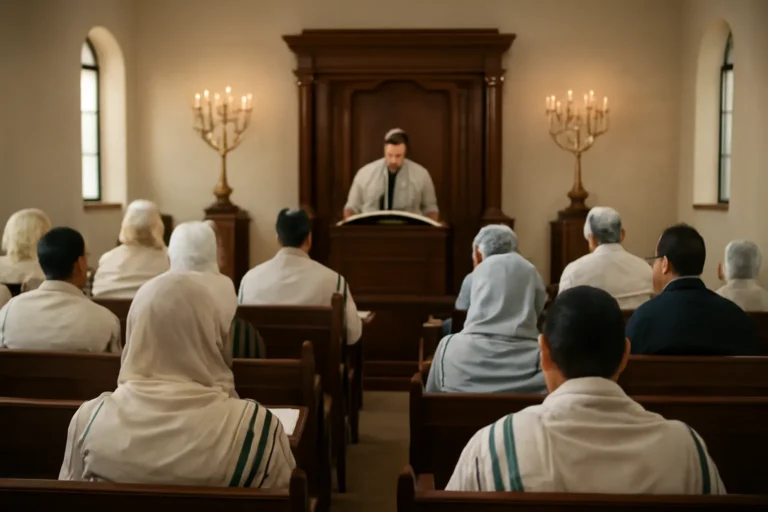
For many people, the centerpiece of Saturday worship is the morning service, which typically unfolds in a defined sequence. While the exact order may vary, most congregations share a recognizable framework that includes joyful opening songs, Scriptural passages, prayerful readings, and the public Torah reading. The following overview provides a practical map of the common rhythm you are likely to encounter during Shabbat morning.
Opening prayers and psalms: Pesukei Dezimra and welcome
Most Sabbath morning services begin with a period of praise and blessing that serves as a preparation for deeper liturgy. In many communities, this phase includes verses from Psalms and other biblical poems, along with blessings over the Torah scrolls and the sanctity of prayer. This section often features attendees standing and, in some settings, occasionally singing along with a familiar melody. The primary purpose of these opening prayers is to uplift the heart and focus the mind on the divine presence and the beauty of communal worship.
Declaration of faith and showering of blessings: Shema and its blessings
Following the initial songs, worshipers recite the Shema, a central declaration of faith that affirms the unity of God and the obligation to love God with heart, soul, and might. The Shema is typically accompanied by a sequence of blessings before and after it, including passages of praise and gratitude. This portion serves as a bridge between the introductory prayers and the more lengthy components that follow, and it is often a moment of quiet concentration within the communal space.
The core prayer service: Shacharit
The heart of the Sabbath morning service is the Shacharit prayer, which combines liturgical poetry, biblical verses, and rabbinic blessings. In many congregations, Shacharit unfolds in a series of named sections, each with its own purpose and cadence. For example, the cantor (hazzan) or prayer leader guides the congregation through recurring phrases and invocations, while the community responds with traditional refrains. The overall mood of Shacharit is one of balance—a blend of solemnity and joy, petition and praise, contemplation and communal affirmation.
Within Shacharit, several elements deserve particular attention:
Pesukei Dezimra: A collection of introductory prayers and praises, often including psalms and blessings.
Shacharit blessings: A sequence of blessings acknowledging God, the Torah, and the community of Israel.
Shema and its blessings: The central declaration of faith paired with a blessing pair that frames the Shema.
Amidah (also called the Standing Prayer): A silent, standing prayer recited by congregants individually, with the rabbi or cantor leading communal repetition in some traditions.
Reading of the Torah portion (when scheduled for that week)
In addition to the textual content, the accompaniment of cantillation (the musical notes of Torah and Haftarah cantillation) gives the prayers a distinctive cadence. The musical tradition varies by community and lineage, with Ashkenazi and Sephardi melodies offering different flavors, cadences, and tempos that reflect centuries of shared experience.
Torah reading and the public aliyah
A distinctive feature of the Saturday morning service is the Torah reading. The Torah scroll is taken from the ark, carried around the synagogue, and presented for public reading. Participants are called to the bimah by name to receive an aliyah, meaning an honor of reading a portion of the weekly Torah text. The reading usually includes:
The public Torah reading of the week’s parashah (or a portion of it).
Maftir, the final reading that refers to the concluding verses.
The Haftarah, a reading from the Prophets that follows the Torah portion in most traditions.
The process of aliyot (plural of aliyah) fosters participation and communal responsibility. Individuals and families may have the opportunity to chant or recite blessings before and after their reading. In many communities, the Torah chanting is a skilled art, and sometimes lay readers will prepare ahead of time to ensure a respectful and accurate rendition of the cantillation marks. For visitors, watching the procession of the Torah and the reception by the congregation can be a moving moment in the service.
Following the Haftarah, there is often a short homily or Dvar Torah—brief teaching or reflection drawn from the weekly portion. This moment bridges the public reading with deeper interpretation and practical application for daily life.
Musaf: the additional Sabbath liturgy
One of the distinctive features of Shabbat is Musaf, the additional service that recalls the biblical account of extra offerings presented in the Temple on festival and Sabbath occasions. In the modern synagogue, Musaf is an extra blessing section within Shacharit rather than an entirely separate service. It emphasizes themes of memory, gratitude, and renewal, acknowledging God’s ongoing creation and the sanctity of the day. The Musaf service typically includes recitations, additional prayers, and urban poetic liturgical pieces that celebrate the Sabbath’s unique status as a day sanctified by covenant.
The Shabbat afternoon service and the day’s closing moments
In many communities, the Sabbath continues with an afternoon service known as Mincha, sometimes accompanied by a brief Maariv service later in the evening on Saturday night. The afternoon prayers are usually shorter than the morning services but carry an important sense of closure and gratitude for the day’s sanctity. The Mincha service often includes additional psalms and prayers that reflect the waning light and the transition back toward the ordinary weekday routine. The evening Maariv, when it occurs, closes the Sabbath in a reverent manner and marks the boundary before the ordinary week resumes.
Havdalah: marking the end of Shabbat
At the conclusion of Shabbat, many communities perform Havdalah, a brief but meaningful ceremony that separates the holy day from the weekday week ahead. Havdalah typically involves lighting a multi-wicked candle, blessing wine or grape juice, and saying blessings over spices to recall the sweetness of Shabbat as the moment passes. The phrases of Havdalah underscore a division between sacred time and ordinary time, while inviting a sense of continuity with the week to come. In some places, Havdalah is followed by socializing, study, or a light meal, extending the sense of community beyond the formal services.
Customs, tunes, and variations across communities
One of the most striking features of synagogue worship on the Sabbath is its rich diversity. Across Ashkenazi, Sephardi, Mizrahi, and other Jewish traditions, communities preserve an array of customs that color the Saturday services with distinctive melodies, prayer rhythms, and ritual practices. While the essential prayers tend to be shared, the way they are said, sung, or lit with ritual items can vary significantly. Here are some common axes of variation you may encounter:
Prayer language: Hebrew remains central, but some congregations blend Hebrew with local languages for certain readings, songs, or explanations to improve accessibility for all worshipers.
Musical styles: Cantors and congregants contribute a spectrum of melodies—from solemn, modal chants to lively, modern tunes—reflecting historical roots and contemporary aesthetics.
Ritual items: The use of prayer shawls (tallit), phylacteries (tefillin), and decorative Torah mantles varies by tradition and community norms.
Order of readings: Some communities emphasize a fixed weekly cycle for Torah portions, while others follow annual or triennial cycles.
Gender roles and participation: Practices around who leads, who can be called to the Torah, and how many aliyot are allotted to women or men differ across denominations and communities.
In practice, visitors should be aware that a warm, respectful attitude goes a long way. Even if a particular practice feels unfamiliar, approaching the service with curiosity and patience can be part of the learning experience. For many people, discovering how a local congregation experiences the Sabbath ritual becomes a meaningful entry point into Jewish communal life and a richer appreciation for the diversity within the broader tradition.
Roles and participation: who does what during Saturday services
Worship in the synagogue on Shabbat is a collective enterprise that involves clergy, lay leaders, and the broader congregation. Understanding the roles can help first-time attendees participate more confidently and respectfully.
Cantor or prayer leader: Guides the musical and liturgical flow, chants cantillation, and often delivers the sermon or Dvar Torah.
Rabbi or spiritual leader: Offers teaching, leads portions of the service, and provides pastoral guidance for the community.
Gabbai or aid to the Torah: Assists with the Torah service, coordinates aliyot, and ensures that the scroll is treated with reverence.
Ambassadors of hospitality (often volunteers): Welcome visitors, provide siddurim (prayer books), and help with seating and accessibility needs.
Congregants: Engage in prayer, respond to congregational readings, and study Torah both in the morning and during study sessions that may accompany the service.
Participation does not require mastery of every liturgical line. Many communities welcome people to stand, bow, or sing as they feel comfortable. For those seeking to deepen their participation, a few practical suggestions help:
Arrive a little early to locate a siddur, a prayer book, and a seat. If you are unsure, ask a member or a greeter for guidance.
Observe the congregants’ responses to blessings and blessings’ placement during the service. This can help you know when to say Amen or to respond.
When reading from the Torah, follow along in a transliteration or translation if needed. Don’t hesitate to listen first and gradually join in the chanting as you feel comfortable.
Respect sensitive moments such as the public readings, blessings before and after the Torah portions, or moments of quiet reflection during the Amidah.
Ask questions after the service or during designated study times. Most communities welcome inquiries about the liturgy, customs, or texts.
Religious texts and liturgical language: what you’ll encounter
The Saturday Sabbath service is anchored in traditional liturgy, with texts drawn from the Torah, the Prophets, and a broad collection of liturgical poetry and scriptural commentary. The Hebrew text is complemented by translations and occasional transliterations to aid understanding. Here are some key terms and their meanings to help you navigate the service:
Siddur: The Jewish prayer book used for daily and Shabbat services; it contains the core prayers, blessings, and readings for the day.
Torah scroll: The handwritten scroll containing the Five Books of Moses, read publicly during the Torah service on festival and Sabbath days.
Haftarah: A reading from the Prophets following the Torah portion, usually linked thematically to the parashah.
Aliyah: The honor of being called to the Torah to recite blessings before and after the reading.
Amidah or Shemon Esrei: The central silent prayer of the service, recited standing with a series of blessings.
Kiddush and Havdalah: Ritual blessings that mark the transitions between holy time and ordinary time (Kiddush is often observed on Friday night and Saturday lunch or during a meal; Havdalah marks the end of Shabbat).
In addition to these terms, many communities incorporate songs, piyyutim (liturgical poems), and modern readings that reflect contemporary life while remaining anchored in traditional frameworks. The balance between Hebrew liturgy and the vernacular language of the congregation may vary, but the central purpose remains the same: to sanctify the day, sustain memory, and cultivate communal connection through shared prayer.
Visiting and practical tips for first-timers
Attending a Sabbath morning service for the first time can be a meaningful, uplifting, and occasionally challenging experience if you are not familiar with the customs. Here are practical tips to help you engage respectfully and with greater ease:
Arrive early to absorb the atmosphere, find a seat, and observe the flow of the service.
If you are unsure about when to stand, sit, or respond, follow the crowd and rely on cues from the prayer book or the person next to you.
Keep conversations to a respectful volume and avoid disruptions during readings or blessings.
Dress modestly and remove hats or head coverings if the customary practice of the community requires it for men, women, or both.
Ask questions after the service or during designated study sessions; most congregations appreciate curious participants who want to learn.
Bring a siddur if you have one, or request a loaner from the congregation. Many synagogues provide transliterations or English translations to accompany the Hebrew prayers.
If you come from a different faith tradition or are new to Jewish prayer in general, you may notice the sense of order, the emphasis on memory, and the cumulative effect of the weekly cycle. These qualities are designed to create a stable rhythm in life and to cultivate a shared sense of purpose and belonging. Do not hesitate to observe, listen, and participate at a pace that feels comfortable for you.
Educational opportunities and study aligned with Saturday worship
Beyond the formal prayers, many congregations pair Shabbat services with study sessions, commentaries, and classes designed to deepen understanding of the weekly Torah portion, rabbinic interpretation, and Jewish ethics. These educational offerings often occur before or after services, or during a dedicated study hour on Shabbat afternoon. Some common formats include:
Dvar Torah: A short spoken interpretation or reflection on the Torah portion, presented by the rabbi, a guest speaker, or a lay leader.
Torah study circles: Informal groups that discuss insights from the weekly parashah, sometimes in English or the local language alongside Hebrew sources.
Siddur companion classes: Sessions that explore the meaning of specific prayers, their history, and how they fit into the broader structure of the service.
Minyan and study partnerships: Small groups that meet to recite certain prayers or portions together, fostering a sense of accountability and friendship.
For families and children, many synagogues offer age-appropriate programming during Shabbat, such as storytelling, Hebrew school activities, or supervised study that connects the day’s themes to daily life. These experiences help younger generations internalize the values and rituals of Sabbath worship and make Saturday a meaningful opportunity for learning and growth alongside prayer.
Historical development and theological context
The practice of Sabbath observance in the synagogue has deep historical roots. The Sabbath, first commanded in the Torah, evolved over centuries as Jewish communities sought to unify daily life around sacred time. The formalization of weekly prayers and the inclusion of Torah reading on Shabbat emerged through the influence of rabbinic authorities who sought to translate biblical directives into a living, communal practice. The Saturday service, as we know it today, reflects an accumulation of liturgical traditions—from the early synagogue prayers to medieval and modern cantorial movements to contemporary reform and reconstructionist approaches.
Understanding this historical arc can deepen one’s appreciation for the Saturday services: they are not merely routine rituals but living expressions of covenantal memory, communal responsibility, and ongoing interpretation. The rhetoric and structure of the liturgy have adapted to different eras and contexts, but the essential aim remains: to sanctify time, to elevate prayer, and to bind the community through shared language, song, and study.
Ethical and spiritual themes expressed in Sabbath worship
Across the diverse landscape of Synagogue worship on Shabbat, several core themes recur, shaping how participants experience Saturday services:
Holiness of time: The day is set apart to focus on God, family, and community, creating a rhythm that distinguishes sacred time from the ordinary week.
Memory and covenant: Liturgy recalls sacred events—Creation, the Exodus, Sinai—and reinforces the covenantal obligations that bind the community.
Justice, mercy, and ethical aspiration: The prayers frequently touch on social justice, kindness, and moral responsibility toward others.
Study as worship: The inclusion of Torah study alongside prayer underscores the belief that learning and action are central to religious life.
Hope and renewal: The Sabbath is a weekly reminder of renewal, rest, and the possibility of personal and communal transformation.
How to think about variations in Sabbath worship styles
Because Judaism encompasses a range of communities with distinct cultural legacies, the Saturday services you encounter may feel both familiar and different. Rather than viewing these differences as obstacles, consider them as varied expressions of the same core ideas. The diversity in language, melody, and ritual emphasizes that the Sabbath is not a monolith but a shared spiritual project that invites participation from many backgrounds and perspectives.
When exploring a new synagogue, you might hear:
Different melodies for prayers and Torah chanting, reflecting regional musical traditions.
Variations in the number of aliyot and the way the Torah is read aloud during the service.
Occasional intentional shifts in language, such as the inclusion of local terms or English translations alongside Hebrew texts to facilitate understanding.
Distinct customs surrounding the blessing of wine, bread, spices, or candles, depending on local culture and family practice.
Engaging with these differences respectfully can open doors to a deeper sense of Jewish community and history. If you are curious about a particular practice, consider asking a knowledgeable member or attending a dedicated study session that delves into the tradition you are curious about. This approach helps cultivate mutual respect and lifelong learning within the diverse universe of Sabbath worship.
Whether you are a first-time guest or a long-time participant, maintaining reverence during Saturday services helps safeguard the sanctity of Sabbath worship for everyone present. A few practical guidelines can support this goal:
Turn off or silence mobile devices to minimize interruptions during prayers and readings.
Acknowledge others’ space and posture—standing, bowing, or lifting a hand at a blessing are cultural cues that signal reverence.
Respect moments of stillness, which often accompany blessings or contemplative readings.
Avoid engaging in loud conversations or disruptive actions during the Torah service or reading.
Be open to learning—the Sabbath service can be a gateway to understanding Jewish liturgy and communal life more deeply.
For readers who want to explore Sabbath worship on the Saturday timetable in more depth, a variety of resources—ranging from classical commentaries to contemporary guides—offer valuable insights. Consider the following avenues as starting points for further study:
Classical rabbinic texts on liturgy and Sabbath observance to gain historical context.
Siddurim and their commentaries, which illuminate the prayers’ structure and the spiritual aims behind each section.
Commentaries on Torah portions and Haftarah readings to understand the interpretive meanings that accompany public readings.
Academic articles and contemporary studies on synagogue worship, cantorial leadership, and modern liturgical reform.
Whether reading in a library, attending a scholarly lecture, or participating in a study circle at your local synagogue, engaging with these materials can deepen your appreciation for the Sabbath’s rich liturgical tapestry and enhance your own experience of Saturday worship.
The synagogue worship on the Sabbath is a remarkable blend of tradition, communal life, and spiritual aspiration. It invites worshippers to pause, to listen, and to participate with intention. The accumulated hours of Shabbat prayer, Torah study, and peaceful fellowship offer more than ritual structure; they provide a framework for meaningful encounter—with the divine, with fellow human beings, and with one’s own inner life. For many, the Sabbath becomes a living classroom where the lessons of compassion, humility, gratitude, and justice are practiced in real time among a community of peers, family, and strangers who become friends.
Whether you come to a synagogue each week or visit for a single Saturday morning, you may find that the experience grows more meaningful with deliberate attention to the liturgical sequence, the call to Torah, the beauty of the melodies, and the warmth of communal welcome. In the end, the practice of Shabbat worship—in its many forms and expressions—offers a sustained invitation to rest, reflect, and renew with a sense of hopeful purpose for the days ahead.




Leave a Reply