Blowing the Shofar Significance: Meaning, History, and Practices Behind the Jewish Trumpet
The shofar, a ancient horn blown during Jewish prayer and ritual life, occupies a unique place in religious culture. Unlike other musical instruments, the shofar carries a deeply rooted purpose that blends call to repentance, remembrance, and communal awakening. Its sounds evoke memory, tradition, and a shared moral horizon across generations. In this article, we explore the meaning behind the blowing of the shofar, trace its historical roots, and examine the diverse practices that surround its use in Jewish worship, education, and public life.
What the Shofar Represents
To understand the blowing the shofar significance, one must first grasp the symbol at its core. The shofar is more than a musical instrument; it is a conduit for spiritual signals, a reminder of past covenants, and a catalyst for personal and communal reflection. Across centuries, the act of sounding the shofar has been tied to several core ideas:
Repentance and moral awakening: The shofar’s blasts are often described as emotional cues that encourage people to examine their actions, mend their ways, and return to ethical paths.
Memory of divine revelation: The audible wake-up call reminds congregants of past events—the giving of the commandments and the ongoing relationship between God and the people of Israel.
Alarm and liberation: The shofar is historically linked to moments of peril and deliverance, signaling a collective turning point when faith and courage are summoned.
A call to justice and ethical conduct: Beyond personal introspection, the sounds invite communities to strive for justice, compassion, and fairness in social structures.
Hope and renewal: The shofar also embodies the possibility of renewal, a future horizon in which communities repair and rebuild what is broken.
Different traditions around the world have emphasized distinct facets of this symbol. In some communities, the shofar’s jagged, urgent notes serve as a soundtrack for self-scrutiny; in others, the long, triumphant blasts mark a hopeful cadence toward reconciliation and new beginnings. Across centuries, the interpretive breadth of shofar blowing has allowed it to function in multiple dimensions of Jewish life—from synagogue liturgy to civic gatherings, from study halls to family rituals.
Historical Roots and Biblical Context
Ancient Near Eastern Traditions
Long before the rabbinic period, horn blasts in various ancient cultures served public and ceremonial purposes. The shofar of Jewish tradition was shaped by these broader horn-blowing practices, yet it developed a distinctive repertoire of meanings within the biblical and later rabbinic imagination. The ram’s horn, hollowed and shaped, became a vessel for voice and vow in a people who valued communal prayer as a shared act of accountability. The purpose was never merely musical; it was an instrument to call people to collective focus, to remind them of obligations, and to mark thresholds of time—especially times of judgment and renewal.
Biblical Mentions and Theological Themes
In the Hebrew Bible, the shofar is linked to pivotal moments and sacred rhythms. It is mentioned in contexts of coronation, war, and revelation, and it appears as a sign of divine sovereignty and human responsibility. The retellings emphasize that shofar blasts can signify both divine awe and human contrition. For example, the sounding of the shofar at particular holy days is connected to the recognition of moral accountability, the restoration of worship, and the sanctification of time itself. Over time, rabbis and scholars expanded the shofar’s legal and liturgical roles, clarifying when and how it should be blown, by whom, and under what conditions.
Evolution into Liturgical Practice
During the centuries, the practice of blowing the shofar became woven into Jewish liturgy, especially on Rosh Hashanah—the Jewish New Year—and occasionally on other occasions such as Yom Kippur and Sukkot. The act acquired ceremonial grammar: specific sequences of sounds, defined times for soundings, and a clear sense that the shofar’s voice is a shared message to the congregation. In addition to the sacred calendar, the shofar came to symbolize a public proclamation—an audible call to seek justice, to repent, and to recall the covenantal relationship with the divine. The historical trajectory shows a movement from ancient ritual sound toward a deeply symbolic practice embedded in communal worship and personal devotion.
Across Jewish communities, the shofar’s significance manifests in varied but overlapping ways. It functions as a liturgical instrument, as a vehicle for education, and as a symbol that travels beyond the synagogue into civic and family life. The following sections highlight the ways in which blowing the shofar shapes spiritual practice, communal identity, and everyday ethics.
Liturgical and Covenant Significance
In formal worship, the shofar marks important moments in the prayer service. Its blasts punctuate petitions for mercy, calls to repentance, and expressions of yearning for restoration. The sound is not merely decorative; it is a spiritual language—a nonverbal sermon that translates moral longing into audible form. The rituals surrounding shofar blowing underscore the sense that time itself is sanctified, and that the community stands before the divine with honesty and humility.
Educational and Ethical Dimensions
Shofar blowing also functions as a powerful educational tool. For students and families alike, hearing the shofar can be a tangible lesson in humility, accountability, and social responsibility. In many settings, teachers and rabbis use the shofar to illustrate ethical ideas: consequences of actions, the fragility of communal harmony, and the call to repair the world through acts of justice and kindness. The educational value of the shofar remains a central pillar of its meaning in modern Jewish life.
Symbolic and Communal Identity
Beyond individual piety, the shofar strengthens communal memory and identity. In times of crisis or national reflection, communities gather to hear the shofar, uniting people across ages and backgrounds through a shared soundscape. The ritual space created by the shofar’s blasts fosters a sense of belonging and collective purpose, reminding participants that they are part of a long continuum of history and values upheld by generations before them.
Different Sounds and Their Meanings
The shofar is not a single-note instrument. Its repertoire of distinct sounds carries nuanced meanings. In traditional practice, several categories of blasts are used in sequence, each with specific purpose and emotion. Understanding these sounds helps illuminate the practical and spiritual significance of shofar blowing.
Tekiah – a long, straight blast that can symbolize clarity, completeness, or a call to attention. It is often heard as a moment of firm resolve or the opening of a solemn section of the service.
Shevarim – a series of broken or wailing blasts that convey lament, distress, or a sense of crying out. This sound invites introspection and emotional openness.
Teruah – a rapid sequence of short, staccato blasts that express urgency, alarm, or a plea for immediate action. It heightens the sense of stir and conscientious urgency.
Tekiah Gedolah – an extended tekiah at the end of a sequence, often used to punctuate finality, renewal, and the culmination of a period of introspection.
In many communities, these sounds are interwoven into a symmetrical pattern that accompanies prayers for mercy and renewal. The exact sequences can differ by tradition and by communal custom, but the underlying intention remains consistent: to awaken conscience, to call for repentance, and to invite hope for a restored relationship with the divine and with fellow human beings.
Practical Aspects of Shofar Blowing
While the symbolism is rich, the practice of blowing the shofar also involves practical, technical, and ritual considerations. This section outlines elements of preparing, performing, and integrating shofar blowing into worship and life.
Materials and Preparation
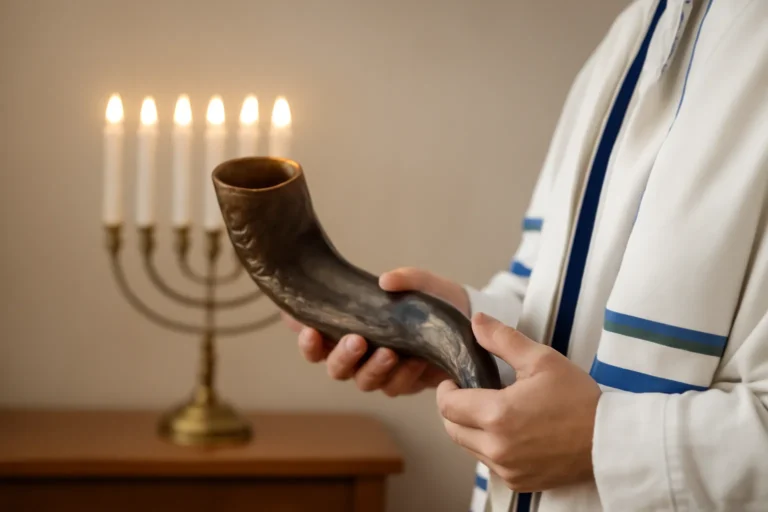
The traditional shofar is a ram’s horn, hollowed and prepared to produce a clear, resonant sound. In modern contexts, some communities also use synthetic or other animal horns to accommodate availability and ritual considerations. The important criterion is that the instrument be a proper horn capable of producing the four primary sounds described above. Preparation steps include:
Ensuring the horn is clean, dry, and free of obstructions in the airway.
Inspecting for cracks or damage that could affect sound quality or safety.
Aiming for a natural mouthpiece and a clean, unobstructed path for air.
Calibrating breath support and embouchure—a relaxed jaw, steady air flow, and a controlled embouchure to avoid strain.
Technique and Sound Production
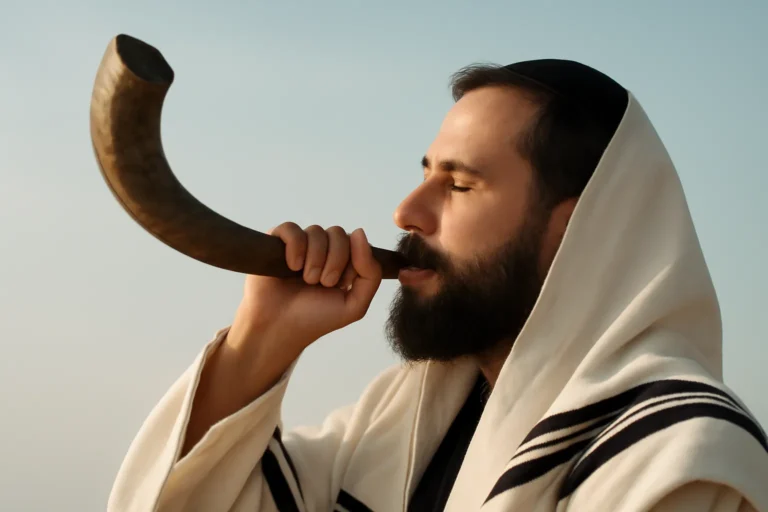
Producing the characteristic blasts requires a combination of breath control, lip tension, and mental focus. Practical guidance includes:
Starting with a deep breath to fill the lungs and prepare for a sustained exhale.
Positioning the lips to seal the horn’s mouthpiece with comfortable, even pressure.
Using a steady, controlled release of air to produce each blast type, paying attention to the shape and duration of the sound.
Practicing regularly in advance of services to develop a reliable and resonant tone.
In many traditions, the blowing the shofar is a role reserved for specific individuals, such as a trained cantor, a rabbi, or a lay leader with appropriate liturgical authority. Some communities allow laypeople to blow the shofar, especially during personal or family observances. In others, the responsibility may rotate among qualified congregants. Regardless of who blows, the intention remains to cultivate reverence and communal focus during the service and ritual moments.
Halakhic Considerations and Accessibility
Jewish law addresses questions about eligibility, conditions, and timing for shofar blowing. Key considerations typically include:
Who may blow the shofar (men and/or women) and under what circumstances.
Times during which the shofar may be blown, including the order of the service and the calendar day.
Requirements for intention (kavanah) and for the audience to be attentive and respectful during the blasts.
Accessibility for people with hearing or breathing challenges, and alternatives for those who cannot participate in the usual way.
In communities with diverse practice, consult a local rabbinic authority to understand how the shofar is to be observed within a particular halakhic framework. The emphasis is always on maintaining sacred intention, community safety, and the integrity of worship.
Shofar in Holidays and Occasions
The sounding of the shofar is most closely associated with certain holy days, yet its use can extend to other occasions of significance. Understanding the calendar and the contexts helps illuminate the broader shofar significance beyond a single day.
Rosh Hashanah: The central season for shofar blowing. The blasts announce the Jewish New Year, inviting reflection, repentance, and renewal for the year ahead.
Yom Kippur (in some traditions): While the solemn fast is the focus, the shofar also appears as a signal of closing prayers and the hope for divine mercy.
Sukkot (in many communities): The shofar can appear in certain parts of the festival prayers, enriching the sense of spiritual journey from judgment to harvest and thanksgiving.
Memorial and communal events: Some communities introduce the shofar to mark moments of remembrance, solidarity, or crisis, turning the trumpet-like voice into a unifying call for action and care.
Outside these contexts, the shofar may be sounded at educational programs, weddings, or other life-cycle events in certain communities, especially as an expression of connection to tradition and a call to ethical living. The emotional resonance remains the same: an audible reminder that time is sacred and responsibilities are real.
Global Traditions and Modern Practices
As Jews have established communities around the world, the practice of blowing the shofar has adapted to local climates, languages, and cultural landscapes. Yet certain core elements endure, creating a shared thread across continents and generations. This global perspective reveals how the shofar continues to be both a link to the past and a living, evolving rite.
Diaspora Communities
In North America, Europe, Africa, and beyond, shofar blowing appears in synagogue services, outdoor gatherings, and even in public ceremonies. In many places, large congregations gather on Rosh Hashanah for mass blasts that create a powerful auditory tapestry. The diaspora also fosters education and outreach initiatives—lectures, workshops, and youth programs that teach the meaning of the shofar to new generations and help preserve traditional melodies and sequences.
Liturgical Innovations and Adaptations
Some communities have introduced regional tunes or mnemonic phrases to guide the sequence of blasts, while others preserve ancient patterns with little variation. Modern scholars and hazzanut (cantorial) artists contribute to the repertoire by composing or adapting melodies that honor tradition while reflecting contemporary sensibilities. The result is a dynamic practice that maintains traditional roots while allowing for creative interpretation within respectful boundaries.
Educational Outreach and Interfaith Dialogue
In settings of interfaith dialogue, the shofar often serves as a bridge for understanding sacred sound and ritual intention. Demonstrations, exhibits, and shared learning experiences help illuminate how the shofar’s meaning—repentance, memory, and renewal—resonates across religious traditions while maintaining its distinct Jewish identity.
Beyond its liturgical uses, the shofar carries a wealth of symbolism in art, literature, and ethical reflection. Its imagery invites visitors to contemplate the moral atmosphere of a community and the responsibilities that rise from freedom, accountability, and covenantal life.
Symbol of leadership and authority: In biblical narratives, the shofar is associated with leaders who rally people, declare judgment, or announce a momentous decision. The sound is a reminder of the weight of leadership and the duty to guide with integrity.
Voice for the vulnerable: The shofar’s voice stands for justice and mercy, calling communities to protect the weak, feed the hungry, and heal divisions that threaten social harmony.
Temporal sanctity: The blasts mark sacred time, transforming ordinary days into a cycle of reflection, repentance, and renewal.
Ethical mindfulness: The shofar invites personal ethical examination—an ongoing discipline to align actions with values, even when it is inconvenient or challenging.
Artists, poets, and educators have drawn on the shofar’s evocative sound to explore themes of memory, return, and hope. The instrument becomes a metaphor for inner reform—an outward sign of an inward commitment to living with greater compassion and responsibility. In this light, the significance of shofar blowing can be understood not only as a religious obligation but as a moral practice that shapes how individuals think, speak, and act in everyday life.
Ethical and Communal Responsibilities
As a ceremonial tool, the shofar invites a dual awareness: internal reflection and external action. The sounds encourage believers to examine personal conduct while also prompting communal initiatives—charitable deeds, acts of reconciliation, and concrete steps to repair relationships. The ethical dimension of the shofar is one reason many communities emphasize the period surrounding Rosh Hashanah as a time to plan charitable campaigns, volunteer efforts, and mutual aid, turning spiritual contemplation into tangible service.
Preparing for a Meaningful Shofar Experience
Whether you are a participant, a learner, or an observer, a meaningful shofar experience emerges from preparation across mind, heart, and community context. Here are practical guidelines to enrich the encounter with this ancient instrument:
Study and reflection: Before the service, read passages about repentance, renewal, and covenantal life. Allow personal goals for ethical improvement to form a quiet inward plan.
Respectful listening: When others blow, listen with reverence. Even if you personally do not participate in the blowing, attentive listening honors the communal effort and intention.
Participation opportunities: If eligible, learn the technique and seek guidance from a teacher or cantor. Practice with a patient mentor to develop confidence and a safe technique.
Accessible options: If breathing or hearing presents a challenge, inquire about accommodations, alternative prayers, or classroom-style demonstrations that preserve the spirit of the moment.
Community tone: Embrace the shared atmosphere—silence, awe, and active engagement all contribute to the power of the moment.
Closing Reflections on the Significance of Shofar Blowing
To ask the question, why blow the shofar is to ask about the core aspirations of a community confronting moral choices, seeking forgiveness, and aiming for renewal. The shofar’s significance rests on its capacity to unify memory and responsibility in a tangible, audible form. It does not demand perfection; rather, it invites a courageous start—an honest confrontation with the past, a commitment to present ethical action, and a hopeful gaze toward a more just and compassionate future.
Across eras and geographies, the shofar remains a potent emblem of identity and conscience. Its soundscape—from the piercing tekiah to the plaintive shevarim and the urgent teruah—offers a multi-faceted invitation to self-examination and communal reform. Whether heard in a grand synagogue on Rosh Hashanah, in a family home at the start of a new year, or in a study hall where lessons about justice are debated and tested, the shofar’s voices persist as a living link to tradition and a call to ethical living in the present moment.
In the end, the act of blowing the shofar is both a historical ceremony and a personal undertaking. It is history speaking to the heart, a reminder of ancient covenants, and a practical invitation to acts of repentance, repair, and renewed commitment today. As communities around the world gather to hear its echoes, the shofar continues to teach that sacred time is not merely observed—it is aspired to, worked toward, and renewed with every resonant blast.