Shofar in Jewish Worship: Meaning, History, and Ritual Significance
Shofar in Jewish Worship: Meaning, History, and Ritual Significance
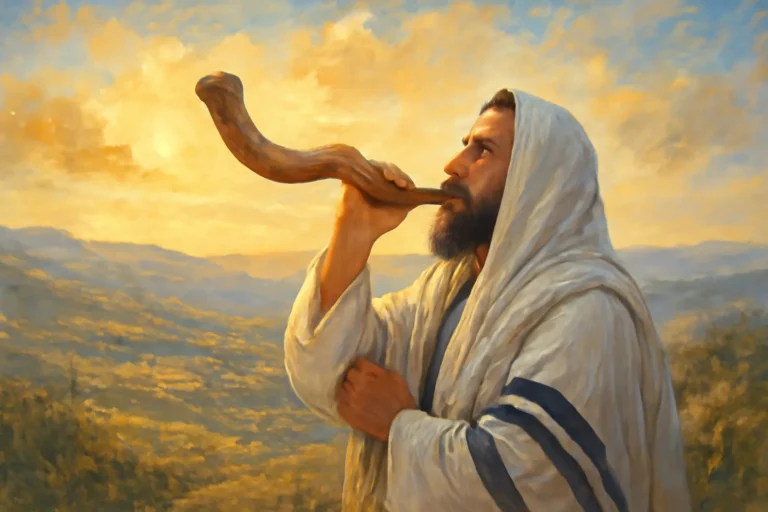
The shofar is not merely a musical instrument in Jewish worship; it is a living symbol that conveys memory, responsibility, and hope. Its ancient sound travels through time, linking today’s prayer with the experiences of the people of Israel in biblical narratives and later generations of liturgy. When a ram’s horn is blown in the synagogue, the witnesses—the congregation and the community—participate in a ritual that encompasses creation, revelation, exile, and renewal. The shofar’s presence in Jewish life invites participants to listen deeply, to examine their deeds, and to reconsecrate their commitments before God. In many communities, the sound of the shofar announces the beginning of the Jewish year’s most reflective and restorative period, while in others it marks ongoing moments of ethical awakening throughout the year.
At the heart of the shofar’s significance lies a constellation of meanings that have shaped Jewish worship across millennia. The instrument is sometimes described as a sign of divine sovereignty, a summons to teshuvah (repentance), a reminder of covenantal responsibility, and a memorial of miraculous deliverances. Its sounds are not random; they are intentionally patterned to evoke specific spiritual responses, to awaken the conscience, and to orient the soul toward fidelity to God and ethical action in the world.
Several strands of meaning recur in liturgical and rabbinic literature. First, the shofar is associated with God’s kingship and with the anointing of the year’s holy cycle. It proclaims a sovereign voice that commands attention and reverence. Second, the sounds summon the community to repentance and superior moral conduct, especially during the Ten Days of Repentance that culminate in Yom Kippur. Third, the shofar ties past and present together—remembering the Exodus from Egypt, the Revelation at Sinai, and the ongoing covenantal relationship between God and Israel. Fourth, the instrument functions as a call to unity and communal awakening: the blasts are heard together, understood as a shared spiritual discipline that requires moral humility, solidarity, and action.
In many prayers, the shofar is described as a spiritual instrument for awakening, not merely for decoration. Its sound penetrates the heart, inviting each listener to confront personal shortcomings and to commit to acts of justice, mercy, and kindness. The biblical and rabbinic traditions weave together the idea of the shofar as both a wake‑up call and a beacon of hope—the hope that repentance can transform a person and a community, and that divine mercy can align with human effort to repair the world.
Within the liturgy, particular terms gain prominence in relation to the four principal blast patterns that shape most ritual performances. These patterns—Tekiah, Teruah, Shevarim, and Tekiah Gedolah—are not merely technical notes; they are symbolic declarations about destiny, fear, lamentation, and ultimate renewal. When heard in sequence, they tell a story of ascent from alarm and contrition to a long, hopeful finale. In this sense, the shofar becomes a voice for humans to respond to the divine invitation to live with integrity, courage, and humility.
Finally, the shofar’s meaning extends beyond liturgy into moral life. In many families and communities, the shofar serves as a catalyst for experiential learning about accountability, communal responsibility, and the ongoing work of repair. It becomes a touchstone for educational programs, sermons, and interfaith conversations about repentance and renewal. The ancient instrument thus remains relevant because it embodies a universal call to turn away from violence, oppression, and apathy, and toward acts of compassion, justice, and love.
Historical Roots of the Shofar
Biblical Origins
The shofar has clear biblical fingerprints that anchor its meaning in the arc of salvation history. In the Hebrew Bible, the sound of the ram’s horn appears in contexts of revelation, warfare, and gathering. The term teruah (one of the blast patterns) appears in connection with a day of noise and alarm, often associated with the feasts and appointed times. The Book of Leviticus (23:24) commands a day of remembrance for the blowing of the shofar on the first day of the seventh month, traditionally understood as the Jewish New Year festival of Rosh Hashanah, or the Yom Teruah (the Day of the Trumpet). The narrative of the Exodus and the wilderness journeys also echoes with the idea of divine deliverance announced by sound—a pattern that shaped later understandings of the shofar as a sign of divine presence calling the people to covenant faithfulness.
In the Book of Joshua, the shofar is connected to a dramatic moment of conquest and divine intervention: the priests blow the ram’s horn as part of the ceremonial march around Jericho, culminating in the city’s walls falling. This story has contributed to the association of the shofar with both sacred movement and prophetic action. The psalms likewise reflect a ritual geometry of sound that invites God’s ear and human ears alike to listen for justice and mercy. Across these varied biblical contexts, the horn’s sound is invested with moral gravity and symbolic power.
Rabbinic Development
When the biblical texts gave way to centuries of rabbinic interpretation, the shofar acquired a robust public and communal function in Jewish worship. The Talmud and later rabbinic authorities treat the sound of the shofar as a central feature of the festival of Rosh Hashanah and as an instrument for awakening and confession during the Ten Days of Repentance. The four primary sounds—Tekiah, Teruah, Shevarim, and Tekiah Gedolah—became standard vocabulary for the liturgical act, guiding both ritual practice and theological reflection. The rabbis discuss matters such as when to blow, who may blow (often a trained congregant or professional shofar blower in synagogue settings), and how the blasts should be integrated into the broader liturgy of the day.
Over time, the shofar also assumed a pedagogical role. It appears in parables and sermons to symbolize ethical awakening and the necessity of teshuvah. In medieval and early modern prayer books, the shofar’s invocation appears alongside prayers for divine mercy, justice in the world, and communal renewal. The shaping of the shofar’s liturgical usage, including the placement of blasts within the service and the day’s schedule, reflects a deepening understanding of how sound functions within worship and how ritual action communicates moral aims.
Diaspora and Variation
As Jewish communities dispersed across different regions, the practice surrounding the shofar diversified in ways that preserved core meanings while adapting to local customs, acoustics, and musical sensibilities. In many Ashkenazi communities, the shofar blast is a defining feature of the morning services on Rosh Hashanah, often accompanied by congregational participation and choral responses. In Sephardic and Mizrahi communities, the shofar appears in slightly different liturgical patterns and melodies, yet the fundamental intent remains the same: to awaken, to sanctify, and to reorient the life of the lover of God toward ethical action and communal responsibility.
Traditional and contemporary scholars alike emphasize that the shofar’s historical journey—from biblical narration to rabbinic law to liturgical practice across the diaspora—demonstrates the adaptability of sacred sound. The instrument has always served as a bridge between heaven and earth, between memory and renewal, and between individual conscience and collective obligation.
The Shofar in Liturgy and Daily Practice
The Four Primary Blast Types: Tekiah, Teruah, Shevarim, Tekiah Gedolah
Understanding the four primary blast types helps readers appreciate how the shofar communicates layered meanings in worship. Each sound has a distinct auditory character and a distinct symbolic message, and they are frequently combined into phrases that the congregation hears as a coherent spiritual narrative:
Tekiah — a single, sustained, clear blast. This note is often described as a proclamation of unity, a declaration of God's sovereignty, and a moment of clarity after a period of alarm. It sets a tone of firmness and confidence, inviting the listener to stand upright before the divine presence.
Teruah — a rapid series of short, staccato blasts. The sound conveys urgency, alarm, and a call to immediate attention. It is by nature unsettled and can evoke fear or alertness, urging inner examination and communal vigilance.
Shevarim — a sequence of broken, sighing notes that resemble lamentation or weeping. This pattern invites consolation while acknowledging vulnerability and sorrow, reminding worshippers of the wounds that repentance seeks to heal.
Tekiah Gedolah — a final, extended tekiah that can last longer than a typical tekiah. It serves as a culmination, a climactic signal of return, fulfillment, and hopeful continuity. The long note invites listeners to pause, reflect, and re-enter the day’s sanctified purpose with renewed resolve.
In practice, communities often arrange sequences that combine these sounds in various orders, depending on liturgical tradition and musical leadership. A common pattern used on Rosh Hashanah morning might begin with a strong tekiah, proceed through a series of teru’ot and shevarim, and culminate in a long tekiah gedolah. Some traditions intersperse occasional longer tekiah variants or repeat particular patterns to accommodate the acoustics of a sanctuary or the pace of the service. Regardless of the exact sequence, the intent remains expressive: to awaken the heart, to invite confession, and to herald divine presence within the community.
In addition to these foundational sounds, some communities incorporate musical motifs, murmured responses from the cantor, and spoken meditations that reinforce the meaning of the blasts. The combination of voice, breath, and horn creates a multisensory experience that can intensify reflection and shared memory. This is part of what gives the shofar service its enduring power—it's not only what is heard, but how the sounds move people to listen, repent, and reform their ways in response to divine invitation.
Ritual Contexts and Holidays
Rosh Hashanah: The Day of Trumpets and the New Year
During Rosh Hashanah, the shofar is a central liturgical instrument. The day marks the start of the civil and spiritual year, a moment for introspection, and a public declaration of the ethical ideals that should guide the months ahead. In most communities, the shofar is sounded multiple times during the morning service, with the blasts accompanying prayers for repentance and remembrance. The blasts accompany, and sometimes punctuate, the Torah reading and the prophetic haftarah readings, turning the service into a dramatic arc of awakening and renewal. The sound of the shofar on this day is often described as a divine call to return to the path of righteousness, to repair and mend relationships, and to reaffirm the covenant with God and with one another.
On Yom Kippur, the solemn fast day of atonement, many communities reserve the shofar blasts for the end of the day, during the concluding Ne’ilah service. The closing moment becomes a watershed—a crowd of worshippers lifts their voices with one last series of blasts, and the final tekiah gedolah is heard as a symbolic sealing of the Book of Life. In this context, the shofar becomes a powerful emotional and spiritual threshold, inviting individuals to leave the day with renewed commitment and a more steadfast path of justice, mercy, and personal growth. The practice emphasizes accountability and the opportunity for renewal even after judgment has been pronounced, reinforcing the shofar’s role as a clarion call toward ethical action beyond the synagogue walls.
Other Times and Seasons
Beyond the major holidays, various communities employ the shofar in moments of spiritual preparation, such as the month of Elul leading up to Rosh Hashanah and during special supplications. Some congregations include weekday or Shabbat readings that feature the shofar during special occasions, remembrance days, or contemplative services. In these contexts, the shofar continues to function as a portable symbol of awakening, exhorting listeners to examine their deeds, cultivate compassion, and pursue justice in daily life.
Across cultures and centuries, the shofar remains a public invitation to moral seriousness and spiritual renewal. Its role in ritual life is not static but dynamic, evolving with the needs and hopes of Jewish communities as they carry forward a heritage that is both ancient and deeply personal.
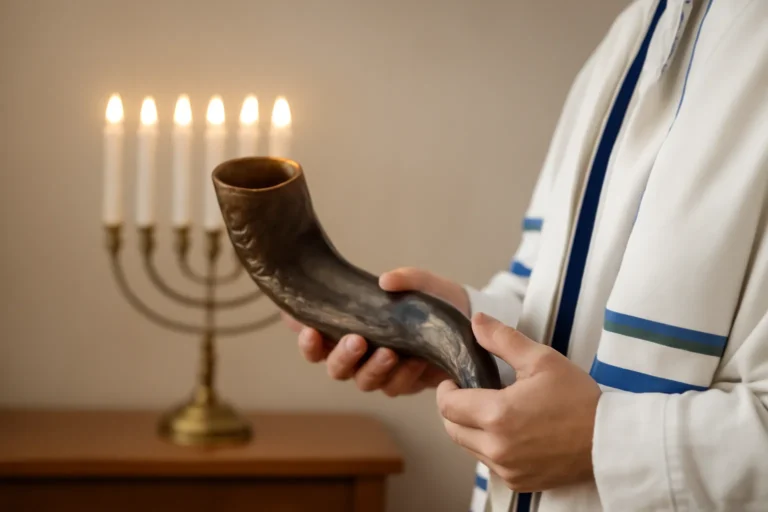
The canonical form of the shofar is a natural horn, most commonly the horn of a ram. The horn is hollowed out and smoothed to create a playable wind instrument. The mouthpiece may be modified, and the horn is often cleaned and prepared through traditional methods that honor the instrument’s sacred status. The ram’s horn carries symbolic resonance because of its association with the binding of Isaac and with sacrifice motifs found in biblical narratives, though the horn’s primary liturgical function in Jewish worship is not a sacrifice ritual but a call to repentance and remembrance.
In addition to ram’s horns, some communities historically used horns from other kosher animals, provided they meet halachic requirements. In modern practice, there are also synthetic and ceremonial replicas used for educational purposes or for accessibility when a traditional horn is not available. Yet, in traditional congregations, the ram’s horn remains the preferred instrument for public shofar blowing, symbolizing continuity with ancestral practice and the biblical imagination that surrounds the season of repentance.
Ritual Preparation and Etiquette
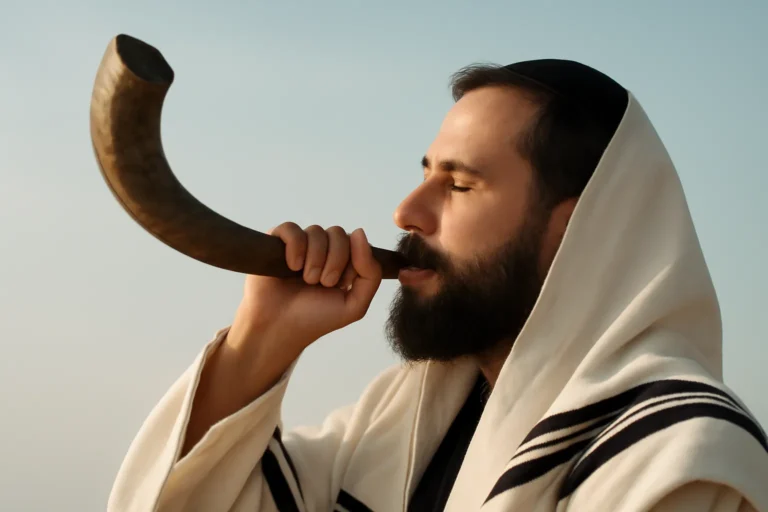
The preparation of the shofar for public use includes careful inspection, cleaning, and the removal of any obstructions to a clean tone. In many communities, the person who blows the shofar is trained to produce the distinctive blast patterns with proper breath control and technique, ensuring that the instrument’s tones meet the liturgical expectations of the service. Respect for the instrument, the act of blowing, and the sanctity of the moment are typical features of Shabbat and weekday services alike, and the context of a synagogue often calls for a deferential, attentive atmosphere during the blasts.
From a broader ethical standpoint, the choice of materials and the care with which the shofar is maintained reflect values about stewardship of creation, ritual discipline, and reverence for tradition. The shofar’s sound carries a weight that invites both sacred memory and responsible action, linking the ancient craft of horn preparation with modern concerns about sustainability, humane animal treatment, and community responsibility.
Across centuries and cultures, composers, poets, rabbis, and educators have drawn inspiration from the shofar. In contemporary liturgy, the shofar has inspired musical settings, choral arrangements, and instructional programs that explore the interplay between breath, instrument, and meaning. Some modern composers integrate the shofar with other instruments to explore themes of memory, awakening, and social justice, while educators use the horn as a tangible means to teach about Jewish history, ethics, and ritual practice. The shofar’s capacity to evoke emotion—solace, urgency, awe, and hope—makes it a compelling focal point for artistic expression and moral reflection alike.
Educational and Communal Impacts
In schools and community institutions, the shofar serves as a practical entry point to discussions about Jewish holidays, religious practice, and the ethics of teshuvah. Programs often include demonstrations of how to blow the horn, explanations of the blast patterns, and opportunities for learners to reflect on the personal and communal implications of repentance. When used in educational settings, the shofar becomes a gateway to conversations about responsibility, humility, and the courage to do justice in daily life. It also fosters intercultural dialogue by providing a concrete symbol that reveals how ritual sound can shape memory, identity, and community bonds.
Global Practices and Diversity
While the central meanings of the shofar are shared, communities around the world adapt the practice to their own musical traditions, liturgical languages, and congregational styles. In some places, the shofar is integrated into interfaith events or cultural festivals as an emblem of Jewish heritage. In others, it remains a deeply private or intimate element of worship, embedded in the rhythms of the local synagogue. This global diversity demonstrates the shofar’s enduring adaptability while preserving its core function as a call to repentance, a remembrance of deliverance, and a pledge to live with integrity and compassion.
Common Misconceptions and Clarifications
Readers new to the shofar tradition sometimes encounter a few misconceptions. A common misunderstanding is that the shofar is a wind instrument used only for festive music. In reality, while the horn can be played in musical contexts, its primary liturgical function is ceremonial and ethical: to awaken moral reflection, to recall divine revelation, and to declare God’s sovereignty as the year unfolds. Another misconception is that any horn can replace a shofar. While some horns from other kosher animals have been used under certain circumstances, the classic practice emphasizes the ram’s horn because of its theological associations and long-standing rabbinic authorization. Finally, some people assume that the shofar’s sounds are simply decorative. In fact, the blasts are integral to the service’s rhythm and meaning, guiding worshippers through a structured spiritual process that culminates in renewal and recommitment.
Throughout Jewish worship, the shofar remains a living symbol—an ancient tool that keeps pace with changing communities and evolving understandings of repentance, justice, and mercy. Its sounds invite each listener to be honest about sin, bold in seeking repair, and hopeful about the possibility of transformation. The shofar’s enduring power lies not only in its audible presence but in the way its music sustains memory, exposes vulnerability, and mobilizes ethical action in the world. In this sense, every blast is a small, communal act of faith—an invitation to return to God, to return to one another, and to return to a life of purpose grounded in compassion and justice.
As the centuries continue, the shofar will likely accompany new generations of worshippers who bring their own voices, songs, and questions to the timeless sound. In every context—whether in a grand urban synagogue, a small rural minyan, or a classroom—its call persists: awaken the heart, recall the covenant, reform the world, and welcome the opportunity for renewal with courage and grace.






Leave a Reply