Feast of Trumpets 2026: Dates, Significance, and Celebration Tips
Feast of Trumpets 2026: Dates, Significance, and Celebration Tips
The Feast of Trumpets 2026, commonly known in Jewish practice as Rosh Hashanah, marks the opening act of the High Holy Days and the solemn period of reflection that leads into the Ten Days of Awe. This annual observance is known in the liturgical calendar as Yom Teruah—the Day of Blasting the Shofar—which invites worshippers to awake to their moral responsibilities, to seek forgiveness, and to welcome a new year with intention. In many communities, the year 5787 begins with a chorus of shofar blasts, the sound echoing through synagogues, homes, and public squares. The 2026 edition of this festival carries with it both timeless rituals and contemporary expressions, blending ancient tradition with modern practice.
The timing of the Feast of Trumpets 2026 is inseparably tied to the Hebrew lunar calendar. The festival begins on the eve of 1 Tishrei and continues through the second day in most diaspora communities, while many parts of Israel observe a one-day version or have a more abbreviated calendar in practice. Because the Hebrew calendar is based on lunar months and celestial sighting, the exact Gregorian dates shift slightly from year to year. For 2026, observers should expect the holiday to be celebrated in September, with the actual start at sundown on the eve of 1 Tishrei and the main observance spanning the ensuing day or two, depending on one’s tradition and locale.
Estimated start: sunset on the eve of 1 Tishrei, 5787 (the Hebrew year associated with 2026). In many communities this marks the first moment of the festival and the first of the customary shofar blasts that announce the new year.
Duration: two days for most Jewish communities in the diaspora; one day for many communities in Israel or for some individuals who follow a one-day calendar. The two-day practice has historical roots and remains common in many synagogues worldwide.
Gregorian window: a September occurrence, with the exact Gregorian dates determined by local calendars and moon sightings. Always verify with your local synagogue or a trusted Jewish calendar for precise times at your location.
It is helpful to think of Feast of Trumpets 2026 as a twofold occasion: a solemn, self-examining rite and a festive, hopeful welcome to a new year. While some families mark the holiday with a single day of observance, others join in the traditional two-day sequence, using the extra day to intensify contemplation, meals, and communal prayer. Whatever the format, participants typically begin their observance with a ceremonial candle lighting and proceed through prayers, worship, and festive meals that symbolize renewal.
Significance of the Feast
The significance of the Feast of Trumpets encompasses theological, liturgical, and ethical dimensions. The festival is known as Yom Teruah (Day of Blasting), emphasizing sound—the sound of the shofar as a call to awakening, repentance, and devotion. The symbolism of the shofar is layered: it is a summons to remember creation, to acknowledge human frailty, and to reaffirm the sovereignty of God as King over the universe.
Activation of reverent memory — The blasts evoke a memory of creation and the human obligation to align one’s life with higher moral standards. It is a deliberate invitation to look inward and to consider how one’s actions reflect either fidelity or deviation from ethical ideals.
Start of the Ten Days of Awe — The Feast of Trumpets ushers in a period of intensified introspection that culminates in Yom Kippur, the Day of Atonement. This trajectory invites a process of repentance, reconciliation, and personal renewal.
Kingship and accountability — In Jewish liturgy and reflection, the sounds of the shofar proclaim God as King, inviting worshippers to submit to divine authority and to contemplate the moral responsibilities that come with leadership and influence.
Remembrance and hope — The festival is a powerful reminder to remember past blessings and to cultivate hope for renewal in the year ahead, including health, prosperity, and relational harmony.
Ritual continuity — Across centuries and cultures, the two-day or one-day observances preserve a sense of continuity with ancestors who sought spiritual renewal through communal prayer and ritual feasts.
Traditional Observances and Modern Practices
The core observances of the Feast of Trumpets have a long history, but communities continually adapt them to contemporary life. The central ritual remains the shofar blast, but how that sound is integrated into services, family life, and meals varies. The two key elements—sound and reflection—combine with prayers, meals, and acts of charity to form a holistic observance.
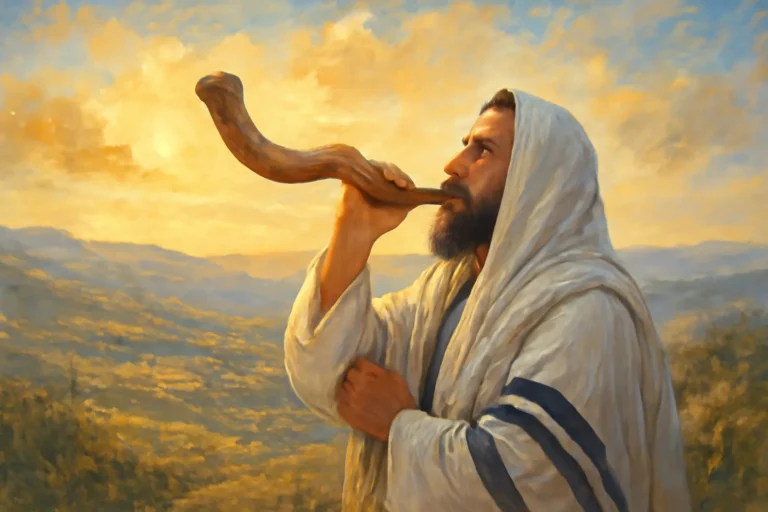
Shofar blasting — The shofar is blown in a sequence of distinct sounds, including Tekiah (a long blast), Shevarim (a distressed broken sound), and Teruah (a staccato series of blasts). The longer Tekiah Gedolah often punctuates the end of the blast sequence. For many communities, this series is repeated multiple times during the day in synagogue services.
Special prayers and readings — The liturgy for the feast includes passages unique to Rosh Hashanah and the high holy day cycle, interwoven with psalms, prayers for forgiveness, and petitions for renewal. The Machzor for the season guides the prayers and readings in most congregations.
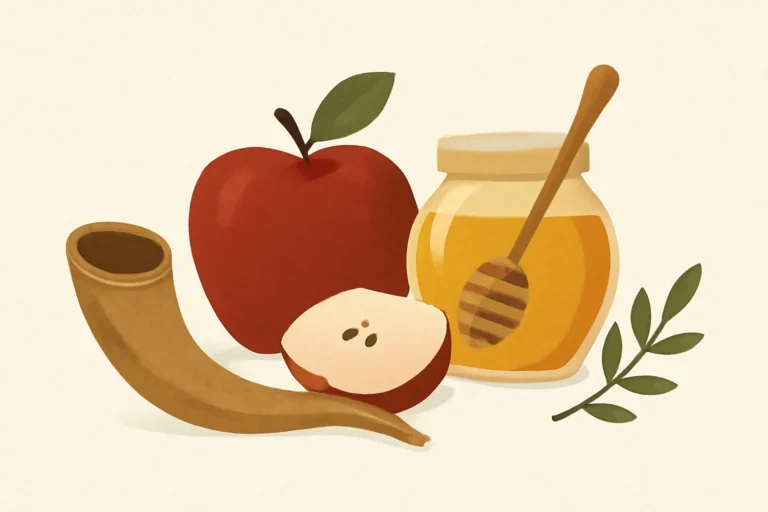
Ritual foods — The festive meals of the holiday emphasize sweetness and blessing: apples dipped in honey (for a sweet new year), pomegranates (symbolizing many good deeds), and round challah (representing the cyclical nature of the year). Many families also offer honey cakes and other symbolic treats to guests as part of hospitality.
One- vs. two-day observance — While diaspora communities often observe two days (1 and 2 Tishrei), many Israeli communities have moved toward a one-day practice or a shorter liturgical timetable. The result is a diverse mosaic of customs that reflects regional and denominational differences.
Reflection and deeds — Beyond liturgy, the festival encourages acts of charity, visiting the sick, and seeking reconciliation with others. The emphasis on forgiveness, generosity, and community solidarity is a timeless feature of the feast.
Celebration Tips for 2026
For individuals and households
Whether you observe the Feast of Trumpets 2026 as a private, household event or as part of a larger community, you can incorporate meaningful practices that fit your schedule. The days around the holiday are an opportunity for personal inventory, mindful speech, and intentional hospitality.
Plan a reflective evening — On the eve of 1 Tishrei, consider setting aside time for personal meditation, journaling, or reading from liturgical or devotional texts that focus on renewal and ethics.
Prepare symbolic foods — Include apples with honey, round challah, pomegranates, and any other symbolic foods that resonate with your family’s traditions. A small table of symbolic foods can set a tone of blessing and gratitude.
Learn the shofar sounds — If you’re new to the practice, familiarize yourself with the five traditional shofar patterns (Tekiah, Shevarim, Teruah, Tekiah Gedolah) and listen to recordings or attend a service to hear them performed live.
Engage in acts of kindness — The season emphasizes repentance and generosity. Consider volunteering, donating to a cause, or reconciling a strained relationship as part of your observance.
For families and children
The Rosh Hashanah season is a golden opportunity to involve children in meaningful ritual while keeping the mood approachable and joyful. Practical activities can reinforce the lessons of the holiday.
Family blessings — Share short blessings or well-wishes for each family member as you gather for meals.
Storytelling — Read age-appropriate stories about the themes of renewal, forgiveness, and hope, drawing connections to personal experiences.
Creative projects — Have children illustrate what renewal means to them or create cards for friends and relatives that express gratitude and good wishes for the new year.
For communities, synagogues, and hosts
Communal life during the Feast of Trumpets offers an opportunity for hospitality, education, and shared worship. If you coordinate events around the Trumpets festival, consider inclusive programming that welcomes guests of diverse backgrounds.
Inclusive services — Offer accessible services, with explanations of Hebrew terms and the day’s significance for those who are new to the tradition.
Guest-friendly logistics — Provide information about parking, seating, and seating availability for visitors with physical needs, including quiet spaces for contemplation.
Sharing the table — Host a hospitality program that invites neighbors, students, or travelers to share a meal and learn about the customs and symbolism of the holiday.
If you are traveling or attending services away from home, plan ahead to participate in the local community’s observances and to find suitable lodging or guest accommodations.
Check local calendars — Look up the synagogue schedule, including services on the eve and the following day, to join in the central rites.
Respect local customs — Be mindful of dress codes, seating arrangements, and the etiquette of standing during certain prayers or listening to the readings.
Participate thoughtfully — Even if you are unfamiliar with certain rituals, you can respectfully observe and ask questions after services to deepen your understanding.
Practical Observance Schedule for the Feast of Trumpets 2026
While schedules vary by community and denomination, a typical rhythm for the 2026 Trumpets festival follows a sequence of twilight blessings, daytime prayers, and celebratory meals. The schedule below offers a general framework that you can adapt based on your local customs.
Erev 1 Tishrei (Evening before 1 Tishrei): Candle lighting, welcome prayers, and a short reflection. Families may begin with a peaceful acknowledgment of goals for the new year.
First day prayers (1 Tishrei): Morning services featuring the shofar blasts, readings from the Machzor, and communal prayers for mercy, forgiveness, and renewal.
Meal and fress (Meal after services): A festive meal with symbolic foods such as apples and honey, round challah, and pomegranates. This is a time for gratitude and family bonding.
Yom Teruah reflections (Throughout the day): Individual and family reflection on personal conduct, deeds, and relationships, often accompanied by charitable deeds and acts of kindness.
Second day considerations (if observed as a second day): Additional prayers, further shofar blasts, and extended study or introspective activities.
End of the day: Evening services and concluding prayers, with a sense of anticipation for the Days of Awe ahead and for the new year’s blessings.
Cultural and Culinary Traditions Surrounding the Feast
The Feast of Trumpets is not only a time for prayer and introspection; it is also a moment to celebrate with symbolic foods and shared customs that strengthen family and community ties. The culinary traditions associated with the holiday convey messages about blessing, sweetness, and abundance.
Apples and honey — A classic pairing that symbolizes a sweet year ahead. Friends and family dip slices of apple into honey to wish each other a sweet new year.
Round challah — The circular loaf represents the continuous cycle of the year and the hope for renewal. It is often baked with sesame seeds or other toppings as a festive touch.
Pomegranates — Symbolizing the many good deeds or the numerous opportunities for blessing in the year ahead, pomegranates are a common centerpiece at holiday meals.
Honey cake and other desserts — Special desserts accompany the celebration, reinforcing the theme of sweetness and positive outcomes for the coming year.
Non-meat dishes and seasonal produce — Depending on the community and the season, a variety of fruits, vegetables, and vegetarian dishes may feature in the festive table.
Educational and Spiritual Resources for 2026
Whether you are a first-time participant or a long-time observer, engaging with authoritative resources can deepen your understanding of the festival’s intent and its modern expressions. The following are common types of materials used during the Trumpets festival and the surrounding days.
Machzor or festival prayer books that include readings, blessings, and hymns specific to Yom Teruah and the High Holy Days.
Commentaries and study guides that explore the liturgical motifs, biblical readings, and rabbinic interpretations linked to the holiday.
Educational workshops and family programs offered by synagogues or Jewish community centers, focusing on themes of repentance, renewal, and social responsibility.
Historical overviews that trace the evolution of the festival from ancient times to present-day practice, including diaspora and Israeli variations.
As the Feast of Trumpets 2026 unfolds, communities around the world engage in a shared journey of introspection, worship, and communal hospitality. The festival’s timeless call to awaken, repent, and renew resonates across generations and cultures, inviting individuals to extend mercy, mend relationships, and contribute to the common good. Whether you participate in the one-day observance practiced in some Israeli communities or the two-day pattern common in much of the diaspora, the central arc remains the same: begin the new year with a clear conscience, a hopeful heart, and a commitment to acts of kindness and justice.





Leave a Reply