10 Commandments in Order KJV: Complete List with Verse References
The Ten Commandments, in the KJV style, form a foundational block of biblical ethics and civil law that has shaped moral thought for centuries. Known in scholarly circles as the Decalogue, these ten precepts are presented in a compact, orderly sequence that highlights the relationship between God and humanity, between worship and conduct, and between personal integrity and social responsibility. In the King James Version, the commandments are expressed with the distinctive cadence of early modern English, using terms like thou, thee, and thy. This article lists each commandment in its traditional order, provides the exact verse references from Exodus 20, and adds concise commentary to help readers understand the significance of each injunction within the broader biblical narrative.
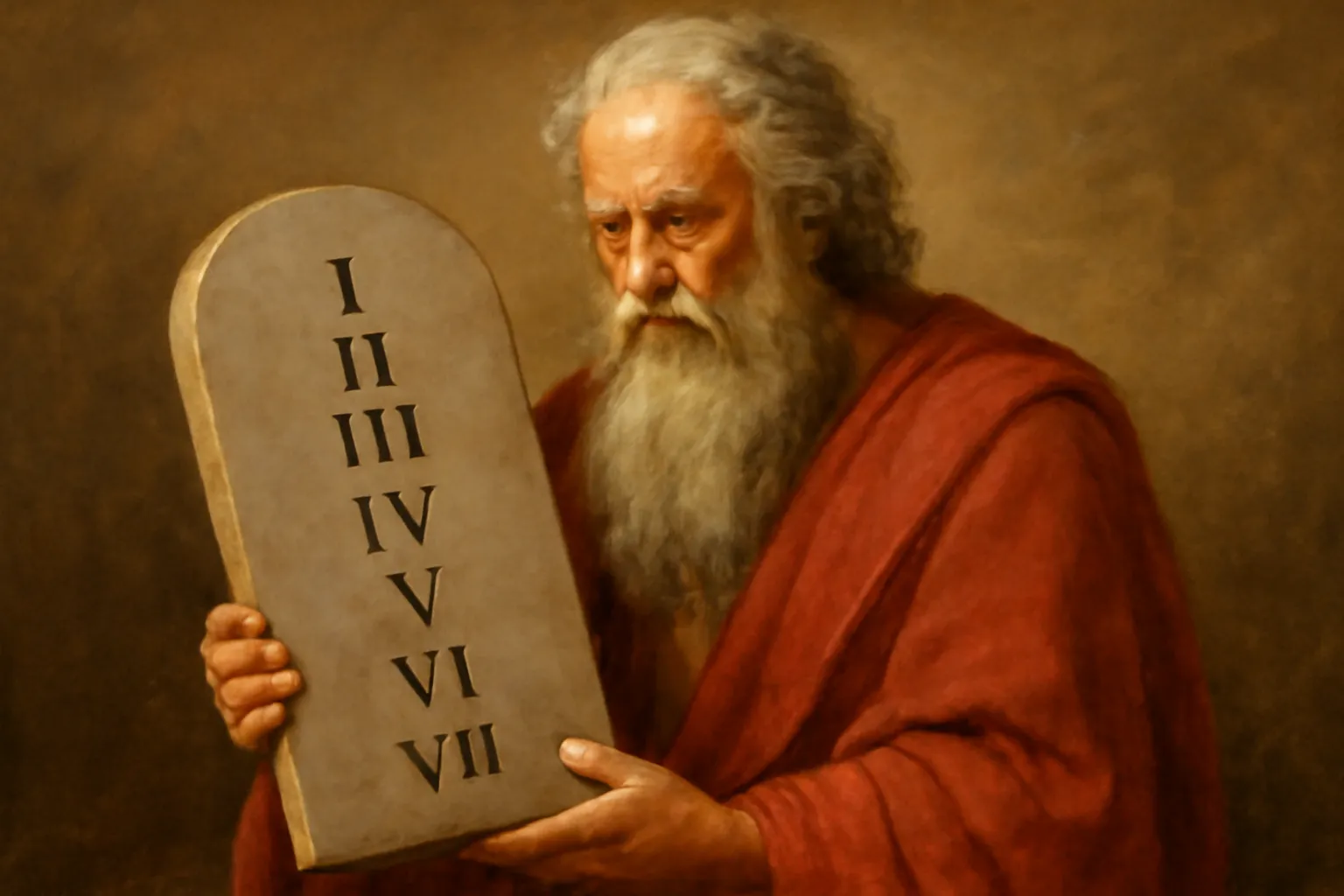
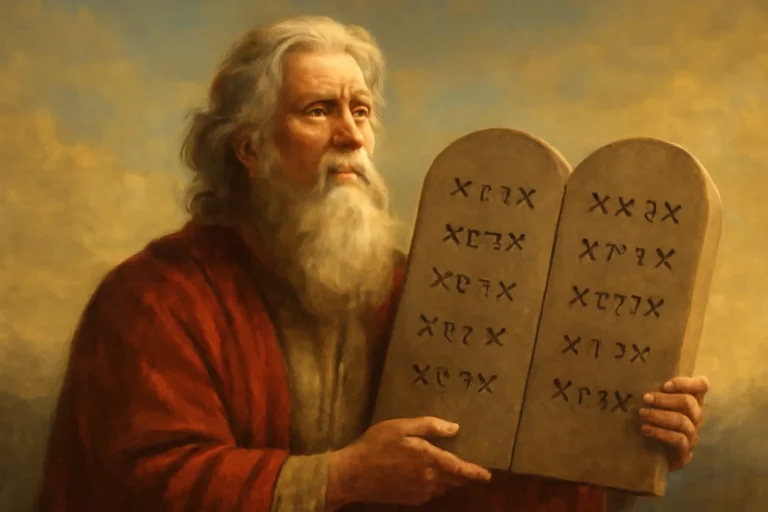
The commandments are presented here in their standard order, as in Exodus 20, with a brief pointer to the corresponding wording in the KJV text. This overview helps place each commandment in its proper sequence before we examine each one in detail with its verse references.
1) Thou shalt have no other gods before me (Exodus 20:3)
2) Thou shalt not make unto thee any graven image (Exodus 20:4)
3) Thou shalt not take the name of the LORD thy God in vain (Exodus 20:7)
4) Remember the sabbath day, to keep it holy (Exodus 20:8–11)
5) Honour thy father and thy mother (Exodus 20:12)
6) Thou shalt not kill (Exodus 20:13)
7) Thou shalt not commit adultery (Exodus 20:14)
8) Thou shalt not steal (Exodus 20:15)
9) Thou shalt not bear false witness against thy neighbour (Exodus 20:16)
10) Thou shalt not covet (Exodus 20:17)
Introduction to the commandments in the King James Bible
The King James Version of the Bible presents the Ten Commandments as a direct communication from God to the people of Israel after their deliverance from Egypt. Placed at the center of the Mosaic Law, these commandments establish both a worshipful relationship with God and a framework for righteous living within a community. Although there are two closely related accounts of the commandments in the Bible—Exodus 20 and Deuteronomy 5—the order in Exodus 20 is the traditional order most readers encounter in English translations, and it is the form this article follows.
In KJV, the wording reflects the literary style of 17th-century English, with phrases such as Thou shalt and thy, which emphasize the personal obligation placed on each individual. The commandments are widely regarded as moral principles with enduring relevance—not only within religious communities but also in discussions about law, ethics, and human conduct. This article preserves the exact order and wording of the commandments as they appear in the KJV Exodus 20 passage, while offering concise commentary to illuminate their meaning and application.
1. First Commandment: Thou shalt have no other gods before me
Verse reference
Exodus 20:3 — “Thou shalt have no other gods before me.”
The first commandment anchors the entire moral code in a commitment to exclusive worship of the one true God. In the KJV, the emphasis is on the primacy of the Lord, setting a theological boundary that excludes the worship of other deities or idols. This commandment establishes a relationship grounded in loyalty and dependence on Yahweh, the God who delivered Israel from bondage. The theological thrust is not merely doctrinal; it calls for a life oriented around a singular divine standard, shaping both personal devotion and communal identity.
Commentary notes:
The commandment foregrounds monotheism—worship of a single sovereign Creator.
It anticipates the broader social and ceremonial laws that follow, which presume a covenant community centered on the Lord.
2. Second Commandment: Thou shalt not make unto thee any graven image
Verse reference
Exodus 20:4–6 — “Thou shalt not make unto thee any graven image, or any likeness of any thing that is in heaven above, or that is in the earth beneath, or that is in the water under the earth.”
The second commandment expands on idolatry by prohibiting not only the worship of other gods but also the making of physical representations intended to stand in the place of God. The instruction in the KJV emphasizes that God should not be represented by images or symbols that could become objects of worship in themselves. Yet this prohibition is not simply about art; it is about the danger of lowering divine transcendence to a tangible idol. The subsequent verses clarify God’s relation to those who worship Him: He is a holy God who visits iniquity but extends mercy to those who love Him and keep His commandments (Exodus 20:5–6 in the KJV).
Notes on interpretation:
Historical contexts show debates about how literally to apply this prohibition in various cultures and traditions.
In the KJV, the wording underscores the prohibition of any image that might lead to the worship of something other than the Creator.
3. Third Commandment: Thou shalt not take the name of the LORD thy God in vain
Verse reference
Exodus 20:7 — “Thou shalt not take the name of the LORD thy God in vain; for the LORD will not hold him guiltless that taketh his name in vain.”
This commandment addresses the sacredness of the divine name. In the KJV, using the name of the LORD with frivolity, deceit, or irreverence constitutes a violation of the covenant relationship. The text warns of divine accountability for misusing or profaning the name of God. Beyond a prohibition on casual or blasphemous speech, the commandment calls believers to honor the divine name in worship, testimony, and everyday speech.
Key considerations:
Respect for the sacred name reflects a broader ethic of reverence toward God in all speech and action.
Language and worship practices in the biblical world are shaped by this principle, influencing how communities address and invoke God.
4. Fourth Commandment: Remember the sabbath day, to keep it holy
Verse reference
Exodus 20:8–11 — “Remember the sabbath day, to keep it holy. Six days shalt thou labour, and do all thy work: But the seventh day is the sabbath of the LORD thy God… For in six days the LORD made heaven and earth, the sea, and all that in them is, and rested the seventh day: wherefore the LORD blessed the sabbath day, and hallowed it.”
The sabbath command anchors a rhythm of rest and holiness tied to God’s own creative work. In the KJV, the sabbath is inaugurated as a sign between God and His people, a day set apart from ordinary labor to acknowledge God’s sovereignty and provision. The rationale is both historical (God’s creation week) and relational (remembrance of deliverance from Egypt). For readers today, this command invites reflection on rest, worship, and the communal life of faith.
In the biblical narrative, the sabbath anticipates Jubilee and rest for the land, providing a pattern of justice and mercy.
Modern observance varies among traditions, but the underlying principle remains: a day devoted to God’s covenant relationship and communal restoration.
5. Fifth Commandment: Honour thy father and thy mother
Verse reference
Exodus 20:12 — “Honor thy father and thy mother: that thy days may be long upon the land which the LORD thy God giveth thee.”
Honour for parents is presented as a foundational social virtue with direct consequences for the well-being of the covenant community. The KJV text links obedience to one’s parents with the stability and duration of life in the land. While the commandment clearly applies to familial relations, it also extends to the broader order of authority, respect, and responsibility within society.
Contextual notes:
The verse lays the groundwork for a respectful, intergenerational society guided by divine instruction.
In the Deuteronomic restatement (Deuteronomy 5:16), the same command appears in the same essential form, reinforcing its enduring importance.
6. Sixth Commandment: Thou shalt not kill
Verse reference
Exodus 20:13 — “Thou shalt not kill.”
The sixth commandment prohibits taking a human life unlawfully. In the KJV, the short, stark wording emphasizes the sanctity of human life and the moral prohibition against murder. Biblical scholars often distinguish between prohibiting murder (unlawful killing) and the broader moral or judicial limits on the use of violence. The commandment sits at the intersection of personal ethics, civil law, and divine justice, and its interpretation has shaped moral discussions across cultures for centuries.
Considerations:
In biblical law, the prohibition is not absent of consequences; a regulated system of justice governs when life may be taken in a lawful context.
Modern readers frequently discuss issues such as self-defense, war, and capital punishment in light of this commandment, always weighing additional context and Hebrew Bible law.
7. Seventh Commandment: Thou shalt not commit adultery
Verse reference
Exodus 20:14 — “Thou shalt not commit adultery.”
Adultery is presented as a violation of the sanctity of marriage and of the covenant relationship between spouses. The KJV wording is concise, yet the commandment carries profound social and spiritual implications, including fidelity, trust, and the integrity of family life. In the biblical context, adultery is not merely a private sin but a breach that affects entire communities and the legitimacy of lineage within the covenant people.
Notes on interpretation:
Wider biblical themes connect adultery with spiritual unfaithfulness to God, especially in prophetic literature.
Christian and Jewish traditions have developed diverse pastoral and ethical teachings around marriage, fidelity, forgiveness, and restitution within a framework that respects this commandment.
8. Eighth Commandment: Thou shalt not steal
Verse reference
Exodus 20:15 — “Thou shalt not steal.”
The eighth commandment condemns taking someone else’s property by deception or force. In the KJV rendering, the emphasis is on the dignity of others’ possessions and the right to work and enjoy the fruit of one’s labor. The prohibition includes a broad range of thefts, from simple taking to fraud, underscoring a principle of justice, fairness, and respect for the rights of one’s neighbor.
Practical reflections:
Ethical commerce and personal integrity are grounded in this commandment, shaping practices in markets, contracts, and daily exchanges.
In theologian and ethical discussions, theft is often linked to broader social concerns, such as poverty, exploitation, and the responsibility to care for the vulnerable.
9. Ninth Commandment: Thou shalt not bear false witness against thy neighbour
Verse reference
Exodus 20:16 — “Thou shalt not bear false witness against thy neighbour.”
This commandment focuses on truth-telling in the social sphere. Bearing false witness undermines justice, harms individuals and families, and corrupts the process by which communities identify right from wrong. In the KJV, the emphasis is on integrity in testimony and the prohibition against deception within legal and communal proceedings. It also highlights the broader principle that truthfulness is essential to trust and social harmony.
Truth-telling is presented as a social virtue essential to the functioning of a just society.
Ethical discourse in contemporary contexts often extends the commandment to areas such as rumors, defamation, and misinformation, underscoring the value of honesty in public life.
10. Tenth Commandment: Thou shalt not covet
Verse reference
Exodus 20:17 — “Thou shalt not covet thy neighbour’s house, thou shalt not covet thy neighbour’s wife, nor his manservant, nor his maidservant, nor his ox, nor his ass, nor any thing that is thy neighbour’s.”
The final commandment targets the root of many other sins: discontentment and the desire for what belongs to someone else. In the KJV, the list in verse 17 expands coveting to several concrete examples—house, wife, servants, and possessions—emphasizing that a covetous heart can lead to acts that violate the preceding commandments. This commandment addresses internal motives that manifest in outward actions, reminding believers that moral life begins in the heart.
Interpretive notes:
Coveting is treated not merely as a feeling but as a disposition that can undermine justice, marriage, and communal harmony.
In Deuteronomy 5:21, the command is echoed with similar language, reinforcing its importance across the two primary textual presentations of the commandments.
Textual context: Exodus vs Deuteronomy and how the commandments are used
The Exodus 20 version presents the commandments as a direct revelation on Sinai, immediately following the deliverance of Israel from Egypt. The Deuteronomy 5 version, by contrast, is delivered in the context of Moses’ farewell address, reiterating the same moral framework while addressing a new generation preparing to enter the land. Both accounts preserve the same core prohibitions and expectations, though some wording and emphasis differ slightly between the two. For readers studying the KJV, these parallel passages provide a richer sense of how the commandments function within the broader biblical narrative: they bind worship to social ethics, personal integrity to communal responsibility, and divine authority to everyday life.
Cross-referenced passages worth noting include:
Deuteronomy 5:6–21 (the parallel recounting in the KJV of the Ten Commandments).
Related ethical teachings in the prophetic and wisdom literature that reflect or apply these commandments in concrete situations.
Why the Ten Commandments matter today
The enduring value of the ten commandments lies in their broad scope: they address the worship of God, the nature of right relationship with neighbors, and the internal moral posture of individuals. In the KJV rendering, their language is memorable, their structure is orderly, and their expectations are explicit. Across centuries, communities have drawn from these ten rules not only to shape religious practice but also to influence political, legal, and ethical philosophy. The commandments continue to be cited in discussions of human rights, civic virtue, marital fidelity, and justice, reminding readers that ancient wisdom can speak plainly to modern concerns.
Suggestions for readers and students:
Read Exodus 20:1–17 slowly to hear the cadence and parallel structure that the KJV preserves.
Compare Exodus 20 with Deuteronomy 5:6–21 to understand how repetition reinforces memory and application.
Reflect on how each commandment relates to contemporary questions about worship, community life, and personal integrity.
Conclusion: The Decalogue in a modern light
The Ten Commandments in the KJV present a concise, powerful blueprint for living in fidelity to God and fairness toward others. Though written in a historical and linguistic context far from ours, their core messages—worship God alone, honor truth, respect life and property, and guard your heart against covetousness—offer a timeless lens through which to view moral choices today. Whether approached as a religious covenant or as a foundational moral code, the commandments invite readers to consider how their beliefs shape their behavior, how language shapes their truth-telling, and how consent and conscience shape their conduct within family, church, and society.
Note on sources: All verse references and wording correspond to the King James Version of the Bible, specifically the passages located in Exodus 20 and, for comparison, Deuteronomy 5. The structure and details in this article follow the traditional order of the commandments as presented in the KJV text.