King James Bible with Apocrypha: History, Contents, and How to Read
King James Bible with Apocrypha: History, Contents, and How to Read
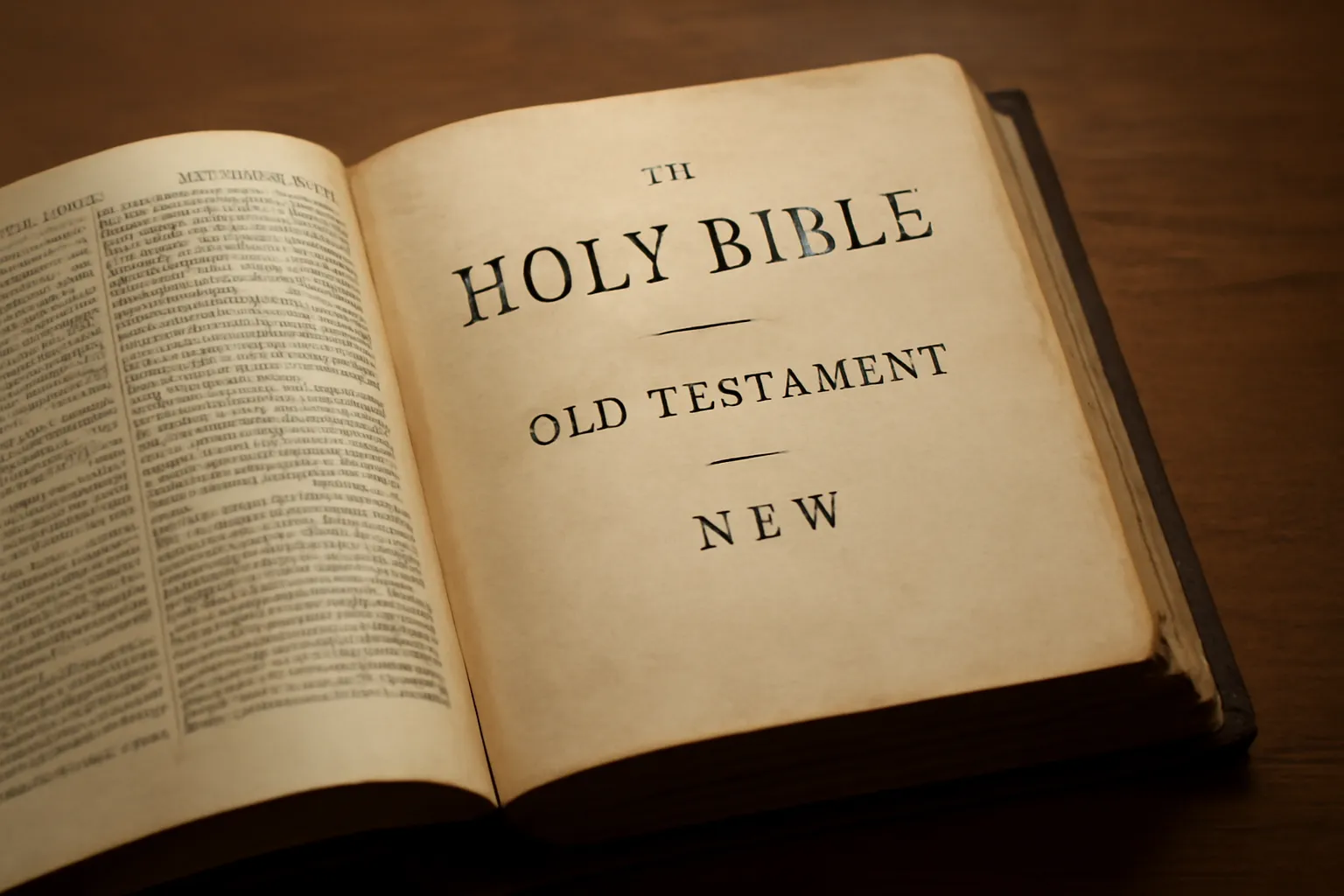
The King James Bible with Apocrypha is a distinctive edition that blends the classic King James Version (KJV) with a separate collection of historic writings commonly called the Apocrypha. This arrangement reflects a specific moment in English Bible history when English readers encountered a unified Bible that included books not always regarded as canonical by all Protestant traditions. In this article, we explore history, describe the contents of the edition, and offer practical guidance on how to read this form of the Bible. We will use variations of names—King James Bible with Apocrypha, King James Version with Apocrypha, and KJV with Apocrypha—to emphasize the same text from different stylistic angles and to reflect how readers encounter it in libraries, gift editions, and ecumenical study programs.
The King James Version (often abbreviated as KJV) was commissioned by King James I of England in 1604, following a desire among church and state leaders to produce a single English Bible translation that would be acceptable to a broad spectrum of English Protestants. A committee of scholars drawn from universities and churches worked through the late 16th and early 17th centuries to translate the scriptures from the oldest available Hebrew and Greek manuscripts into elegant, enduring English. The result, first published in 1611, became one of the most influential books in the English language and a touchstone for religious life, literature, and education for centuries to come.
In the first decade of its life, the KJV was celebrated for its literary quality, its careful adherence to original languages, and its devotion to clarity for worship and study. The translators were mindful of existing English translations—most notably the Bishops’ Bible—and set out to improve accuracy while preserving a readable, dignified cadence. Over time, the KJV came to symbolize a shared scriptural language for English-speaking Christians, even as other traditions produced their own translations in response to varying scholarly, doctrinal, and devotional needs.
The Apocrypha in the 1611 Edition
In the same spirit of providing a single, complete Bible for Anglican and other English readers, the 1611 edition of the King James Bible typically included a dedicated section titled The Apocrypha, placed between the Old Testament and the New Testament. This collection comprises books and additions that are, in various Christian traditions, considered non-canonical within Protestant circles but are valued for historical, ethical, and religious themes. The inclusion of the Apocrypha in the KJV with Apocrypha edition reflected a historical canon that acknowledged these writings as scripture in certain contexts and as valuable literature to be read alongside the canonical books.
Historically, the Apocrypha includes titles such as 1 Esdras, 2 Esdras (often called Ezra in Latin traditions), Tobit, Judith, Additions to Esther, Wisdom of Solomon, Sirach (Ecclesiasticus), Baruch, Letter of Jeremiah, Prayer of Azariah and Song of the Three Children, Susanna, Bel and the Dragon, Prayer of Manasseh, and usually 1 Maccabees and 2 Maccabees; in some editions, additional Maccabean texts could appear in a Greek or Latin order. While Protestants generally do not treat these writings as canonical, the Apocrypha has been valued by many Christian traditions for its historical context, moral teachings, wisdom literature, and insights into Jewish history during the intertestamental period.
From its earliest days, readers of the King James Bible with Apocrypha encountered a book that was both a liturgical Bible and a reference work. The Apocrypha, in particular, served as a bridge to understandings of Jewish history, wisdom literature, and early Christian thought that were not always accessible through the canonical books alone. As centuries passed, attitudes toward the Apocrypha diverged among Christian denominations. In many Protestant churches, the Apocrypha came to be treated as edifying but non-canonical, whereas in Catholic and Eastern Orthodox traditions, some of its books are regarded as deuterocanonical or deuterocanonical-like. This difference helped shape editorial choices in later Bible printings and study editions.
In the 18th, 19th, and 20th centuries, as Bible publishing expanded and modern linguistic scholarship advanced, an increasing number of Protestant editions began to omit the Apocrypha or to present it as an optional or separate section. Still, a great deal of the public continued to encounter the Apocrypha through the KJV with Apocrypha editions, especially in Anglican, Episcopal, and some Lutheran contexts, where the Apocrypha was retained for devotional reading and historical study. Today, several modern publishers reissue the KJV with Apocrypha, recognizing its historical importance while clearly labeling the Apocrypha as non-canonical for those who rely on a Protestant canon, and as a supplemental collection for those exploring broader Christian bibliographies.
Print Variations and Modern Availability
Readers today can find KJV with Apocrypha in various formats, including compact study editions, large-print editions, and scholarly annotated Bibles. Some modern prints preserve the traditional layout of the 1611 with a distinct Apocrypha section, while others arrange the Apocrypha as a standalone section or as a separate volume. Because editorial choices (such as footnotes, cross-references, and marginal commentary) can vary, it is helpful to consult the preface or introductory notes of a given edition to understand how the Apocrypha is presented and which canons inform the publisher’s decisions.
Impact on Language, Worship, and Education
The influence of the King James Bible, including its Apocryphal material, extends beyond theology. The KJV has left a lasting imprint on the English language—phrases, cadences, and idioms that have entered common usage. When the Apocrypha is included, readers encounter additional literary textures: wisdom poetry, moral exhortations, and narratives with dramatic tension that enrich historical and theological understanding. For teachers, students, and lay readers, the KJV with Apocrypha offers a unique platform to discuss topics such as literary form, intertestamental history, and the evolution of biblical canons in different religious communities.
Contents of the King James Bible with Apocrypha
The contents of the King James Bible with Apocrypha follow a familiar tripartite structure: Old Testament, Apocrypha, and New Testament. This layout reflects the historical arrangement used by the 1611 edition and by many subsequent printings that preserve the Apocrypha as a distinct section. Here is an overview designed to help readers locate and understand the main components of this edition.
Old Testament
The Old Testament portion of the KJV with Apocrypha includes the same 39 books that appear in standard KJV Bibles. These books cover the period from creation to the close of the prophetic era, spanning law, history, poetry, and prophecy. Key features include:
The Pentateuch (Genesis, Exodus, Leviticus, Numbers, Deuteronomy) and the historical books (Joshua through Esther) that narrate beginnings, conquest, settlement, and Israel’s early history.
Wisdom and poetry (Job, Psalms, Proverbs, Ecclesiastes, Song of Solomon) that explore theology, ethics, and the human experience of faith.
The major and minor prophets (Isaiah through Malachi) that address covenant faithfulness, judgment, and hope.
Apocrypha
The Apocrypha in the KJV with Apocrypha edition is a self-contained block of writings. Typical contents include:
1 Esdras and 2 Esdras (Ezra-related and apocalyptic apocrypha).
Tobit and Judith, two narrative texts with moral and devotional themes.
Additions to Esther, providing expanded material for the Esther story.
Wisdom of Solomon and Sirach (Ecclesiasticus), two books of wisdom literature.
Baruch and Letter of Jeremiah, including a letter-like prophetic text.
Prayer of Azariah and Song of the Three Youths, Susanna, and Bel and the Dragon, a suite of additions to earlier narratives.
Prayer of Manasseh, a penitential prayer attributed to Manasseh of Judah.
1 Maccabees and 2 Maccabees, two historical-deuterocanonical narratives focusing on Jewish resistance and faith under foreign rule.
It is worth noting that the exact list and order of Apocryphal books can vary slightly by edition and printer. Some editions normalize the ordering or insert additional apocryphal texts in certain regions. In any case, the Apocrypha is presented as a coherent, though non-canonical, body of literature that complements the canonical material.
New Testament
The New Testament comprises the canonical Greek-based writings that recount the life, teaching, death, and resurrection of Jesus Christ, along with the growth of the early Christian communities. The KJV with Apocrypha preserves the standard New Testament order familiar to readers of the traditional KJV: Gospels (Matthew, Mark, Luke, John), Acts, Epistles (Pauline and General Epistles), and Revelation.
How the Contents Benefit Readers
For readers exploring the full range of early Christian literature, the Apocrypha provides historical and theological context that can illuminate themes found in the canonical books. For example, the wisdom sayings in Sirach and Wisdom offer cultural and ethical perspectives that echo in the New Testament, while the historical narratives in 1 and 2 Maccabees illuminate Jewish identity and piety during tumultuous periods of external pressure. The edition’s layout—Old Testament, Apocrypha, New Testament—also helps learners practice intertextual reading, comparing how themes like wisdom, faith under pressure, and moral decision-making appear across different literary genres.
Practical Tips for Navigating the Contents
Use a bilingual or cross-reference edition when possible to trace shared themes and textual notes between the canonical books and the Apocrypha.
Keep a Bible dictionary handy to understand historical and cultural references common to Apocryphal works.
Consider reading the Apocrypha as a separate study unit before or after engaging with the canonical material to avoid mixing canonicity with devotional reading in contexts where you want to focus on canonical authority.
Be mindful of translation choices: some Apocryphal texts are titled differently in various editions; check the table of contents of your edition to locate these books accurately.
How to Read the King James Bible with Apocrypha
Reading the King James Bible with Apocrypha effectively requires an approach that respects its historical context while also engaging its literary and theological dimensions. The following sections offer practical strategies for readers who want to maximize understanding, reflection, and study. We will emphasize not only technical navigation but also the virtues and challenges of this edition in modern times.
Approaches to Reading
There are multiple approaches to reading the KJV with Apocrypha, depending on your goals—devotional, historical, literary, or theological. Here are a few common modes:
Devotional Reading: Focus on the spiritual and moral messages, using the language of the KJV to savor its cadence and imagery. In this mode, it can be beneficial to read a short passage from the Apocrypha alongside a daily verse from the canonical books to widen moral reflection.
Historical-Litera ry Reading: Read sections in the Apocrypha to gain insights into the intertestamental world, Jewish thought, and the reception of biblical tradition in era-specific contexts. Pair these readings with notes on historical background and historical-critical perspectives.
Literary Analysis: Examine the stylistic features of the KJV’s cadence, rhetoric, and translation choices, and compare them with the Apocryphal texts' narrative forms, wisdom literature, and dramatic episodes.
Theological-Canon Awareness: Explore how different Christian traditions have treated the Apocrypha and what this implies for canonicity, authority, and interpretation in diverse churches today.
Reading Plans
To organize a thorough engagement with the KJV with Apocrypha, consider one of these reading plans:
Balanced Plan: Read one canonical chapter or passage from the Old Testament on a given day, then read a brief passage from the Apocrypha, and finish with a New Testament section. This approach distributes the Apocrypha evenly over time.
Thematic Plan: Choose a theme (e.g., wisdom, prayer, resilience) and read related passages from the Old Testament, the Wisdom literature in the Apocrypha (Wisdom of Solomon, Sirach), and the Gospel or Epistles in the New Testament that resonate with that theme.
Historical Background Plan: Start with a brief historical introduction to intertestamental period topics, then read Tobit, Judith, and 1–2 Maccabees, followed by New Testament writings that address similar historical tensions (e.g., Luke-Acts for social and political context).
Notes on Canon and Authority
One of the most important guiding principles when reading the KJV with Apocrypha is to recognize differences in canonicity across traditions. In many Protestant contexts, the Apocrypha is considered non-canonical for faith and practice, while in Catholic and Orthodox traditions, these books hold a more formal status within the canon as deuterocanonical texts. When reading, it is helpful to be explicit about your own tradition’s stance and to consult scholarly or denominational resources if you are studying with others who hold different views. This clarity helps maintain respectful dialogue and accurate interpretation.
Study Tools and Aids
To deepen understanding, you may wish to use additional study tools alongside the KJV with Apocrypha edition:
Commentaries that address the Apocrypha’s historical context and textual variants.
Dictionary and Concordance resources to explore key terms and concepts across both the canonical and Apocryphal books.
Cross-Reference Bibles or digital apps that link verses across testaments to illuminate thematic connections.
Historical introductions to the Apocrypha, including discussions of its reception in early church history and later scholarly debates about canonicity.
Northern and Southern Traditions: A Global Perspective
Readers today may access the KJV with Apocrypha in formats produced in diverse Christian communities around the world. In some regions, the Apocrypha is integral to liturgical cycles and catechetical instruction; in others, it is primarily a cultural or literary artifact. Acknowledging these differences can enrich a reading experience, helping readers appreciate how the same biblical text can serve multiple purposes—worship, education, and historical inquiry—across different traditions and languages.
Finally, a few practical tips can make the experience smoother for modern readers:
Read with appropriate lighting and comfortable typography; consider editions that provide clear section headers for the Apocrypha.
Be mindful of archaic language; you may choose to read aloud to savor the cadence, or read silently with a modern paraphrase handy as a reference.
Respect the edition’s labeling of canonicity and use introductory material to orient yourself to the editor’s approach.
Join or form study groups that discuss both canonical and Apocryphal books, fostering respectful dialogue about differences in tradition and interpretation.
In sum, the King James Bible with Apocrypha presents a historically rich edition that invites readers to explore a broader spectrum of biblical literature. Its history is intertwined with the broader story of English Bible translation, its contents reflect a canonical and supplementary collection, and its how to read guidance offers practical paths for devotional reading, scholarly study, and cultural exploration. Whether you encounter the KJV with Apocrypha in a personal library, a church pew, or a classroom, its enduring language and its apocryphal companions continue to offer unique insights into the faith and imagination of generations of English-speaking Christians.









Leave a Reply