Torah Scroll Handling Customs: Traditions, Etiquette, and Practical Guidelines
Torah Scroll Handling Customs: Traditions, Etiquette, and Practical Guidelines
The Torah scroll is one of the most sacred objects in Jewish life, carried with reverence in synagogues and homes alike. Its handling is governed by a long tradition of etiquette, ritual protocol, and practical care that reflects the deep respect given to the sacred text. This article surveys the traditions surrounding the Sefer Torah, the etiquette observed during its movement and reading, and a set of practical guidelines designed for readers, volunteers, and congregations. While customs can vary among communities, from Ashkenazi and Sephardi to Mizrahi practices, the underlying principles—cleanliness, humility, and mindful proximity to the ark—remain constant.
At the heart of the customs is the idea that the Torah is not merely a book but a living symbol of covenant, revelation, and communal identity. The handling traditions emphasize
Respect for the scroll as a sacred object.
Careful physical handling to prevent damage to parchment, ink, and bindings.
Public reverence during processions, readings, and return to the ark (Aron Kodesh).
Structured ritual procedures to preserve continuity and unity across generations.
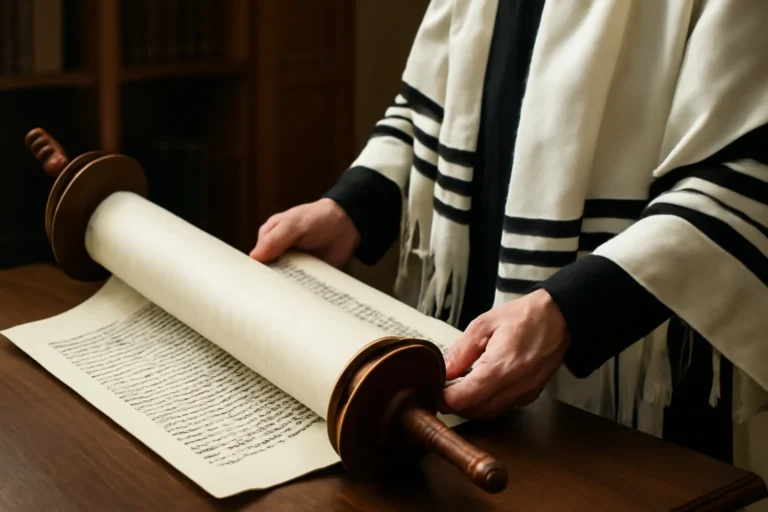
To understand why these practices matter, it helps to recognize the common components of a Sefer Torah: the parchment sheets sewn into a continuous scroll, the wooden handles called Atzei Chayim, the mantle and decorative coverings, the Torah Crown or ornaments, and the yad (pointer) used for reading. Each element carries meaning and function in the service. The following sections outline how these parts influence etiquette and daily routines in communal worship.
Essential equipment and adornments
Several pieces of equipment define the proper handling of the Sefer Torah and help ensure its safe presentation during worship. Familiarity with these items aids both participants and observers in recognizing the appropriate etiquette.
Atzei Chayim — the two wooden or metal handles that support the scroll during lifting and parading; they symbolize the “two trees of life” from the biblical text.
Torah Mantle — the cloth cover that encases the scroll when it is not in use, often elaborately embroidered and color-coordinated with the synagogue’s decor.
Torah Cover and Mantle Sets — additional fabrics or decorative elements that protect and beautify the scroll.
Torah Crown and other ornaments — symbolic finials or crowns placed on the top and sometimes along the rollers to signify the scroll’s importance.
Yad — a slender pointer used to follow the letters during the Kriat HaTorah (Torah reading), ensuring that readers do not touch the parchment directly.
Seal or inscription — some communities bear inscriptions on the mantle or the ark to reflect the synagogue’s lineage or the scroll’s donor history.
Discussion of these items highlights two themes: first, the equipment is not decorative whimsy but functional and symbolic; second, the use of the yad is a physical reminder about respect for the text and the prohibition against touching the surface with bare skin during reading.
Handling and transport: procedures and protocols
Safe handling and respectful transport of the Torah scroll during services involve a sequence of steps that is learned through practice, observation, and guidance from experienced members of the community. Several core procedures recur across communities, even as the exact phrasing and motions may differ slightly.
Initial preparation and setup
Inspect the scroll for any obvious signs of damage or loose stitching before it leaves its case. This is part of a broader preservation-minded approach.
Ensure the ark (Aron Kodesh) is accessible and that the hazzan or service leader has signaled readiness for the Torah to be unveiled or carried.
Confirm that the Atzei Chayim are secure and that the scroll is properly wrapped in its mantle when not in use.
Processions and public presentation
When the Torah is brought out, attendants typically form a modest circle or line. Those who bear the scroll stand with ready posture, demonstrating dignity and restraint.
In many communities, the scroll is raised in a ceremonial motion known as hagbah (lifting). The action is performed with care to avoid any jarring movements; it should be dignified, not showy.
Decorative coverings may be removed momentarily for display, then replaced as the Torah is prepared for the reading, with the mantle again encasing the scroll during transport.
After the reading: return and securement
After the Kriat HaTorah, the scroll is carefully rolled and re-wrapped, often under the supervision of an experienced blessor or ritual assistant.
The Gelilah ceremony—rolling the last segment of the scroll and returning it to the ark—follows and is conducted with similar care and decorum.
Return to the Aron Kodesh with a measured, respectful pace; voices stay subdued, and movement remains coordinated with the service’s cadence.
Etiquette during synagogue: reading, procession, and reverence
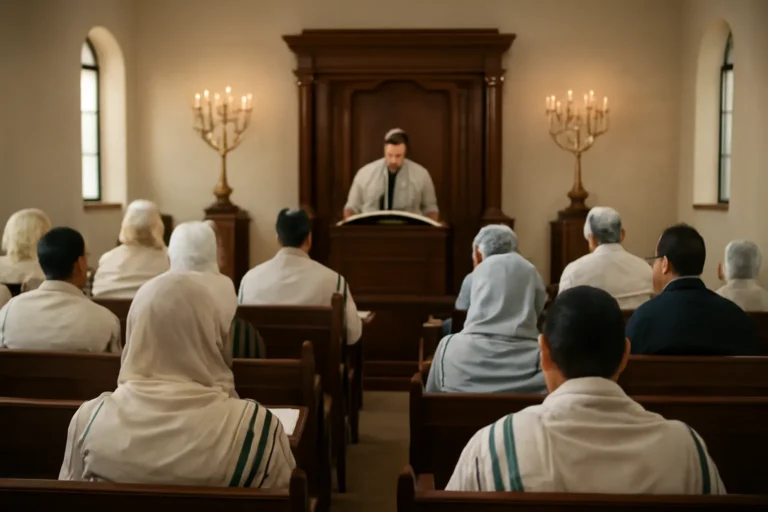
The etiquette surrounding the reading of the Torah and the surrounding procession embodies communal respect for the text. Members of the congregation and guests are expected to observe certain standards to maintain the sanctity of the moment.
Mutual respect and dress
Modest dress and, in many communities, head coverings for men and an appropriate sense of decorum for all participants.
Speaking should be minimal and purposeful; chatter is generally discouraged during the procession, the reading, and the return to the ark.
Anyone involved in handling the Sefer Torah should wash hands or ensure hands are clean, especially when the scroll is being opened or displayed.
During the Kriat HaTorah (Torah reading)
The reader uses the Yad to follow the text, avoiding direct contact with the parchment. This practice reinforces the prohibition against touching the letters directly.
Audience members are expected to listen attentively, observe the cantillation and pronunciation used by the reader, and refrain from distracting movements.
When a blessing or blessing after the reading is recited, those nearby should remain still and respectfully refrain from interrupting the flow of the service.
Hagbah and Gelilah: specific etiquette
Hagbah is typically performed by tallit-wearing volunteers or by lay leaders entrusted with the scroll’s display. The motion should be smooth and controlled to avoid any risk to the parchment.
Gelilah involves wrapping the scroll and then rolling it back to its position. It is often performed by a separate person or a small team, maintaining a sense of reverence throughout the action.
After the completion of the Hagbah and Gelilah, the audience and service participants should acknowledge the moment with standard phrases of respect and, in some communities, a brief moment of silence or applause that is appropriate to the setting.
Variations by tradition: Ashkenazi, Sephardi, and Mizrahi practices
Across the Jewish world, there are meaningful differences in ritual details, language, melody, and procedural idiosyncrasies. Understanding these variations promotes mutual respect and enhances communal cohesion when congregations collaborate or when visitors participate in services abroad or while traveling.
Ashkenazi customs
The Haggadah-like cadence of the service may be accompanied by specific tunes for the Kriat HaTorah and distinct call-and-response phrases.
In many Ashkenazi communities, the Atzei Chayim are held by two men at the center during the Hagbah, with the congregation standing as the scroll is displayed.
Sephardi and Mizrahi customs
Sephardi and Mizrahi communities may incorporate different liturgical melodies, phrasing, and Hebrew terminology when referring to the same actions, such as using Hagbah and Gelilah with distinct rhythmic emphasis.
The dress codes and customs around modesty, use of the tallit, and the role of women in certain traditions may differ, reflecting diverse historical and communal norms.
Practical guidelines for readers, volunteers, and leaders
Whether you are a first-time participant or a seasoned volunteer, these practical guidelines help you contribute to a smooth, respectful Torah handling experience. The emphasis is on safety, care of the scroll, and elevating the spiritual atmosphere of the service.
Preparation checklist
Confirm the service schedule, the portion to be read, and the time allotted for the Torah reading.
Inspect the scroll and mantle for signs of wear, and ensure the ark is ready and accessible.
Assign roles in advance: who will perform Hagbah, Gelilah, and who will carry the Torah to the bimah.
During the reading
Always use the Yad to follow the text; never touch the parchment with bare fingers.
Maintain calm and attentive posture; avoid unnecessary movements that could distract others.
Speak clearly and deliberately when reciting blessings or cantillation marks; ensure pronunciation is consistent with the community’s tradition.
Post-reading responsibilities
Roll and secure the scroll with care, ensuring the parchment lines are aligned and the mantle is properly placed.
Return the scroll to the ark in a manner that preserves dignity and minimizes disruption to the service.
Record any needs for maintenance or repair with the synagogue’s appropriate committees for procurement of materials or professional conservation if necessary.
Preservation, safety, and respect: caring for the scroll
Preservation practices are essential to the longevity of the Sefer Torah and to safeguard the integrity of its physical components. This includes handling, storage, and environmental considerations that contribute to the scroll’s ongoing sanctity.
Handling with care
Always wash or sanitize hands before handling the scroll, particularly when the scroll is exposed for display or reading.
Use only designated Atzei Chayim handles when lifting; avoid gripping the scroll itself near the parchment surfaces.
Avoid exposing the scroll to direct heat, moisture, or harsh sunlight, which can damage parchment and ink.
Storage and display
When not in use, replace the scroll into its case or mantle and keep it in the Aron Kodesh or a designated storage area that is cool, dry, and secure.
Inspect the mantle, cords, and fastenings regularly for signs of wear or pest damage, and arrange for professional conservation if required.
Ethical and spiritual considerations
Approach the scroll with humility, recognizing that the Torah represents a source of communal wisdom and divine guidance for many generations.
Respect for others’ practices and preferences in ritual actions fosters unity, especially when encountering visitors or members from different traditions.
Common scenarios and how to navigate them gracefully
Tricky moments can arise during services, travel, or interfaith gatherings. The following scenarios illustrate practical responses that align with established etiquette while accommodating real-life complexities.
Scenario: A guest volunteers to help with the Hagbah
Offer a brief orientation: explain the role of the Atzei Chayim and the need to lift slowly and steadily.
Provide clear guidance on where to stand, when to begin, and how to coordinate with the reader and the Gelilah operator.
Emphasize safety: avoid crowded movement, protect the edges of the parchment, and maintain a calm pace.
Scenario: The scroll needs maintenance during the service
Consult a designated ritual supervisor or a member of the Gabbai team for guidance.
Avoid altering the procession or halting the service abruptly; if necessary, pause with consent of the service leader and proceed after a brief clarification.
Scenario: A visitor questions the practice of using the Yad
Explain the rationale: to prevent oils and dirt from contacting the parchment; it is a sign of reverence and an adherence to tradition.
Offer to demonstrate proper use and invite them to follow along using a separate observer’s finger until they are comfortable using the Yad themselves.
Community variations: forming a shared language of practice
To foster respectful participation when visiting different congregations or working within diverse communities, it helps to carry a flexible understanding of the common ground and the areas where practice may diverge.
Communication about roles and expectations is essential when the service involves guests or intergenerational participation.
Language and cantillation can vary; listening for cues and following the lead of the local reader is respectful and instructional.
Timeliness and rhythm of the Hagbah and Gelilah may be more deliberate in some communities; adapt your pace accordingly while maintaining the service’s dignity.
Ethical considerations and spiritual symbolism
Beyond practical steps, Torah scroll handling embodies ethical dimensions that shape the character of a worshiping community. These include the sanctity of the text, the responsibility to steward communal assets, and the invitation to awe and gratitude that accompanies spiritual practice.
Sanctity of the text manifests in deliberate movement, clean hands, and mindful proximity to the ark.
Stewardship involves caring for the scroll as a public trust, reporting needs, and participating in ongoing restoration efforts when required.
Awe and gratitude are cultivated through measured, ceremonial actions that elevate the experience of the reading and the congregation’s prayer.
Practical tips for learning and teaching Torah scroll handling
For educators, mentors, and leaders who aim to teach proper handling to new members or to guide children and teens in respectful practice, the following strategies can be helpful.
Provide a brief orientation before any service that involves the Sefer Torah, highlighting the roles, the equipment, and the expected demeanor.
Offer a hands-on demonstration with a safe, unused scroll or a replica to practice the motions of Hagbah and Gelilah.
Encourage questions and provide a glossary of terms such as Aron Kodesh, Kriat HaTorah, Atzei Chayim, and Yad.
Preserving dignity across contexts: travel and interfaith settings
When participating in services outside your home community—whether on vacation, in a Jewish learning program, or within interfaith gatherings—the core principles remain the same, even if procedural details differ. The emphasis is on respect for the Torah, the local tradition, and the people present.
Ask for guidance from the local rabbi or ritual director if you are unsure about a particular practice.
Observe the local etiquette before offering to perform any ritual tasks; follow the lead of the host community.
Approach unfamiliar traditions with openness and humility, recognizing the diversity of worship styles as a strength of the broader tradition.
Checklist: quick reference for ongoing practice
Always treat the Sefer Torah with reverence and never place it directly on the floor or on an unclean surface.
Use the Yad for reading; avoid touching the parchment with bare hands.
Lift and display the scroll slowly and purposefully during Hagbah, keeping the line of sight and posture dignified.
Wrap and secure the scroll carefully after the reading, and return it to the Aron Kodesh with calm, orderly motion.
Maintain proper hygiene and cleanliness when handling or displaying the scroll.
Respect differences in practice while prioritizing the scroll’s sanctity and the service’s rhythm.
Resources for further learning
Many communities host study sessions, workshops, and mentorship programs focused on Torah scroll handling customs. These opportunities can deepen understanding, improve practical skills, and strengthen communal bonds. Useful topics for deeper learning include:
Historical development of Sefer Torah reading procedures
Variations in Kriat HaTorah cantillation and pronunciation
Conservation techniques for parchment, ink, and bindings
Etiquette frameworks for visitors and guests in different communities
Engaging with reliable sources—rabbinic guidance, museum or synagogue conservation literature, and established ritual manuals—helps ensure that practices remain accurate, respectful, and aligned with contemporary standards of care.
Closing reflections: reverence, responsibility, and continuity
In sum, the Torah scroll handling customs weave together tradition, etiquette, and practical guidelines to sustain a living heritage. The rituals surrounding the scroll—its display, its reading, and its return to the ark—are not merely procedural; they are expressions of communal memory, spiritual devotion, and the moral responsibility to protect and preserve sacred objects for future generations. By embracing the varied but coherent practices across communities, congregations can cultivate an atmosphere of solemnity, welcome, and learning that honors both the letter of the text and the living tradition it represents.







Leave a Reply