Appointed Times in Leviticus 23: Meaning, Dates, and Observance
Appointed Times in Leviticus 23: Meaning, Dates, and Observance
Leviticus 23 outlines the divine calendar for Israel’s sacred days, known in Hebrew as the appointed times or moedim. These were not random observances but a structured sequence of Sabbaths, pilgrimage festivals, and seasonal feasts that bound the people to God, to one another, and to the land they inhabited. The passage frames these days as holy convocations, times set apart for worship, remembrance, and corporate gathering. In this article, we will explore the appointed times described in Leviticus 23, their biblical dates within the Hebrew calendar, and how they guided observance and meaning in ancient Israel—and how readers today can understand their significance in a historical, theological, and practical sense.
Understanding the concept of the appointed times in Leviticus 23
The phrase appointed times in Leviticus 23 goes beyond ordinary calendar days. In the biblical idiom, these are days chosen by God to mark special acts of worship, remembrance, and communal life. The Hebrew term moed (singular) and moedim (plural) conveys not merely a time or season, but a purposeful assembly—an intersection of divine initiative and human response. The moedim encompass both the weekly Sabbath and a curated set of seasonal festivals that structure the social and agricultural year. They function as a calendar of memory: remember the creation, remember the exodus from Egypt, remember God’s provision in harvest, and anticipate God’s future redemptive acts.
Several themes run through the list of appointed times in Leviticus 23. They include:
Sabbath observance as the weekly rhythm that punctuates life with rest and dependence on God.
Redemptive memory through Passover and the Feast of Unleavened Bread, which recalls redemption from slavery in Egypt.
Agricultural gratitude through Firstfruits and Weeks (Pentecost), acknowledging the land’s harvest and the generosity of God in provision.
Liturgical seasons such as the Feast of Trumpets, Day of Atonement, and Feast of Tabernacles, each with its own distinctive focus—blowing of the shofar, repentance, and living with God’s people in booths or tabernacles.
Public worship and pilgrimage (in ancient Israel, often central to the life of the community) that culminated in special assemblies, offerings, and shared meals in the presence of the Lord.
In short, the appointed times establish a rhythm of worship that is simultaneously sacred time and a teacher of identity. They shape how the community remembers its past, experiences its present, and anticipates its future in covenant relationship with God. The language of holy convocations and sacrificial offerings in Leviticus 23 emphasizes both divine initiative (God commands) and human response (the people gather, rest, and offer). This dialog between divine command and human obedience gives the dates and the observances their enduring theological shape.
The specific appointed times and their biblical dates
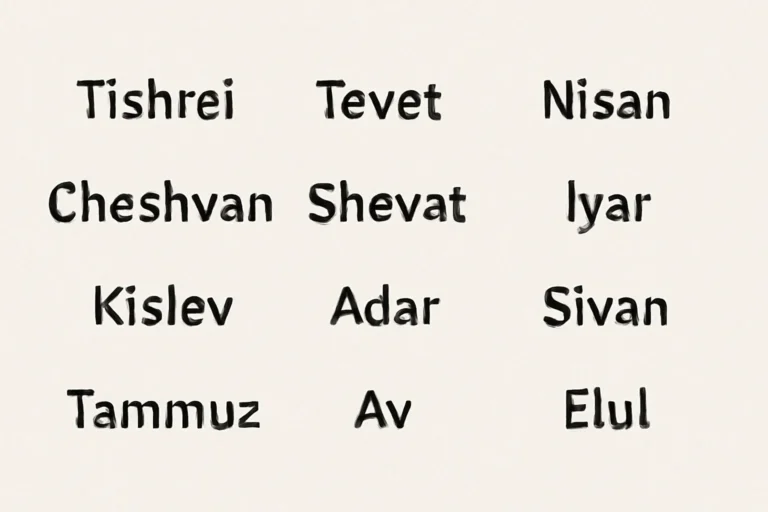
The book of Leviticus enumerates several distinct days and periods, each with particular dates in the biblical calendar. The Hebrew calendar assigns months and days in a lunar framework, with some variations across historical periods and scholarly reconstructions. Below is a structured overview of the appointed times as they appear in Leviticus 23, including their typical dates in the biblical year and an approximate correspondence to common Gregorian calendars. This section uses the ancient calendar to help readers appreciate how the feasts are ordered and why certain days are described as holy convocations or set apart for worship.
Weekly Sabbath
The first and most fundamental appointed time is the weekly Sabbath. Leviticus 23:3 states that “Six days shall work be done: but the seventh day is the Sabbath of rest, a holy convocation.” This is a standing rhythm that recurs every week, beginning Friday at sunset and continuing to Saturday evening. In the biblical calendar, the Sabbath is not a festival in the sense of a harvest festival; it is a recurring sanctuary day designed for rest, trust in God, and communal worship. While its dates are weekly rather than annual, its place at the head of the list underscores its foundational role in the life of the people. The stability of the Sabbath anchors the other moedim in place and meaning.
Passover (Pesach) and the Feast of Unleavened Bread (Chag HaMatzot)
The sequence of plenary days around Passover constitutes a major pair in Leviticus 23. The Passover date falls on the 14th day of the first month (Nisan in the Hebrew calendar), beginning at twilight. The following seven days constitute the Feast of Unleavened Bread, running from the 15th to the 21st day of Nisan. In Leviticus, these days are tied to the exodus event—God’s deliverance of Israel from Egypt. Important moments include a holy convocation on the 15th (the first day of Unleavened Bread) and a second on the 21st (the last day of Unleavened Bread). The days are not only ceremonial but also relational and communal: families gather for meals, offerings, and remembrance of the saving acts of God. The pairing of Pesach and Chag HaMatzot in Leviticus 23 emphasizes both memory (redemption from bondage) and lifestyle (consuming unleavened bread as a sign of quick departure and purity).
In contemporary discourse, readers often encounter the terms Passover and Unleavened Bread together as a single festival complex. The biblical emphasis remains on God’s redemptive act and the call to holiness during a time of transition from slavery to freedom. The textual framing in Leviticus 23 invites the worshiper to see the Passover season as a pivot point in the year’s spiritual calendar, shaping ongoing obedience and communal identity.
Firstfruits (Bikkurim)
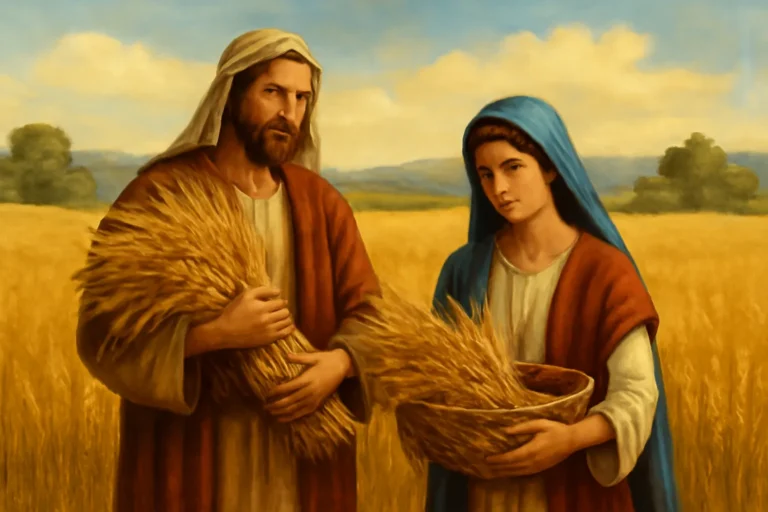
The Firstfruits offering marks a shift from the barley harvest to the next stage of the agricultural year. Leviticus 23:10–11 describes the command: “Speak to the children of Israel, and say unto them, When ye come into the land which I give unto you, and shall reap the harvest thereof, then ye shall bring a sheaf of the firstfruits of your harvest unto the priest.” The timing is the day after the Sabbath during the Feast of Unleavened Bread—the day on which the priest waves the sheaf before the Lord. This linkage between the weekly Sabbath and the festival calendar reinforces the sense that time itself is sanctified, and the harvest is a gift from God. The date of Firstfruits is therefore a moving target within the Nisan–Abib window, tied to the Sabbath in the week of Unleavened Bread rather than a fixed calendar date in the civil year.
Shavuot (Feast of Weeks, Pentecost)
Following Firstfruits, the calendar instructs counting seven full weeks (49 days) plus one day, culminating in the Feast of Weeks on the fiftieth day, known as Shavuot. Leviticus 23:15–16 directs the counting: “From the day after the Sabbath, from the day that ye brought the sheaf of the wave offering, seven complete Sabbaths shall be fulfilled.” The 50th day, after this counting, is the day of the offering at the conclusion of the counting period. Shavuot celebrates the completion of the grain harvest and, in later tradition, marks the giving of the Law at Sinai. The biblical text ties the timing to the agricultural cycle and the covenantal memory of Israel’s formation as a people under God. In terms of dates, Shavuot typically falls in late spring to early summer in the Gregorian calendar, often around late May or June, depending on lunar calculations and the year’s beginning.
The next major festival in Leviticus 23 is the Feast of Trumpets, described as a holy convocation on the first day of the seventh month. The event is signaled by the blowing of trumpets, a call to wakefulness, repentance, and reflection. In Leviticus 23:24, the command is explicit: “In the seventh month, on the first day of the month, shall be a holy convocation; you shall not work at your ordinary labor, and you shall present an offering made by fire to the Lord.” The date here is 1 Tishrei, which in the civil calendar is typically in September or October. The emphasis of Yom Teruah is not sacrifice alone but the spiritual posture of readiness before God, including repentance and self-examination in the year’s new cycle. The biblical text frames this as a time of communal assembly and special worship rather than a single-day feast of feasting, making it distinct from other celebration-oriented moedim.
Yom Kippur (Day of Atonement)
The most solemn of the appointed times in Leviticus 23 is the Day of Atonement. On the tenth day of the seventh month (10 Tishrei), the high priest enters the Most Holy Place to perform the atonement ritual for the people. Leviticus 23:27–32 describes the fast, the cry for repentance, and the solemn assembly that accompanies this day. The Day of Atonement is a day of reflection, purification, and reconciliation with God and neighbor. The timing is exact: the 10th day of the seventh month, following the blasts and convocations of the prior month’s opening. In historical practice, Yom Kippur stands apart as a time of intense prayer, fasting, and confession, often observed as a somber counterpoint to the festival cycle’s more celebratory days. It anchors the year in humility before God and fosters communal renewal through sanctified confession and forgiveness.
Sukkot (Feast of Tabernacles or Booths) and the Eighth Day
After Yom Teruah and Yom Kippur, the biblical calendar brings the Feast of Tabernacles (Sukkot), beginning on the fifteenth day of the seventh month and lasting seven days (15–21 Tishrei). During this period the people dwell in booths (sukkot) to recall the wilderness wandering and dependence on God’s provision. Leviticus 23:39 describes the celebratory rhythm: a week of booths, with a holy convocation on the first and central offerings on the eighth day. The 8th day—often called Shemini Atzeret in later tradition—appears in Leviticus 23:36 and 39 as a continuing sacred gathering after the seven days of Sukkot. The holiday structure emphasizes hospitality, communal meals, and the presence of God—“a cloud by day and fire by night” imagery in the memory of the wilderness era. In the modern calendar, Sukkot remains a time of joyous harvest thanksgiving, while Shemini Atzeret (the eighth day) is observed as a distinct, holy closing of the festival cycle. The connection between Sukkot and its closing day embodies a complete arc: dwelling with God in the present moment and in remembrance of past provisions.
Observance across history: how the appointed times shaped worship and life
In the biblical text, the observance of the appointed times is not a bare list of obligations. It is a lived theology—how a people order time, space, food, and communal worship around God’s redemptive acts and holy character. Several aspects stand out in the narrative and legal material of Leviticus 23:
Sacramental structure: Each festival has a sacramental function—an outward act (sacrifices, offerings, or symbolic meals) that communicates divine grace and human response.
Holiness and rest: The weekly Sabbath and many festival days require rest and sanctity of time, setting apart ordinary work from sacred time.
Pilgrimage and assembly: The pilgrimage festivals (Passover, Weeks, Tabernacles) involved public gatherings in Jerusalem (when feasible) and a sense of national or communal identity focused on God’s presence among the people.
Memory and expectation: Each moed preserves memory (redemption from Egypt, exodus journey, Sinai revelation) and nourishes expectation for future redemption. The calendar thus becomes a pedagogy—teaching who God is, what he has done, and how his people should live in response.
Agricultural rhythm: The feast cycle aligns with harvests and agricultural cycles. Firstfruits and Weeks anchor the seasonal economy in worship, reminding the community that provision is a gracious gift from God.
Historically, the observance of these days shaped Jewish communal life in the centuries after the giving of the law. They dictated when the community came together, what was offered, what meals were shared, and how time itself was organized in covenant relationship with God. The biblical instruction thus yields a calendar that is at once liturgical, agricultural, and civil—an integrated rhythm for a people called to live in holiness before their God.
Meaning and significance of the appointed times in Leviticus 23
Beyond the practicalities of dates and rituals, the appointed times carry deep theological meaning. They are gatherings in which memory, worship, and social life converge to form a people who recognize God as their Redeemer, Provider, and King. Here are some core strands of their significance:
God’s redemption as ongoing story: Passover and the associated Unleavened Bread festival stage the memory of liberation from Egypt. The annual retelling keeps the Exodus present as a living narrative, shaping identity and ethical allegiance.
Gratitude for provision: Firstfruits and Weeks tie the community’s life to the cycle of harvest. They acknowledge God as the giver of the land’s produce and the source of life itself, inviting generosity and social equity in the distribution of abundance.
Remembering Sinai and covenant: Shavuot, with its association to receiving the Law at Sinai in later tradition, anchors a sense of divine revelation and covenantal obligation. It marks the moment when the people became mutually dedicated to God’s ways and commandments.
Call to repentance and holiness: Yom Teruah and Yom Kippur place the people before God in sober, repentant worship. The day of blowing trumpets serves as a wake-up call; the Day of Atonement provides a path to restoration and reconciliation within the community and with God.
Presence among the people: Sukkot and the accompanying festival of booths emphasize God’s presence with the community as they dwell in temporary shelters, symbolizing trust, dependence, and hospitality. The final qualifying days emphasize joy, remembrance, and invitation into God’s presence.
From a theological perspective, the appointed times reveal a God who acts in history and who invites his people into a shared life of worship, justice, and covenant loyalty. The interplay between law, ritual, memory, and expectation weaves a rich tapestry of meaning that has influenced Jewish and Christian interpretations of time, season, and sacred space for millennia.
Contemporary applications: observing the appointed times today
For readers in the modern world, understanding Leviticus 23 can inform how one approaches sacred time within a diverse and global context. While the physical pilgrimage to a central sanctuary like ancient Jerusalem may not be feasible in many eras and locations, the spirit of the appointed times offers several practical pathways for contemporary observance:
Weekly Sabbath rest remains a universal anchor for many communities. Observing a deliberate day of rest, worship, and family life can echo the biblical pattern, emphasizing time as a gift rather than mere productivity.
Passover commemoration in homes and congregations—through readings, symbolic meals (the Seder), and remembrance of liberation—continues to connect people with the story of redemption and God’s faithfulness.
Harvest Moadim in personal or communal settings can take the form of gratitude-based observances, charitable giving, and sharing the harvest’s abundance with those in need, echoing the Firstfruits and Weeks themes.
Rosh Hashanah and Yom Kippur in a modern frame can focus on personal and communal repentance, ethical reflection, and spiritual renewal, even where the full temple-centered liturgy is not present.
Sukkot-inspired hospitality can manifest as intentional hospitality, learning about different cultures and the vulnerable, and practicing hospitality in temporary dwellings (tents or booths) for a season to reflect dependence on God’s provision.
Educational and liturgical rhythms surrounding these days can guide families and faith communities in a calendar that prioritizes memory, gratitude, repentance, and communal celebration as a coherent narrative of life with God.
In practice, modern observance often takes on diverse expressions across traditions—Judaism, Christian communities, and interfaith settings all interpret and celebrate these dates in ways that reflect their theological emphases and cultural contexts. Still, the throughline remains: time set apart for God is time that forms people. The appointed times invite a sustained rhythm of worship, study, hospitality, and shared life that transcends one generation and invites continuity with those who came before and those who will come after.
Frequently asked questions about the appointed times in Leviticus 23
Are all these dates fixed to modern calendars, or do they change every year?
The biblical dates are anchored to the Hebrew lunar calendar, which means some dates shift in relation to the Gregorian calendar year by year. The months used in Leviticus 23 include Nisan (also called Abib in some texts) and Tishrei, among others. Because the lunar cycle and the calendar correction rules (to keep major feasts aligned with the seasons) influence the exact day-to-day dates, the precise Gregorian dates vary annually. The structure and sequence—Sabbath, Passover, Firstfruits, Weeks, Trumpets, Atonement, Sukkot, and Shemini Atzeret—remain constant, even if the corresponding Gregorian dates shift.
Is Shemini Atzeret part of Leviticus 23, or is it a later development?
The text of Leviticus 23 includes the expression of the “eighth day” in the context of the Feast of Tabernacles (Sukkot). This is often understood as the formation of Shemini Atzeret as a distinct, additional day following Sukkot. In later Jewish tradition, Shemini Atzeret is treated as a separate festival with its own distinctive prayers and practices, while in Leviticus it appears as part of the closing pattern of the festival cycle. So, while the eighth day is present in the biblical text, the development of Shemini Atzeret as a separate festival is a later interpretive and liturgical tradition that builds on the biblical framework.
What is the relationship between the appointed times and the agricultural calendar?
One of the clear features of the moedim is their alignment with agricultural cycles. Firstfruits and Weeks explicitly tie to harvest timing, while Passover and Unleavened Bread accompany the spring harvest and the pilgrimage season. Sukkot gathers in the autumn harvest and celebrates God’s provision in the wilderness as well as in the land. The agricultural context does not disappear in modern observance, but it may be expressed symbolically or simply remembered through ritual meals, gratitude prayers, and acts of charity that reflect harvest themes.
Conclusion
Leviticus 23 presents a rich and structured calendar of appointed times that binds memory, worship, and daily life into a single framework. The moedim—the weekly Sabbath and the annual feasts of Passover, Unleavened Bread, Firstfruits, Weeks, Trumpets, Atonement, Tabernacles, and the eighth day after Tabernacles—offer a theology of time in which history, providence, and covenantal relationship are celebrated, recalled, and renewed. Understanding these dates and their observances helps readers appreciate how ancient Israel related to God through rhythm, sacrifice, feast, and pilgrimage. It also invites contemporary readers to reflect on what it means to set apart time for God in a modern world—how to honor memory, pursue justice, cultivate hospitality, and live with a hopeful expectation of God’s continued presence among his people. The legacy of Leviticus 23 remains a living invitation to reimagine sacred time as a communal act of worship, memory, and anticipation, rooted in the ancient words of Scripture yet continually resonant in diverse religious communities today.





Leave a Reply