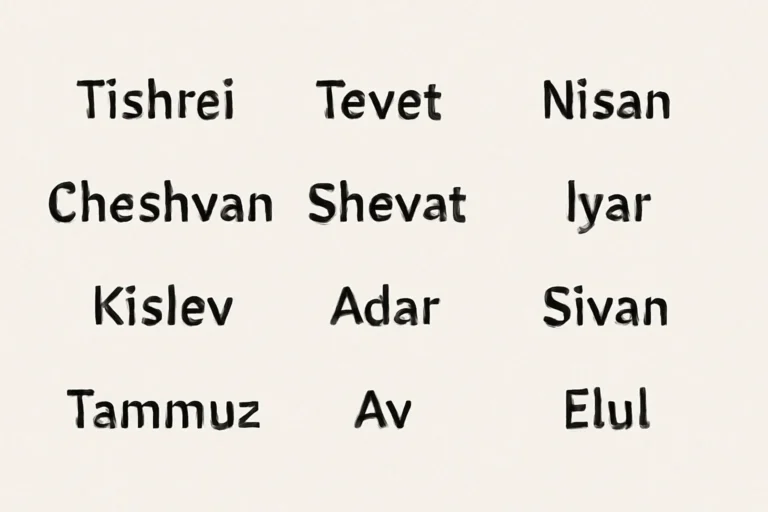
The year 2027 on the civil calendar aligns with the Hebrew year 5787, a period rich with the rhythm of the Jewish festival cycle. In 2027, many of the core Moadim—the appointed times in the Hebrew calendar—return with their familiar themes: renewal, repentance, gratitude, memory, and harvest. Because the Jewish calendar is lunisolar, the exact Gregorian dates shift from year to year, and certain observances differ slightly between Israel and the diaspora. This guide surveys the major feast days and religious observances for 2027, explaining the Hebrew dates, the traditional customs, and practical ways to participate whether you are planning services, family gatherings, or personal study.
Foundational structure: the Hebrew calendar in a leap year
In the Hebrew system, the year is counted in molad cycles and interleaves lunar months with solar seasons. The year 5787 is a leap year in the traditional 19-year cycle, meaning Adar is split into two months: Adar I and Adar II. Because of this, some holidays shift from one month to another or take on a different day-count during the leap year. For example, Purim is observed on 14 Adar II in leap years, and Shushan Purim is celebrated on 15 Adar II in many communities. In other respects, the major holidays preserve their order and their spiritual focus: Rosh Hashanah leads into Yom Kippur, which then ushers in Sukkot and its surrounding observances.
The following sections present each festival as it appears in 2027, together with notes on Israel versus diaspora practice, typical foods, liturgical highlights, and ideas for individual or family observance.
Rosh Hashanah and the early fall return of the year
What it is and when it occurs
The Rosh Hashanah festival spans 1–2 Tishrei in the Hebrew calendar. In 2027, those dates mark the start of the new year in a manner that is both solemn and hopeful. The days are observed as an occasion for introspection, prayer, and the sound of the shofar, which calls for reflection and renewal.
As a two-day holiday in the diaspora, most communities mark both days with prayer services, festive meals, and customary greetings such as “L’Shanah Tova.” In Israel, the observance is typically observed over a single day, reflecting the more ancient practice of one-day Yom Tov in the land of Israel.
Customs, foods, and spiritual themes
Prayers center on the renewal of the soul and the relationship with God, with a special emphasis on the shofar and its penetrating blast. The sounds are meant to awaken repentance and moral resolve for the year ahead.
Traditional foods include round challot to symbolize the cycle of the year and honey cake or honey-dipped foods to symbolize sweetness in the coming year.
Many families dip apples in honey and recite symbolic prayers that focus on blessing, peace, and prosperity. The season invites acts of charity and reconciliations with others, aligning personal growth with communal harmony.
Yom Kippur — the Day of Atonement
What it is and when it occurs
Yom Kippur falls on 10 Tishrei, and is observed as the holiest day of the Jewish year. In 2027, expect a full day of fasting, prayer, reflection, and synagogue services that begin before sunset and continue into the night following the fast.
The day is marked by a solemn atmosphere, with abstention from food and drink, leather shoes, and certain physical pleasures, as a means of spiritual purification and repentance.
Observances, liturgy, and practical guidance
Key liturgical elements include Kol Nidre on the eve of Yom Kippur and lengthy daytime services with repeated confessional prayers (the Vidui) and the Ne’ilah closing service as the fast ends.
People break the fast with a light meal—often including dairy or soft foods—after sunset. It is common to prepare meals in advance and to schedule shorter services for families with children.
In communities around the world, Yom Kippur is a day of forgiveness, reconciliation, and a sober reminder of personal and communal responsibilities.
Sukkot and its surrounding days
Overview and Hebrew dates
Sukkot begins on 15 Tishrei and continues through 21 Tishrei in the Hebrew calendar. In 2027, this harvest festival marks the transition from Yom Kippur’s solemn mood toward gratitude and joy, culminating in special assembly and prayer.
In the diaspora, additional days are observed as part of the festival, including chol ha-mo’ed (the intermediate days) that provide a rhythm of work and rest, while in Israel the observance often emphasizes the single, more compact week.
Key rituals, sukkahs, and symbolic foods
Central to Sukkot is the sukkah, a temporary booth that commemorates the Israelites’ journey through the wilderness. Families eat meals in the sukkah and may invite guests to share in the shelter as a symbol of hospitality and community.
The Lulav and Etrog, the palm branch and citrus-like fruit, are waved in a ceremonial blessing during services. This ritual emphasizes unity and gratitude for the produced harvests and the protection of the community.
Traditional foods include harvest-inspired dishes, stuffed vegetables, and seasonal fruits. Some customs involve sprinkling water on the sukkah walls or decorating with leafy branches to celebrate the outdoorsy spirit of the festival.
Shemini Atzeret and Simchat Torah
Following Sukkot, Shemini Atzeret is observed on 22 Tishrei, with many communities also celebrating Simchat Torah on the same day in Israel. In the diaspora, Simchat Torah often falls on 23 Tishrei, depending on local customs and synagogal calendars.
Liturgical cycles are celebrated with special hakafot (circle dances) and the completion and restart of the Torah reading cycle, a moment of communal celebration and Torah study.
Hanukkah — the Festival of Lights
What it is and the calendar frame
Hanukkah spans from Kislev 25 for eight days, ending in Tevet. In 2027, the exact Gregorian days will shift with Kislev, but the festival generally appears in late December to early January on the civil calendar.
Although not a biblical festival, Hanukkah remains one of the most beloved Jewish holidays, celebrated with candles, prayers, and a spirit of resilience and hope.
Traditions, foods, and meaning
Each night, a new candle on the menorah is lit, culminating in eight lights on the final night. The lighting emphasizes miracles, gratitude, and the rededication of the community’s religious life.
Foods such as latkes (potato pancakes) and sufganiyot (jelly donuts) appear on family menus—fried foods are a traditional nod to the miracle of oil that lasted eight days in the temple rededication story.
Other customs include playing dreidel, giving small gifts, and telling the tale of the Maccabees’ victory and the rededication of the Temple in Jerusalem.
Tu BiShvat — New Year for Trees
Dates and spiritual focus
Tu BiShvat falls on the 15th of Shevat in the Hebrew calendar. In 2027, this occurs at a point in winter that invites reflection on nature, the environment, and the cycles of growth.
Traditionally observed with fruit-filled dishes—especially fruits associated with the land of Israel—and the planting of trees in some communities, Tu BiShvat blends ecological awareness with Jewish gratitude for the world’s gifts.
Purim is observed on 14 Adar in a non-leap year and on 14 Adar II in a leap year such as 5787. In Israel, some communities observe additional customs around Shushan Purim, which centers on the day of the capital city’s Purim festivities and has variations by locale.
The day centers on the reading of the Megillah (the Book of Esther), giving gifts of food to friends (Mishloach Manot), giving to the poor (Matanot La’evyonim), and a festive meal (se'udat Purim). The atmosphere is one of celebration and communal solidarity.
Traditions, costumes, and festive foods
Hamantaschen, triangular pastries filled with poppy seed, fruit, or chocolate, are a signature Purim treat. They symbolize the defeated antagonist’s ears and serve as a playful reminder of the story’s twists.
Costume-wearing and playful masquerades are common at Purim gatherings, underscoring the themes of reversal and hidden meanings in the Megillah’s narrative.
Communities across the world engage in charitable acts, community megillah readings, and lively communal meals that emphasize gratitude for deliverance and the strength of Jewish solidarity.
Passover — Pesach: freedom, memory, and redemption
Overview and Hebrew calendar
Passover (Pesach) runs from 15–22 Nisan in the Hebrew calendar. In a leap year such as 5787, Purim and Passover schedules are carefully aligned, and Israel typically observes 7 days with two Yom Tov days, while the diaspora often keeps eight days of holiday observances, including the first and last days as full festival days.
The Seder, unleavened bread, and the central message
Passover begins with the Seder, a guided family meal featuring the reading of the Haggadah, which retells the Exodus from Egypt. The Seder emphasizes pedagogy, storytelling, and the transmission of memory to younger generations.
Chametz (leavened grain) is prohibited during the festival. Homes are cleaned to remove chametz, and meals are built around matzah, the flat unleavened bread that symbolizes humility and the haste with which the Hebrews left Egypt.
Special foods, including karpas (greens), maror (bitter herbs), charoset (a sweet mixture symbolizing the mortar used by enslaved Israelites), and zeroa (a roasted bone dish) appear on the Seder plate as symbolic elements that guide participants through the narrative of liberation.
Shavuot — the Festival of Weeks and the giving of the Torah
Dates, themes, and study traditions
Shavuot occurs on 6–7 Sivan in the Hebrew calendar. In 2027, this festival marks the completion of the counting of the Omer and the historic giving of the Torah at Mount Sinai.
The festival emphasizes Torah study, learning, and reflection. It is customary to stay up all night (Tikkun Leil Shavuot) to engage in intense study and discussion of Jewish texts.
Customs, dairy foods, and ceremonial readings
Many communities serve dairy meals—symbolizing the “land flowing with milk and honey” described in the Torah. Dairy foods such as cheese, cheesecake, and dairy pastries are popular choices.
Special prayers and readings, including the renewal of the covenant and the reception of the Ten Commandments, anchor the day’s spiritual focus. School-age children often participate in Bible study and learning activities centered on the theme of revelation and covenant.
Tisha B’Av — fasting and remembrance
Understanding the fast day
Tisha B’Av occurs on 9 Av in the Hebrew calendar and is observed as a day of fasting and lamentation. In 2027, it carries the memory of historical tragedies that affected the Jewish people, and it is observed with synagogue services, readings from Lamentations, and introspective practices.
Leading up to Tisha B’Av, many communities observe a period of mourning known as the Nine Days (or the Three Weeks), with increasingly stringent customary restrictions that culminate on the day itself.
How communities observe and reflect
Fasting rules apply to adults and certain younger participants, with guidance provided by local rabbis. The day’s liturgy focuses on lament, prayer, and the hope for healing and restoration.
Because Tisha B’Av is a somber occasion, many families use the day for contemplative study or shared storytelling about resilience in the face of hardship.
Related observances and notes for 2027
In addition to the major festivals, there are several minor fasts and seasonal observances that help structure the year. Some of these dates shift with the calendar and can vary by community, but they contribute to the rhythm of Jewish life in 2027. Examples include Rosh Chodesh (the beginnings of new Hebrew months), and special prayers on fast days that are either minor or are associated with historical commemorations. Parents, educators, and congregations often weave these into lessons about time, seasons, and Jewish law.
A core aspect of Jewish feast days is the practical difference between Israel and the diaspora. Some holidays are observed on different days or with different intensities. For instance:
Rosh Hashanah may be observed for two days in the diaspora but often for one day in Israel.
Passover generally lasts seven days in Israel and eight days in many diaspora communities, with the first and last days treated as Yom Tov in both contexts but with different ceremonial structures.
Simchat Torah and Shemini Atzeret may be celebrated on the same day in Israel versus one day apart in some diaspora communities, depending on local custom and the calendar year (including leap-year adjustments).
These differences reflect centuries of religious development and the practical realities of ritual life in different places. Regardless of location, the core ideas remain aligned: a people recalling the past, sanctifying time, and seeking spiritual renewal in a shared calendar.
If you are organizing a family celebration, a temple or community program, or a personal study plan for jewish feast days 2027, consider the following practical steps:
Start with the Hebrew dates: Build your plan around 1–2 Tishrei for Rosh Hashanah, 10 Tishrei for Yom Kippur, 15–21 Tishrei for Sukkot, 22–23 Tishrei for Shemini Atzeret/Simchat Torah (diaspora timing varies), Kislev 25 for Hanukkah, 15 Shevat for Tu BiShvat, 14 Adar II (Purim in leap year), 15–22 Nisan for Passover (diaspora), and 6–7 Sivan for Shavuot.
Consider the diaspora-Israel nuance: If you are coordinating a program that serves both communities, plan dual calendars or clearly label which days correspond to which practice.
Incorporate family activities that reflect the season: cooking traditional foods, reading relevant biblical or historical texts, learning a new prayer or blessing, and inviting guests to share in the experience.
When organizing a synagogue schedule, work with your rabbi or cantor on the specific service formats for 2027, including potential variations due to leap-year considerations.
Summary: the enduring significance of the Jewish feast days 2027
The year 5787 in 2027 offers a vibrant opportunity to study and participate in the full spectrum of Jewish feast days. From the urgent calls to repentance on Yom Kippur to the communal joy of Sukkot, the quiet sanctity of Tu BiShvat, the rededication of the Temple memory in Hanukkah, the liberation narrative of Passover, and the giving of the Torah at Shavuot, each festival invites both personal growth and shared culture. The leap-year pattern in 5787 adds its own subtle shifts, reminding communities to stay connected to the calendar’s structure while remaining flexible in how they create meaningful observances.
Whether you are an individual observer, a family planning celebrations, or a leader coordinating a community calendar, the Jewish feast days 2027 offer a rich framework for learning, hospitality, charity, and spiritual renewal. By embracing the ancient patterns and adapting them to contemporary life, you keep the covenantal rhythms alive and make space for reflection, gratitude, and hope in the year ahead.






Leave a Reply