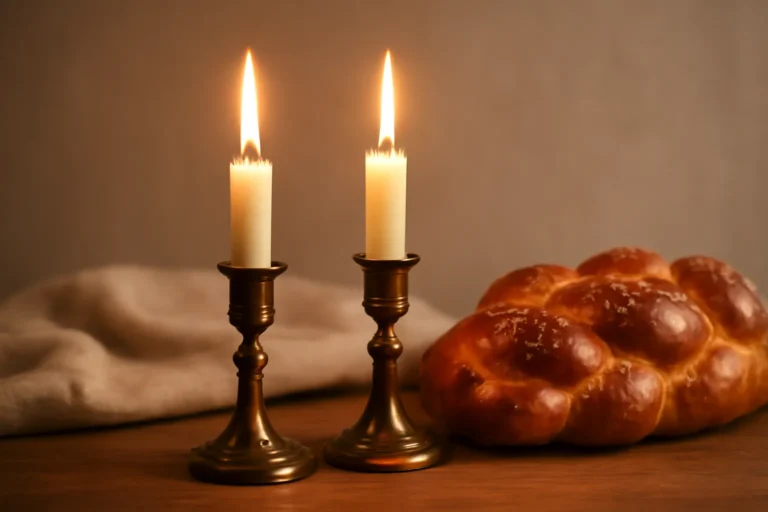
Church Candle Stands: Durable and Elegant Sanctuary Lighting
In many sacred spaces, the gentle glow of candlelight is more than decoration—it is a deliberate statement about reverence, history, and the practical needs of a worshiping community. Church candle stands and their varied iterations have evolved into essential elements of the sanctuary, combining durability, graceful aesthetics, and under demanding ceremonial conditions. From the altar to the processional corridor, the right candlestand can enhance visibility for liturgy, support ceremonial processions, and contribute to the overall atmosphere of sacred space. This article explores the many facets of candle stands used in churches, including materials, design families, safety concerns, and practical guidance for selection and maintenance.
Materials that endure: the backbone of candle stands
The selection of materials for altar candlesticks and their variants is informed by a balance between stability, longevity, and visual impact. Different traditions favor different textures and finishes, but a successful church candlestand must withstand heat, moisture, handling, and, in some cases, high-traffic use during celebrations.
Bronze and Brass: Classic metals for sacred spaces
Bronze and brass have long been favored for altar candle stands due to their rich patina, ductility, and stability at high temperatures. Bronze, with its bronze-green or deep-earth tones, conveys solemnity and permanence. Brass, with its warmer, golden hue, can illuminate an entire chancel and highlight intricate engravings or reliefs. In addition to aesthetics, these metals offer:
Excellent heat resistance, which is essential for long-burning candles.
Durable construction that resists bending or warping under regular use.
Resistance to corrosion in indoor environments when properly maintained.
For many congregations, bronze or brass candlestands are paired with careful patination strategies or protective coatings to preserve their finish over decades of service.
Wood: Warmth and tradition
Wooden stands bring earthy warmth and a traditional aesthetic that integrates well with stone and stained glass. High-quality woods such as oak, maple, or cherry can be carved with symbolic motifs or finished with protective lacquers or oils. Key considerations include:
Choice of hardwood for durability and resistance to nicks and dents.
Appropriate finishes that protect against candle wax, heat, and humidity.
Conscious design to prevent wax spillage from seeping into joints or crevices.
Wooden stands can be massive and stately or light and elegant, depending on the architectural language of the church. Some designs incorporate metal hardware for reinforcement and a modern counterpoint to carved elements.
Aluminum and modern alloys: Lightweight and adaptable
In contemporary churches, aluminum and other lightweight alloys offer ease of installation, intrinsic strength, and a corrosion-resistant profile. These materials are favored in portable or processional stands, where weight is a practical constraint. Benefits include:
High strength-to-weight ratio, enabling tall, sweeping silhouettes without heavy loads.
Versatile finishes such as anodized metals or powder coatings that resist tarnish and can be color-matched to interior design.
Compatibility with modern lighting elements and integrated safety features in some designs.
Stone, marble, and ceramic: Timeless gravitas
For churches seeking monumental presence, solid stone or marble candlestands can anchor a sanctuary with a sense of permanence. Ceramic or other ceramic-glazed materials may be used for stand bases or decorative panels. Considerations include:
Weight and anchoring requirements to prevent tipping on uneven floors.
Compatibility with candle types, such as wax purity, to avoid staining or frequent cleaning.
Potential for inlaid symbols or intricate inlay work that echoes liturgical art.
Other materials: Ceramic, glass, and hybrid designs
Some stands blend materials—glazed ceramic bases with metal stems, or glass inserts that provide a luminous backdrop for candlelight. These hybrid designs can achieve a soft glow or a contemporary silhouette while maintaining safety standards.
Design families: from traditional to contemporary silhouettes
Church candle stands come in a spectrum of design families. Each family serves different liturgical settings, ritual durations, and architectural vocabularies. Understanding the main categories helps congregations select pieces that blend with their worship style.
Altar candlesticks and single-arm stands: Core elements of the sanctuary
At the heart of most sanctuaries are sturdy altar candlesticks—often tall, columnar forms with a broad base for stability. These pieces are typically placed on or near the altar table in a way that commands visibility for the congregation while aligning with sightlines toward the pulpits or choir. Key attributes include:
Symmetrical or paired arrangements that emphasize balance and ritual order.
Reinforced bases to stand through long liturgical seasons and frequent processions.
Simple to ornate detailing that respects the surrounding architecture.
Multi-arm candelabras: Symbolic light abundance
For cathedrals and larger chapels, multi-arm candelabras offer a dramatic presentation of light. They symbolize abundance, unity, and the radiance of faith. Typical characteristics:
Two, four, six, or more arms radiating from a central column.
Complex bases designed to anchor tall freestanding units safely on uneven floors.
Opulent finishes that complement heraldic motifs, organ pipes, or frescoes.
Processional stands and portable options: Lighting on the move
Processional candlestands are designed for mobility, speed of setup, and safe carrying during liturgical processions. They are often lighter in weight and modular in construction, with features such as:
Detachable or collapsible components for transport.
Carrying handles, wheeled bases, and locking mechanisms for stability during movement.
Weather and indoor-use considerations when paraded through outdoor spaces during certain feasts.
Integrated lighting and contemporary silhouettes
Contemporary churches sometimes favor integrated lighting solutions within the candlestand design. This may involve:
LED lighting elements discreetly incorporated into candle cups or rims for added brightness.
Minimalist forms with clean lines, emphasizing the architecture rather than ornament.
Flexible mounting options that accommodate assistive devices or accessibility guidelines.
Functional considerations: stability, safety, and maintenance
Beyond beauty, a candle stand must perform reliably. The sanctuary houses lit candles in a setting where heat, wax, and movement are constants. The most successful candlestands meet safety requirements while preserving aesthetic integrity.
Stability and anchoring
Stability is fundamental for preventing wax spills, tipping hazards, and accidental contact with congregants. Considerations include:
A broad, weighted base that resists tipping on variable floor surfaces.
Non-slip pads or grippy bases to mitigate movement on polished stone, tile, or wood floors.
Anchoring systems in some larger installations, especially where stairs or sloped floors exist.
Wax management and heat protection
Candle stands must be designed to handle generous wax drips and high heat. Effective measures include:
Wax cups or bobeches that trap wax and protect underlying surfaces.
Heat-resistant materials at flame contact points and smoke-tinted glass shades to reduce glare.
Removable liners for easy cleaning and wax disposal without damaging the stand.
Age, wear, and long-term durability
Church candlestands experience regular use over decades. Durable furniture often features:
Machined threads and reinforced joints for repeated assembly and disassembly.
Protective finishes that resist fingerprints, tarnish, and wax staining.
Repairability—modular components that can be replaced without sacrificing the entire structure.
Cleaning and care routines
Maintenance plans help preserve beauty and function. Consider a routine that covers:
Regular wax removal using non-abrasive cleaning methods to prevent surface damage.
Periodic polishing of metal surfaces with appropriate metal-safe polishes or coatings.
Inspection for cracks or loosened joints after each major liturgical season.
Safety protocols and compliance
Safety is non-negotiable in worship spaces. Best practices include:
Nonflammable or flame-retardant candles when possible, with a plan for evacuations in emergencies.
Clearances around stands to avoid crowding during processions and congregational movement.
Adherence to local fire codes and church insurance guidelines, including documented maintenance records.
Symbolism, liturgy, and the spiritual dimension of lighting
Lighting in church settings is deeply symbolic. The candle stands serve as both practical devices and carriers of meaning. The flame embodies presence, prayer, and divine light entering a community. The arrangement, number of candles, and the quality of light can reflect theological themes and liturgical seasons.
Symbolic configurations
Altar candle stands often appear in pairs or multiples, echoing the concord between worshippers and the divine. In some traditions, the number of candles corresponds to liturgical seasons or feast days. When paired with paschal candles or sanctuary lamps, the candlestands reinforce continuity from the Old Covenant to the New Testament story celebrated in a given service.
The interplay of light and architecture
Light drawn from stands interacts with stone, wood, glass, and iconography to create a theological atmosphere. The metal’s sheen catches warmth from the torches or chandeliers, while carved bases and stems create shadows that animate walls and floors. The design language of a candlestick or candelabrum can echo the church’s architectural era—Gothic, Romanesque, Baroque, or modernist—and thereby unify liturgical action with the sanctuary’s form.
During Advent and Lent, candle stands may be arranged with emphasis on restraint and penitential tones, whereas Easter celebrations might feature brighter, more exuberant configurations with additional candles or ceremonial candles. The liturgical calendar often informs both the number of stands used and their placement within the nave, chancel, or choir loft.
Historical perspectives: how candle stands evolved across traditions
The history of candlestands in churches reflects broader shifts in art, technology, and ecclesial life. The evolution from simple wax-holders to elaborately engineered stands reveals how communities balanced devotion, aesthetics, and practicality over centuries.
Medieval to Baroque: grandeur and ritual function
In medieval churches, candle stands often featured heavy stone or metal bases and tall shafts with minimal ornamentation, designed to project light into vast spaces. By the Baroque period, stands and candelabras could be highly ornamented, with gilded surfaces, scrollwork, and symbolic motifs that complemented organ music and theatre-like processionals. Through these eras, the stands remained anchored in service to worship and ceremony.
Eastern and Western traditions: parallel paths
In Eastern Christian liturgies, ceremonial stands and censers shared a family resemblance to Western candlestands but developed distinct stylistic norms, often with Byzantine-influenced shapes and iconography. In the Western tradition, the Renaissance and Baroque periods introduced intricate metalwork and sculptural bases, while the modern era saw a move toward streamlined silhouettes that harmonize with contemporary sanctuaries.
Modern craftsmanship: combining tradition with innovation
Today’s church candle stands reflect a fusion of time-honored craftsmanship and modern manufacturing techniques. Artisans may combine traditional hand-finishing with precision machining, enabling components that fit together seamlessly, endure years of use, and accommodate LED integrations or safety-conscious candle systems that reduce wax and flame exposure while simulating a traditional flame.
Choosing the right stand for your church: guidance for congregations
Finding the appropriate candlestand involves evaluating space, liturgical practices, budget, and maintenance capabilities. Below are practical considerations and decision-making guidelines to help communicators, pastors, and parish administrators pick stands that serve both form and function.
Assessment criteria: space, scale, and sightlines
Before selecting a candlestick or candelabrum, consider:
Sanctuary dimensions including ceiling height, altar length, and the width of the chancel.
Line of sight for congregants and choirs from different seating areas.
Compatibility with existing architecture, furniture, and lighting systems.
Budget, durability, and lifecycle costs
Beyond the initial purchase price, factor in:
Maintenance expenses, including cleaning, waxing, and potential refinishing.
Replacement parts and availability of service technicians or artisans.
Insurance and risk assessment related to fire safety and equipment failure.
Environmental and safety considerations
Consider the church’s environment and climate when selecting materials. For example:
Humidity and temperature control to prevent warping in wooden stands and corrosion in metal stands.
Wax protection and spill containment to safeguard floors and furnishings.
Fire-safety standards, including the use of flame-retardant fabrics, appropriate candle types, and clearances around flames.
Customization and artistry
Some parishes opt for customization to reflect their particular heritage or patron saint, including:
Engravings, crest work, or inlays that symbolize a parish’s identity.
Color accents or patinas chosen to harmonize with liturgical vestments and banners.
Modular designs enabling future reconfiguration for different seasons or festival days.
Practical steps for procurement and installation
To ensure a smooth process:
Consult with a liturgical arts consultant, a church architect, or a heritage craftsman who understands sacred space requirements.
Request detailed specifications, including dimensions, weight limits, and installation methods.
Obtain a written maintenance plan and a warranty that covers structural components and finish.
Plan for professional installation, including floor protection, anchoring, and safe routing of any integrated electrical components if applicable.
Careful installation and ecclesiastical traditions: differences across denominations
Different Christian traditions place varying emphases on how candle stands are used, displayed, and maintained. While the overarching goals of sanctuary lighting remain consistent—clarity, focus, reverence—the specifics of placement and ceremonial use can differ.
Catholic and Anglican rites: altar-centered lighting
In these traditions, altar candlesticks often sit prominently on or near the altar, forming a visual anchor for the celebration of the Eucharist. In many cases, the candle stands are designed to be aligned with the crucifix or the central action of the liturgy, providing symbolic luminance to accompany prayers and readings.
Orthodox and Eastern rites: iconographic integration
Eastern churches may integrate candlestands into a broader iconographic environment, where stands serve as carriers of symbolism as much as practical lighting. Their placement—near icons, within processional routes, or in front of iconostases—follows liturgical choreography and spiritual messaging that resonates with centuries of tradition.
Protestant and ecumenical settings: design versatility
Within Protestant communities and ecumenical spaces, candle stands may reflect minimalist modern aesthetics or more elaborate designs depending on the church’s architectural language. The emphasis is often on clarity of liturgy and adaptability, with an eye toward accessibility and functional safety for diverse congregations.
Practical tips for daily use and long-term care
To maximize the lifespan of church candle stands and keep them looking and functioning at their best, consider the following practical tips:
Wax management and spill prevention
Use wax cups or wax guards to collect drips and prevent wax from reaching the stand’s surfaces or floors.
Choose candles with consistent burn behavior to minimize wax splatter and soot buildup.
Schedule regular wax removal sessions, preferably when candles are cooled to prevent burns or damage.
Cleaning routines tailored to material
Metal finishes may benefit from polish designed for the specific alloy, with attention to avoiding abrasive agents that could scratch the surface.
Wood should be cleaned with a soft cloth and appropriate wood-safe cleaners to preserve the finish and prevent drying or cracking.
Stone or marble components should be cleaned with non-acidic cleaners to maintain the surface’s sheen and resist etching.
Inspection schedules and repairs
Conduct seasonal inspections for loose joints, warped bases, or signs of corrosion.
Address issues promptly with qualified technicians or artisans; DIY repairs can void warranties or compromise safety.
Maintain an inventory of spare parts, especially for stands with intricate or historic detailing.
Environmental stewardship and energy considerations
Some churches combine traditional candles with modern energy-efficient lighting to reduce fuel use and emissions while preserving the aesthetic of candlelight. This approach often involves:
Hybrid configurations that blend LED accents with real wicks where allowed by liturgical norms.
Respectful treatment of flame-based rituals while leveraging low-energy lighting for visibility during processions or transitional moments.
Conclusion: the enduring value of durable and elegant sanctuary lighting
Across eras, architectural languages, and denominational practices, church candle stands have remained essential components of sacred spaces. They are more than objects; they are tools that support worship, storytelling, and communal memory. The best candlestands marry durability with grace, ensuring that the flame remains a reliable and beautiful symbol of faith for generations to come. By understanding the material choices, design families, and practical maintenance considerations outlined above, congregations can select candlestands that harmonize with their architecture, support their liturgical life, and stand up to the rigors of daily use.
Frequently asked questions about church candle stands
To round out this guide, here are concise answers to common questions that boards, pastors, and parishioners often ask when planning a candle stand purchase or maintenance program.
What is the most durable material for church candle stands? Bronze, brass, and certain high-grade aluminum alloys are among the most durable options, especially when paired with protective finishes and proper wax management.
How many candles should a typical altar candlestick hold? This depends on the liturgical tradition and the size of the altar, but commonly stands hold 1–3 candles per arm or a central configuration with multiple arms for a balanced visual effect.
Are processional candlestands different from altar candlesticks? Yes. Processional stands are designed for mobility and light handling during processions, while altar candlesticks are often larger, heavier, and designed for static placement near the altar.
Can candle stands accommodate modern lighting technology? Many stands are designed to integrate LEDs or to support safe candle alternatives while preserving the traditional appearance.
What maintenance schedule is typical? Lighting equipment should be inspected quarterly or semi-annually, with wax cleaning and finish maintenance performed as needed, and a full inspection after major liturgical seasons.
Whether a church seeks classic gravitas or a contemporary clarity, the choice of candlestands will influence the sanctuary’s atmosphere, the safety of participants, and the fidelity of liturgical practice. With thoughtful selection, professional installation, and ongoing care, sanctuary lighting through candle stands will continue to illuminate faith communities with dignified warmth and enduring beauty.