Candles Christianity: History, Symbolism, and Uses in Worship
Candles Christianity: History, Symbolism, and Uses in Worship
Across the centuries, candles in Christian practice have stood as more than mere sources of light. They are tactile signs of faith, memory, prayer, and sacramental life. From the earliest Christian communities gathered in homes and catacombs to grand Gothic cathedrals and humble chapels, the humble wax candle and its companions—altar candles, vigil lamps, Paschal candles, and seasonal torches—have played a central role in how believers experience and express the divine light. This article surveys the history, the symbolism, and the uses in worship of candles within Christianity, while highlighting how different traditions have shaped, refined, and sometimes transformed this luminous practice.
The history of candles in Christianity is inseparably linked to the broader evolution of lighting in religious life. The earliest followers of Jesus inherited a liturgical culture shaped by Jewish worship, where lamps and oil-lit lamps were common. Over centuries, the church adopted and adapted various forms of illumination to illuminate sacred rites, processions, and devotional spaces.
Origins and early practice: oil lamps and symbolic brightness
In the biblical and post-biblical world, oil lamps were a common source of light. Early Christians did not abandon that familiar medium immediately; rather, they inherited a language of light that spoke of God's presence and guidance. Oil lamps, often burning in front of icons or in mortuary chapels, communicated a sense of continuity with the faith of Israel, while also signaling a new, resurrection-centered hope. In this sense, the earliest candlesticks and lamps were less about spectacle and more about ongoing prayer, memory, and vigil.
As Christian communities grew and organized worship spaces emerged, wax candles began to appear as well. The distinction between oil lamps and wax candles was not merely technical; it reflected a shift toward a more formalized liturgy in which light could be distributed and multiplied across altars, processions, and gatherings.
From the catacombs to the cathedral: medieval intensification
By the medieval period, wax candles (especially beeswax candles) became symbolic focal points in churches and monasteries. The production of beeswax—often by monastic communities—tied lighting to patterns of devotion and communal labor. Candles lined the altar, hung from chandeliers, and stood in front of relics and icons. The altar candles and the sanctuary lamp (a flame kept burning as a sign of Christ’s real presence in the church) became emblematic features of worship spaces.
The Paschal candle began to take on a central liturgical role during the Easter celebration, typically created for the liturgy of the Easter Vigil. This large, richly decorated candle bore symbols such as the cross, the Alpha and Omega, and the year, serving as a long-term sign of the resurrected light that breaks into the world at Easter. The Paschal candle traveled from the church’s entrance to the baptismal font, underscoring the connection between Easter joy, baptism, and new life.
Renaissance to the Reformation: continuity, reform, and adaptation
In the Renaissance and through the Reformation, Christian communities continued to use candles in a variety of ways, though some Reformed traditions questioned certain liturgical practices that had become highly elaborate. Where altar lights and processional candles remained in Catholic and Orthodox contexts, many Protestant communities experimented with simplicity and different theological emphases. Nevertheless, candles persisted as symbols of reverence, contemplation, and the presence of God among the gathered people.
Modern times: ecumenism, safety, and diversity
In the contemporary world, candles in Christian practice appear in a remarkable range of settings: from grand basilicas and stained glass sanctuaries to small chapels, prayer rooms, and even home altars. The practical and symbolic functions of candles have broadened as new materials, safety standards, and ecological concerns have guided production. Today, churches may use a mix of wax candles, soy candles, and other alternatives, always balancing beauty, symbolism, and responsibility toward creation.
The Symbolism of Candlelight in Christian Faith
Light is a primary metaphor in Christian theology, and candles are one of the most tangible ways this metaphor becomes visible in everyday worship. The symbolism of candlelight is rich and layered, inviting believers to reflect on divine revelation, human vocation, and the hope of salvation.
Light as a sign of divine presence and revelation
In Christian thought, light often stands for the presence and action of God. A candle’s glow represents the illumination that God provides to human minds and hearts. The simple act of lighting a candle can be a reminder that God shines in the darkness and that human beings are called to reflect that light in the world. This symbolism is echoed in Scripture passages that speak of Christ as the light of the world and of believers becoming lights in the Lord.
Christ as the Light of the World
One of the most central theological messages tied to candlelight is the declaration that Jesus Christ is the Light of the World. In many liturgical settings, the lighting of candles accompanies the proclamation of the Gospel or the Exsultet during the Easter Vigil, reminding the faithful that Christ’s radiant presence dispels darkness—sin, fear, and despair—and calls all nations to walk in the light.
Prayer, vigil, and hope: candlelight as a language of longing
Candles also express trust in God during times of waiting, sorrow, or intercession. A vigil candle, burning steadily for a period of prayer, serves as a visible sign of the community’s intercessions before God. In orders of evening prayer and overnight vigils, candles illuminate the hours of prayer and signal that the faithful are keeping watch with God through the night. In this way, candle vigil practices connect personal devotion with communal worship, linking individual petitions to the larger life of the church.
Candles in Liturgy and Worship
In Christian liturgy, candles carry practical and symbolic functions that help structure worship, mark the seasons, and honor sacred mysteries. Different traditions emphasize distinct kinds of lighting, but several core practices are widespread across denominations.
Paschal candle and the Easter Vigil
The Paschal candle remains one of the most striking liturgical candles in Christian worship. During the Easter Vigil, it is lit from the New Fire, a symbol of Christ’s rising light breaking into the world. The candle’s cross and the Alpha and Omega inscriptions—often along with the current year—render a theology of salvation history: Christ is eternal, begun in the past and consummated in the present. The Paschal candle then serves the entire Easter season and is carried in processions, used to bless baptisms, and kept in the church for the next year as a sign of the ongoing life of the resurrection.
Sanctuary lamp and altar candles
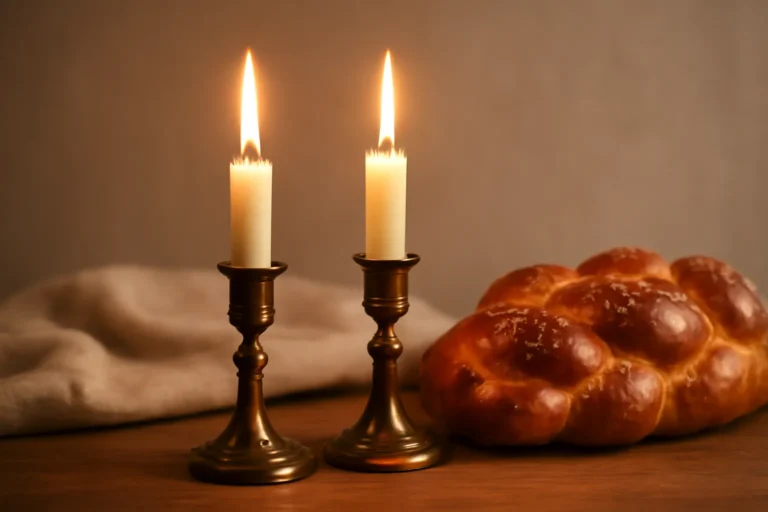
Many Christian churches maintain a sanctuary lamp that burns to symbolize the perpetual presence of Christ in the sanctuary. Altar candles, often placed in pairs on the altar or in candelabras, accompany the celebration of the Eucharist and other sacraments. The use of altar candles marks the sacred space and elevates the liturgical act, reinforcing the sense that the altar is a focal point of encounter with the divine.
Advent, Christmas, and the seasonal use of light
In the Advent season, many churches employ the Advent wreath, a circular arrangement of evergreens that holds four candles (three of one color and one of another in some traditions) and sometimes a central white candle for Christmas. Each Sunday of Advent, a new candle is lit, tracing the weeks of preparation for Christmas and symbolizing the increasing light that accompanies the coming of Christ. The celebration culminates in the lighting of additional candles during Christmas Eve or Christmas Day services, underscoring the world’s illumination by the newborn King.
Lent, Holy Week, and the language of light in penitence
During Lent and Holy Week, candles may be used with a tone of solemnity and contemplation. Some traditions reduce the number of candles or replace them with more austere lighting to reflect penitence and longing for renewal. Yet even in restraint, the candle becomes a sign of hope: the light of Christ remains present in the journey toward Easter, even as the Church moves through the disciplines of fasting, prayer, and reflection.
Baptism, Confirmation, and sacramental signs of enlightenment
In the sacramental life of the church, the baptismal candle (often given to the newly baptized) bears witness to the reception of Christ’s light. This candle serves as a tangible reminder that the baptized person is to live as a child of the light. In some traditions, candidates for confirmation also receive a flame or candle to signify their reception of the Holy Spirit and their ongoing commitment to walk in Christ’s light.
Processions, vigils, and public practice
Processions with candles are a meaningful way to enact the journey of faith in communal worship. In feasts, ordinations, and other significant moments, candle-bearing processions lead the faithful, translating liturgical theology into visible movement. Night vigils, especially around major feasts and in monastic settings, weave together candlelight with the rhythm of prayers, psalms, and contemplative readings.
Practical Aspects: Types, Materials, and Safety
Candles used in Christian worship come in a range of forms, each chosen for its symbolism, practicality, and theological meaning. The materials and styles often reflect local customs, theological emphases, and environmental concerns.
Materials: beeswax, paraffin, and alternatives
The traditional beeswax candle has long been prized for its clean burn, stable flame, and long burn time. Beeswax is also associated with natural purity and with a sense of continuity with the way early Christians might have encountered light in worship spaces. Many churches still prefer beeswax for liturgical candles because of its symbolism and its scent, which can evoke reverence and ritual dignity.
In recent decades, paraffin candles and soy candles have become common in parish life and home altars due to cost, availability, and ease of production. Some communities also explore vegetable-based waxes for environmental reasons. Each material has its own burn characteristics, color, and glow. The choice may depend on the liturgical setting, the intended duration of burning, and the acoustics and atmosphere the church wishes to cultivate.
Sizes, shapes, and typical uses
Churches use a variety of candles shapes—from tall, slender altar candles that sit in sturdy sconces to smaller vigil candles and the large, prominent Paschal candle. There are also candlesticks, candelabras, and dedicated votive candles for personal devotion. Below are common categories:
Altar candles: Tall, sturdy candles placed on or near the altar for the Eucharist and other sacraments.
Vigil candles: Medium to tall candles used during night prayers, processions, and vigil services.
Paschal candle: A single, ornate candle kept for the Easter season and used in baptisms and other rites.
Sanctuary lamp: A continuous flame or LED alternative kept burning to symbolize Christ’s presence in the sanctuary.
votive candles: Smaller candles offered by individuals in prayer in front of icons or altars.
Lighting etiquette, safety, and stewardship
Responsible lighting of candles is an integral part of worship life. Safety practices include supervising flames during services, ensuring candles are placed in heat-resistant holders, and keeping wax and wicks tidy to prevent smoke or dripping that could mar sacred space. Some churches are exploring LED candles or hybrid arrangements to preserve the symbolism of light while reducing fire risk and environmental impact.
Ecclesial considerations: reverence and liturgical integrity
The use of candles in Christian worship is not merely a matter of aesthetics; it reflects theological convictions about reverence, order, and beauty in public worship. Different denominations may emphasize different aspects of candle symbolism—for example, Catholic and Orthodox traditions often retain a strong sacramental and iconographic dimension in their lighting practices, while many Protestant communities may stress the symbolic function of light and the communal witness of candle-bearing processions.
Candles in Art, Architecture, and Culture
The presence of candles in Christian worship has deeply influenced Christian art, architecture, and music. The glow of candlelight shapes the way spaces are designed, from the dimly lit aisles of medieval cathedrals to the luminous sanctuaries of contemporary churches. Candles inspire composers, poets, and painters who reflect on the paradox of light in a world often marked by darkness. The rhythm of seasons—Advent, Christmas, Lent, Holy Week, and Easter—finds its visual and tactile expression in how candles are arranged, lit, and carried in ceremonial life.
Liturgical architecture and the language of space
The architectural plan of a church often anticipates the movement of candles—steadily burning lamps in the sanctuary, processional torches for entryways, and decorative candle-holders that frame the altar. In this sense, candles help create a liturgical topography: the sacred center at the altar, the path of processions, and the quiet corners for personal prayer.
Iconography, ritual drama, and communal memory
Candlelight can serve as a medium for storytelling within worship. The Paschal candle’s markings tell a story about salvation history; processions narrate the journey of faith; and the lighting of candles at baptism or confirmation marks a community’s memory of transformation. These practices become a living catechesis, teaching believers about who Christ is, what God has done, and how the church is called to witness in the world.
Across denominations and cultures, various forms of church candles illuminate distinct theological emphases. The same basic symbol—light in a dark world—takes on nuanced meanings depending on the context, the rite, and the spiritual posture of the community.
Beeswax vs. other waxes: purity, scent, and symbolism
Beekeeping has historically linked the church’s candle practice to the natural world and to careful stewardship of creation. Beeswax is often prized for its clean burn and natural aroma, which can evoke a sense of sacred atmosphere. Other waxes—such as paraffin or soy—may be chosen for practical reasons, including cost, availability, and sustainability. Each choice carries a symbolic weight: waxes that burn cleanly are associated with purity and devotion; mixtures that minimize environmental impact reflect a theological concern for creation care.
Extrapolating beyond the altar: home altars and public devotion
While the most formal use of candles occurs in liturgical settings, candles in Christian households—whether lit during private prayer or placed near icons and crucifixes—play a significant role in personal devotion. The practice of lighting a candle at home can mirror the church’s liturgical rhythm, linking private worship with the broader life of the faith community.
If you are exploring candles in Christian worship—whether as a lay worshiper, a pastor, or a caretaker—consider the following principles that help keep lighting practices meaningful and safe.
Intent and focus: Use candles to foster reverence, prayer, and remembrance rather than mere ornamentation.
Seasonal rhythm: Align candle lighting with the liturgical calendar to reinforce the church’s story and holy seasons.
Safety first: Install candles in stable holders, monitor flames during services, and have extinguishing methods readily available.
Environmental stewardship: Consider wax types and reusable holders to minimize waste and emissions.
Accessibility: Ensure that candle arrangements do not impede visibility, mobility, or safety for all worshipers.
The history, symbolism, and uses of candles in Christianity reveal a continuous dialogue between ritual beauty, theological meaning, and communal devotion. From the earliest Christian gatherings under candle-lit domes or in simple houses to the grand processions that traverse city streets, candles have served as tangible signs of faith’s interior fire. They remind believers that the divine Light has entered the world to illuminate it, to guide the faithful, and to renew creation. Whether through the steady flame of a sanctuary lamp, the radiant blaze of a Paschal candle at Easter, or the quiet glow of a vigil candle in a private chapel, Christian candles invite participants to contemplate the mystery of light, to offer prayers for the world, and to live as people who walk in the light of Christ.







Leave a Reply