Apostle Names: The Complete List of Biblical Apostles and Their Roles
The term apostle comes from the Greek apostolos, literally meaning a person who is sent with a commission. In the New Testament, Apostles are the early messengers and leaders who carried the gospel from Jesus to the world, testified to the resurrection, and established the early church. This article offers a comprehensive catalog of the major figures historically described as apostles in Scripture and tradition, along with their core roles, ministries, and variations in naming. It aims to present a thorough guide that can help readers understand who is included in the apostolic circle, how their names appear in different translations, and what their primary functions were in the unfolding story of early Christianity.
The Original Twelve Apostles
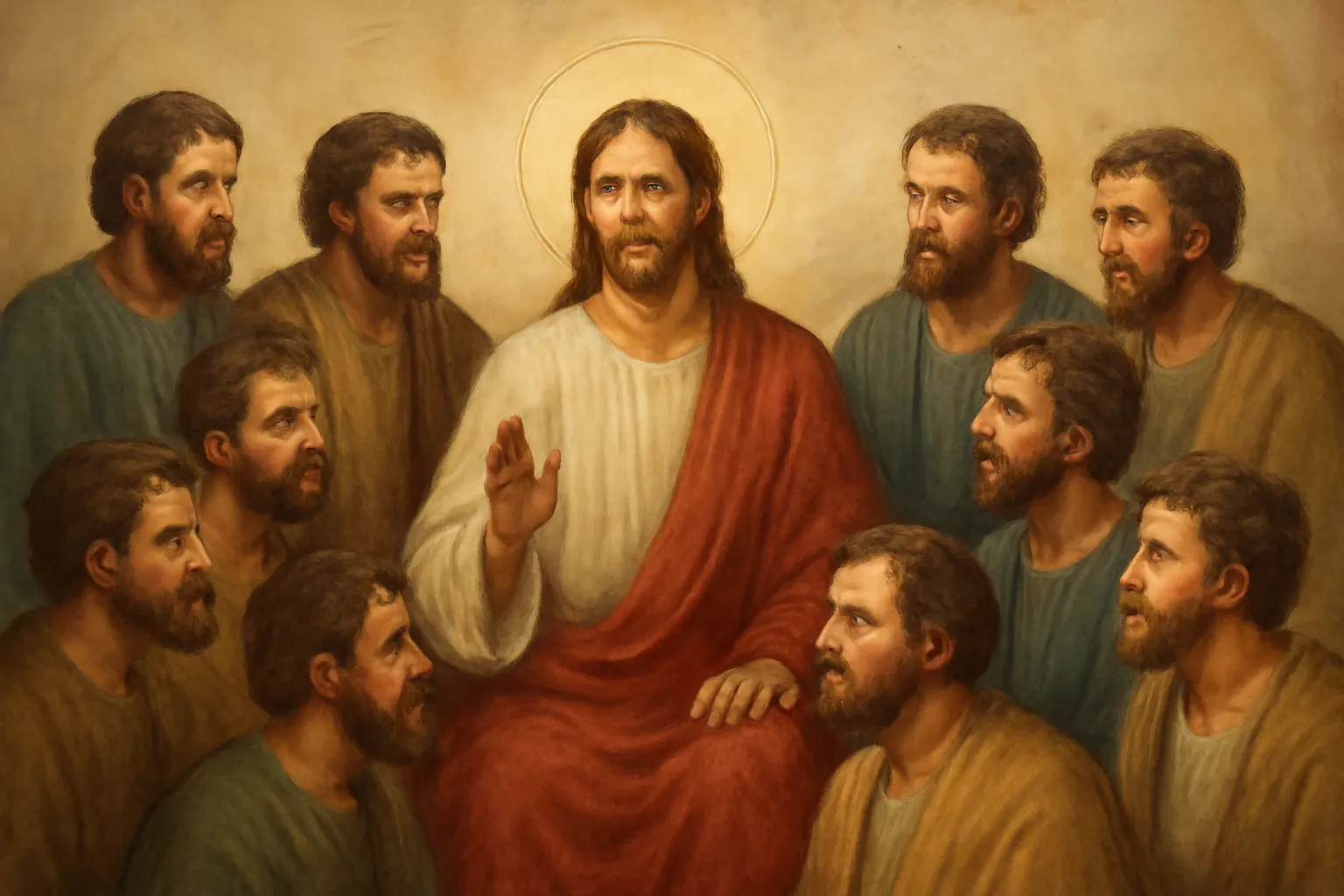
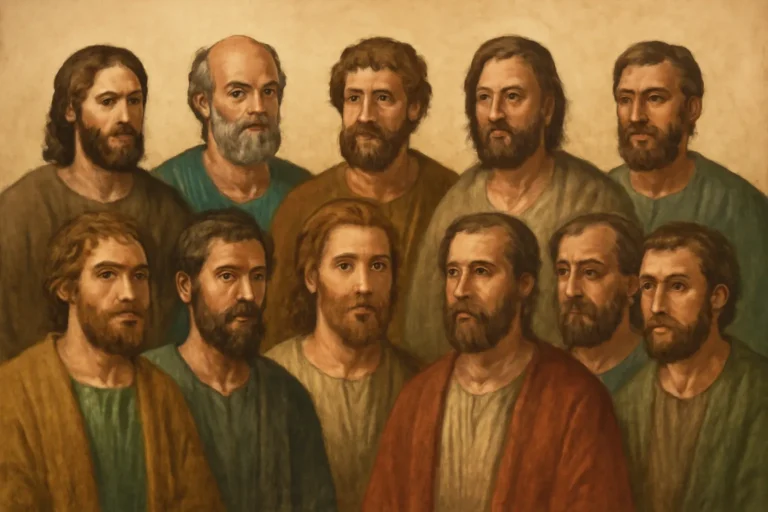
The centerpiece of early apostolic leadership is the group commonly known as The Twelve, chosen by Jesus during his earthly ministry. They were a core cohort who witnessed Jesus’ miracles, heard his teachings, and were entrusted with spreading the gospel after the Resurrection. Over time, each of the Twelve is associated with specific missions, locales, and martyrdom traditions. Here is a structured overview of the twelve, with variations of names commonly found in Scripture and tradition.
Peter — also known as Simon Peter and affectionately called Cephas in Aramaic. Peter is often described as the primary leader among the Twelve, the one to whom Jesus said, “you are Peter, and on this rock I will build my church” (a formulation that anchors Peter’s leadership role in early Christian memory). Peter’s ministry centers on Jerusalem, preaching at Pentecost, and guiding the early church through turmoil and growth.
James (son of Zebedee) — frequently labeled James the Greater to distinguish him from James the Less. James, along with his brother John, formed part of Jesus’ inner circle. Acts records James’ leadership in Jerusalem and his martyrdom early in the Christian era, highlighting his prominent though shortened apostolic tenure.
John (son of Zebedee) — often identified as the beloved Disciple in Christian tradition. John is traditionally credited with several New Testament writings (the Gospel of John, the three Epistles, and Revelation in the later tradition), and his apostolic role centers on pastoral care, theological reflection, and communal unification.
Andrew — Peter’s brother, sometimes remembered for initiating exchange with others who would become followers of Jesus. Andrew’s missionary horizon is often linked to the spread of the faith in the regions of the Mediterranean world, and later Christian tradition associates him with travels toward regions like Greece.
Philip — a pivotal figure in early evangelistic encounters, including conversations that reveal Jesus as the fulfillment of Scripture. Philip’s work is marked by initiatives in cities such as Samaria and key conversations that connect Gentile and Jewish strands of faith.
Bartholomew — often identified with Nathanael in the Gospel of John, where Nathanael is approached by Jesus with a compliment about his integrity. Bartholomew’s legendary missionary itineraries become part of later tradition, with varied claims about where he preached and died.
Matthew (also called Levi) — the former tax collector turned Gospel author. Matthew’s narrative centers on presenting Jesus as the fulfillment of Jewish expectation, and his apostolic activity is frequently associated with ministry across Jewish and Gentile audiences.
Thomas — commonly remembered as Doubting Thomas due to his initial skepticism about the Resurrection. Thomas’ later tradition associates him with travels to distant regions, including India, where he is said to have proclaimed the gospel.
James (son of Alphaeus) — often called James the Less or the younger James in historical lists. Little is recorded about his private life in the canonical texts, but he is counted among the Twelve in the gospel accounts and early lists.
Simon the Zealot — sometimes presented as a political zealot in the original sense of the term. Simon’s later tradition traces his missionary work to distant lands, and his name is linked to a witness-bearing apostolic role.
Judas Iscariot — the apostle who betrayed Jesus, whose replacement by Matthias is described in Acts 1. Judas’ departure marked a turning point in the apostolic circle and the completion of the Twelve in the wake of betrayal.
Judas Thaddaeus — also listed as Judas, son of James, or Lebbaeus, depending on manuscript traditions. This apostle is often distinguished from Judas Iscariot in the naming variants that appear across New Testament MS traditions.
Matthias — The Replacement Apostle
After the betrayal of Judas Iscariot and the need to restore the number of apostles, Matthias was chosen by a process of discernment described in Acts 1:15–26. Matthias is selected by casting lots among those who had followed Jesus from John’s baptism onward and who had witnessed the Resurrection. He then enters the circle of the Twelve, becoming the new standard-bearer for apostolic witness and mission after Judas’ departure. The replacement underscores a crucial theme in apostolic identity: the continuity of witness and mission within the foundational circle of the Church.
Beyond the original circle, Paul stands out as a central figure in the apostolic narrative. Known as Paul the Apostle or the Apostle to the Gentiles, he was not among the Twelve but receives a distinctive apostolic commission after a dramatic encounter with the risen Christ on the road to Damascus. Paul’s life is marked by three major missionary journeys, extensive epistolary correspondence, and a transformative impact on Christian theology and church planting in the Gentile world. His letters (epistles) lay the theological foundation for core Christian doctrines and practical church leadership, including the roles of elders, deacons, and congregational governance.
Key features of Paul’s apostolic ministry include:
Deep theological teaching that integrates Jewish Scripture with the revelation of Christ as fulfillment.
Mentoring and sending co-workers, such as Timothy and Titus, to establish churches and maintain doctrinal fidelity.
Extensive cross-cultural mission work across Asia Minor, Greece, and beyond, often in challenging contexts.
Foundational contributions to Christian ethics, church order, and the expansion of the Gospel to non-Jewish communities.
In many traditions, Paul is acknowledged as the primary apostle devoted to the mission to the Gentiles, and his writings remain central to Christian theology. His designation as an apostle rests on the unique commission he received from the risen Christ and the visible, Spirit-guided fruit of his ministry, rather than on direct connection to the original Twelve. This distinction has a lasting impact on how Christian communities understand apostolic authority and succession.
Other Named Apostles or Apostolic Figures in the New Testament
While the canonical list centers on the Twelve plus Paul, several other individuals are described or recognized in ways that align with apostolic roles or authority in various strands of early Christian tradition. The following names illustrate the diversity of apostolic identity in the New Testament and early church.
Junia (also read as Junia or Junias) — Romans 16:7 speaks of Junia as “notable among the apostles.” This designation has sparked discussion about gender and role: some translations render the phrase as “notable among the apostles” with a feminine name, while others read “notable among the apostles” about a male companion named Junias. The core point remains: Junia is described in some manuscripts as part of an Apostolic circle of significance in the early church, indicating that some followers beyond the Twelve were esteemed with apostolic status or influence.
Barnabas — referred to as an apostle in Acts (for example, Acts 14:14), Barnabas is described as a companion and co-worker with Paul who shares in the leadership and mission of the early church. His presence among the apostolic circle highlights the pattern of sending, commissioning, and pastoral oversight that characterized early Christian communities.
Timothy and Titus — two trusted associates of Paul often described as having apostolic authority in later church tradition. While Paul’s letters emphasize their roles as faithful co-workers and ministers, some traditions explicitly recognize them as apostles in the sense of delegated leadership and mission. In the canonical texts, Timothy and Titus are typically presented as Paul’s protégés and as bishops/overseers in subsequent church development, though the exact formal title “apostle” can vary by tradition.
Luke — best known as the author of the Gospel of Luke and the Acts of the Apostles, Luke is not typically counted among the canonical apostles. Some later traditions, however, have treated Luke as an apostolic figure because of his close association with Paul and his role in documenting the apostolic work of the early church.
The Seventy (or Seventy-Two) — in Luke’s gospel and later tradition, Jesus commissions a broader circle of disciples beyond the Twelve. These “Seventy” are sometimes referred to as apostles in non-canonical or devotional contexts, though they are not part of the canonical Twelve.
Roles and Functions: How the Apostles Built and Guarded the Church
Across Scripture and tradition, the apostles fulfilled several overlapping roles that shaped the early church’s identity and mission. Understanding these roles helps explain why the apostolic witness mattered so profoundly to subsequent generations of Christians.
Witnesses to the Resurrection — A central credential of apostolic authority was the firsthand witness of Jesus’ death and Resurrection. This witness served as the foundational testimony for the proclamation of the gospel and the confirmation of the church’s faith.
Teach and Evangelize — Apostles proclaimed the good news about Christ, interpreted Scripture in light of Jesus’ life, death, and resurrection, and trained new believers in the faith. They laid theological foundations and clarified how the gospel should be lived in diverse cultures.
Establish Churches — A key function was to plant and organize congregations, appoint leaders (elders and deacons), and cultivate a governance structure that could sustain communities of faith across regions and generations.
Provide Leadership and Oversight — Apostles offered strategic leadership, resolved doctrinal disputes, and guided communities through persecution, internal conflict, and the spread of the gospel to new territories.
Authorize and Validate Mission — The sending and commissioning of missionaries, along with the recognition of legitimate ministry by peers and communities, helped ensure that apostolic authority remained credible and cohesive.
Model Christian Character — The apostles’ lives, courage, and fidelity under hardship provided a living model for future church leaders and lay believers alike, illustrating faith, perseverance, and communal responsibility.
Variations in Naming: How Apostles Are Referred Across Texts and Traditions
Apostle names appear in a variety of forms depending on the language, scripture translation, and historical tradition. Here are some common variations you may encounter, along with notes on how these names relate to each figure:
Peter — also Simon, Simon Peter, and Cephas. The Aramaic name Cephas is frequently cited in the Gospels and Acts to highlight his role as a foundational leader.
James — two figures: James the Greater (son of Zebedee) and James the Less (son of Alphaeus). In lists and notes, their distinctions help readers differentiate between the two.
John — John the Apostle, John the Beloved, and the traditionally attributed author of the Gospel of John, the Epistles of John, and Revelation.
Andrew — typically named in association with Peter; sometimes called Andrew the Apostle.
Philip — Philip the Apostle in many lists; NRSV and other translations preserve simple naming while cross-referencing his interactions with Jesus.
Bartholomew — often tied to Nathanael in the Gospel of John; Bartholomew is the more common apostolic surname in lists.
Matthew — also Levi, his name in the Gospel tradition is presented as Levi the tax collector who becomes a follower of Jesus and author of the Gospel of Matthew.
Thomas — with the nickname Doubting Thomas in popular memory, this name remains Thomas the Apostle in traditional lists.
James (the Less) — James the Less or James the Minor, to distinguish from James the Greater.
Simon the Zealot — sometimes called Simon the Canaanite or Simon the Cananean in some manuscripts and translations.
Judas Iscariot — his betrayal marks the turning point for the Twelve; always distinguished from Judas Thaddaeus (often called Jude in some lists).
Judas Thaddaeus — also known as Judas, son of James, or Lebbaeus in certain manuscripts.
Traditional Lists Across Christian Traditions
Historically, different Christian traditions have retained slightly different lists of apostles and apostolic figures. The canonical New Testament itself presents the Twelve and Paul, while early Christian writings, councils, and liturgical traditions produce variations. Here is a concise outline of how major traditions often present the apostolic circle:
Catholic and Orthodox traditions typically affirm the Twelve, emphasize the authority of apostolic succession, and recognize Paul as an apostle who shares in the apostolic mission, though not counted as one of the Twelve.
Protestant traditions generally identify the Twelve and Paul as central figures, while acknowledging the broader usage of the term “apostle” in reference to Paul’s mission and to certain early church leaders like Barnabas, Junia, or Timothy/Titus in historical or traditional lists.
Inter-Traditional perspectives often highlight the presence of other apostolic figures in the New Testament era (e.g., Junia, Barnabas, Timothy, Titus) as evidence of a broader apostolic network beyond the original group.
Historical and Theological Notes on Completeness
Despite calling this piece “The Complete List of Biblical Apostles and Their Roles,” it is important to recognize the nuance in what “complete” can mean in ancient texts. Several factors shape the scope of an apostolic list:
Canonical scope — The canonical New Testament centers on the Twelve and Paul as the most clearly defined “apostles.”
Non-canonical references — Later church traditions and apocryphal writings sometimes expand the circle to include other individuals described as missionaries or apostolic figures, such as the Seventy, or other coworkers described as apostles in a broad sense.
Gender and apostolic authority — The case of Junia (Romans 16:7) is often discussed in terms of whether she is described as an apostle or as someone notable among the apostles. This illustrates how translation choices and manuscript variants can influence the understanding of “the apostolic circle.”
Role variety — The term apostle can denote a distinctive office, a mission, or a general sense of “messenger.” The diversity in how individuals are described (e.g., primary apostolic leaders, missionary co-workers, or respected apostles in a broader sense) means lists can differ by tradition and emphasis.
For readers navigating different Bible translations, it can be helpful to track how a single individual’s name may appear in multiple forms. Below is a compact reference for quick cross-checking. This is not an exhaustive lexicon, but it can help when comparing names across study Bibles, commentaries, or historical documents.
Peter — Simon Peter, Cephas.
James (Zebedee) — James the Greater.
John — John the Apostle, the disciple whom Jesus loved.
Andrew — often simply Andrew the Apostle.
Philip — Philip the Apostle.
Bartholomew — often linked with Nathanael.
Matthew — Levi in some lists/scripts, the Gospel of Matthew is his associate work.
Thomas — Doubting Thomas.
James (Alphaeus) — James the Less.
Simon the Zealot — Simon the Canaanite.
Judas Iscariot — betrayed Jesus, later replaced by Matthias.
Judas Thaddaeus — Judas, son of James, Lebbaeus.
Matthias — replacement apostle after Judas’ betrayal.
Paul — the Apostle to the Gentiles.
Junia — notable among the apostles.
Barnabas — an apostle in Acts.
Timothy and Titus — apostolic-leaning ministry roles in tradition.
Luke — apostolic figure in the sense of a close collaborator of Paul; traditionally not counted among the Twelve.
Many readers encounter questions about the scope and specifics of apostolic lists. Here are a few concise clarifications that often help scholars and lay readers alike:
Was Paul an apostle? Yes. Though not one of the original Twelve, Paul is consistently identified as an apostle in his own letters and in later Church tradition due to his divine commissioning and his extensive missionary work among the Gentiles.
Why are there different names? Variations reflect language differences (Greek, Aramaic, Latin), manuscript variants, and the practice of using honorifics or family names. This is why you may see Levi and Matthew, or Judas Thaddaeus and Judas Iscariot used side by side in different traditions.
Are all apostles equal? In the New Testament, apostles share a common mission as witnesses to the risen Christ and as leaders of the early church, but the scope of authority and the scope of their apostolic function varied. For example, Paul’s apostolic authority had a unique scope related to Gentile missions, while the Twelve carried a foundational role in Jerusalem and the broader Jewish-Christian context.
What about the Seventy? The “Seventy” or “Seventy-Two” are beings mentioned in Luke 10 as a broader circle of disciples sent out by Jesus, but they are not part of the canonical Twelve. In later tradition, they are sometimes referred to as apostles, though they do not share the same explicit apostolic commission described in Acts and the Epistles.
If you are studying the apostolic witness for personal edification, teaching, or classroom use, you can leverage this guide in several practical ways:
Use the name variations section to map how a single figure might appear in different translations or commentaries. This can prevent confusion when cross-referencing genealogies, genealogies, or historical notes.
Pair each apostle with their primary role (e.g., Peter as leadership in the early church, Paul as the Apostle to the Gentiles) to create a quick reference card or a lecture outline.
In a historical or literary study, compare how apostolic authority is framed across the New Testament and early Christian writings, highlighting the continuity and differences that emerge across communities and eras.
For liturgical contexts, note which figures are honored in various traditions and how their feast days or commemorations reflect a community’s understanding of apostolic witness.
Apostles are sent messengers who bear witness to Jesus and establish Christian communities. Their authority rests on direct witness, divine commissioning, and the fruit of their preaching and mission.
The Twelve form the canonical core of apostolic leadership in the Gospels and Acts, with Matthias later filling the vacancy created by Judas Iscariot.
Paul stands as the exemplar of the non-Twelve apostolic mission, especially to the Gentiles, and his letters shape much of Christian theology and practice.
Other named figures—such as Junia, Barnabas, and Timothy/Titus—reflect a broader network of apostolic authority and ministry in the early church, though their exact offices can vary by tradition.
Across traditions, the concept of apostles includes both formal offices and a broader sense of mission and witness. This diversity enriches the history of early Christianity and offers a robust field for study and reflection.
In exploring the Apostle Names and their Roles, you gain not only a catalog of names but a window into how the earliest followers of Jesus understood authority, mission, and community. The apostolic witness—whether through the Twelve, Paul, or later apostolic figures—formed the bedrock of Christian faith as it spread across cultures and generations. By tracing these names, their variations, and their settings, readers can appreciate the depth and complexity of the early church’s mission and how it continues to influence Christian thought today.