My Book of Bible Stories Book: A Complete Guide to Bible Tales
My Book of Bible Stories Book: A Complete Guide to Bible Tales
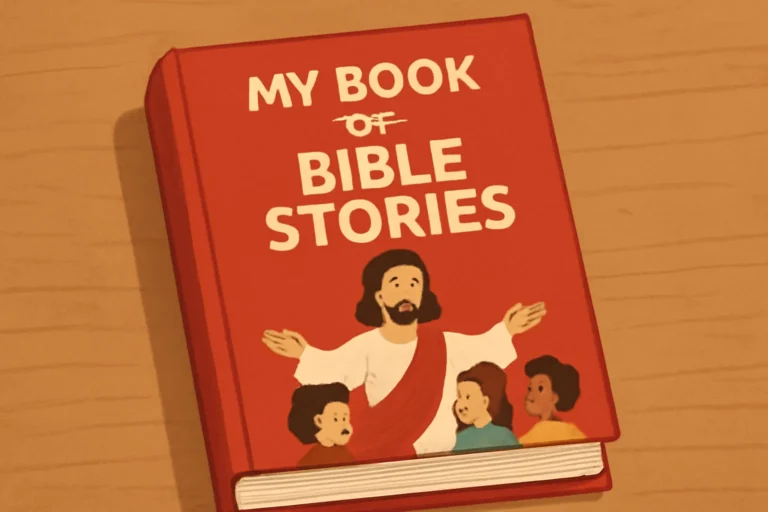
My Book of Bible Stories Book: A Complete Guide to Bible Tales is presented here as a thorough, accessible resource for readers who want to explore Scripture through compelling narratives. This article aims to illuminate the book’s aims, structure, and practical applications, offering educators, families, and curious readers a clear map of what the volume contains and how it can be used in diverse settings. Throughout, key ideas are highlighted with bold emphasis to draw attention to the most important concepts in this expansive collection.
My Book of Bible Stories Book sets out to transform dense biblical text into digestible, story-driven chapters that preserve the drama, moral questions, and spiritual insights of the original narratives. While many readers approach Bible stories through direct verse-by-verse study, this complete guide emphasizes narrative immersion, humane translations, and a developmentally appropriate approach for a broad audience, including children, parents, Sunday school teachers, and lay readers seeking a trustworthy primer or refresher.
In this volume, you’ll find a deliberate balance between face-to-face storytelling and analytical prompts that invite readers to pause, reflect, and discuss. The goal is not merely to retell stories but to deepen understanding of characters, choices, consequences, and the larger arc of biblical history. The volume’s design reflects an intent to be a comprehensive guide to Bible tales, offering pathways to both personal devotion and group dialogue.
Structure and content: how the stories are organized
The book’s architecture is built to support flexible use. Rather than presenting a single linear narrative, this Bible stories collection clusters tales by themes, chronology, and cultural context, allowing readers to move through the material in several productive ways. Below is a general map of the structure you’ll encounter in this Bible tales volume, along with the kinds of supporting material that accompany each section.
Key sections you’ll encounter
Old Testament narratives arranged by major arcs (creation and fall, patriarchs, exodus and wanderings, conquest and settlement) with cross-references to related stories.
New Testament tales organized around the life and teachings of Jesus, early Christian community narrative, and core parables.
Biographical sketches of central figures, exploring motivations, growth, and ethical complexity.
Thematic clusters such as faith, obedience, mercy, justice, courage, and repentance, which weave through multiple stories.
Each entry in the anthology-style compilation offers a concise retelling followed by discussion prompts, reflection questions, and, in many cases, activity ideas or study notes. This combination makes the book suitable for personal use, family reading time, or structured classroom work.
Key features and design choices: what makes this collection user-friendly
Several deliberate design decisions set this volume apart as a practical tool for learning and devotion. By highlighting these features, readers can quickly understand how to leverage the book for maximum impact.
Accessible language and narrative depth
One of the guiding aims is to present Bible stories in clear, engaging language without sacrificing the emotional weight or theological nuance of the originals. The retellings are crafted to be approachable for younger readers while still retaining enough depth to challenge older readers and adults seeking meaningful insights.
Balanced pedagogy: devotion plus discussion
The book balances devotional content (prayer prompts, personal applications) with critical thinking prompts (questions that encourage interpretation, context, and application). This makes the Bible tales collection useful for a wide range of teaching contexts—from family devotions to Sunday school classrooms and youth groups.
Illustrations and layout
Where applicable, the volume integrates illustrations, maps, and timelines to anchor readers in place and time. Visuals serve as cognitive anchors that reinforce memory and comprehension, supporting readers who learn best through images as well as text.
Cross-references and study notes
To extend learning beyond a single retelling, the complete guide offers cross-references to related stories, thematic motifs, and historical contexts. The accompanying study notes provide brief explanations of key terms, cultural practices, and theological themes, helping readers connect dots across narratives.
Reading levels and accessibility: who can benefit?
This Bible stories volume is designed to be inclusive of multiple reading levels and learning styles. The design supports:
Early readers who benefit from short, vivid narratives and glossaries of difficult terms.
Intermediate readers who want richer context and more nuanced discussions about characters and choices.
Adult learners looking for a concise, digestible reintroduction to the Bible’s stories and themes.
In addition, the book acknowledges diverse learning needs by offering options such as listening-friendly retellings, printable discussion questions, and prompts that cater to both individual study and group work. The result is a flexible resource that can be used in various environments, from home libraries to educational settings.
Thematic threads: recurring ideas across the Bible tales
A cornerstone of this Bible stories volume is its intentional focus on recurring thematic threads that help readers see the coherence of Scripture. Across the collection, you’ll encounter several central themes that recur in different contexts, inviting comparison and reflection.
Faith and trust under pressure, including the testing of characters in difficult circumstances.
Obedience and disobedience as catalysts for both blessing and consequence.
Mercy and justice as divine attributes expressed through stories of forgiveness, redemption, and accountability.
Courage and perseverance in times of trial or uncertainty.
Redemption and covenant as threads that tie together multiple stories across generations.
Readers are encouraged to notice these threads and consider how they apply to contemporary life. By traversing both Old and New Testament narratives, the book demonstrates how a single theme can appear in different shapes and circumstances, enriching readers’ understanding of biblical ethics and character development.
Using the Book in family settings: practical guidance for home devotionals
Families looking to incorporate Bible stories more deeply will find a wealth of practical ideas in this volume. The organizing logic and family-friendly prompts enable parents to cultivate daily or weekly devotional routines that are both meaningful and manageable.
Reading plans and routines
You can structure family reading around a two- or three-story sequence per week, followed by brief discussion and a reflective activity. The plan’s flexibility makes it possible to adapt to busy schedules while preserving the rhythm of study and worship.
Discussion starters that invite participation
For each tale, the book offers carefully crafted discussion prompts that are open-ended and inclusive, encouraging all ages to contribute. Examples include questions about the characters’ motives, the risks they take, and the outcomes they experience, as well as questions that connect the story to present-day values and choices.
Hands-on activities and devotional practices
To deepen engagement, the volume suggests activities such as timeline construction, character diaries, or prayer prompts tied to the tale’s themes. These activities reinforce memory through hands-on learning and help families translate narrative insight into daily action.
Classroom and small-group applications: turning pages into lessons
Educators and youth leaders will find this Bible tales collection to be a versatile tool for teaching, mentoring, and community-building. The publication’s clear structure and pedagogical extras lend themselves to a range of instructional styles, from guided reading to inquiry-based learning.
Lesson planning and pacing
Instructors can develop unit plans that pair two or more stories with a common theme, followed by activities, assessments, and reflections. The study notes and cross-references support deeper exploration of context and theology, while the discussion prompts promote critical thinking and respectful dialogue.
Classroom activities
Story mapping to trace cause and effect within a tale.
Character analysis to compare motives and growth across narratives.
Group debates about moral decisions faced by biblical figures.
Creative retellings in different media (drama, poetry, or art) to reinforce memory and engagement.
Assessment ideas
Beyond traditional quizzes, teachers can use reflection journals, portfolio entries, or group presentations to gauge understanding of themes, character development, and ethical implications. The compilation’s emphasis on discussion and application supports formative assessment aligned with character education and ethical reasoning.
Design, visuals, and accessibility: how the book looks and feels
Reading experience is shaped not only by content but also by how content is presented. The Bible stories collection has been designed with readers in mind who value readability, navigability, and aesthetic appeal.
Readable typography with comfortable line lengths and appropriately spaced content to minimize fatigue during longer reading sessions.
Consistent visual cues to help readers locate related stories and themes across chapters.
Accessible formats such as large-print options or digital editions that support screen readers and adjustable text size.
In addition to textual clarity, the illustrations and supportive graphics serve as cognitive aids, helping readers visualize places, people, and events. The design choices aim to be inclusive and engaging for a diverse audience, including children learning new vocabulary and adults revisiting familiar stories with fresh eyes.
Theology and interpretation: guiding perspectives within the volume
Any comprehensive guide to Bible tales must acknowledge that interpretation matters. This collection presents the narratives with sensitivity to historical context and theological nuance, while remaining accessible to a broad audience. The author’s intent is to convey core biblical truths and moral questions without sacrificing respect for the complexities embedded in the text.
The volume adopts a balanced approach that respects traditional readings while inviting readers to consider different perspectives. This means encouraging readers to examine motives, consequences, and relationships, as well as to reflect on how a given story speaks to contemporary life and faith formation.
Denominational considerations
While the individual stories reflect widely held biblical themes, the compilation is crafted to be usable in diverse faith communities. The book emphasizes shared moral lessons and spiritual formation rather than doctrinal disputes, making it a flexible resource for ecumenical study and inter-denominational discussion.
Practical guide: getting the most from each story
To maximize impact, the volume provides a practical framework that readers and instructors can apply to each tale. This framework is designed to be iterative: read, reflect, discuss, apply, and revisit as needed.
Read the retelling carefully, paying attention to key characters, decisions, and turning points.
Reflect on personal connections, questions, and insights prompted by the story.
Discuss with others to hear multiple viewpoints and interpretations.
Apply the story’s lessons to daily life, family routines, or community service.
Revisit the tale later, perhaps through a different lens or in light of new experiences.
The book also suggests specific prompts for journaling and family or classroom activities that align with each tale’s themes. These practical elements help ensure that reading becomes a living practice rather than a solitary exercise in memorization.
Supplementary resources: a companion toolkit
My Book of Bible Stories Book offers more than retellings; it includes a companion toolkit of resources designed to support teachers, parents, and learners. The toolkit may include:
Glossaries of biblical terms and cultural contexts to help readers interpret unfamiliar language.
Maps and timelines that situate stories within the broader biblical timeline and geography.
Discussion prompts aligned with cognitive levels, enabling differentiated instruction.
Printable worksheets for group activities, crafts, or journaling.
These components transform the book from a simple collection of stories into a core teaching resource that can be integrated into curricula, family routines, and church programs, creating a seamless bridge between reading and living the stories.
Variations and editions: understanding the breadth of the Bible stories family
As a widely used format, Bible story collections often appear in multiple editions and with varying emphases. The broader family of my book of Bible stories book titles includes several iterations—each designed to meet the needs of different audiences, locales, and teaching contexts. This article references the core edition described here as a complete guide to Bible tales, but the variations might include:
Expanded editions with additional stories, maps, and notes for deeper study.
Youth-oriented editions that emphasize drama, discussion, and leadership development.
Teacher’s editions featuring full lesson plans, rubrics, and assessment tools.
Junior readers’ versions with simplified language and larger print.
Understanding these variations helps educators and readers choose the most appropriate format for their setting while recognizing the shared aim of presenting Bible tales in an engaging, educational way. No matter the edition, the central goal remains the same: to illuminate the stories, illuminate faith, and empower readers to engage with Scripture thoughtfully and respectfully.
Conclusion: the enduring value of a complete guide to Bible tales
In sum, My Book of Bible Stories Book: A Complete Guide to Bible Tales stands as a versatile, practical resource for exploring biblical narratives. Its thoughtful structure, accessible language, and rich array of teaching tools make it valuable for:
Families seeking meaningful, reliable devotional time together.
Educators building engaging, discussion-rich lessons that illuminate Scripture.
Church communities creating shared language around core biblical themes.
Individual readers desiring a cohesive, comprehensive refresher or introduction to the Bible’s tales.
By weaving together retellings, reflective prompts, and practical activities, this volume helps readers not only learn about Bible stories but also live them—translating ancient narratives into present-day insight and action. Whether you are new to biblical stories or revisiting them with a fresh perspective, this collection offers a robust, approachable, and profoundly educational pathway into biblical tales and their enduring relevance.






Leave a Reply