The terms resurrection and ascension occupy central places in many religious and philosophical traditions, but they illuminate different moments in the human story of life, death, and the possible beyond. Broadly speaking, resurrection refers to the act of being brought back to life after death or after a period of non-existence. The word itself suggests a return to life that comes after a deathly interval, often implying a transformation—bodily, spiritual, or both—rather than mere revival from unconsciousness. In contrast, ascension denotes the ascent or upward movement toward a higher plane, realm, or status. In religious contexts, ascent is frequently associated with leaving the earthly realm for the heavenly sphere and sometimes with exaltation or enthronement.
Within discussions of theology and spirituality, it is helpful to distinguish among several nuanced meanings:
Bodily resurrection versus spiritual resurrection: some traditions emphasize the physical body’s restoration, while others speak of a wakeful, transformed life that may be understood as a renewed embodiment or a deeper participation of the person in the divine life.
Historical ascent versus eternal ascent: an event that marks a moment in time—such as a person’s departure from earth to heaven—or a continuous state of being in the presence of the divine.
Typological or symbolic resurrection versus literal resurrection: some interpreters read the idea of rising again as a metaphor for moral renewal, social transformation, or spiritual awakening, rather than a physical event witnessed by witnesses.
Eschatological hope versus immediate miracle: resurrection and ascent can function as signs of ultimate justice and renewal at the end of time, or as ongoing invitations to new forms of living in the present age.
Historical Origins and Linguistic Roots
To understand resurrection and ascension as concepts, one must trace their linguistic roots and their historical appearances. The vocabulary of revival and ascent travels through Greek, Hebrew, Latin, and other languages, carrying with it layers of theological interpretation.
Etymology: The noun resurrection comes from Latin resurrectio, built on resurgere (“to rise again”). The verb resurrect shares this origin. The concept in Greek is often expressed with anastasis, literally “a standing up” or “a rising.”
Resurrection in Second Temple Judaism: Within Jewish circles of the late Second Temple period, ideas about a future bodily resurrection began to take shape more clearly, especially among the Pharisees. This belief provided a framework for later Christian claims about Jesus’s rising from the dead.
Ascension as event: The term ascensio or anastasis in antiquity connotes ascent or rising to a higher place. In early Christian literature, the ascensus of Jesus to the heavenly realm is described as a distinct moment following the resurrection.
Creedal crystallization: By the second and third centuries, Christian writers and councils began to articulate a shared confession: that Jesus truly rose and then ascended, and that humanity will participate in God’s redemptive plan through such risen life.
Resurrection and Ascension in Christian Theology
In Christian thought, resurrection and ascension are often treated as two related but distinct events in the life of Jesus and as milestones in the broader story of salvation. They inform doctrines about the nature of God, the meaning of humanity, and the destiny of creation.
Foundational Questions: What Is Returned, and To What End?
Central questions include: Is the resurrected Christ recognizable in his transformed body? What does the ascent signify for cosmic order and divine kingship? How does resurrection relate to the future hoped-for end of history?
Bodily versus Spiritual Resurrection
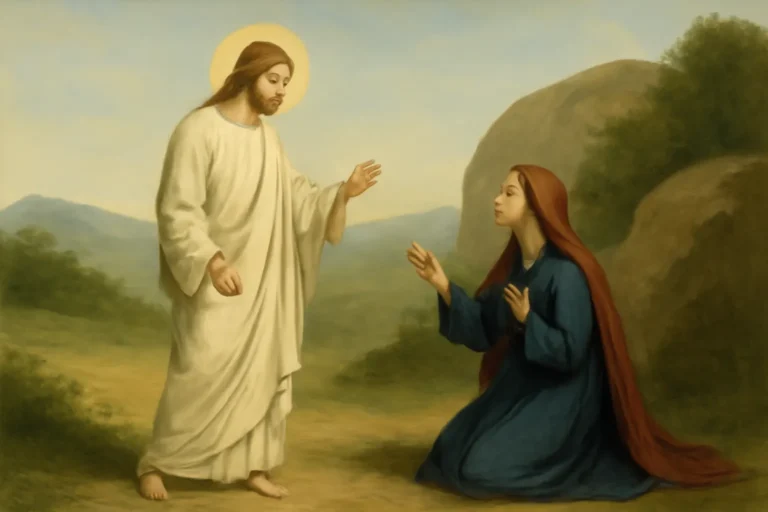
Across Christian traditions there is lively debate about whether bodily resurrection is essential to the event or whether a spiritualized or glorified resurrection suffices. Some theologians insist that Jesus’s tomb was empty and that his body was raised, while others emphasize that the risen Christ exists in a form that surpasses ordinary physical constraints. In either reading, the focus remains on a definitive victory over death and a renewed accessibility to God.
Nature of the Ascension
The ascension is often described as a real departure from Earth to heaven, after which Jesus sits at the right hand of the Father—an image of sovereign authority and ongoing mediation. The ascension is sometimes interpreted as the moment when Christ’s earthly limitations are exchanged for a universal, cosmic rule, enabling him to be present with all who seek him through the Spirit.
The Resurrection and the Ascension in the New Testament
The New Testament presents the resurrection as a central proclamation of the early church: Jesus rose on the third day, validating his identity as the Messiah and inaugurating the new creation. The ascent, especially as narrated in the book of Acts, emphasizes Jesus’s exalted status and his ongoing presence with the community through the Spirit. Together, these events anchor Christian hope: death is defeated, and life in God is extended beyond the grave.
Resurrection and Ascension in Judaism, Islam, and Other Traditions
While resurrection and ascension are often associated with Christian theology, they resonate in other faith traditions and in secular thought as well, each offering distinctive meanings.
Judaism and the Concept of Techiyat HaMetim
In rabbinic literature, the idea of techiyat ha-metim—the resurrection of the dead—appears as a future event within the broader sweep of divine justice. The emphasis tends to be on judgment, restoration, and the reconstitution of the community of Israel, rather than on the ascendance of a single figure. Some strands of Jewish thought view physical restoration as a hallmark of the messianic era, while others stress ethical renewal and universal peace.
Islamic Perspectives on Resurrection and the Ascension
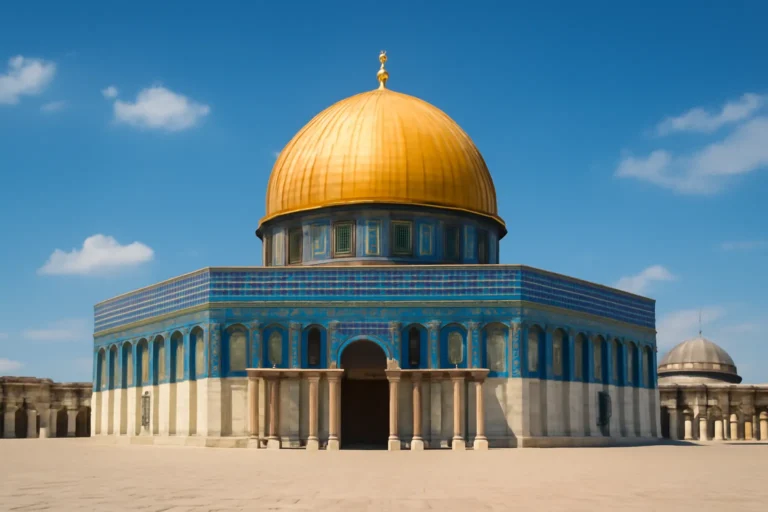
In Islam, the idea of resurrection (Qiyamah) is a cornerstone of eschatology: all people will be raised from the dead for judgment, with each soul held accountable before God. The concept of the Ascension (Mi'raj) also appears as Muhammad’s night journey to the heavens, a separate event illustrating divine proximity and authority. Although the two ideas are linked by a common theme of ascent, they describe different situations: one cosmic and future, the other experiential and revelatory.
Other Traditions and Philosophical Echoes
In various strands of Hindu, Buddhist, and Jain thought, discussions about awakening, liberation, and transcendence echo aspects of resurrection and ascent, but they usually do so through the lenses of reincarnation, moksha, nirvana, or enlightenment rather than a single historical event. The language shifts toward liberation from samsara, the cycles of birth and death, and the attainment of ultimate union with the divine or the true nature of reality.
Interpretive Frameworks and Debates
Across centuries, theologians and scholars have proposed multiple frameworks to interpret resurrection and the ascension, reflecting differing assumptions about the body, time, and the nature of God.
Literal bodily restoration: a physical return to life in the same body or a physically equivalent transformation that preserves memory and personal identity.
Metaphysical renewal: a renewed life that transcends ordinary biology, with continuity of personhood understood through divine grace rather than material continuity.
Historical sign: resurrection and ascent as signs that God is breaking into history in a decisive, transformative way, enabling ethical and social renewal in the present age.
Cosmic eschatology: these events fit into a larger narrative about creation’s healing, the final judgment, and the establishment of a renewed heaven and earth.
Theological Anthropology
The pairing of resurrection and ascension shapes how communities imagine human nature. Is the human person primarily material, immaterial, or both? Do individuals retain continuity with their earthly lives, or do they participate in a wholly other form of life? These questions influence liturgical practices, ethical commitments, and understandings of mortality itself.
Historical Practices, Liturgy, and Art
The themes of rising and ascending have borne fruit in rituals, calendars, and artistic expressions. In Christian practice, they anchor two major seasonal and feast-day celebrations with worldwide resonance.
Easter (Pascha): the annual festival commemorating the resurrection of Jesus, celebrated with vigils, hymns, and the proclamation of life overcoming death.
Ascension Day: observed on the fortieth day after Easter in many Christian traditions, marking Jesus’s return to the heavenly throne and his ongoing kingly rule.
Artistic iconography: iconic representations such as the Anastasis (the Harrowing of Hell), the Ascension of Christ, and depictions of the risen Lord permeate churches and illuminated manuscripts, inviting contemplation of divine victory and transformed life.
Liturgy and proclamation: readings and creedal statements that affirm the reality of the resurrection and the exaltation of Christ, shaping preaching, confession, and catechesis.
Ethical and Existential Significance
Beyond doctrinal debates, the ideas of awakening from death and rising to a higher order carry practical implications for how people live, relate to others, and imagine the future.
Hope amid suffering: belief in a coming transformation provides consolation to those who experience loss, illness, or injustice, offering a horizon beyond present pain.
Accountability and justice: the promise of resurrection and judgment raises questions about moral responsibility, human dignity, and the accountability of communities and institutions.
Ethics of compassion: the transformative vision associated with resurrection invites an ethic of mercy, care for the vulnerable, and commitment to healing in the world.
Hope for ecological renewal: some interpreters read the resurrection and the restoration of creation as pointers to a reconciled cosmos where humanity coexists with the rest of creation in justice and peace.
In modern discourse, the language of resurrection and ascension appears in literature, film, and speculative theology, sometimes in explicit religious contexts and other times as metaphorical or philosophical motifs.
Metaphorical resurrection: the renewal of a community, a cultural revival, or a personal transformation can be described with language of coming back to life.
Science and imagination: debates about revival of extinct species, regeneration, or even theoretical “quantum resurrection” occasionally touch on the imagery of rising again, though without invoking supernatural assumption.
Interreligious dialogue: conversations about resurrection and ascent foster mutual understanding, highlighting common aspirations toward justice, meaning, and transcendence across faiths.
Comparative Readings: How Different Traditions Speak of Return and Elevation
The themes of rising from death and rising to heaven illuminate the deepest questions different faiths ask about the meaning of life, the justice of God, and the shape of time.
In Christian practice, the stories of resurrection and the ascent of Jesus invite believers into a shared hope that death is not the end and that life is aligned with divine sovereignty.
In Jewish thought, future resurrection is tied to restoration, justice, and the revival of the people of God, often without centering a single figure’s post-mortem journey.
In Islamic teaching, resurrection is a universal event at the end of time, while ascent is expressed through a remembered journey of the Prophet that underscores God’s nearness and authority.
In other worldviews, awakening, enlightenment, and liberation speak to a universal longing to transcend mortality and to participate in a greater truth or reality.
Key Questions and Answers
As a resource for readers exploring the topic, here are some succinct responses to common inquiries about resurrection and ascension.
What is the difference between resurrection and revival? Revival can describe a return to life after illness or a revival of energy, but resurrection in theological contexts usually signifies a fundamental, future-oriented restoration that affirms ultimate life beyond death. It implies more than medical return; it signals a transformation aligned with divine purpose.
Is resurrection always bodily? Not universally. Some traditions insist on a bodily resurrection in which the body is raised and transformed; others emphasize a spiritual resurrection or a glorified body understood as an experiential realization rather than a mere return of the former flesh.
What role does the ascension play? The ascension functions as a marker of Christ’s exaltation, sovereignty, and ongoing presence in the world through the Spirit. It also grounds the expectation that humanity will participate in God’s rule in fullness at the end of time.
How do these concepts influence ethics? They encourage hope, justice, and mercy, urging communities to live in light of a future restoration and to work toward healing in the present world.
Implications for Believers Today
For readers and communities that hold these beliefs, resurrection and ascension translate into daily practice and long-term vision. They shape how faith communities commemorate death, how they celebrate new life, and how they imagine the future of the world.
Worship and liturgy: rites of passage, feasts, and Sunday liturgies center on the reality that life persists beyond death and that God rules over both heaven and earth.
Pastoral care: comfort for the grieving often uses the language of eternal life, offering a framework in which loss can be processed within a larger story of renewal.
Social ethics: the conviction that creation is being renewed motivates actions toward justice, reconciliation, and environmental stewardship.
Interfaith engagement: dialogue about resurrection and ascent can foster mutual respect and shared exploration of ultimate questions about meaning and destiny.
Those who wish to explore these themes more deeply may consult a range of sources across historical and contemporary discourse. Suggested avenues include:
Scriptural studies focusing on the Gospel narratives of Jesus’s resurrection and the Acts account of the Ascension, along with Paul’s letters on the resurrection body.
Patristic writings that discuss the nature of the resurrection and the significance of Christ’s exaltation, such as the works of early church fathers who engaged with the questions of body and soul.
Systematic theology treatments that compare interpretations of resurrection and ascension across denominations and traditions.
Comparative religion resources that illuminate how different faiths approach life after death, cosmic order, and divine presence.
What the Dialogue Breaks Down to Today
In a world marked by scientific advances, plural religious landscapes, and shifting ethical horizons, the conversations about resurrection and ascension remain pertinent for many people. They challenge readers to reflect on mortality, purpose, and the possibility of a transformed existence that does not merely replicate what has been lost, but transcends it in a way that resonates with ultimate hope.
The journey through the ideas of revival and elevation can be summarized in a few core themes.
Hope beyond death as a foundational promise that life continues in a meaningful, transformative way.
Divine sovereignty expressed through exaltation, rule, and presence with creation.
Transformation of the self—the body, the soul, and the community—through encounters with the divine life.
Ethical living anchored in the expectation of renewal and the responsibility to work for justice and mercy today.
Whether one approaches the topic from a faith perspective, a scholarly interest, or a cultural curiosity, the intertwined arcs of resurrection and ascension offer a rich panorama of meaning. They invite readers to consider not only what happens after death, but how life can be lived in light of a future that is both hopeful and transformative.





Leave a Reply