Overview of the Pentecost After Resurrection Timeline
The story arc from the Resurrection of Jesus to Pentecost forms a foundational sequence in the Christian narrative. This timeline, often described as the pentecost after resurrection timeline, traces a path from the empty tomb through a series of post-resurrection appearances, a return to the Father, a deliberate waiting period, and finally the dramatic outpouring of the Holy Spirit on the Day of Pentecost. For scholars, pastors, and lay readers alike, understanding this sequence helps illuminate how the early followers understood mission, leadership, and empowerment for ministry. The events are recorded primarily in the Gospels and the Book of Acts, and they are deeply connected to Old Testament feasts and prophetic expectations. This guide synthesizes the key moments, their scriptural bases, and the theological implications of the Pentecost after resurrection timeline.
In this guide, we will use several terms interchangeably to express the same arc: post-resurrection timeline, timeline from Resurrection to Pentecost, post‑Easter chronology, and Pentecost after resurrection chronology. While the language varies, the essential claim remains: after Jesus rose, lived among his followers for forty days, ascended, and then, after a brief waiting period, the Spirit arrived to inaugurate the church’s mission. The narrative urges readers to consider both the events themselves and their meaning for faith, worship, and witness.
The Sequence from Resurrection to Pentecost
The sequence of events in the post-resurrection timeline can be broken into a logical progression: Resurrection, appearances, commissioning, Ascension, waiting, and finally the descent of the Spirit. Each phase is rich with doctrinal importance, communal life, and missional purpose.
The Resurrection Event and Its Immediate Implications
The cornerstone of the Pentecost after resurrection timeline is the conviction that Jesus conquered death. The Resurrection (often commemorated on Easter Sunday) is not merely a miracle; it is the divine validation of Jesus’ words, his identity as the Son of God, and the assurance of forgiveness for humanity. The empty tomb signals a new reality: death is defeated, and a living savior remains present with his people—though in a transformed, glorified form. The resurrection narratives emphasize that Jesus appeared alive to multiple witnesses, demonstrating continuity with his earthly body while inaugurating a new spiritual reality for the disciples.
Post-Resurrection Appearances: A Season of Empirical Faith
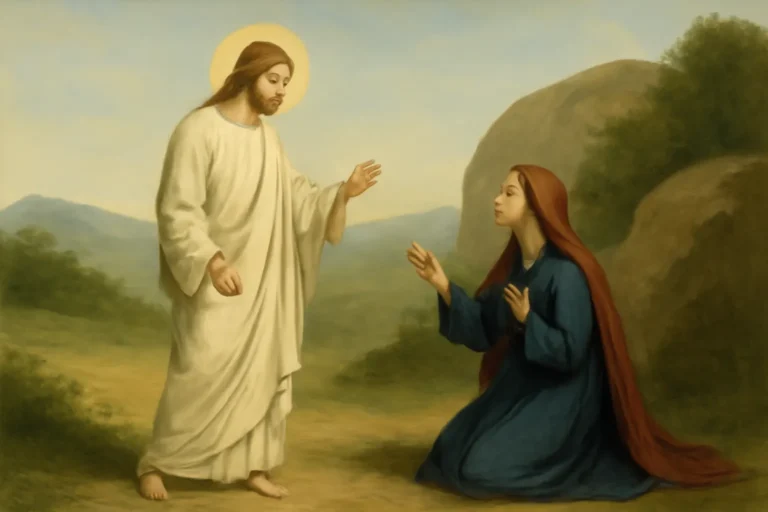
In the months following Resurrection Sunday, Jesus appears to his disciples several times. These appearances serve several purposes: they confirm the reality of the resurrection, they teach the meaning of the resurrection in terms of prophecy and plan, and they equip the disciples for their future ministry. Notable encounters include appearances to Mary Magdalene and other followers, to the Twelve (with Thomas initially lacking belief and then crediting faith upon his encounter), and to groups of disciples in rooms and on the road. The emphasis is not merely sensation but instruction: Jesus interprets Scripture, explains how the events of his suffering and resurrection fulfill God’s redemptive plan, and prepares the community to bear witness to the world.
The Great Commission and the Preparatory Phase
A pivotal moment in the post-resurrection chronology is the Great Commission, in which Jesus commands his followers to go and make disciples of all nations, baptizing and teaching them to observe all he has commanded. This commission is not merely a call to evangelism; it is a directive that carries with it the empowerment for mission. The commission occurs against the backdrop of the disciples’ growing understanding of who Jesus is and what his life, death, and resurrection mean for the human story.
Ascension: The Return to the Father and the Preparation for Spirit Renewal
The Ascension marks the transition from earthly ministry to heavenly rule. About forty days after the Resurrection, Jesus is taken up before the eyes of the disciples, and a cloud hides him from their sight. The Ascension is not abandonment but a transition: Jesus remains present as the exalted Lord who rules the universe and who will send the Spirit to empower his followers. The Ascension also initiates a new dynamic in the pentecost after resurrection timeline, because it sets the stage for the Spirit’s descent in a manner that would redefine life in faith and community.
The Waiting Period: Prayer, Unity, and Preparation
After the Ascension, the early believers gather in Jerusalem and dedicate themselves to prayer and fellowship. This waiting period—often described as a ten-day interval between Ascension and Pentecost—provides a necessary phase of communal unity and spiritual preparation. During this time, the apostles and the broader Christian community seek guidance, reflect on Scripture, and position themselves for the Spirit’s empowering presence. The waiting period culminates not in passive expectancy but in active anticipation: the Spirit will come, not as an isolated gift to a few, but as a transformative presence for the church as a whole.
The Selection of Matthias and the Communion of Believers
A related moment in the post-resurrection chronology concerns the replacement of Judas Iscariot. The early church selects Matthias to join the Eleven as part of maintaining the witness and leadership structure Jesus established. This event, recorded in Acts 1, demonstrates that the fledgling community pays careful attention to leadership, governance, and the integrity of its mission before the Spirit arrives in power. The process of choosing Matthias emphasizes communal discernment and accountability—qualities that will characterize the early church’s life under the Spirit’s guidance.
The Promise and Preparation for the Spirit: Why Ten Days Matter
The ten-day waiting period becomes a deliberate time of expectation for the pentecost after resurrection timeline to reach its fruition. The promise of the Holy Spirit—articulated in Jesus’ final words before the Ascension and echoed in the events of Acts 1:4-5—frames the entire narrative. The Christian community understands that spiritual empowerment is not earned by human effort alone but is a gracious gift that enables witness, community life, and service. This preparation period underscores the patient, dependent posture that accompanies divine action.
The Day of Pentecost: Acts 2 and the Spirit’s Descent
The climax of the Pentecost after resurrection timeline is the descent of the Holy Spirit on the Day of Pentecost, as described in the second chapter of the Acts of the Apostles. This event marks the founding moment of the church’s public mission and the birth of a new covenant community empowered for bold witness.
The Conditions for Spirit Arrival: Prayer, Unity, and Expectation
The narrative emphasizes that the Spirit’s outpouring comes in response to obedience, prayer, and unified expectation. The disciples are gathered in one place, devoted to prayer, awaiting the promise Jesus had spoken of. This emphasis on communal prayer and unity remains a model for churches today, illustrating that the Spirit’s presence often meets the church where there is humility, repentance, and shared purpose.
The Manifestations: Wind, Tongues of Fire, and Public Witness
When the Spirit descends, the city is filled with sound as of a rushing wind, and tongues resembling fire appear and settle on each believer. The most remarkable outward sign is the gift of speaking in other languages, enabling witnesses to proclaim the gospel in languages they have never learned. The phenomena are not merely sensational; they function as a sign that the Spirit is enabling a diverse, global mission. People from many nations hear the gospel in their own languages, illustrating the universality of the new community that God is building through the Spirit.
The Sermon and the Conviction: Peter’s Gospel Proclamation
Peter describes the events in terms of fulfillment of prophecy and the work of God in the last days. He calls for repentance, faith in Jesus, and baptism in the name of Jesus Christ for the forgiveness of sins. The sermon is a model of biblical preaching: it connects Jesus’ life, death, and resurrection to the prophetic expectations of Israel, and it invites a response of faith. The immediacy of the response is remarkable: thousands respond to the message, are baptized, and join the community that now bears witness to the gospel with power.
The Immediate Outcomes: 3,000 Conversions and the Birth of the Church
The Book of Acts records a remarkable outcome on that first Day of Pentecost: roughly three thousand people are added to the church in a single day. This baptismal growth is not merely numerical; it reflects a radical shift in identity, community life, and worship. The newly formed church begins to meet in homes, to share resources, to teach, and to imitate the early apostolic practice. The Pentecost after resurrection becomes a catalytic moment, setting in motion the ongoing mission to share the gospel worldwide.
Theological Significance of the Pentecost After Resurrection Timeline
The sequence from the Resurrection to Pentecost has deep theological implications that scholars and believers still study and reflect upon today. It demonstrates how God fulfills biblical prophecy through historical events, how the Spirit inaugurates a new era, and how a community is transformed from a church-centered in gathering to a church-centered in mission.
Fulfillment of Prophecy and Covenant Renewal
The Pentecost after resurrection timeline is often understood as the fulfillment of God’s promises across both testaments. Old Testament prophecies about the Spirit being poured out (for example, in Joel 2) are cited as being fulfilled in Acts 2. In this sense, Pentecost represents not only the personal empowerment of individuals but the renewal of the covenant in a community context. Believers are thus invited into a relationship in which the Spirit writes God’s law on their hearts, guiding conviction, moral discernment, and transformative obedience.
Empowerment for Mission: The Spirit as the Church’s Enabler
The descent of the Holy Spirit on Pentecost is primarily about empowerment for mission. The Spirit enables bold proclamation, courageous witness, and effective leadership within the church. This empowerment is not a one-time event but a continuing dynamic that sustains the church’s life. The timeline demonstrates how spiritual authority and public witness emerge together, producing a community capable of withstanding persecution, spreading the gospel, and sustaining a faith that crosses borders and cultures.
Continuity and Discontinuity: Old and New Covenant Themes
The Pentecost after resurrection chronology also highlights tensions and harmonies between continuity with Israel’s story and the emergence of a new, Spirit-filled people. The Feast of Weeks (Shavuot) held in Jewish tradition celebrated harvest and covenant renewal, while the Christian reading sees a new harvest of souls and a new covenant community formed by the Spirit. The relationship between the old and new covenants is reframed in light of Jesus’ life, death, resurrection, and the Spirit’s outpouring.
The practical takeaways from the pentecost timeline after Resurrection for contemporary believers center on living in the Spirit, bearing witness, and fostering communal unity. The following points summarize what this historical sequence implies for daily life and church practice today.
Living in the Spirit: Guidance, Power, and Discernment
Guidance: The Spirit provides direction for decision-making, particularly when facing important ministry choices or moral dilemmas.
Power for witness: The Spirit empowers believers to boldly proclaim the gospel in diverse contexts, whether in personal relationships or public settings.
Discernment: The Spirit helps the church discern truth from error, local ministry calls, and the priority of sharing resources with those in need.
Unity as a Foundation for Mission
The early church’s example of reconciliation, prayer, and shared life under the Spirit’s guidance underscores the importance of unity in contemporary ministry. A church that models humility, mutual service, and fearless love becomes a more credible witness to a watching world. Unity does not mean uniformity; it means a shared commitment to the gospel, to care for one another, and to collaborate for the sake of the mission.
Evangelism rooted in Biblical Hope
Pentecost framed evangelism as an enterprise rooted in historical fulfillment and future expectation. The early believers were empowered to speak in languages they had not learned, symbolically illustrating the gospel’s accessibility to every nation. Today, the practical takeaway is to cultivate a bold, compassionate proclamation of the gospel that resonates with diverse audiences, accompanied by a life that demonstrates the transformative power of the Spirit.
Formation of Christian Identity and Community Life
The post-resurrection timeline culminates in the formation of a people defined by faith in Christ and sustained by the Spirit. This identity shapes worship, teaching, service, and social ethics. Churches today can reflect on how the Pentecost experience informs worship that honors the Spirit, teaching that grounds faith in scriptural truth, and service that demonstrates love in action.
Common Questions About the Pentecost After Resurrection Timeline
As readers explore the pentecost after resurrection timeline, several questions often arise. Below are concise answers that reflect the biblical record and traditional interpretation.
Why is Pentecost counted as 50 days after Resurrection?
The counting of days follows the biblical calendar associated with the Jewish festival of Shavuot, which is the Feast of Weeks. The earliest Christians observed Pentecost fifty days after Passover, counting inclusively from the day of the Resurrection. This counting places the Spirit’s descent on a specific festival-associated day, linking the church’s birth with a significant biblical feast that celebrated covenant and harvest.
How does the calendar affect the date of Pentecost?
Different Christian traditions use various calendars (lunar-solar vs. solar-based systems) and different methods for determining the date of Easter. As a result, the exact date of Pentecost may vary from year to year across churches. Despite calendar differences, the underlying significance remains: Pentecost marks the arrival of the Spirit, not merely a ceremonial milestone.
Did Pentecost replace Passover or fulfill it?
In Christian interpretation, Pentecost does not replace Passover; it fulfills its overarching themes in a new covenant sense. Passover remembers deliverance from slavery in Egypt; Pentecost extends the deliverance narrative to include liberation from sin, accomplished through Jesus and extended to all nations by the Spirit. The Spirit’s outpouring on Pentecost is often viewed as the inauguration of a new era in which God’s redemptive work is poured out not on a single national people but on a global community of believers.
Additional Perspectives: Early Church and New Testament Voices
The Pentecost after resurrection timeline is discussed not only in the Acts of the Apostles but also in Pauline theology and in early Christian writings. The apostolic witnesses emphasize the unity of the church under the Spirit, the transformation of believers into a living temple of the Spirit, and the universal scope of the gospel. Early church fathers, while writing centuries later, trace the Spirit’s work back to the Pentecost moment, highlighting its enduring relevance for church governance, spiritual gifts, and mission. Understanding these perspectives helps readers appreciate how the first community interpreted and applied the events of the Pentecost after resurrection chronology to shape worship, leadership, and outreach.
Gifts, Fruits, and the Spirit’s Work in the Church
A key theological thread in the post-resurrection narrative is the Spirit’s distribution of gifts for the common good and the building up of the body. The presence of spiritual gifts in Acts 2 and later lists in Paul’s letters illustrate that the Spirit equips believers for service, prophecy, teaching, mercy, and other forms of ministry. The ongoing work of the Spirit remains a central feature of Christian life, encouraging believers to pursue spiritual maturity, unity, and effective mission in every cultural context.
Continuity with Christian Worship and Liturgy
The day of Pentecost has influenced Christian worship and liturgical calendars in many traditions. Celebrations of the Spirit’s coming are often tied to themes of renewal, empowerment, and mission. Churches frequently use this season to emphasize baptism, confirmation, and evangelistic outreach, aligning commemorations with the historical pentecost after resurrection timeline narrative.
A Comprehensive Summary of the Pentecost After Resurrection Timeline
To recap the core sequence:
Resurrection on the first day of the week signals the victory over death and the confirmation of Jesus’ divine identity.
Multiple post-resurrection appearances reinforce faith, teach interpretive insights from Scripture, and establish the reality of the risen Lord.
The Great Commission brings a mandate for missionary witness to all nations.
The Ascension marks a transition to heavenly rule and sets the stage for Spirit empowerment.
A deliberate ten-day waiting period in prayer and unity prepares the community for what is to come.
The elective replacement of Judas with Matthias demonstrates continuity in leadership and faithful governance within the early church.
The Day of Pentecost reveals the Holy Spirit being poured out, with signs, languages, and bold proclamation.
The church experiences immediate growth (thousands added) and begins a global mission rooted in Spirit-led life.
The combined story reveals how the pentecost after resurrection timeline is both historically grounded and theologically transformative. It shows a God who acts in history, equips a community for ministry, and invites all peoples into a living relationship with Jesus Christ through the Spirit.
For readers and listeners today, the Pentecost after resurrection timeline offers practical guidance: cultivate a life dependent on the Spirit, pursue unity and biblical teaching, and participate in a mission that speaks with humility and boldness. The ancient events remain a lens through which contemporary Christian worship, discipleship, and outreach can be understood and pursued with renewed purpose.





Leave a Reply