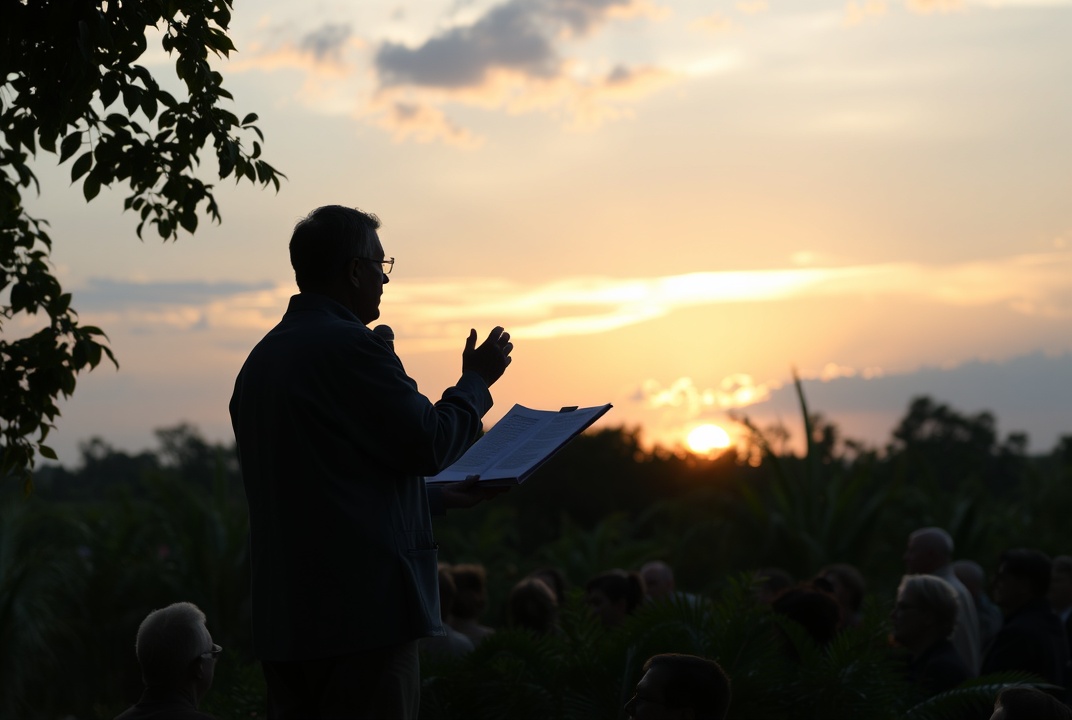
The Unfolding Conversation: Embracing the Power of a Sermon on Prayer in Our Lives
The Unfolding Conversation: Embracing the Power of a Sermon on Prayer in Our Lives
In the tapestry of human experience, the thread of prayer is ubiquitous and enduring. Across cultures, faiths, and generations, individuals have turned to a higher power, seeking solace, guidance, and connection. This innate human impulse finds its most structured and profound expression in the sermon on prayer, a cornerstone of religious discourse that illuminates the practice and purpose of this sacred dialogue. More than just a ritualistic act, prayer is a dynamic, unfolding conversation that shapes our understanding of ourselves, our relationships, and the very fabric of existence.
Understanding the sermon on prayer isn't just about attending a service; it's about unlocking a profound spiritual pathway. These sermons, whether delivered from ancient pulpits or modern online platforms, offer invaluable insights into the nature of prayer, its different forms, and its transformative potential. They remind us that prayer is not a one-way street, but a reciprocal exchange, a deepening of our faith and a strengthening of our resolve.
The Unseen Architecture: What a Sermon on Prayer Reveals
A well-crafted sermon on prayer does more than simply tell us to pray; it delves into the why and the how. It dismantles the notion that prayer is merely a transactional request, instead revealing it as a foundational practice for spiritual growth. Think of it like learning to build a house. You wouldn't just start piling bricks; you'd need blueprints, understanding the foundation, the framing, the electrical – all the essential components. Similarly, a sermon on prayer provides the spiritual blueprints for a meaningful and effective prayer life.
These discourses often highlight the multifaceted nature of prayer. We learn that prayer can be an act of praise and thanksgiving, acknowledging the blessings in our lives, both big and small. It can be a plea for forgiveness, a humble admission of our shortcomings and a sincere desire for reconciliation. Furthermore, prayer serves as a powerful tool for intercession, where we lift the needs of others to the divine. A sermon on prayer helps us understand that each facet of prayer strengthens different aspects of our spiritual being. For instance, focusing on gratitude can shift our perspective from what we lack to what we possess, fostering contentment and resilience.
Beyond Words: The Many Forms of Prayer Illuminated
The sermon on prayer often expands our understanding beyond the spoken word. While vocal prayers are a significant aspect, the essence of prayer lies in the attentive heart and a receptive spirit. Sermons might introduce us to the concept of contemplative prayer, a silent, surrendered state of communion where we simply rest in the presence of the divine. This can feel challenging at first, like trying to sit in a quiet room after a lifetime of constant noise, but its rewards are immense.
This exploration of prayer's forms is crucial for making it relatable and accessible. A sermon might share stories of individuals who found solace in meditative prayer, a practice that involves focusing the mind and opening the heart to spiritual insights. Others may be drawn to action-oriented prayer, where faith is expressed through dedicated service and compassionate deeds. The key takeaway from a sermon on prayer is that God hears the sincere intention behind our prayers, regardless of the specific methodology. Whether you are articulating a heartfelt plea or simply holding a quiet space of longing, your prayer is being acknowledged.
Prayer as a Dialogue: Strengthening Our Connection to the Divine
At its core, a sermon on prayer emphasizes that this practice is a divine dialogue, a continuous conversation that fosters an intimate relationship with the sacred. It’s not about reciting pre-written lines but about engaging in a living, breathing exchange. Imagine calling a friend you haven't spoken to in a while. The conversation wouldn't feel forced or scripted; it would naturally flow, filled with updates, reflections, and shared feelings. Prayer, in this light, is our ongoing connection with the ultimate source of love and wisdom.
This dialogue is transformative because it invites divine perspective into our human experience. When we pray, we are not just articulating our own thoughts; we are opening ourselves to a wisdom that transcends our own limitations. A sermon on prayer might illustrate this with an analogy: trying to navigate a complex maze alone versus having a wise guide who knows the twists and turns. Prayer is our opportunity to invite that divine guide into our lives, helping us to see situations with greater clarity and make decisions aligned with a higher purpose. This consistent communication fortifies our faith and provides an anchor in the midst of life's storms.
The Transformative Power: How Prayer Rewrites Our Stories
The most compelling aspect of a sermon on prayer is its exploration of its transformative power. Prayer isn't merely a passive act; it’s an active engagement that can reshape our inner landscape and influence the world around us. This is not about a magical formula, but about the spiritual discipline of aligning our will with the divine will. When we consistently bring our concerns, our hopes, and our struggles before God, we invite a shift in perspective and a strengthening of our resolve.
Consider the example of facing a difficult challenge, like a demanding project at work or a personal conflict. A sermon on prayer might encourage us to not only ask for a solution but to pray for the wisdom and strength to navigate the situation. This means actively listening for divine nudges, seeking opportunities for growth, and acting with courage. The sermon reminds us that prayer is an invitation to co-create our reality, working in partnership with the divine. This proactive stance empowers us and often leads to unexpected breakthroughs and personal growth. It's about understanding that our prayers are not unheard whispers, but potent forces for change.
Practical Applications: Integrating Prayer into the Rhythm of Life
Understanding the profound theology behind prayer is one thing, but effectively integrating it into our daily lives is another. A sermon on prayer often provides practical tools and encouragement for making this sacred practice a consistent part of our rhythm. It acknowledges that life can be busy and demanding, and that finding time for prayer requires intentionality and a commitment to spiritual well-being.
Many sermons offer concrete suggestions for cultivating a prayerful life, such as:
Establishing a dedicated prayer time: This could be first thing in the morning, during a lunch break, or before bed. Even a few minutes of focused prayer can make a significant difference.
Creating a sacred space: This might be a quiet corner of your home, a favorite spot in nature, or simply a mental sanctuary you can access anywhere.
Utilizing prayer journals: Writing down your prayers, reflections, and answers can be a powerful way to track your spiritual journey and deepen your understanding.
Practicing short, frequent prayers: Throughout the day, offer brief moments of gratitude, petition, or acknowledgment of God's presence. This keeps your spiritual connection alive.
The overarching message from a sermon on prayer is that consistency is key. It’s not about achieving perfection in prayer, but about persistent engagement. Think of it like tending a garden. You don’t just plant the seeds and expect a harvest; you water, weed, and nurture the plants consistently. Similarly, cultivating a prayerful life requires ongoing attention and care. By embracing these practical applications, we can transform prayer from an occasional event into a life-sustaining spiritual practice.
The Enduring Call: Embracing the Gift of Prayer
In conclusion, the sermon on prayer serves as a timeless invitation to engage in a profound and life-altering conversation. It reminds us that we are never alone, that there is a divine presence ready to listen, guide, and support us. By understanding the multifaceted nature of prayer, its role as a dialogue, its transformative power, and its practical application, we can unlock its immense potential in our lives.
Let the teachings of a sermon on prayer be a constant encouragement to approach this sacred practice with openness, honesty, and unwavering faith. It is a gift freely given, a direct line to the heart of the divine, waiting to be explored and embraced. The journey of prayer is an ongoing adventure, filled with the promise of deeper connection, profound peace, and transformative grace. May we always answer its enduring call.
Frequently Asked Questions about Sermons on Prayer
What is the purpose of a sermon on prayer?
A sermon on prayer aims to deepen understanding of prayer's significance, encourage its regular practice, and equip individuals with ways to connect with the divine. It often explores the theological basis for prayer, its benefits, and practical methods for effective communication with God.
What common themes are addressed in sermons about prayer?
Common themes include the nature of prayer (adoration, confession, thanksgiving, supplication), the importance of faith, listening to God's voice, overcoming obstacles to prayer, the power of corporate prayer, and how prayer transforms individuals and communities.
How can I make my prayer life more meaningful after hearing a sermon?
Sermons on prayer often suggest practical steps like establishing a dedicated prayer time, journaling prayers, praying scripture, practicing contemplative prayer, seeking accountability with others, and actively reflecting on answered prayers.
Are there different types of prayer discussed in sermons?
Yes, sermons may differentiate between various forms of prayer, such as intercessory prayer (praying for others), petitionary prayer (asking for needs), meditative prayer (reflecting on God's word), and devotional prayer (expressing love and worship).
What if I struggle with prayer? Should I still listen to sermons on it?
Absolutely. Sermons on prayer are particularly helpful for those who struggle. They often address common challenges like distraction, doubt, or feeling unheard, offering encouragement and practical strategies to navigate these difficulties. The sermon can serve as a reminder that prayer is a journey, not a destination.