Understanding Elul: Meaning, Etymology, and the Turning Point Before the High Holidays
In the rhythm of the Jewish year, Elul stands as a prelude to the most intense period of contemplation and communal prayer. It is both a monthly marker in the Hebrew calendar and a spiritual mood that invites an inner audit, reconciliation, and renewed connection with God, with family, and with neighbors. The name Elul is spoken softly in synagogues and households alike, evoking a familiar cadence that signals that a season of returning—to one’s self, to God, and to the covenant—has begun. While the dates shift slightly from year to year due to the lunisolar calendar, the character of Elul remains remarkably consistent: a time to search the heart, to reflect on actions, and to prepare for the holy days of Tishrei.
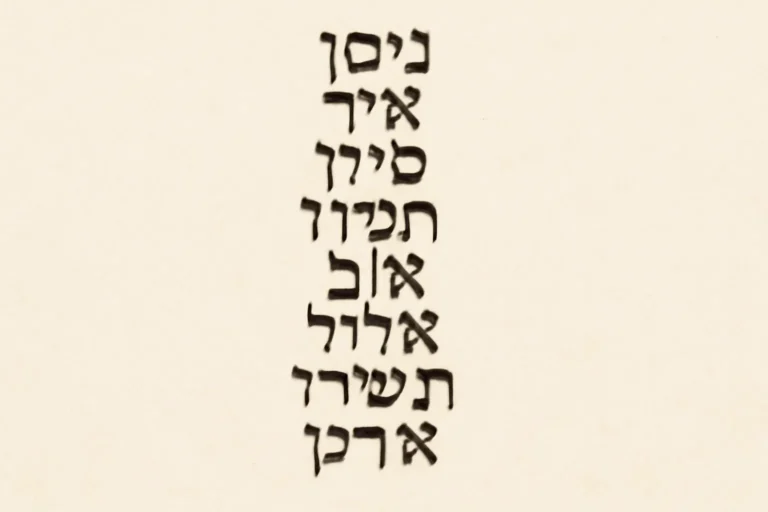
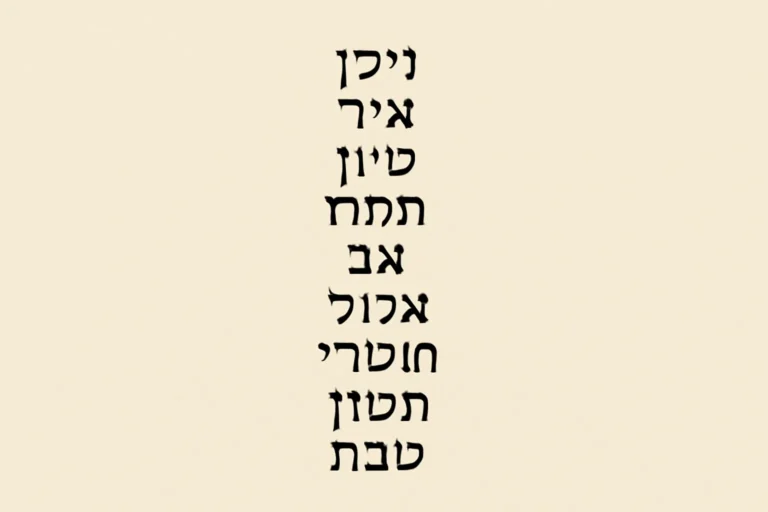
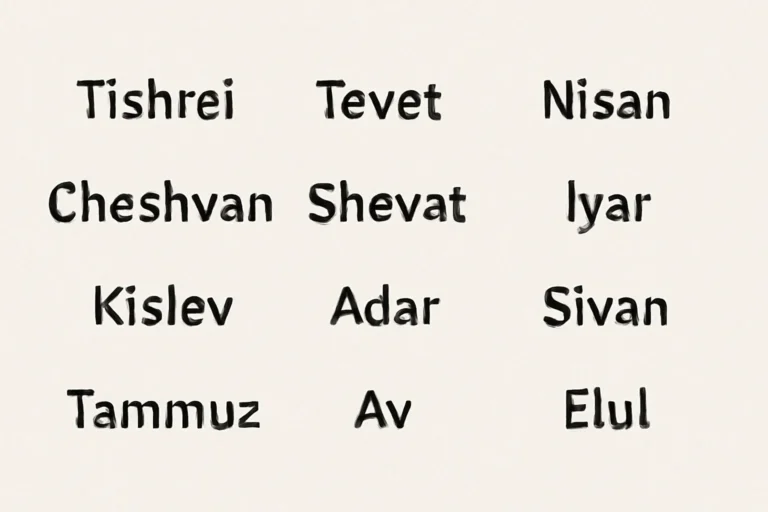
The month of Elul is, grammatically and spiritually, part of the Year of Awe in most Jewish traditions. In terms of counting, it is the sixth month of the religious year (often paired with the Jewish idea that the year begins in the spring, with Nisan), and it is the twelfth month in the civil year as it appears on the calendar. This dual placement helps explain why Elul is both a natural bridge between late summer and the High Holidays and a unique opportunity to recalibrate one’s life before the shifts of Rosh Hashanah and Yom Kippur.
Etymologically, there are several explanations for the term Elul. The most common tradition ties the name to a longer, aspirational phrase drawn from the Song of Songs—Ani ledodi vedodi li (I am my beloved’s and my beloved is mine)—a poetic image of rekindled relationship with the Divine. Another widely cited explanation links Elul to the Aramaic root used in the liturgy for introspection, confession, and prayer during this period. Whichever reading one prefers, the dominant sense is clear: Elul invites returning, repair, and renewal.
The liturgical mood of Elul is reinforced by the daily cadence of repentance and humility. In many communities, the month opens with a quiet, contemplative tone and intensifies as the days progress toward Rosh Hashanah. Even for people who do not uniformly attend synagogue, the call to examine one’s deeds and to extend forgiveness to others resonates in family dialogues, in study sessions, and in acts of charity. The arc of Elul is thus both personal and communal: a time to repair relationships, to strengthen commitments, and to prepare the heart for the divine judgment that is central to the Days of Awe.
The Significance of Time: Elul in the Jewish Calendar
The structure of the Jewish year places Elul at a critical threshold. It is not merely a backdrop to the High Holidays; it is a dynamic season in its own right. The three central themes that define this month are introspection, confession (vidui), and preparation for the moral and spiritual judgments commonly associated with Rosh Hashanah and Yom Kippur.
In practice, this means that many people will engage in:
Self-examination—rachamim expressed as humility, gratitude, and honest reckoning with one’s past actions.
Scriptural study—reading and reflecting on psalms, prophets, and legal-ethical texts to clarify what it means to live with integrity.
Prayerful seeking—participating in regular prayer, including supplications and petitions for mercy.
Charity and acts of kindness—expanding tzedakah and gemilut hasadim (acts of loving-kindness) as a practical expression of repentance and renewal.
The month also marks a shift in communal rhythms. In many synagogues, selichot prayers begin to appear, often in the early morning or late at night, as a prelude to the more intensive penitential liturgy that culminates in the Days of Awe. The cadence of the month, then, is not simply a countdown; it is an active process of turning toward a more conscientious life.
Traditions and Practices in Elul
Selichot and the Prayerful Season
One of the hallmark Elul customs is the recitation of selichot, penitential prayers that call for mercy, forgiveness, and spiritual purification. Depending on tradition, Selichot may begin on the starting day of Elul or on the Sunday before Rosh Hashanah. For many families and communities, the silent, morning, or pre-dawn notes of these prayers set a tone of humility and awe that carries through the rest of the month.
Liturgical themes include forgiveness, mercy, gratitude, and the acknowledgment of human frailty before the divine judge.
Liturgical wording often features acrostics, psalms, and poetic laments that invite personal application and reflection.
Practical discipline may involve shorter personal prayers during the day, as well as longer sessions in synagogue settings.
Confession, Repentance, and Personal Teshuva
The core of Elul is the practice of teshuva, translated as repentance or return. This process involves three steps commonly described in Jewish ethical literature:
Recognition of the misdeed or harm caused.
Regret for the action and its impact on others.
Resolution to change behavior and avoid repeating the same mistake.
Beyond individual confession, the month encourages communal and interpersonal repair. Many people use Elul as an opportunity to ask forgiveness from friends and family, and to offer forgiveness in return. The spirit is not merely punitive; it is constructive and forward-looking—an invitation to build relationships that are more honest, kinder, and more resilient.
Acts of Charity and Kindness
A practical dimension of Elul is the emphasis on tzedakah and acts of kindness. The Talmud and later ethical writings associate the period before the new year with increased charity and generosity because righteous acts have the power to sweeten judgment. In many communities, families plan or increase charitable giving, volunteer together, or support neighbors in need as a visible expression of repentance and renewal.
Daily Routines and Rituals: How People Observe Elul
Morning and Evening Practice
A typical Elul day might begin with personal prayer or quiet reflection, followed by the study of sacred texts. In some homes, morning devotion includes brief readings from Psalms that emphasize mercy and steadfast love, such as Psalm 103 or Psalm 51, which is a canonical confession of sin. Evening reflections may take the form of mindful gratitude for the day’s blessings and a review of the day’s actions against one’s intentions.
Textual Engagement and Study
Study is a central anchor of Elul. People often read passages from the Torah, Prophets, and Rabbinic literature that illuminate ethical conduct, justice, and mercy. Some communities organize study sessions focused on the concept of teshuva, inviting participants to craft personal commitments for the coming year. Families might discuss a different ethical query each night—questions about integrity, kindness, patience, or stewardship—transforming abstract ideas into tangible commitments.
Community and Synagogue Life
The communal dimension of Elul can be especially meaningful. Synagogues may host special study gatherings, communal prayers, and candle-lighting or memory-sharing ceremonies that emphasize reconciliation and peace. In some communities, selichot are chanted in multiple languages to welcome diverse congregants and to reflect the universality of the ethical message of this season.
Elul, Tashlich, and Other Seasonal Traditions
Tashlich: Casting Away the Past
Tashlich is a traditional ceremony performed by many Jews during the weeks of Elul or on the first day of Rosh Hashanah, near a body of running water. The ritual involves casting away the sins symbolically by throwing pieces of bread or other small objects into the water, accompanied by prayers and reflection. The practice embodies the idea of releasing guilt and starting anew, while physically symbolizing mercy and cleansing.
Not every community observes Tashlich on the same day or in the same manner, and some choose to perform it on the afternoon of the first day of Rosh Hashanah or during the days that follow. The essential intention, however, remains consistent: to acknowledge faults, seek forgiveness, and purify the spirit in preparation for the holy days ahead.
Shofar and the Edge of the New Year
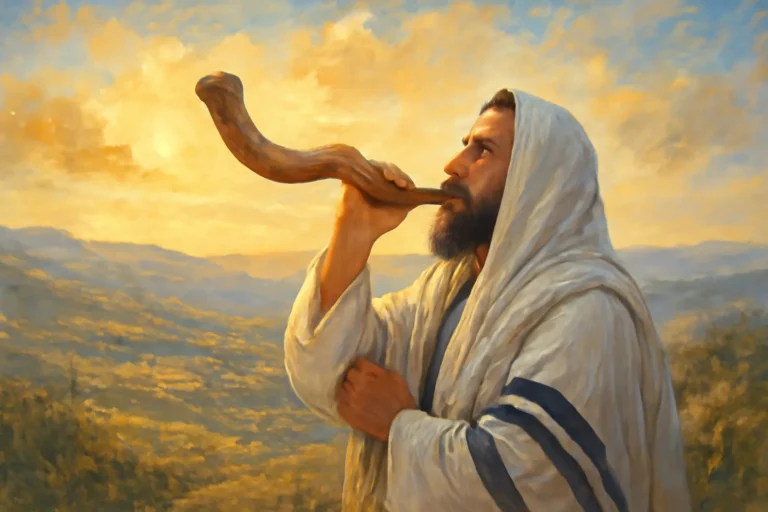
The sound of the shofar is a quintessential soundscape of the Jewish New Year season. While the blasts of the shofar are most closely associated with Rosh Hashanah itself, some communities augment the Elul experience by days of contemplation that emphasize the awakening call of the shofar as a metaphor for alertness and renewal. In others, the shofar may be sounded on certain days within Elul as a reminder to stand before the Creator with a purified heart.
The precise practice varies, but the overarching message is stable: a spiritual alarm bell, urging us to awaken from complacency and to approach the High Holidays with humility and resolve.
Ritual Boundaries and Personal Boundaries: What Elul Means for Everyday Life
Elul is not only about prayer and confession; it is also about transforming daily life. The month encourages believers to align their actions with their values in concrete ways—whether through family conversations, ethical decision-making at work, or mindful communication with friends and strangers.
Mindful speech—choosing words that heal, encourage, and respect others.
Financial integrity—practicing honesty in business, returning debts, and assisting those in need.
Family harmony—resolving conflicts with patience, offering forgiveness, and strengthening bonds.
Environmental and social justice concerns—considering how one’s life impacts others and the world at large, and seeking sustainable, compassionate choices.
In this way, the spiritual renewal of Elul translates into tangible, ethical living. The month becomes a kind of season-long charter for living with intention, connection, and responsibility, culminating in the intensities of the Days of Awe.
Elul Across Communities: Diversity Within a Shared Ethos
While the general contours of Elul are widely shared across Jewish communities, the ways it is observed can vary. Different traditions emphasize various elements, and regional customs reflect a spectrum of liturgical melodies, study topics, and devotional practices.
Ashkenazi practice often features early selichot and a focus on penitential liturgy as a lead-in to Rosh Hashanah.
Sefardi and Mizrahi customs may include unique piyyutim (liturgical poems) and melodies that emphasize mercy, kindness, and divine attribute of compassion (rachamim).
Chassidic communities frequently frame Elul as a personal encounter with the divine king, integrating storytelling, songs, and transformative acts of generosity.
Modern and secular-friendly approaches often connect Elul to personal growth, mental health, and ethical self-improvement, encouraging mindful reflection without heavy ritual language for those new to religious practice.
Regardless of tradition, the shared aim remains: to approach the High Holidays with sincerity, humility, and a renewed commitment to justice and compassion. The universal appeal of Elul lies in its invitation to begin anew, to reframe one’s life around better patterns, and to cultivate a spirit of repair that can sustain long after the Hebrew year resets.
Practical Guidance: How to Experience the Spirit of Elul
If you want to engage with the Elul ethos in a practical, approachable way, consider the following suggestions. They are designed to be accessible to people at varying levels of religious observance and to fit into busy modern schedules.
Set a personal intention for the month. Choose one or two changes you want to cultivate—perhaps listening more attentively, restoring a strained relationship, or volunteering your time.
Establish a nightly reflection routine—even five minutes of journaling about acts of kindness you performed or a difficult conversation you navigated can deepen awareness.
Engage with selichot in a way that works for you—listen to a selichot recording, read translations of penitential prayers, or participate in a short congregational service if available.
Practice teshuva in relationships—if possible, reach out to someone with whom you have unresolved tension and offer a sincere apology or a gesture of reconciliation.
Give with intention—tzedakah or acts of kindness that meet real needs in your community can have a measurable ripple effect in the weeks ahead.
Learn about the holidays to come—read a short study on Rosh Hashanah and Yom Kippur to connect your inner work with the public rites ahead.
Why Elul Matters: The Broader Picture of Spiritual Renewal
The significance of Elul extends beyond ritual practice. It embodies a timeless philosophy: that renewal is possible when we turn toward what truly matters—truth, mercy, accountability, and love. The month’s practice encourages people to stop, listen, and reassess their priorities. It invites a generous, hopeful outlook that even a year with mistakes can be reset by deliberate ethical choices and renewed commitments.
In this sense, Elul offers a bridge between personal integrity and communal harmony. By cultivating humility, teachers remind students, and neighbors remind friends, that the path to a better year begins with honest speech, responsible actions, and generous hearts. The month thus becomes a practical spiritual toolkit: a season of preparation that enables one to meet the divine courts with clarity, compassion, and courage.
Elul also speaks to how communities remember and imagine the future. The days before the Feast of the New Year carry a double charge: to acknowledge harm done in the past and to imagine a future in which relationships, communities, and societies are more just and humane. This forward-looking hope is central to how many people experience Elul. It is not merely about personal piety; it is about communal responsibility and shared renewal.
For some, the spiritual itinerary of Elul includes journaling gratitude for blessings received, identifying one’s moral blind spots, and choosing acts that restore trust. For others, it is a slower, more contemplative month in which prayer, reading, and conversations with trusted mentors or friends illuminate paths toward better conduct. Across these variations, the common destination remains the same: a renewed sense of purpose that resonates during the Days of Awe and continues into the year ahead.





Leave a Reply