
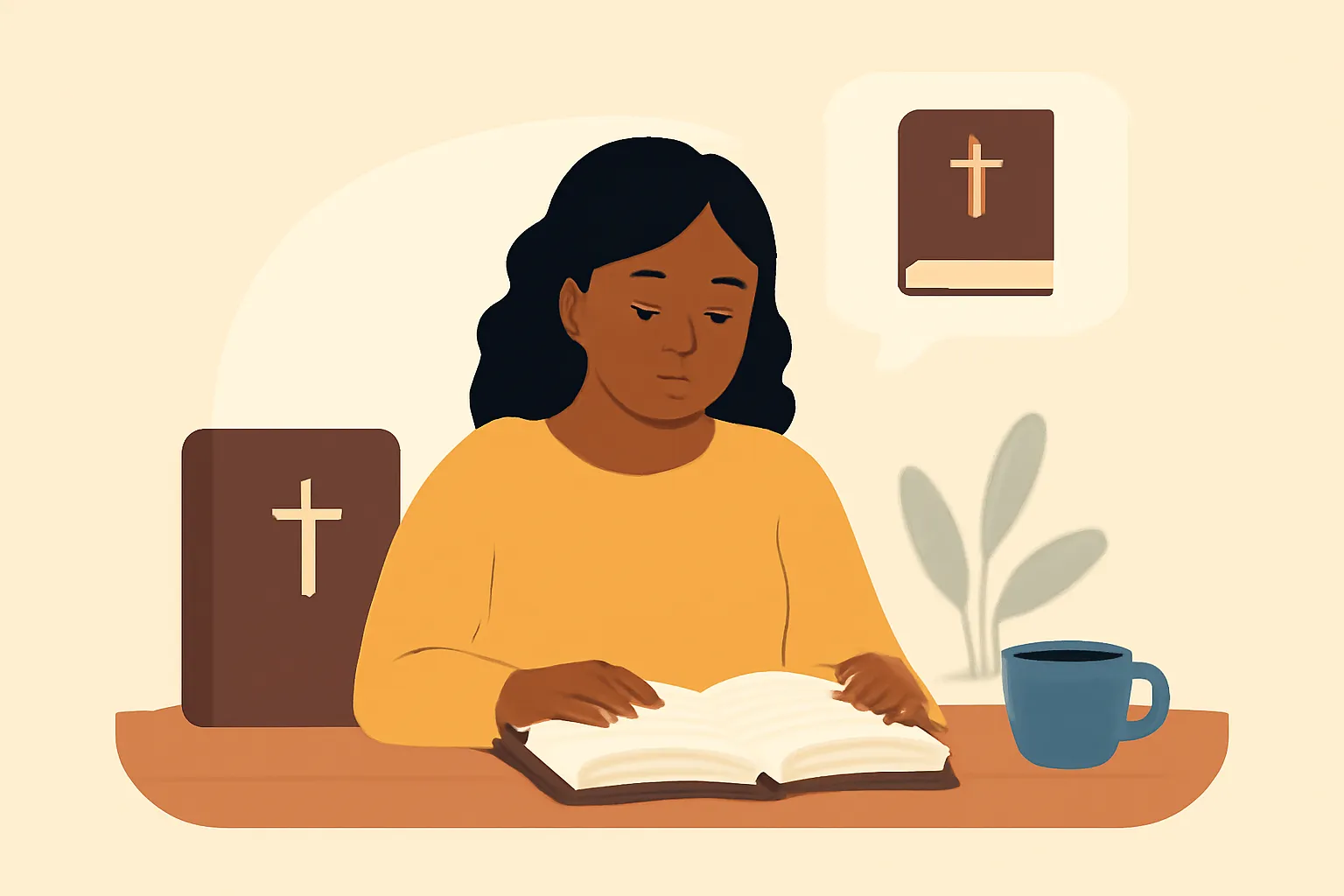
The Bible is a living resource with countless angles for exploration. Whether you teach children, teens, young adults, or seniors,
100+ themed Bible study ideas can help you plan engaging, meaningful sessions that illuminate Scripture and invite real-life application. This guide presents
a broad spectrum of topics organized into categories, each with practical approaches your group can adapt to your context. The aim is not to overwhelm with topics alone but to provide
directional ideas you can customize for every age and every setting.
Why themed Bible study matters
Themed studies help learners connect the Bible to everyday life, cultivate curiosity, and deepen faith by focusing on big ideas rather than isolated verses.
Themes encourage conversations, critical thinking, and collaborative discovery. They also give leaders a structured way to plan progressions—from curiosity to understanding to transformation.
How to use this list
- Choose a theme that matches your season, needs, and group maturity.
- Set goals for the session—knowledge, application, or both—and tailor activities accordingly.
- Involve learners with questions, role plays, maps, timelines, and creative responses.
- Adapt for age groups—simplify concepts for kids, deepen discussion for youth, and apply with nuance for adults.
- Use varied formats—discussions, small groups, projects, debates, journaling, and service actions.
Categories and core themes for Bible study (H3 sections with solid topic lists)
Character Studies and People of the Bible
- Creation and Stewardship — Examine humanity’s calling to steward God’s world and how choices reflect worship or neglect.
- Abraham’s Faith and Obedience — Track trust, promises, and obedience even when the path is unclear.
- Jacob’s Transformation — Explore how God meets a flawed seeker and reshapes purpose.
- Joseph’s Providence and Integrity — See how perseverance and integrity align with God’s unseen plans.
- Moses and Leadership under Pressure — Learn humility, delegation, and reliance on God in challenging seasons.
- Joshua’s Courage and Decision-Making — Consider bold faith in difficult cultural moments.
- Ruth: Loyalty and Redemption — Discover steadfast love, kinship, and God’s surprising mercy.
- Samuel: Hearing God’s Voice — Practice listening, discernment, and obedient response.
- David: Courage, Mercy, and a Heart for God — Compare zeal, failures, repentance, and repentance’s path to renewal.
- Solomon: Wisdom and Choices — Delve into wisdom in leadership and the limits of human insight.
- Elijah: Faith in a Dark Nation — Explore courage, doubt, prayer, and the contest with fear.
- Elisha: Miracles and Mentoring — Learn about mentorship, impartation, and bold faith.
- Isaiah: Vision and Call — Examine divine calling, humility, and prophetic courage.
- Jeremiah: Lament to Hope — Engage faithful honesty, lament, and God’s sustaining promises.
- Hosea and Idolatry — Discuss commitment, discipline, and God’s redemptive mercy for wayward hearts.
- Daniel: Integrity in Exile — Reflect on steadfast faith, wisdom, and influence in hostile settings.
- Shadrach, Meshach, and Abednego: Courage under Fire — Contemplate bold faith under pressure and worship choices.
- Esther: Courage and Sacrificial Leadership — Explore risk, sovereignty, and advocacy for others.
- Nehemiah: Rebuilding Communities — Discuss leadership, teamwork, and practical planning amid opposition.
- Ezra: Worship Restored — Learn about fidelity to God’s word and reform in worship practices.
- Mary: Faithful Submission — Consider humility, mission, and obedience in calling.
- Jesus’ Early Disciples: Calling and Growth — Trace vocation, doubt, and growth in following Jesus.
- Peter: Restoration and Leadership — Explore failure, forgiveness, and resilient leadership.
- Paul: Conversion and Mission — Reflect on life transformation and gospel expansion across cultures.
- Timothy and Titus: Mentoring in Churches — Examine mentorship, pastoral leadership, and faithful communities.
- Lydia: Hospitality and Faith — Study hospitality as a form of obedience and outreach.
- Barnabas: Encouragement and Partnerships — Learn how encouragement shapes mission and community.
- Priscilla and Aquila: Teaching Together — Highlight collaborative ministry and clear teaching in homes.
Teachings, Parables, and Gospel Messages
- The Parable of the Good Samaritan — Examine neighbor love across boundaries and action that follows belief.
- The Prodigal Son — Understand repentance, grace, and restoration within family life and faith.
- The Mustard Seed — Explore how small seeds of faith grow into transformative God-honoring work.
- The Sower and the Soils — Discuss receptivity to God’s word and the conditions that affect growth.
- The Talents — Deliberate stewardship, responsibility, and using gifts for God’s purposes.
- The Lost Sheep — Reflect God’s pursuit of the found and the joy of restoration.
- The Lost Coin — Consider value, diligence, and the joy of recovery in community life.
- The Rich Young Ruler — Probe priorities, worship, and the cost of discipleship.
- The Rich Fool — Challenge attitudes toward wealth and dependence on God over possessions.
- The Great Banquet — Invitees, excuses, and the expansion of God’s invitation to all people.
- The Pearl of Great Price — Value of the Kingdom and the choice to pursue it above all else.
- The Hidden Treasure — Discover the extraordinary worth of God’s reign in everyday life.
- The Net and the Fish — Sorting in the Kingdom and the call to righteous living.
- The Wise and Foolish Builders — Foundation matters when storms come, not just in theory but in practice.
- The Lamp Under a Bushel — Light in the world requires visibility and courageous witness.
- The Workers in the Vineyard — God’s generosity and justice in inviting all to His work.
- The Persistent Widow — Persistence in prayer and trust in God’s timing.
- The Friend at Midnight — Bold requests in prayer and the Father’s readiness to respond.
- The Great Dinner Invite — Reconsider who is invited and who is left out, then act with inclusion.
- The Rich Man and Lazarus — Consequences of choices in this life and the hope of life to come.
- The Golden Rule — Love your neighbor as yourself applied to real-life situations.
- The Great Commandment — Love God fully and love neighbors in tangible ways.
- The Narrow and Wide Gates — Explore discernment, commitment, and the cost of following Jesus.
- The Beatitudes — Countercultural blessings that shape posture, attitude, and action.
- The Vine and the Branches — Abide in Christ to bear fruit and stay united with Him.
- The Parable of the Net (Kingdom Sorting) — God’s patient gathering and judgment with mercy and justice.
- The Good Shepherd — Understand care, protection, and provision for God’s people.
- The Parable of the Two Debtors — Relate forgiveness to gratitude and relational honesty.
- The Parable of the Great Commission — Engage with mission, discipleship, and sending in everyday life.
Faith, Prayer, and Spiritual Growth
- Prayer that Changes Things — Explore how honest dialogue with God shapes outcomes and character.
- The Lord’s Prayer as a Model — Use the model prayer to frame personal and group prayer habits.
- Fasting and Devotion — Consider discipline, dependence, and clarity in seeking God.
- Worship: Heartfelt vs. Ritual — Distinguish form from authentic encounter with God in worship.
- Bible Intake and Meditation — Practice slow, reflective reading to hear God’s voice through Scripture.
- Spiritual Disciplines in Daily Life — Sabbath, solitude, silence, and service woven into routine.
- Trusting God in Trials — Learn to anchor hope when circumstances are uncertain.
- Gratitude as a Practice — Build a lifestyle of thanksgiving regardless of season.
- Fruits of the Spirit in Daily Life — Translate character traits into concrete actions and relationships.
- Hope in Suffering — Explore sanctifying perspectives on pain and God’s faithfulness.
- Joy in Trials — Discover how joy can exist alongside hardship through God’s peace.
- Peace in the Storm — Practice centering on Jesus when life is unsettled.
- Patience and Perseverance — Learn how waiting on God shapes maturity and trust.
- Humility and Servanthood — Consider leadership through humble service rather than power.
- Sabbath Rest for the Soul — Reclaim rest as a spiritual practice that renews purpose.
- Listening for God in Quiet — Train ears to discern God’s voice amid busyness.
- Discernment in Decision-Making — Apply wisdom and spiritual sensitivity to daily choices.
- Spiritual Warfare Basics — Equip learners to stand firm in faith and truth.
- Courageous Faith — Pursue brave faith in uncertain environments and cultures.
- Prayer Walks — Combine movement, prayer, and reflection in a meaningful practice.
- Journaling Your Faith Journey — Capture insights, prayers, and progress over time.
- Biblical Meditation Techniques — Practice meditative reading that invites encounter with God.
- Reading Plans for All Ages — Structure age-appropriate plans that foster growth and curiosity.
- Memorizing Verses with Understanding — Blend memory with reflection and personal application.
- Community Worship and Accountability — Use shared rhythms to deepen faith and responsibility.
Ethics, Life Lessons, and Social Justice
- Justice and Mercy — Explore mercy in action and mercy as a pathway to justice in community life.
- Faith at Work — Integrate faith with vocation, ethics, and workplace relationships.
- Honesty in Speech — Practice truthful communication as a reflection of God’s character.
- Integrity in the Digital Age — Navigate online life with honesty, humility, and responsibility.
- Generosity and Stewardship — Examine giving, resource use, and supporting those in need.
- Caring for the Poor — Center care for vulnerable neighbors in practical service.
- Hospitality to Strangers — Welcome others with warmth, dignity, and cultural sensitivity.
- Racial Reconciliation in Scripture — Study reconciliation, justice, and unity across diverse communities.
- Creation Care and Stewardship — Connect faith with environmental responsibility and sustainability.
- Economic Justice — Discuss fair practices, generosity, and responsibility in communities.
- Boundaries and Abuse Prevention — Teach safe, biblically grounded boundaries in relationships.
- Marriage, Family, and Faith — Apply Scripture to healthy relationships and conflict resolution.
- Parenting with Scripture — Practical guidance for guiding children toward faith and character.
- Ethics in Social Media — Consider truth-telling, kindness, and responsibility online.
- Peacemaking in Communities — Explore reconciliation practices and nonviolent conflict resolution.
- Mercy vs Judgment — Learn to extend grace while upholding truth and accountability.
- Aging with Wisdom — Honor the elderly, value intergenerational wisdom, and model respect.
- Disability and Inclusion — Build inclusive communities where every gift is valued.
- Evangelism in Everyday Life — Practice sharing faith through relationships, service, and honesty.
- Pastoral Leadership and Integrity — Consider ethical leadership, accountability, and humility.
- Bioethics and Scripture — Engage with modern questions through biblical discernment.
- Agricultural and Rural Faith Life — Explore Scripture in agricultural contexts and seasonal rhythms.
- Justice for the Oppressed — Study prophetic calls to defend the vulnerable and pursue equity.
- Refugees and Immigrants in the Bible — Learn hospitality, welcome, and biblical hospitality practices.
- Compassion in Action — Translate compassion into practical service and social advocacy.
- Ethical Decision-Making Models — Apply biblical principles to everyday moral choices.
Practical tips for running themed Bible study sessions
To maximize impact, pair topics with purposeful activities. For example, combine a character study with a timeline activity to visualize a life’s arc; pair a parables lesson with role-play or a case study about everyday ethics; and mix prayer and service to translate belief into action. Consider rotating facilitators, using small groups for discussion, and closing with a reflective journal entry or a service project that ties into the theme.
Age-focused adaptations: making topics fit every stage of life
The same theme can be taught across ages with different levels of depth and activity. For children, emphasize concrete visuals, storytelling, and hands-on projects. For teens, foster dialogue, critical thinking, and real-life applications. For adults, offer robust discussion, nuanced theology, and integration with life circumstances. For seniors, encourage reflection, legacy-building, and intergenerational sharing. The key is clarity, relevance, and participation.
Closing thoughts
A well-planned set of themed Bible study topics can help a community move from knowledge to wisdom and from questions to action. By exploring diverse topics—from character studies to parables to ethics—leaders empower learners of all ages to encounter God in Scripture, apply its truths to daily life, and grow in love for God and neighbor.
If you’d like, I can tailor this list to a specific age group, church size, or time frame (e.g., 12-week series, 6-week summer program, or ongoing year-long study plan). Just share your context and goals, and I’ll format a customized plan with topic orders, suggested activities, memory verses, and discussion prompts.
Related: