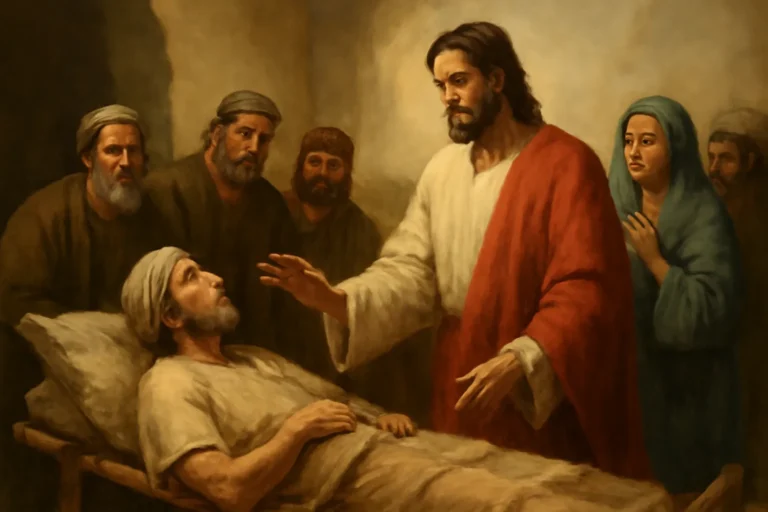
Miracles Jesus Did: Exploring Jesus’ Most Notable Miracles
Across the four gospels, accounts of Jesus’ miracles illuminate not only acts of healing and power, but also the deeper meanings behind his ministry. These marvels address human need, reveal the presence of the Kingdom of God, and demonstrate the authority and compassion of the one Christians regard as the Son of God. This article surveys a broad range of Jesus’ miracles—from transforming ordinary water into celebratory wine to commanding storms, from healing a multitude to giving life to the dead—while highlighting themes that recur across accounts, including faith, obedience, divine mercy, and the breaking-in of God’s rule over creation. The miracles are diverse in setting, method, and outcome, yet they are united by their purpose: to reveal who Jesus is and to invite people to respond in faith. In examining these events, we will note context, method, and impact, and we will consider how these stories have been interpreted in Christian tradition as signs pointing beyond themselves to a larger reality.
Turning Water into Wine at Cana
The first recorded miracle in the Gospel of John marks a turning point in Jesus’ public ministry. In Cana of Galilee, a family wedding at a modest height of celebration becomes the setting for a dramatic sign. When the wine runs short, Jesus responds to a practical need with a display of power that carries symbolic weight: the transformative power of divine presence and the initiate of a public ministry that will unfold through signs and wonders.
Context and details: Jesus, at his mother Mary’s prompting, instructs the servants to fill six ceremonial jars with water, which he then blesses and changes into wine. The master of the feast notes the quality of this wine, highlighting the abundance and the quality—an emblem of the new abundance associated with Jesus’ message. The miracle is not merely about satisfying a party’s thirst; it is a sign that the ordinary elements of life can be touched by grace in ways that reveal a new order.
Significance includes themes of transformation, abundance, and the invitation to faith. It also foreshadows the later disclosure that Jesus is the source of living water and the one through whom a new covenant community is formed. This event demonstrates that Jesus acts with intentional compassion and that he responds to human needs with power that serves salvation.
Key takeaways:
Power used to respond to human need with mercy.
Signs point to a larger reality—Jesus’ ongoing mission in the world.
Faithful obedience, even in small things, plays a role in the unfolding of God’s plan.
Healing Miracles: Restoring Health and Wholeness
Healing the Leper
Among Jesus’ most striking acts is the healing of a man afflicted with leprosy. In an era when skin disease carried both physical risk and social stigma, the act of healing is multifaceted: it restores physical health, redefines ritual purity, and restores the person’s place within the community. The narrative emphasizes Jesus’ compassion and willingness to reach out to outsiders, challenging prevailing fears and boundaries of the time.
What it reveals: Jesus often touches the untouchable (or speaks words that restore), signaling that grace overrides stigma and that divine power enters situations that people might deem hopeless. The response of the healed man—to report the miracle while obeying Jesus’ instruction to present himself to a priest—also highlights the interplay between personal faith, communal acceptance, and ritual practice in the world Jesus inhabited.
Healing the Paralytic
In another well-known episode, a paralytic is brought to Jesus, lowered through a roof to reach him. Jesus first forgives the man’s sins, then heals him physically. This sequence foregrounds a core claim about Jesus’ authority: forgiveness and healing spring from the same divine source, and physical restoration follows spiritual reconciliation.
Impact includes renewed relationships, relief from suffering, and a clear public demonstration of Jesus’ authority to grant forgiveness and to restore health in tangible ways. The event invites readers to consider what true healing means: restoration of the whole person—body, soul, and community.
Healing a Blind Man
Jesus’ healing miracles often involve stages of seeing: both literal sight and spiritual perception. In the case of a blind man, Jesus may perform the act in stages or through touch and words that awaken the man to the reality around him. The narrative emphasizes physical restoration and the opening of the eyes to recognize who Jesus is.
What to note is the response of the crowds and the man’s own testimony. Sight becomes a metaphor for revelation and faith, suggesting that healing is not only about relief from physical ailment but also about turning toward truth and trust in Jesus as the Messiah.
Healing the Woman with Issue of Blood
Among the most intimate healing stories is the account of a woman who suffers from a chronic illness for twelve years. Her faith—she believes, touching the fringe of Jesus’ garment will bring healing—leads to a powerful moment in which she is publicly acknowledged and restored. This event emphasizes personal faith, the courage to seek healing, and the idea that even small gestures of faith can access profound grace.
Key themes include perseverance in prayer, the intimate proximity of Jesus to those who suffer, and the disruption of social norms that often kept the ill at a distance.
Healing the Centurion’s Servant
In response to a centurion’s humility and faith, Jesus heals the servant from a distance, saying the word and demonstrating that faith in Jesus’ authority transcends physical proximity. This miracle broadens the sense of who can receive blessing and illustrates that human trust in Jesus carries real, transformative power.
Highlights include the simplicity of Jesus’ command, the recognition of his authority by a Gentile centurion, and the invitation to all peoples to approach the divine healer with confidence.
Raising Jairus’s Daughter: A Private Miracle of Life
In a powerful episode of tenderness, Jesus arrives at the home of Jairus, where a synagogue leader’s daughter lies ill. Though messengers announce her death, Jesus speaks life back into the room, and the girl rises. This miracle blends a private moment of mercy with public validation of Jesus’ authority over life and death.
Significance centers on restoration of life and the reversal of despair through divine intervention, underscoring the belief that Jesus brings life as part of his mission to inaugurate the Kingdom.
Healing the Man Possessed: Debilitating Demons and Deafness
Jesus’ healing repertoire also includes releases from demonic oppression and physical ailments that involve speech and hearing. In one example, a man who is both deaf and has a speech impediment is brought to Jesus and is healed through a spoken command. The narrative highlights the liberating power of Jesus over unclean spirits, the restoration of communication, and the reclaiming of a person’s voice in the community.
Nature Miracles: Jesus’ Authority Over Creation
Calming the Storm
On the Sea of Galilee, Jesus speaks to a violent storm, and the waters still. The disciples’ fear gives way to awe as they witness a supreme command over nature. This miracle is often read as an indication that Jesus embodies divine sovereignty and tranquil power even amidst chaos.
Themes include trust, divine sovereignty, and the invitation to see Jesus as the one who sustains creation. The response of the disciples—marveling at Jesus’ authority—points to the need to recognize him as more than a miracle worker, but as the one who embodies the order God desires for the cosmos.
Another striking demonstration of mastery over natural law occurs when Jesus walks on the sea to meet his followers in the midst of rough waters. The scene reinforces the message that faith is anchored in Jesus’ presence and that his company makes all the difference in the face of fear and uncertainty.
Various readers highlight the teaching moment: Peter’s attempted steps upon the water are a test of faith, and Jesus responds with patient guidance, highlighting the balance between human doubt and divine invitation.
Feeding the Five Thousand
One of the most well-known miracles is the multiplication of loaves and fishes to feed a large crowd with abundance. The miracle is not just about nourishment; it also demonstrates Jesus’ role as the Provider who meets immediate needs and points toward the abundance of the Kingdom. The meal becomes a sign that Jesus is the source of spiritual sustenance as well as physical food.
Highlights include the disciples’ practical limitations (five loaves and two fish), Jesus’ blessing of the food, and the implication that in him, scarcity can yield overflow when shared with generosity and faith.
Feeding the Four Thousand
Beyond the familiar five thousand, Jesus also feeds a smaller but significant crowd with seven loaves and a few fish. This repetition underscores the breadth of God’s provision and the idea that divine grace is not exhausted by human limits. The episode emphasizes sharing, gratitude, and the communal dimension of healing through nourishment.
Cursing the Fig Tree
In a brief yet symbolic encounter, Jesus curses a fig tree that bears no fruit, illustrating the demand for genuine fruitfulness in the life of faith. While not a healing miracle in the strict sense, it is a demonstrations of judgment and expectation—an emblem of the new order Jesus brings, where disciples are called to live in alignment with God’s design and produce tangible spiritual fruit.
Exorcisms and Deliverance: Authority Over Demonic Forces
The Gerasene Demoniac
In an intense encounter, Jesus faces a man possessed by many demons in the region of the Gerasenes. By commanding the spirits to depart and restoring the man’s humanity, Jesus demonstrates dominion over evil and ensures a social reintegration for the formerly tormented person. The miracle also invites the surrounding community to confront fear and to witness the power of divine grace over hostile forces.
The Boy with an Unclean Spirit
Another dramatic exorcism involves a boy tormented by a powerful unclean spirit, which hinders his life and disrupts his family. Jesus responds with a compassionate, authoritative rebuke that brings relief for the boy and restoration for the family. The narrative highlights the priority of faith and the way Jesus’ presence brings deliverance from bondage.
The Deaf and Mute Man
In a case involving a man who is both deaf and mute, Jesus heals by a spoken command, restoring the man’s ability to hear and speak. The exorcism-like element here is less about demon possession and more about breaking barriers to communication and social participation, illustrating the broader scope of Jesus’ liberating power.
Raising the Dead: Life Restored to the Lamenting and the Hopeful
The most dramatic of Jesus’ raising miracles is the call to life of Lazarus after four days in the tomb. This event functions on multiple levels: it demonstrates Jesus’ mastery over death, foreshadows his own resurrection, and acts as a compelling sign that faith in him holds the promise of ultimate life. The surrounding witnesses articulate a sense of awe, realizing that Jesus speaks life into the deepest human sorrow.
Impact includes the stirring of belief among onlookers and the consolidation of Jesus’ identity for those who will soon confront resistance to his rising prominence.
Jairus’s Daughter: Life Restored in a Private Moment of Mercy
Beyond Lazarus, Jesus raises a young girl—the daughter of Jairus—from death, in a scene marked by tenderness and immediacy. The miracle unfolds in a home, where Jesus’ words and actions restore hope to a family in grief and illustrate the intimate reach of divine intervention in everyday life.
In the village of Nain, Jesus encounters a widow whose only son has died. He touches the bier or the coffin, speaks life, and the young man sits up. This event reinforces a message of hope for those who suffer loss and underscores the social and familial dimensions of restoration in Jesus’ ministry.
While each miracle is distinct in its setting and method, several overarching themes recur throughout the gospel accounts. These themes help readers interpret the events theologically and ethically, beyond their magical or sensational aspects.
Compassion and mercy: Jesus is moved by human need, and his miracles arise from a heart of mercy toward those who suffer.
Faith and response: Many miracles require or are accompanied by faith, trust, or humility, suggesting that belief matters in how one experiences divine intervention.
Authority over creation and unclean powers: Jesus demonstrates mastery over nature, disease, and demons, signaling the in-breaking of God’s rule into a broken world.
New life and restoration: Miracles point toward a future resurrection and the restoration of a world marred by sin and brokenness.
Signs that point beyond themselves: Each miracle functions as a sign inviting reflection about who Jesus is and what kind of reign he proclaims.
How These Stories Have Shaped Belief and Practice
Across Christian traditions, the miracles of Jesus have shaped theology, worship, and mission in profound ways. They inform beliefs about divine power, human vulnerability, and the purpose of Jesus’ life.
Practical implications include how believers approach healing, prayer, and compassion in daily life. Some communities emphasize the ongoing reality of God’s healing work in the present, while others emphasize the miracles as signs that point to a larger, eschatological reality—the full realization of God’s Kingdom when all things are made new.
In congregations and classrooms, these miracles are often used to discuss topics such as faith in Christ, ethical compassion, and humility before the mystery of God. They also invite readers to consider what it means to live as people who anticipate God’s victory over suffering and death, while still engaging with the world in its needs and brokenness.
Scholars note that the Gospel writers arranged these miracles with theological aims in view. For example, the Gospel of John emphasizes signs that reveal Jesus’ identity as the Logos made flesh and as the divine presence among humanity. The Synoptic Gospels (Matthew, Mark, Luke) often present miracles in the context of Jesus’ teaching and mission, illustrating his authority and compassion in more narrative, action-oriented ways. The variety of accounts helps readers wrestle with questions about faith, skepticism, and the meaning of divine intervention in history.
Ultimately, the Jesus of the miracles invites a response. Some readers are drawn to a personal encounter—trusting Jesus as healer and savior. Others are compelled to examine how power is exercised, how inclusion is practiced, and how communities respond when confronted with signs of God’s kingdom. Across centuries and cultures, the story of Jesus’ miracles remains a powerful invitation to contemplation, gratitude, and action—a call to align life with the claims and examples of one who is believed to bring life, healing, and liberation to a world in need.