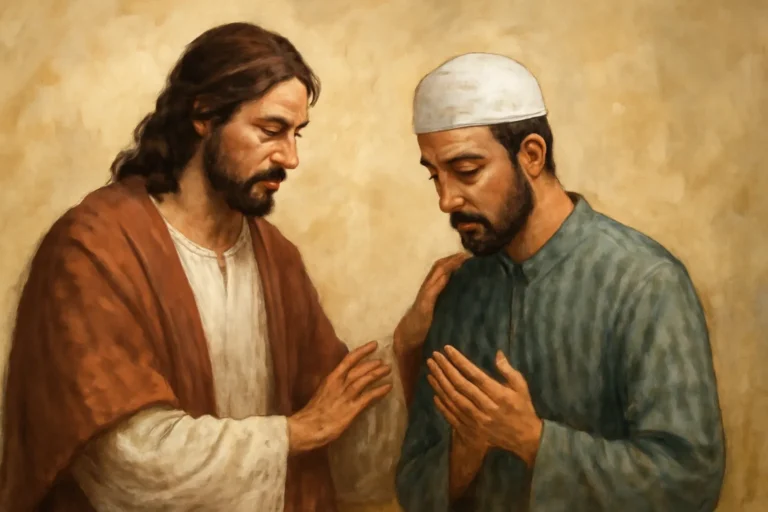
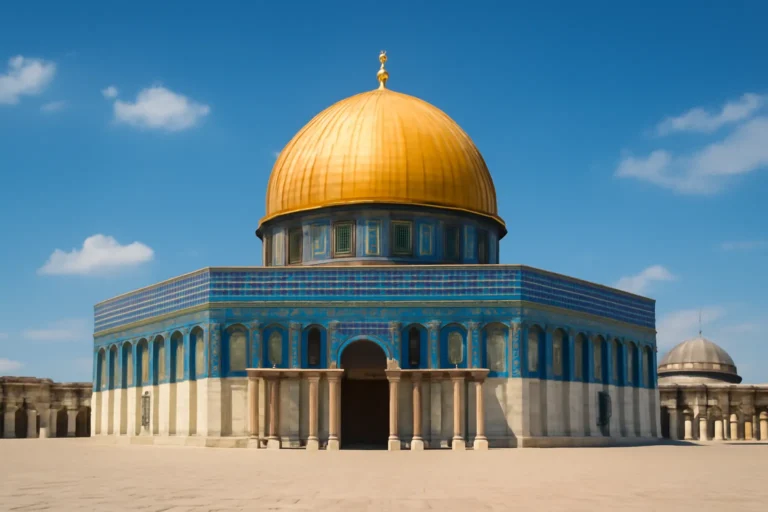
The question “does Islam believe in Jesus?” touches a central figure who is worshipped and debated across religious traditions. In Islamic faith, Jesus is not presented as the Son of God or as part of a Trinity. Instead, Muslims honor Jesus as Isa, a revered prophet and messenger of God who delivered a divine message to the people of Israel. The way Muslims understand who Jesus is—and how that understanding sits within the larger framework of Islamic monotheism (tawhid)—is essential to grasping both the continuity and the differences between Islam and Christianity on this topic.
Throughout this article you will encounter variations of the question “does Islam believe in Jesus?” expressed in different forms: “Is Jesus a prophet in Islam?”, “Is Jesus divine in Islam?”, “What do Muslims say about Jesus?”, and “What role does Jesus play in Islamic eschatology?”. Although the phrasing changes, the core positions share a common core: Jesus is highly respected, but not worshiped, and his life, birth, mission, and anticipated return are described within a framework that emphasizes God’s singular authority and the continuity of divine revelation.
Who Is Jesus in Islam?
In the Islamic tradition, Jesus is widely known by his Arabic name Isa. He is referred to as Isa ibn Maryam, meaning “Jesus, son of Mary.” This precise designation highlights two central assertions: first, Jesus’s particular lineage and the virgin birth of Mary; second, his status as a divinely guided prophet rather than a divine figure himself.
The Name Isa and the Virgin Birth
The Qur’anic portrayal of Jesus begins with his miraculous birth to Maryam (Mary). Muslims believe that Mary was a virtuous and chosen woman, and that Jesus was born without a human father, by the command of God. This is not presented as a mere legend but as a fundamental part of the revelation about Jesus’s origin. The miracle of the virgin birth is cited as evidence of God’s creative power and of Jesus’s unique status among prophets.
The phrase “virgin birth” is more than a biographical note; it is key to understanding Jesus’s role within Islam. It signals that Jesus is a special creation of God, yet he remains within the prophetic lineage, never elevating himself to divinity. Muslims emphasize that Jesus’s birth and life should be understood in the context of monotheism and the unity of God.
A Messenger and Prophet
A central point in Islamic belief is that Jesus is one of the long succession of prophets sent by God to guide humanity. He is frequently listed among other great prophets such as Abraham, Moses, and David. In Islam, prophets are chosen by God to convey revelation and to call people to worship God alone. Jesus’s message is thus framed as a continuation of the divine plan rather than a rupture from it.
The Qur’an emphasizes that Jesus came with a mission to reaffirm the truth of the Torah (the earlier revelation) and to foretell the coming of the Prophet Muhammad. Muslims are taught to respect Jesus as a witness to the preceding revelations and as a figure who preached submission to the one God (Islam) in a way that aligned with God’s will.
Miracles and Signs
A familiar feature of Jesus’s life in Islamic teaching is the performance of miracles by the permission of God. The Qur’an describes several signs associated with Isa, including healing the sick, restoring sight to the blind, and turning clay into birds that come to life by God’s leave. These miracles are not presented as signs of Jesus’s own power apart from God, but as demonstrations of God’s power working through him.
Some of the specific miracles mentioned in the Qur’an include:
Healing the sick and restoring health by God’s permission.
Giving sight to the blind and the ability to heal various ailments as a sign of divine support.
Giving life to a man by God’s leave (raising the dead, by God’s permission, in certain narratives).
Giving the message of salvation and warning to people to remain faithful to God.
These accounts are presented within a broader theological framework that highlights the power of God, rather than the magical power of Jesus independently of God. Muslims would say: Jesus performs miracles because God grants him the ability to do so, not because he possesses power in himself outside of God’s will.
The Crucifixion Question: Was Jesus Crucified?
A defining point of contrast between Christian and Islamic narratives is the crucifixion. In Islamic scripture, the event of the crucifixion is understood differently. The Qur’an indicates that Jesus was not crucified nor killed by his enemies, but rather it appeared so to them. The standard Muslim interpretation is that God raised Jesus up to Himself and saved him from a forced crucifixion.
Across various exegetical traditions, there is discussion about the precise meaning of these verses, including whether another person who resembled Jesus was crucified in his stead, or whether Jesus was taken up to heaven while another identity was displayed to the crowd. What remains central is the belief that Jesus did not die on the cross as Christians traditionally claim; instead, God saved him and raised him to a heavenly status.
The Ascension and Return
The idea that Jesus was raised to God’s presence carries an important corollary in Islamic eschatology: Jesus will return before the Day of Judgment. This belief is shared by many Muslim scholars and traditions, and it is one of the clearest points of agreement across different Islamic branches. The return of Jesus is described as an event that will bring justice, restore peace, and defeat the deceptive forces of evil, including the figure of the Antichrist (the Dajjal in Islamic terminology).
In Islamic sources, Jesus’s second coming does not imply divinity or a redefinition of monotheism. Rather, it reinforces the central idea that God’s plan continues, and that righteous leadership and moral order will be established under the guidance of a prophet who has already been entrusted with a divine mission.
What Muslims Say About Jesus: Core Beliefs
When people ask “What do Muslims say about Jesus?” or “Does Islam hold Jesus in high regard?”, a concise summary would highlight the following core beliefs that appear repeatedly in Islamic teaching. These points reflect the practical and theological stance that Muslims adopt toward Isa as a prophetic figure within a strict monotheistic framework.
Jesus is a Prophet and Messenger of God, not a divine being. He is part of a long line of prophets who conveyed God’s message to humanity.
Jesus is the Messiah (al-Masih) in Islamic language, but this title is understood in a different sense than the Christian claim of divinity. It denotes a special role and mission, not a claim of divinity.
Virgin birth is a foundational event associated with Jesus’s life, underscoring the miraculous power of God and the sanctity of Mary.
Divine unity (tawhid) is the core of the Muslim creed: God is one, without partners, offspring, or equal. Jesus, as a human prophet, is subordinate to God and never to be worshiped.
Miracles were performed by God, not by Jesus’s independent power. They demonstrate God’s support for His messenger and his truthful message.
Crucifixion and death are not accepted in the same way as the Christian account. Muslims believe Jesus was not crucified or killed in the ordinary sense, but that God raised him up.
Role in end-times prophecy is significant: Jesus will return to restore justice, defeat falsehood, and ultimately reaffirm the oneness of God with appropriate leadership in the world.
Mary (Maryam) is highly honored within Islam for her piety and motherhood; she is often cited as a model of virtue and devotion.
Jesus in the Qur’an: Key Verses and Themes
The Qur’an is the primary source for Muslim beliefs about Jesus. Several verses center Isa’s birth, mission, miracles, death-defeat narrative, and eventual return. While translations vary, the core themes are consistent: Isa is a unique, highly respected prophet who proclaims monotheism and righteousness, performs miracles by God’s leave, and is not divine.
Aal-E-Imran (3:45–49) describes the annunciation to Mary and the birth of Jesus, highlighting the miraculous nature of his birth and the divine assignment placed upon him.
Aal-E-Imran (3:49) notes that Jesus will perform miracles by God’s permission: healing the blind and the leper, and giving life to the dead.
Aal-E-Imran (3:50–51) emphasizes Jesus’s role in guiding the people and confirming what was revealed in the Torah.
4:157 is often cited in discussions about the crucifixion. The verse states that Jesus was not killed nor crucified, but rather it appeared so to the people. This verse is foundational for the Islamic claim that God did not permit the crucifixion in the way some other traditions describe it.
4:171–172 reinforce the monotheistic message: Jesus is a prophet, not a divine figure, and God is one. The emphasis is on recognizing the unity of God and respecting Jesus as a messenger within that unity.
5:110 honors Jesus and Mary, listing the signs of Jesus’s life and mission as a divine blessing upon him and Mary. This verse is often cited to illustrate the sacred status of both mother and son.
19:34 presents Jesus as a sign for humanity and counts him among the pious. It reaffirms his prophetic status rather than any claim to deity.
The Qur’an’s treatment of Jesus is complemented by the extensive body of tafsir (exegesis) and classical commentaries. These interpretive works explain the verses in light of historical context, linguistic nuance, and theological goals, consistently affirming that Islamic monotheism is the central warrant for understanding Jesus’s place in faith.
Jesus in Hadith and Islamic Tradition
Beyond the Qur’an, the sayings and reports about Jesus found in hadith literature and later Islamic tradition contribute to the broader picture. While hadith collections primarily focus on the Prophet Muhammad, some narrations address Jesus’s second coming, moral conduct, and how Muslims should relate to him within the framework of shared prophetic history.
In the layperson’s understanding, the famous idea that Jesus will return is most often drawn from hadith-based discussions and later Islamic scholarship. This belief is integrated with the Qur’anic sense of a culminating role for Jesus at the end of times, rather than a formal extension of his earthly mission.
Common Points and Differences with Christian Beliefs
The conversation about Jesus in Islam versus Jesus in Christianity involves both concordances and clear differences. Some scholars summarize the contrasts as follows:
Divinity: Christians affirm the divinity of Jesus as part of the Trinity, while Muslims hold that God is one and that Jesus is a human prophet, not a divine son.
Crucifixion: Christian belief holds that Jesus died on the cross and was resurrected. Islamic belief states that Jesus was not crucified, and God raised him up, with Muslims awaiting his return.
Mediators: In Christianity, Jesus’s atonement and intercession have central roles for salvation in some traditions. In Islam, salvation and forgiveness are sought directly from God, without invoking Jesus as a mediator in the same way.
Virgin birth and miracles: Both traditions affirm Jesus’s miraculous birth and his role as a miracle worker, but Christians emphasize the divine origin of Jesus, whereas Muslims emphasize God’s power working through a chosen prophet.
These points reveal the core theological divergence, while also highlighting shared reverence for a figure who stands at the intersection of scriptural history, religious ethics, and human devotion to God.
Jesus and Interfaith Dialogue
In contemporary interfaith encounters, respectful discussions about Jesus often focus on mutual respect for shared figures and common values while acknowledging doctrinal differences. When Muslims engage in dialogues about Jesus, several conversational threads tend to recur:
Respect for Mary: Mary (Maryam) is held in high esteem, and her virtue is often cited as a model for believers of all faiths.
Jesus as a symbol of peace: In many Muslim communities, Jesus is associated with messages of mercy, compassion, and justice, which can be a bridge to broader discussions about social ethics.
Shared reverence for monotheism: Both traditions emphasize the oneness of God, and debates often revolve around the proper understanding of God’s nature and the role of revelation.
Historical context: Christians and Muslims alike recognize the historical Jesus and the profound influence of his teaching within their religious landscapes.
While there is broad consensus on the major points—Jesus as a prophet, his virgin birth, his miracles by God’s permission, the denial of his crucifixion in the ordinary sense, and his eventual return—there are variations in emphasis and interpretation across different Islamic traditions.
Sunnis and Shias share the essential beliefs about Jesus’s prophetic status and return, but they may differ in emphasis on hadith sources or on how to articulate certain eschatological scenarios.
Exegesis and jurisprudence: Different schools of thought (madhahib) may place greater emphasis on certain verses, prophetic traditions, or historical context when explaining Jesus’s role.
Modern scholarship sometimes engages with scientific, historical, and literary analyses of the Qur’anic verses about Jesus, leading to nuanced understandings within a shared framework of faith.
Practical Implications for Believers
For a Muslim, belief in Jesus as one of God’s prophets has practical implications for daily life and faith. It reinforces the following themes:
Worship of God alone (tawhid) remains central; Jesus is a messenger, not an object of worship.
Respect for sacred figures: Mary and Jesus are treated with reverence in religious discourse, art, and daily speech within the boundaries of Islamic etiquette.
Prophetic continuity: Muslims view the life of Jesus as part of a continuous chain of prophetic messages that culminate with Muhammad as the final messenger.
Hope in justice and eschatology: The belief in Jesus’s return inspires a sense of moral accountability, justice, and the ultimate triumph of good over falsehood.
Frequently Asked Questions about Jesus in Islam
Below are concise responses to common questions that readers might have when exploring the topic. This section aims to be informative while clearly situating Islamic beliefs within a broader religious conversation.
Does Islam believe in Jesus as the Son of God? No. In Islam, God is strictly one, and Jesus is a human prophet. The concept of God having a son is incompatible with tawhid.
Was Jesus crucified? The Qur’an states that Jesus was not crucified or killed in the ordinary sense; God raised him up. Interpretations about the mechanism vary among scholars.
Did Jesus perform miracles? Yes. Muslims attribute miracles to Jesus, but insist they occur by God’s permission, illustrating God’s power working through a chosen prophet.
Will Jesus return? Yes. A common thread in Islamic eschatology is Jesus’s second coming before the Day of Judgment, to restore justice and defeat falsehood.»
What is the status of Mary in Islam? Mary (Maryam) is highly honored as a virtuous and pious mother of Jesus, and her story is held up as a model of obedience and faith.
Conclusion: Does Islam Believe in Jesus? Putting It All Together
In summary, the answer to “does Islam believe in Jesus?” is a clear yes—though with important qualifications. Islam treats Jesus as Isa, a revered prophet and messenger of God, born of a virgin, who performed miracles by God’s leave, proclaimed the message of monotheism, and was raised by God without a routine crucifixion. He is also expected to return in the end times to restore justice and righteousness in the world. What Islam does not attribute to Jesus is divinity or a role within a Trinity. The respect accorded to Jesus coexists with the foundational belief that God alone is worthy of worship.
For readers exploring interreligious understanding, this perspective highlights a shared reverence for Jesus as a transformative figure while maintaining clear theological differences that separate Islamic and Christian conceptions of his nature and mission. As with many religious conversations, mutual respect arises when people acknowledge both the common ground—such as a belief in God, the importance of virtue, and the value of compassionate action—and the essential differences in doctrine.
Whether you approach this topic from a historical, theological, or devotional angle, the figure of Jesus in Islam remains one of the most climactic intersections between faiths. It reveals how a single life can be interpreted through distinct theological lenses—each shaping countless religious practices, moral decisions, and spiritual aspirations across cultures and generations.