What do Muslims Believe About Jesus? An Islamic Perspective
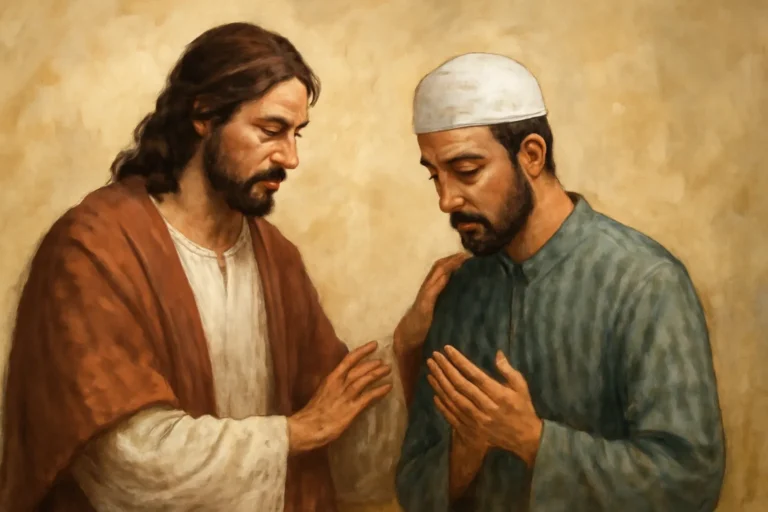
The question “What do Muslims believe about Jesus?” sits at the intersection of theology, history, and interfaith dialogue. In Islamic tradition, Jesus is known as Isa (Arabic for Jesus), and he occupies a central place among the prophets and messengers sent by God to guide humanity. This article offers a thorough overview of the Islamic view of Jesus, examining his life, mission, miracles, crucifixion, ascension, and anticipated return, while also clarifying common points of confusion with Christian doctrine. By surveying the Qur’an, the hadith literature, and classical scholarship, we can understand how Muslims interpret the life of Isa, his relationship to God, and his role in eschatology.
The Prophet, Not the Son: The Islamic Understanding of Jesus
In Islam, Jesus is revered as a prophet and messenger of God, not as divine or part of a divine Trinity. The central tenet is that God is one and unique, and that prophethood is a noble human vocation chosen by God to convey guidance. Muslims affirm that Isa was chosen to deliver a special revelation—the Injil (often translated as the Gospel)—to the people of his era. Yet, Muslims do not view Jesus as the son of God or as a member of a triune Godhead. Instead, Isa is honored as a human servant and servant of the One True God.
Jesus’s Life: Birth, Miracles, and Message
The birth of Jesus is described in the Qur’an as miraculously virgin: Maryam (Mary) conceives Isa through the command of God, without a father. This event is portrayed as a sign of divine power and a fulfillment of the prophetic announcement that a righteous child would be born to Mary. The Qur’an emphasizes the miraculous nature of his birth and his role as a miraculous birthright in the lineage of prophets.
Isa is also described as performing a range of miracles, all by God’s permission. These miracles include healing the blind and the leper, restoring the dead to life, and creating a live bird from clay and breathing into it. The last is depicted in a way that underscores Isa’s status as a prophet endowed with divine support rather than a wielder of independent power. Muslims believe that these signs were sent to validate Isa’s mission and to guide people toward faith in the one God.
The message Isa brought is treated as one of the earlier divine revelations—part of the broader chain of prophetic guidance that culminates in the Qur’an. In Islamic teaching, Isa called people to worship God alone, to practice righteousness, and to reform social and spiritual life in accordance with God’s commandments. The Qur’an also says that Isa confirmed the truth of the revelations that preceded him, including the Law (Torah) and the Gospel (Injil), while warning against deviations and distortions that later entered the scriptures.
The Crucifixion, Death, and Ascension: What the Qur’an States
A core point of divergence between Islamic and Christian narratives concerns the crucifixion and death of Jesus. The Qur’an explicitly states that Isa was not crucified nor killed in the way some narratives suggest. Instead, it declares that Jesus was not killed, nor crucified, but it appeared so to the people, and that God raised Isa up to Himself. The exact nature of what happened is described with the phrase that God raised Isa to a high station—an expression that scholars interpret as proximity to God and elevation in status rather than a literal bodily ascent alone.
The traditional Muslim interpretation is that someone else was made to resemble Jesus to the people, and that individual was crucified in his stead, while Isa remained alive with God. This reading has been supported by many classical commentators and remains a widely accepted explanation among Muslims today. Regardless of the precise interpretive nuance, the essential point is clear: the Christian claim of Jesus’s crucifixion as an atonement cannot be reconciled with the Islamic view, which holds that Isa neither died on the cross nor died as a human sacrifice. He was taken up by God and will return in the future.
The Injil and Isa’s Message: The Gospel in Islamic Perspective
Muslims refer to Isa’s revelation as the Injil, a holy scripture entrusted to Jesus by God. The Qur’an affirms that Isa’s gospel contained guidance and light, confirming what was revealed previously in the Torah and guiding people toward righteousness. However, Muslims also hold that the original Injil, like other earlier revelations, was altered or distorted over time by human hands and hands of later generations. This is not seen as a denial of Isa’s message but as a reason for the necessity of the final revelation, the Qur’an, which Muslims believe preserves the pure and complete word of God.
In practical terms, Muslims view Isa’s preaching as part of a larger prophetic mission that pointed toward the oneness of God, moral accountability, compassion for the vulnerable, and the creation of a just community. Isa’s teachings are considered authoritative in the sense that they reflect the will of God as conveyed through a divinely chosen messenger, but Muslims do not treat the Injil as an independent authority in the way Christians treat their canon. The Qur’an affirms Isa’s role as a guided messenger who confirmed the divine truth that came before him and announced the advent of a final prophet who would come after him, namely Muhammad.
Isa as a Prophet and Rasul: Prophethood in Islam
One of the central questions people ask is, “What do Muslims believe about Jesus’s role as a prophet or a messenger?” In Islam, Isa is categorized as both Nabi (a prophet) and Rasul (a messenger). This combination is reserved for certain distinguished figures in the prophetic tradition who deliver a message and call their communities toward a particular divine law. Isa’s prophethood situates him within the long lineage of prophets who guided humanity. He is not an exception to the rule that prophets are human beings with a chosen mission. This distinction underscores the universal Islamic conviction that God alone is divine and that revelations come through human vessels who carry God’s message, not through divine beings themselves.
Muslims also emphasize Isa’s humanity: he was a human servant of God, chosen to convey a message rather than to partake in divinity. This emphasis serves to defend the Islamic doctrine of tawhid (the oneness of God) and to prevent any confusion about the nature of God and the nature of his prophets.
Second Coming and Eschatology: Isa’s Return in Islamic Belief
A distinctive element of the Muslim view is the belief in Isa’s eventual return before the Day of Judgment. In Islamic eschatology, Jesus is expected to come back to Earth in the last days to restore justice, defeat the Dajjal (the False Messiah), and to unite humanity under the worship of the one God. This belief is supported by a range of hadith literature, which describes Isa descending from heaven, wearing garments dyed with saffron, and breaking the cross while affirming the true message of monotheism.
The precise details of the Second Coming vary among scholars and traditions, but the core idea is consistent: Jesus’s return will be a sign of the Hour and a mercy for the believers, not a new revelation that supersedes the Qur’an but a reaffirmation of the message of the prophets and the establishment of justice on earth. Some traditions suggest that Isa will pray in the mosque with the Muslim community, indicating unity in worship and shared moral values. The overarching theme is that Isa’s return serves to rectify misinterpretations and to culminate in a period of peace and righteousness before the final events of the world.
Jesus and Christian-Muslim Dialogue: Common Ground and Differences
The Islamic perspective on Jesus invites constructive dialogue with Christians. Here are some key points that often appear in comparative discussions:
Jesus as a revered prophet in Islam contrasts with the Christian doctrine of Jesus as God incarnate. Muslims affirm the humanity and prophethood of Jesus rather than his divinity.
Virgin birth and miracles are shared topics, but Christians typically ascribe divine power to Jesus, whereas Muslims stress that all miracles are performed by God’s permission through a chosen prophet.
The crucifixion is a major point of divergence. Muslims hold that Jesus was not crucified, whereas Christians hold that Jesus died on the cross for humanity’s salvation. The Islamic view emphasizes God’s protection and the elevation of Isa, not the crucifixion as a sacrificial act.
Scriptural integrity is debated in both faiths. Muslims regard the Qur’an as the final and preserved revelation, while Christians rely on the Bible, including the Gospels of the New Testament. Muslims believe that earlier revelations were true in their original forms but were subjected to alteration over time.
Prophetic continuity in Islam sees Isa as a link in the chain of prophets who culminates with Muhammad. Christians see Jesus as the central figure and the pathway to salvation through faith in him as the Son of God and savior.
Productive interfaith conversations can build mutual respect, correct misunderstandings, and illuminate shared ethical priorities—such as compassion, charity, justice, and mercy—without erasing the essential doctrinal distinctions that define each faith.
Frequently Asked Questions About Jesus in Islam
Was Jesus God? No. In Islam, Jesus (Isa) is a prophet and messenger of God. The belief in Jesus as God or as part of a divine Trinity is seen as a departure from tawhid, the strict monotheism central to Islam.
Did Jesus die on the cross? The Qur’an teaches that Jesus was not crucified, but that it appeared so to people. Muslims believe that God raised Isa to Himself, and he will return in the future.
What is the Injil? The Injil is the gospel given to Jesus. Muslims believe it was a real revelation from God, guiding Isa’s followers, but they also hold that it was not preserved in its original form and differs from the Qur’an in its final, unaltered seal.
What is Isa’s role in the end times? Isa is expected to return before the Day of Judgment to restore justice, defeat the Dajjal, and affirm the oneness of God. His return is a sign of the approaching final days.
Is Jesus unique among prophets? While all prophets are highly esteemed, Isa’s life and mission carry unique features—especially his miraculous birth, his role in confirming previous revelations, and his future return to fulfill eschatological expectations.
What do Muslims Believe About Jesus? Key Themes for Reflection
Across diverse Islamic traditions, several key themes recur when contemplating the figure of Jesus:
Divine unity (tawhid) remains the foundational principle. Jesus is a human servant of God, not a divine being, ensuring that God’s singular nature is preserved.
The prophetic vocation situates Isa within a noble lineage of messengers who call people to righteousness, justice, and faithfulness to God’s commands.
Divinely guided miracles illustrate Isa’s mission and the power of God working through a chosen messenger, reinforcing the credibility of his message without implying independence from God.
Correction of misconceptions about Isa—especially with regard to the crucifixion and divinity—serves to clarify differences between Islam and other faiths while maintaining respect for Isa’s dignity and importance.
Hope for universal peace and justice associated with Isa’s return—an event framed as a divine mercy that culminates in moral renewal and societal restoration.
The Qur’an uses a precise and reverent vocabulary when speaking about Isa. Words such as ‘Isa (Jesus), Maryam (Mary), and Injil reflect a unique linguistic and theological framing. The Qur’an emphasizes Isa’s role as a guided servant who communicates God’s message to a community in need of spiritual reformation. The emphasis on the oneness of God, the moral responsibilities of followers, and the expectation of accountability echoes throughout Isa’s depiction, aligning with the broader Islamic worldview that centers on divine sovereignty, human responsibility, and the ultimate return to righteousness.
The Islamic portrayal of Jesus has practical implications for believers’ daily lives and worship. Some key implications include:
Worship of God alone and rejection of associating any partner with God, a principle that places Isa within the larger framework of monotheism.
Humility before revelation — Muslims are reminded to honor prophetic messages while recognizing that the final, preserved revelation is the Qur’an.
Ethical living— Isa’s mission to call people to mercy, justice, charity, and moral integrity serves as a model for Muslims who aspire to build compassionate and righteous communities.
Hope in divine justice— the anticipated return of Isa is framed as a time when justice will prevail and the values of faithfulness to God will be realized on earth.
Across the spectrum of Islamic thought—Sunni, Shia, Sufi, and others—the core beliefs about Jesus are remarkably consistent, but there are nuanced variations in emphasis:
Sunni perspective emphasizes Isa as a prophet and the coming of the Dajjal in the end times, with Isa’s return as a moment of divine mercy and justice.
Shia perspective also honors Isa as a prophet and includes additional theological reflections on the divine plan and the continuity of divine guidance through the Imams while recognizing Isa’s role in the broader eschatological framework.
Sufi reflections often spotlight Isa’s inner spirituality and his closeness to God, presenting him as a mystic figure whose example highlights the path toward existential closeness to the divine.
To foster clear understanding, here are common misunderstandings about what do Muslims believe about Jesus and straightforward explanations:
Misunderstanding: Muslims worship Jesus. Clarification: Muslims worship God alone; Isa is revered as a prophet, not an object of worship.
Misunderstanding: Jesus is identical to God. Clarification: Islamic theology emphasizes tawhid and denies divinity attributed to Jesus; God remains utterly transcendent and unique.
Misunderstanding: The crucifixion never happened. Clarification: The Qur’an states that Jesus was not crucified, and God raised him up, with the crucifixion narrative reinterpreted within Islamic theology.
Misunderstanding: Christians and Muslims have no overlapping beliefs about Jesus. Clarification: Both traditions honor Isa as a noble messenger and share elements of his story, miracles, and moral message, even as they diverge on key doctrinal points.
The Muslim perspective on Jesus is a nuanced blend of reverence, doctrinal clarity, and eschatological anticipation. By affirming Isa as one of the great prophets who delivered a divine message, performed miracles by God’s permission, and announced a future fulfillment through the return of Isa at the end of times, Islam places Jesus within a coherent theological framework that centers on monotheism, prophetic integrity, and justice. This framing invites respectful dialogue with Christians and others, helping to illuminate both shared values and meaningful differences.
In answering the broader question “What do Muslims believe about Jesus?” or “What is the Islamic view of Jesus’s life and mission?”, the emphasis remains on a life characterized by humility before God, compassion for others, and attachment to divine guidance. As Muslims await Isa’s return, they are reminded to cultivate justice, mercy, and faith in God, while recognizing Jesus as a central figure who helped shape the religious landscape in a way that continues to inspire inquiry, reflection, and dialogue across faiths.
Additional Notes for Readers
If you are exploring this topic for study or interfaith engagement, consider these practical steps:
Read Qur’anic passages that mention Isa, especially Surahs 3 (Al-i-Imran) and 4 (An-Nisa), which discuss his birth, miracles, and the crucifixion narrative from an Islamic vantage point.
Consult classical and contemporary scholarship to see how different traditions interpret the same verses (tafsir), noting both consensus and diversity.
Engage in respectful conversations with people of different faiths, focusing on shared values like compassion, justice, and service to humanity.
Explore how Isa’s life informs Muslim ethics, including care for the poor, forgiveness, and promotion of social harmony.








Leave a Reply