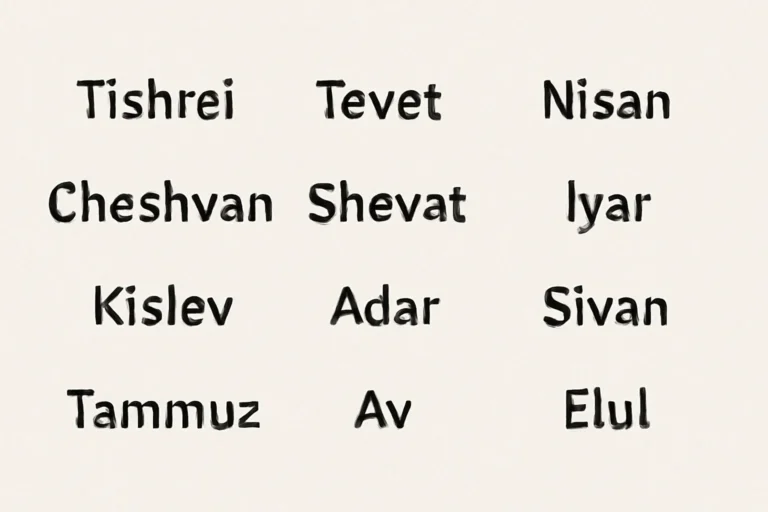
Kislev Meaning: Origins, Significance, and Traditions of the Hebrew Month
Across the Hebrew calendar, Kislev stands as a pivotal month that marks the heart of winter and the movement toward light. The Kislev meaning in Jewish tradition is not limited to a single literal gloss; it encompasses etymology, calendaric function, liturgical associations, and a tapestry of customs. In this article we explore the origins of the name, the significance of Kislev within Jewish thought, and the traditions that accompany the month in communities around the world. The aim is to provide a thorough map of Kislev from linguistic roots to living practice, while presenting a range of interpretations so readers can appreciate the semantic breadth of the month’s meaning.
Understanding the Kislev meaning begins with a look at its etymology and its place in the ancient calendar. The Hebrew month Kislev is the ninth month in the ecclesiastical order of the Jewish year and the third month in the civil year. The name itself appears in the Babylonian-derived Hebrew calendar, where many month names reflect a pantheon of influences from the ancient Near East. There is scholarly discussion about how Kislev got its name, and most scholars present more than one plausible theory:
Etymological link to winter and cold: A common line of thought ties Kislev to the cold, wintry season in the Northern Hemisphere. In this view, the Kislev meaning is tied to the character of the month as a cold, dark, winter interval that nonetheless carries a growing inner light as days lengthen (in a figurative sense) toward Hanukkah and the winter festival season.
Linguistic borrowing from the Babylonian calendar: A prevailing hypothesis is that the Hebrew Kislev is derived from the Akkadian or Babylonian month name Kislimu (sometimes appearing in transliterations as Qislimu). In this reading, Kislev is the Hebrew adaptation of an older Mesopotamian month label that originally identified a particular time of year in Babylonia. Over time, this form was absorbed into the Hebrew calendar and given its own local meaning in Jewish tradition.
Semantic association with hardness or compactness: Some scholars propose Hebrew roots that connote hardness or tightness, suggesting a sense of a dense, settled period within the year. While this isn’t a universally accepted etymology, it surfaces in discussions of how the month sits as a compact block in the mid-winter cadence of the year.
Symbolic resonance with light amidst darkness: Another layer of Kislev meaning emphasizes the contrast between darkness and light—a seasonal metaphor that aligns with the late-autumn/winter timing and the festival of Hanukkah that begins in Kislev. In this reading, the name becomes a symbol of endurance and inner illumination.
In sum, the origins of Kislev are multifaceted. While the literal linguistic derivation may vary by scholar, the consensus emphasizes a combination of wintertime character, calendaric borrowing from Mesopotamian sources, and later Jewish interpretive layers that fuse climate, calendar, and liturgy into a coherent sense of Kislev as a time of cold yet growing light.
Significance in Jewish Tradition
The Kislev meaning for Jewish life is deeply infused with history, liturgy, and communal memory. This month sits at a crossroads where the physical season of winter meets the spiritual calendar’s emphasis on rededication, endurance, and illumination. Several strands contribute to Kislev’s significance:
Religious and liturgical significance
Hanukkah and the Festival of Lights: By far the most prominent association is with Hanukkah, the eight-day festival that typically begins in Kislev. The story of the Maccabees and the miracle of the oil—“a little oil lasting eight days”—is commemorated in the candle lighting, blessings, and songs of Hanukkah. Kislev therefore marks a turning point in the year when physical darkness is countered by spiritual light. For many families, the Kislev period becomes a season of storytelling about courage, faith, and the possibility of renewal even in times of oppression or hardship.
Rosh Chodesh Kislev: The appearance of Rosh Chodesh—the new month—within Kislev carries its own liturgical cadence. On days when Rosh Chodesh Kislev coincides with the celebration of Hanukkah, communities often incorporate special readings or prayers that reflect both the new month and the festival’s gratitude for divine assistance in difficult times.
Hasidic and liturgical mornings: In many communities, Kislev is a season in which specific psalms, selichot, or seasonal prayers are emphasized to reflect themes of endurance, gratitude, and spiritual resilience. The month’s role as a bridge to Hanukkah shapes devotional practices that are both intimate and communal.
19 Kislev—Rosh Hashanah of Hasidism (in many Hasidic traditions): A notable exception to a purely calendar reading is the elevation of 19 Kislev as the “New Year of Hasidim,” particularly for the Chabad-Lubavitch movement. This date commemorates the release of a Hasidic master from imprisonment and is celebrated with farbrengen (a gathering with teachings and songs), study, and renewed spiritual commitments. The choice of Kislev for this event highlights the month’s symbolic meaning: a moment of turning toward spiritual growth and communal renewal even within the winter season.
Beyond these formal observances, the Kislev meaning in Jewish thought often centers on themes of resilience, miracle, and the transformation of hardship into light. The interplay between historical memory (Hanukkah and the Maccabean era) and living practice (candles, songs, Torah study) makes Kislev a uniquely hopeful month within the winter months.
Seasonal and cosmic associations
Seasonal cycle: Kislev sits at the heart of winter in the Land of Israel and in many parts of the Jewish diaspora. The broader thematic resonance is a shift from autumn’s harvest rhythms toward winter’s stillness, a time when people turn inward, study, and prepare for the celebrations ahead.
Light as metaphor: The festival of Hanukkah introduces a powerful metaphor: even in cold, dark times there is a divine spark that endures. The lighting of the menorah embodies this idea, and the Kislev meaning often surfaces in sermons and homilies that emphasize inner light, family warmth, and communal generosity.
Literary and artistic reflection: In Jewish poetry, liturgy, and modern writing, Kislev becomes a symbol of winter’s trial and winter’s hope. The month is frequently invoked in service readings, school curricula, and cultural programs as a period to reflect on endurance, memory, and the ongoing renewal of faith.
Traditions and Cultural Practices During Kislev
The Kislev meaning is richly expressed through a variety of traditions that span religious observance, family life, and communal culture. While Hanukkah dominates the public and familial calendar, there are several additional customs tied to Kislev that reflect its unique place in the year:
Hanukkah customs and their Kislev context
Lighting the menorah for eight nights: The core Kislev tradition—Hanukkah candle lighting—occurs each night with blessings, the central blessing of “Baruch Atah Hashem… Hanukkah” (depending on customs), and the recitation of Al Hanisim in the amidah and grace after meals in many communities. The menorah’s light is a practical and symbolic emblem of Kislev’s meaning: from darkness to light, from danger to safety, from despair to hope.
Public celebrations and private warmth: Homes, synagogues, and schools host candle-lighting ceremonies, songs, and stories. In many neighborhoods, public menorah-lighting ceremonies become community events that emphasize solidarity and mutual aid during the cold season.
Seasonal foods: Kislev’s Hanukkah foods—latkes, sufganiyot (jelly doughnuts), and other fried treats—are more than tasty indulgences. They are a festive culinary expression of the same “light in darkness” theme, providing warmth and sweetness as winter deepens.
Games and children’s learning: The dreidel game—gimel, nun, hei, and shin—retains educational and playful value, teaching themes of persistence and luck as a metaphor for overcoming adversity with courage and faith.
Spiritual renewal: For Hasidic communities, especially Chabad-Lubavitch, 19 Kislev is a key day of reflection, study, and communal gathering. The day commemorates the livelihood and teachings of a revered rebbe, but its broader meaning emphasizes the potential for personal and communal renewal in the darkest times of the year.
Tish and farbrengen: In practice, a farbrengen (a gathering of singing, storytelling, and joint study) may be held to mark this date. Participants explore Hasidic teachings about spiritual resilience, the power of joy, and the role of community in personal growth.
Other Kislev traditions across communities
Rosh Chodesh Kislev observations: Some communities note and celebrate Rosh Chodesh Kislev with additional prayers, special readings, or community meals that emphasize gratitude for a new month and the hope that the winter season will illuminate the path ahead.
Seasonal learning themes: Educators and parents often tie Kislev to themes of perseverance, miracles in everyday life, and the importance of memory and gratitude. This can translate into classroom curricula, family study sessions, or community lectures that highlight Jewish resilience during difficult times.
Living Kislev Today: Practical Observances and Activities
For families and individuals seeking to connect with the Kislev meaning in contemporary life, there are accessible ways to mark the month that honor its traditions while adapting to modern rhythms. Below are practical ideas organized to help you integrate Kislev into family life, education, and community engagement:
Plan Hanukkah with intention: Create a family schedule that balances candle-lighting, storytelling, and acts of charity. Use the nights of Kislev to discuss the values of courage, resilience, and generosity. Consider a commemorative study project that pairs a Hanukkah reading with a personal reflection on a time you faced a challenge and found light.
Host a 19 Kislev-inspired gathering (for Hasidic or non-Hasidic communities): If appropriate, host a small farbrengen with songs, teachings, and shared meals that explore Hasidic themes of inner light, joy, and the transformative power of study and community. If a full Hasidic gathering isn’t feasible, a moderated discussion or flash lecture can capture the spirit of renewal.
Explore Kislev through art and music: Use Kislev as a prompt to create winter-themed art, poetry, or music. The theme of lighting in the dark can inspire pictures of menorahs, stars, or scenes of family warmth. Music can include traditional Hanukkah tunes or new compositions focused on resilience and hope.
Seasonal learning projects: In schools or at home, assign projects about biblical or historical figures connected to Hanukkah (the Maccabees) or about the Hasidic stories tied to 19 Kislev. Pair history with moral lessons about perseverance, identity, and communal responsibility.
Charity and acts of kindness: The Hanukkah season and the Kislev period are often seen as times to extend generosity. Organize food drives, donations to local shelters, or community service projects that reflect the month’s theme of bringing light to others.
The Broader Cultural and Theological Implications of Kislev
Beyond the concrete practices, Kislev invites contemplation about how a culture understands time, memory, and transformation. The Kislev meaning touches on several broad ideas:
Time as a canvas for meaning: Kislev demonstrates how a calendar month can carry multiple layers of meaning—seasonal, historical, religious, and personal. In Jewish thought, time is not a blank span but a field for spiritual cultivation, memory, and communal renewal.
Light against darkness: The motif of lighting candles in Kislev mirrors a universal human instinct: to create warmth, hope, and shared joy when days are short and nights are long. This motif resonates in interfaith reflections on winter festivals around the world, offering a common language about resilience and care.
Memory and revival: The stories commemorated in Kislev—whether about Hanukkah’s miraculous oil or the Hasidic narratives surrounding 19 Kislev—stand as reminders that memory can kindle revival. The month serves as a teacher about how communities remember, learn, and pass on values across generations.
The way Kislev is understood and practiced can differ regionally and religiously. While the core themes of winter, light, and memory are shared, specific customs and emphases vary:
Ashkenazi vs. Sephardi/Mizrahi practices: Different communities celebrate Hanukkah in distinct ways, with variations in liturgy, melodies, and culinary traditions. The Kislev meaning as a time of rededication is felt in many communities, though the ritual vehicles (specific prayers, songs, or foods) may differ.
Hasidic vs. non-Hasidic interpretation: In Hasidic circles, Kislev—especially 19 Kislev—takes on a rich spiritual dimension associated with the sanctification of joy and the power of communal storytelling. In other contexts, Kislev is primarily honored through family rituals, charitable acts, and Hanukkah-centered observance without the same mystical framework.
Educational emphases: Some schools emphasize Kislev through creative projects, literature, and history lessons about Hanukkah and Jewish resilience, while others focus on the Hasidic histories tied to Kislev as a catalyst for personal growth and communal unity.
To summarize the multifaceted Kislev meaning, here are the core ideas readers should carry with them:
Name and origin: Kislev is a month with a name steeped in ancient calendaric and linguistic layers, often linked to winter, Mesopotamian month labels, and Hebrew interpretive traditions.
Season and symbolism: The month sits in mid-winter, a season of cold that invites inner warmth, spiritual reflection, and renewed light. This symbolic pairing—darkness and illumination—permeates Kislev across practices and literature.
Commercial and communal expression: Hanukkah, beginning in Kislev, is the centerpiece of public and private celebration, blending ritual, family life, and charitable giving into a extended cultural moment.
Spirit of renewal: The 19 Kislev celebrations in Hasidic circles underscore Kislev as a time of spiritual turning and renewal, illustrating how a single date can anchor a broader movement’s identity and values.
Practical observance: For contemporary families, Kislev offers a framework for combining learning, charity, and joyous celebration—an invitation to cultivate light, gratitude, and resilience during the darker days of the year.
In tracing the Kislev meaning, we glimpse how a single month can encode a spectrum of significance—from etymology and calendaric function to history, prophecy, and everyday practice. Kislev is not merely a slot in the year; it is a living narrative about how communities endure, remember, and find light together when days grow short. Whether through the flicker of a menorah, the stories told during a farbrengen, or a family meal shared in the glow of winter evenings, Kislev remains a testament to the enduring human capacity to kindle hope even in the coldest season.