What Is the Month of Adar? Definition and Overview
The month of Adar is one of the Hebrew calendar’s most culturally rich and chronologically distinctive periods. In practical terms, Adar marks a transitional phase from the darkest days of winter toward the first hints of spring in the Northern Hemisphere. It is also the month with a concentrated rhythm of religious celebrations, especially the festival of Purim, which brings a distinctive tone of joy, generosity, and communal solidarity. To understand Adar in depth, it helps to separate it into three interconnected lenses: its definition within the calendar, its significance in Jewish life and ritual, and its historical development from ancient times to the present day. This article unfolds those threads with attention to how the month is named, how many days it lasts, how it appears in leap years, and the practical observances that accompany it across communities around the world.
Definition and Nomenclature: What Is Adar Called and What Does It Mean?
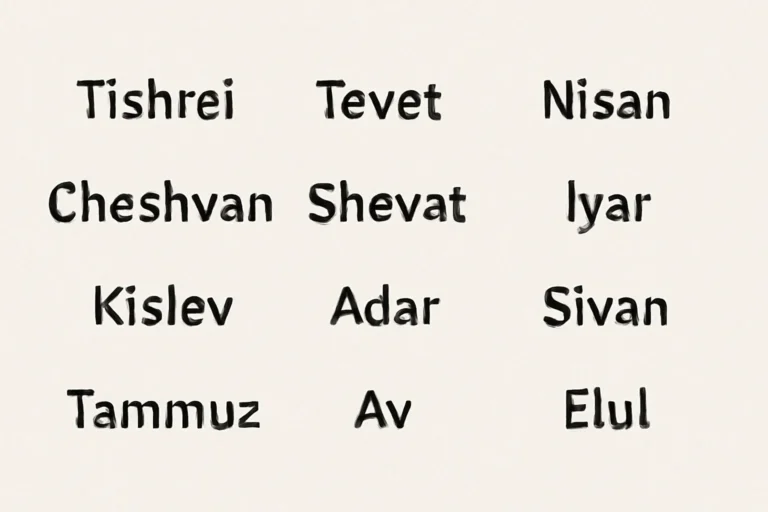
The term Adar identifies a specific month in the lunisolar Hebrew calendar. In a standard (non-leap) year, Adar is the 12th month of the year, following Shevat and preceding Nisan. In a leap year, the calendar adds a second month named Adar—first Adar I, then Adar II—so that the year can accommodate the lunar cycle and maintain alignment with the solar year. In this sense, many readers may encounter phrases like Adar I and Adar II, or simply Adar in ordinary years, but with the understanding that the leap-year arrangement creates two occurrences of the month name within that year.
The etymology of Adar traces back to ancient Near Eastern calendars. The name is widely believed to have come from the Babylonian month Addaru (sometimes transliterated as Addar or Addarū), which appears in cuneiform tablets and historical documents. Jewish communities living in the Babylonian exile and later adopting a Hebrew calendar system carried those month names into liturgical usage. As a result, the month carries a sense of continuity with a long and complex history of timekeeping that bridges biblical-era calendars and modern rabbinic practice. While the exact semantic meaning of the name may be debated among scholars, the cultural imprint is clear: Adar links the present-day calendar to a profound historical lineage.
In daily practice, the weeks’ rhythm of Adar is not just a matter of numbers on a page. It shapes how families plan their calendars, how communities schedule charitable giving, and how synagogues structure their Torah readings and festival preparations. The month’s name, its placement in the year, and its distinctive observances — especially Purim — together give Adar its unique sense of time within Jewish life.
Adar in the Calendar: Leap Years, Adar I, and Adar II
Understanding Adar requires some attention to the leap-year mechanism in the Hebrew calendar. The calendar is lunisolar, meaning it tracks lunar months but adjusts periodically to keep seasons in roughly their expected places. This adjustment happens through the addition of a special month in leap years: Adar I and Adar II. In a leap year, the sequence is: Tevet, Shevat, Adar I, Adar II, Nisan, and so forth. In non-leap years, the sequence has a single Adar between Shevat and Nisan.
Adar I (in leap years) typically occurs as the 12th month and, by convention, has 30 days. Its appearance effectively lengthens the fiscal and liturgical year to re-align with the agricultural and seasonal cycles.
Adar II (in leap years) is the 13th month and generally has 29 days. The holiday of Purim is observed primarily in Adar II in leap years, though in non-leap years the festival falls in the month simply called Adar.
In a common year, the 12th month is simply Adar, with 29 days. In a leap year, many calendars mark Adar II as the month in which Purim is celebrated, while Adar I serves as a preparatory, intercalary period.
Because of these rules, residents of different communities may plan Purim and related observances differently depending on whether their year is leap or non-leap. For example, in many places outside of Israel, Purim is celebrated on 14 Adar in common years, but on 14 Adar II in leap years; some traditions observe the Shushan Purim festive date on 15 Adar in Jerusalem and certain other ancient-walled cities.
The length of Adar varies with the year type. In a standard year, Adar lasts 29 days. In a leap year, the precursor month Adar I lasts 30 days, and the subsequent Adar II lasts 29 days. The distribution of days can affect how Shabbatot, holidays, and Torah readings align with other months of the year. A practical takeaway is that the calendar’s leap-year adjustments help ensure that major seasonal markers—like springtime in the northern hemisphere—do not drift too far from their intended seasons.
Significance and Practices: Why Adar Is Not Just a Name on a Calendar
Beyond its calendrical role, the month of Adar carries a distinctive religious and cultural significance. Among the most central features is the festival of Purim, a joyous holiday recounting the events described in the Book of Esther. Purim’s celebratory atmosphere—costumes, feasting, generosity, and communal reading of the Megillah—colors the entire month with a heightened sense of happiness and solidarity. In addition to Purim observances, Adar is frequently associated with a traditional liturgical line: Mishenichnas Adar, Marbeh Simcha — literally, “When Adar enters, joy increases.” This adage reflects a broader hermeneutic in Jewish thought that certain times of year produce heightened spiritual opportunities, particularly around acts of kindness and communal connection.
Purim is the centerpiece of Adar’s religious life. The 14th of Adar (or 15th in certain locales) is the day of the Megillah reading, the festive meals, and the charitable distributions that follow the festival’s themes of relief and generosity.
Megillah reading — The Scroll of Esther is read aloud in synagogues, with particular emphasis on the dramatic reversal of fortunes that Purim celebrates: hatred turned to goodwill, danger transformed into safety, and fear supplanted by communal joy.
Mishloach Manot and mat-anot la-evyonim — The two central mitzvot of Purim: giving gifts of prepared food to friends, and giving charity to the poor, ensuring that everyone can participate in the holiday’s festivities.
Mishloach Manot are often exchanged in baskets or packages, fostering a sense of shared celebration and mutual care among neighbors and friends.
In many communities, the month also features special gatherings, Torah study sessions, and communal meals that emphasize joy, gratitude, and reinforces social ties.
Shushan Purim and City-Specific Observances
Within the broader framework of Adar, there is a special observance known as Shushan Purim, traditionally celebrated on the 15th of Adar in certain anciently walled cities, most famously Jerusalem. In other places, Purim is observed on the 14th of Adar. The distinction arises from historical and geographical differences in how cities acquired and observed Purim during ancient times. The practical upshot for most modern communities is that Purim is observed on 14 Adar, while Jerusalem and a few other cited cities commemorate a second Purim on 15 Adar. This nuance adds a layer of regional variation to an overarching festival that remains a unifying feature of Adar across the Jewish world.
Historical Roots: How Adar Became a Jewish Month
To appreciate Adar, it helps to travel back to the month’s pre-biblical origins and trace its evolution through Jewish history. The month’s name and its place on the calendar reflect a confluence of Babylonian chronology, exile experiences, and the enduring project of producing a stable, religiously meaningful year. The following points chart a broad arc from antiquity to modern practice:
Babylonian origins: The name Addaru appears in ancient Mesopotamian records as a month in the lunar calendar used by Babylon. The Hebrew-speaking communities in exile encountered this calendar and began to align their own rituals and annual cycle with its structure and naming conventions.
Adoption into the Hebrew calendar: As Jewish life returned from exile and as rabbinic authorities refined the lunisolar calendar, the month’s name was retained in Hebrew usage. Over centuries, Adar became firmly established as the calendar’s 12th month in ordinary years and as the month that carries the Purim story’s dramatic arc into the yearly rhythm.
Leap-year adjustment: The necessity to reconcile lunar months with the solar year led to the introduction of a second Adar in leap years. This adjustment reflects a broader pattern in the Hebrew calendar of inserting a leap month (Adar I) to preserve the seasonal integrity of holidays and agricultural signposts.
Purim’s centrality: The Book of Esther’s narrative, set during the reign of Ahasuerus, takes place in the month of Adar. The festival of Purim emerged as a community response to the story’s reversal of fortune, turning Adar into a month associated with joy, generosity, and communal resilience.
Medieval to modern continuity: Through medieval Jewish scholarship and into modern rabbinic discourse, Adar’s practical observances remained stable, even as calendars and global communities adapted to new contexts (diaspora, migration, and contemporary ways of observing holidays).
Historically, Adar’s evolution demonstrates how a month can carry both a precise calendrical function and a living set of rituals that empower communities to express shared values. The combination of a fixed sequence (Adar’s position in the year) with dynamic observances (Purim’s joyous acts) makes Adar a vivid example of how timekeeping and tradition intermingle in Jewish life.
The Significance of Adar: Cultural, Liturgical, and Communal Dimensions
In Jewish culture, the month of Adar is not merely a period on a calendar. It frames a cluster of values, religious duties, and communal experiences that reinforce social bonds and spiritual purpose. The two central pillars of Adar’s significance are the religious celebration of Purim and the famous maxim that Mishenichnas Adar, Marbeh Simcha—joy naturally increases with the approach of Adar and the months that follow.
Joy and generosity: Adar is widely interpreted as a time when happiness and benevolence are called for and heightened. This emphasis aligns with Purim’s themes of salvation, reversal of fortune, and communal solidarity with those in need.
Charitable giving: The season encourages acts of tzedakah and mutual aid, culminating in Matanot La’evyonim (gifts to the poor) on Purim day and broader charitable acts throughout the month.
Public and private celebration: Adar’s observances mix liturgical readings, festive meals, social gatherings, and public performances that celebrate resilience, humor, and shared memory.
Academic and educational focus: The period around Purim often features study sessions about the Book of Esther, Jewish ethics of courage and cunning, and discussions about how to apply Purim’s lessons to contemporary life.
Calendrical Calculations and Observances: How Adar Is Practically Observed
Practically speaking, Adar shapes both religious ritual and everyday life in the months around Purim. The way dates fall depends on whether the year is a leap year or not, and on the local tradition regarding Shushan Purim. Here are some practical details to guide understanding and planning:
Non-leap years: The month is simply Adar, typically 29 days long. Purim falls on the 14th of Adar in most communities, with Shushan Purim observed on the 15th in Jerusalem and a few other walled cities.
Leap years: The calendar includes Adar I (usually 30 days) and Adar II (usually 29 days). Purim is celebrated on 14 Adar II, and Shushan Purim is observed on 15 Adar II in cities with that tradition; Adar I serves as a transitional month, not the Purim month.
Purim customs: In the month of Adar, people participate in the Megillah reading, give gifts to friends, share food with neighbors, and give charity to those in need. These customs reinforce reciprocity, community warmth, and social responsibility during a time that emphasizes communal joy.
Regional variations: While Purim is one of the most universally observed holidays in the Jewish world, the precise day of Shushan Purim and certain celebration customs can vary by community and tradition, especially between Israel and the diaspora.
Examples of Typical Adar Observances in Practice
To illustrate how Adar unfolds in daily life, consider these practical examples often observed by families and communities around the world:
Preparing and assembling Mishloach Manot baskets to distribute to friends, neighbors, and community members as a sign of friendship and care.
Organizing a Megillah reading in synagogues, with emphasis on hearing every word and commemorating the hidden story behind Esther’s courage.
Hosting or attending festive meals, known as seudot Purim, where friends and family celebrate with traditional foods and joyful songs.
Engaging in charity drives and volunteering for the poor, ensuring that those who might be isolated or financially burdened can participate in Purim’s festivities.
Participating in community plays, costumes, and playful events that highlight Purim’s spirit of reversal, humor, and storytelling.
Adar: Cultural and Regional Variations Across Jewish Communities
Although the core features of Adar are shared across most Jewish communities, regional customs and historical contexts create a spectrum of expression. The diaspora’s experience of Adar can differ in practical matters like calendar interpretation, Purim timing, and the way Shushan Purim is observed. In Israel, where the year’s agricultural and seasonal cycles interact directly with modern life, Adar’s pace may align more closely with national holidays and school calendars. In many diaspora communities, the celebratory mood of Purim is sometimes tempered by work schedules, school commitments, and community programming that reflect local realities. Regardless of locale, the central sense of Adar as a time of communal generosity, shared joy, and spiritual reflection remains a common thread across traditions.
Adar in Jewish Thought: Scriptural and Philosophical Perspectives
From a philosophical standpoint, Adar embodies concepts of resilience, gratitude, and social responsibility. The Talmudic maxim Mishenichnas Adar, Marbeh Simcha anchors the month in a psychological and spiritual pattern: as the calendar turns to Adar, a culture of cheerfulness and generous action becomes more accessible. This idea is not merely symbolic; it translates into concrete practices such as increased charitable giving, more communal meals, and deliberate expressions of goodwill toward others. The Esther narrative—the story that anchors Purim—explores themes of hidden courage, courage in the face of danger, and the power of human agency to alter an entire course of history. In that sense, Adar invites individuals and communities to remember how small acts of courage and generosity can ripple outward into significant communal transformation.
Historical Continuity: From Antiquity to Modernity
The historical arc of Adar reveals a continuity that spans ancient calendars, rabbinic scholarship, and contemporary communal life. The chronology begins with the month’s emergence in the Babylonian calendar and its adoption into Jewish timekeeping, followed by the stabilization of the year’s structure through leap-year adjustments. The Book of Esther—set in Adar’s time—becomes a touchstone for a festival that centers on courage, identity, and resilience. Across centuries, Jewish communities preserved the month’s core observances while adapting the practical details to new lands, languages, and customs. The modern calendar retains Adar’s essential character: a time when the community deliberately reinforces generosity, solidarity, and shared joy, culminating in Purim’s signature blend of ritual depth and festive exuberance.
Practical Guidelines: Observing Adar in Today’s Calendar
Whether you are part of a Jewish community in Israel or abroad, understanding how to observe Adar can help you plan thoughtfully. Here are practical guidelines that synthesize calendrical knowledge with contemporary practice:
Check whether the year is a leap year: If so, determine whether you are in Adar I or Adar II, and remember that Purim is celebrated in Adar II.
Note Purim dates in your community: In non-leap years, Purim is usually on 14 Adar (sometimes 15 Adar Shushan Purim in specific locales). In leap years, Purim is on 14 Adar II, with Shushan Purim on 15 Adar II in certain cities.
Plan charitable activities: Use Adar as a season to increase acts of kindness and tzedakah (charity), aligning with the mitzvot of Matanot La’evyonim and distributing food and gifts to those in need.
Engage in Megillah readings: Attend or organize a community Megillah reading, paying attention to the melodious chant, the text’s humor, and the festival’s themes of deliverance and reversal.
Participate in Mishloach Manot and communal celebrations
Explore Adar’s broader meaning: Take time to reflect on the idea that joy can be a force for good when paired with generosity and ethical action.
Frequently Asked Questions About Adar
What is Adar in the Hebrew calendar?
Adar is the 12th month of the Jewish civil year, and the 12th month of the religious year in a non-leap year. In a leap year, the calendar includes Adar I and Adar II, with Purim typically observed in Adar II.
In a common year, Adar has 29 days. In a leap year, the preceding Adar I has 30 days, and the following Adar II has 29 days.
What is Shushan Purim, and where is it observed?
Shushan Purim is a second Purim celebration observed on 15 Adar in Jerusalem and a few other anciently walled cities. Outside those places, Purim is typically celebrated on 14 Adar, with 15 Adar celebration reserved for the Shushan Purim tradition in some communities.
As communities around the world continue to observe Adar, the month remains a living reminder of how timekeeping and tradition shape communal life. It is a period when the memory of biblical narratives converges with present-day acts of kindness, generosity, and shared joy. The season’s distinctive rituals—particularly the festival of Purim—offer a structured opportunity to engage with ancient stories in a manner that speaks to contemporary values such as resilience, solidarity, and the importance of protecting the vulnerable.
Summary: The Month of Adar as Time, Tradition, and Tribute
In closing, Adar is much more than a date or a day on the calendar. It is a compact package of historical memory, liturgical precision, and social ethics. Its blend of the solemn and the celebratory—anchored by Purim’s narrative of courage and reversal—gives the month a unique energy. For those who study religious calendars or simply wish to understand a central part of Jewish cultural life, Adar offers a revealing case study in how a month can carry meaning across centuries, adapt to new contexts, and invite people to act with generosity and joy. Whether you think of it as the month that follows Shevat, the season that heralds Purim, or the time when communities renew commitments to one another, Adar remains a vibrant element of Jewish time.
Additional Notes on Historical Context and Scholarly Perspectives
Scholarly discussions about Adar often emphasize the interplay between biblical narratives, calendar reforms, and liturgical development. Some historians highlight how the fear and vulnerability described in ancient texts gave way to reenvisioned communal rituals that deliberately cultivate resilience through mutual aid and shared celebration. Others point to the adaptability of Adar’s observances as evidence of Jewish communities’ enduring capacity to maintain tradition while engaging with new cultures, languages, and social structures. Across these perspectives, the core message remains consistent: Adar teaches that joy, generosity, and communal responsibility can coexist with reverence for history and commitment to spiritual growth.
Glossary: Quick References to Adar-Related Terms
: The standard 12th month of the Hebrew calendar in a non-leap year; also the name given to the 12th month in adverse contexts.
: The first Adar in leap years; longer by one or more days depending on the calendar.
: The second Adar in leap years; Purim is observed in this month in most communities.
Purim: The major festival within Adar, commemorating the salvation of the Jews in the Book of Esther and celebrated with feasting, charity, and gift-giving.
Shushan Purim: The observance of Purim on 15 Adar in certain anciently walled cities, notably Jerusalem; in many places, Purim is observed on 14 Adar.
Megillah: The Scroll of Esther, read aloud during Purim ceremonies.
Mishloach Manot: The mitzvah of sending gifts of food to friends on Purim.
Matanot La’evyonim: The mitzvah of giving charitable gifts to the poor on Purim.
Mishenichnas Adar, Marbeh Simcha: A traditional saying indicating that joy increases once Adar begins.
Whether you are a student of Jewish history, a curious reader, or someone observing the month of Adar as part of personal or communal practice, the month offers a compelling blend of historical depth, liturgical richness, and social meaning. The next time you encounter the term Adar, you’ll know it signals more than a date on the calendar—it signals a window into a long tradition of timekeeping, holiday spirit, and communal responsibility that continues to shape lives today.