White Bible: A Complete Guide to History and Editions
White Bible: A Complete Guide to History and Editions
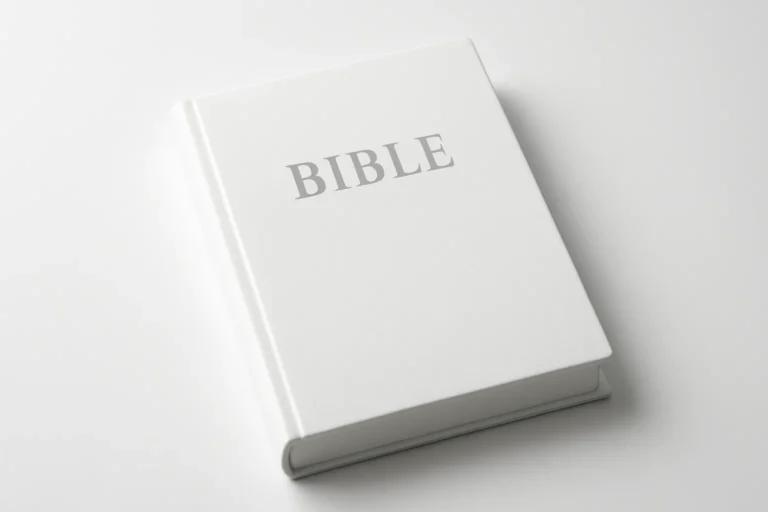
The term White Bible appears in collector catalogs, library records, and scholarly recipes in more than one sense. It is not the name of a single, canonical edition, but rather a descriptive label that has attached itself to a family of Bibles associated with pale bindings, light paper, or distinct printing traditions. In this guide we will explore what people mean when they speak of the white Bible, trace some of its historical roots, survey the kinds of editions that have earned or carried this label, and offer practical advice for identifying and understanding these volumes. By looking at the white bindings, the white pages, and the editions themselves, readers can gain insight into how a seemingly simple color cue intersects with technology, taste, and theology across centuries.
What is the White Bible? Defining the term in bibliographic practice
In bibliographic circles, the phrase White Bible is best understood as a descriptive category rather than a formal title. It can refer to at least three related ideas:
White bindings or bindings finished with pale materials such as white vellum, white leather, or bleached parchment.
White paper editions, where the pages themselves are especially light in color, or printed with light inks and generous margins that give the volume a pale overall appearance.
Edition types in which the publisher chose a branding that later catalogers interpreted as the “white” family of Bibles, sometimes in contrast to richly colored or darkly bound special editions.
Because the same descriptor can appear in different contexts, it is important to read the surrounding bibliographic notes. When a collector or librarian notes a Bible as a white edition, they are signaling a distinctive aesthetic or material characteristic, not a single exclusive title. In this article, the focus is on the historical pattern of such volumes, the kinds of editions that earned the label, and what scholars look for when evaluating them.
Historical context: pale bindings, pale papers, and the appeal of light-toned Bibles
Medieval and early modern bindings: the material world of pale volumes
The fascination with pale or white-looking bindings has roots in the medieval and early modern book trades, when craftsmen experimented with a range of materials and finishes. Several factors contributed to this aesthetic:
Material availability: vellum and parchment were common, and white or pale finishes could be achieved through careful preparation and bleaching of leather or parchment surfaces.
Symbolic signaling: light colors could convey a sense of purity, clarity, or sacred beauty that paralleled the spiritual goals of the text inside.
Technical considerations: some pale bindings were easier to write on, or easier to preserve, in certain environmental conditions.
In catalogues and inventories, these pale bindings are often described in terms like "white vellum," "natural vellum," or "bleached parchment," with the interior decoration—gold tooling, blind-stamping, and occasionally colored borders—further shaping the overall impression of a White Bible in the hands of a reader.
Bay area and continental traditions: regional flavors of the pale Bible
Across Europe and into colonial printings, the aesthetic of a light, almost luminous binding could reflect regional practice. In some regions, pale bindings were associated with widely used lectionaries or devotional Bibles intended for daily reading, while in others they were framed as luxury items for affluent patrons or ecclesiastical institutions. What unites these instances is a deliberate visual choice: the binder or publisher sought to set the volume apart from darker leather or highly colored bindings, signaling a particular status or use-case for the text.
Variants and categories within the White Bible family
The White Bible label can apply to several concrete types. Here are the most common variants seen in libraries and collector catalogs:
White-bound Bibles with pale leather or vellum, prized for their soft luster and understated elegance.
White parchment or bleached parchment editions, where the binding and endpapers are chosen to maintain a light, uniform surface.
White-paper editions in which the paper stock is unusually bright or the printing uses light inks, producing a book that feels airy and legible.
Special-appearance reissues, sometimes marketed as collectors’ items, that emphasize the whiteness of the cover or pages as a branding decision.
Each variant carries its own set of bibliographic signals—dates, printers, binders, and geographic origin—that scholars use to place the volume in a historical and cultural context. When you encounter a white edition, it is useful to ask: what binding material, what paper stock, and what inscriptions or marginalia does the volume carry?
Terminology note: synonyms and near-synonyms
In the trade and archives, you may also encounter terms such as alabaster binding, pale bindings, or ivory edition to describe the same general category. Some catalogs will even extend the color language to "snow-white," "milk-white," or "cream-white" to differentiate subtle hues of white and near-white. The key is consistency within a catalog or collection—how a given institution defines and applies the label will shape how researchers interpret the volume.
Notable edition types often labeled as White Bible
To understand the diversity of the White Bible family, it helps to think in terms of editions rather than one single work. The following categories frequently appear in reference works and shelf catalogs:
Text-critical or scholarly editions presented with light bindings and generous margins to facilitate annotation and study.
Liturgical or devotional Bibles bound in pale materials for ceremonial use or prayer assemblies.
Family Bibles marketed to households, sometimes with durable pale covers designed to endure daily handling.
Early printed Bibles in which the printers used bleached or pale materials as a signature of modernity or refinement in a given era.
The exact connection between color and content varies. A page that uses wide margins and pale inks can feel “lighter” and more readable, just as a pale binding can convey a sense of discretion and dignity. When evaluating a volume described as a White Bible, collectors and scholars weigh both physical characteristics and textual provenance to determine whether the label reflects marketing, function, or a genuine historical practice.
Production histories: technology, binding, and print culture over the centuries
From hand-colored era to mechanized printing
Early printed Bibles were handmade experiences in which the binding, tooling, and cover material often carried as much or more signaling weight as the text itself. As the ebook age loomed, the White Bible label began to appear in catalogs of the 19th and 20th centuries when mass production introduced new choices in materials and finishes.
The transition from animal skins to more standardized paper, and from hand-tooled leather to machine-made bindings, shifted the vocabulary of the field. In this period, some publishers explicitly marketed pale or white covers as a distinguishing feature of a durable, modern Bible. The result was a wealth of white edition Bibles that now populate libraries as well as private collections.
Modern print runs and collector markets
In the 20th and 21st centuries, the sale of Bibles with light or white bindings intersected with the rise of special editions and luxury lines. Publishers sometimes offered:
Limited editions with pale covers and house-specific branding for collectors.
Reissue programs that revived older bindings in modern paperstock and printing technology, while preserving the pale aesthetic.
Study Bibles that use wide margins, clear typography, and pale bindings to facilitate note-taking and cross-referencing.
The market for these books reflects broader trends in bibliophily: an appetite for objects that combine tactile pleasure with scholarly usefulness. The White Bible, in its various forms, is a case study in how touch, light, and layout influence how readers approach a sacred text.
How to identify and authenticate a White Bible
Whether you are cataloging a private collection or assessing a volume in a library, here are practical steps to identify a candidate for the White Bible category:
Examine the binding material: look for white or pale vellum, bleached parchment, or pale leather. Check for tooling patterns that correspond to a period or region, such as blind-stamped designs or gold leaf on a light ground.
Check the endpapers and flyleaves: white or light-toned endpapers can signal a deliberate pale aesthetic on the whole volume.
Inspect the paper stock: pages that appear especially white or bright, often with high-contrast type, are typical of later editions, but early white-paper experiments existed as well.
Review bibliographic marks: title pages, colophons, printer’s marks, and edition statements can reveal whether the volume was intended as part of a pale-binding program, or was simply bound in an inexpensive pale cover later in its life.
Assess condition and provenance: wear patterns, repairs, and evidence of conservation can help distinguish a genuine historical pale-binding Bible from a modern reproduction or rebound artifact.
For researchers, a key practice is to cross-reference binding style, printing method, and geographic origin with catalog records. A careful triad of physical examination and archival research will yield a more precise understanding of whether a volume is truly part of the White Bible tradition in its specific sense.
Collections, conservation, and the market for pale Bibles
Pale Bibles occupy a distinctive niche in libraries and private collections. Because the appearance of white or pale materials is often a marker of era, region, and function, these volumes can be valuable both academically and aesthetically. Here are some concerns for curators and collectors:
Conservation needs: pale bindings can be more fragile than darker leather, requiring careful humidity control, proper housing, and minimal handling.
Provenance tracking: documentation of ownership, libraries, and transfer of custody adds to the scholarly value of a White Bible edition.
Market dating: the market for pale bindings can be sensitive to taste and fashion; prices may fluctuate with trends in collecting and with the discovery of new records tying a volume to a specific workshop or employer.
Access versus preservation: institutions balance public access with preservation, sometimes limiting handling of fragile pale-bound Bibles to protect their surfaces.
When purchasing or evaluating a pale-binding Bible, experts recommend consulting multiple sources: conservation reports, binding catalogues, printer catalogs, and regional inventories. The more corroboration across these sources, the stronger the case that a volume belongs in the White Bible cohort for its era and region.
The use of white or pale-looking Bibles has implications for both ritual and study. A number of practitioners appreciate the clarity and calm aesthetics of white bindings and bright pages. For some readers, the lighter look signals a focus on readability and pastoral use; for others, it reflects institutional identity or ritual tradition.
Liturgical symbolism: in some communities, white or pale materials are associated with purity and renewal, a symbolic frame for sacred reading.
Educational settings: study editions with pale margins and ample commentary often belong to a lineage of modern Bibles designed for classroom use or academic study.
Museum and display value: pale bindings and white page aesthetics contribute to the visual narrative of book history, making these editions popular in exhibitions that explore print culture.
The White Bible is thus more than a color choice. It embodies decisions about durability, legibility, and meaning that resonate with readers across centuries.
Below are some frequent questions that arise when people encounter this term, along with clarifications grounded in bibliographic practice:
Is the White Bible a single famous edition? No. It is a descriptive label used across multiple volumes and periods to describe pale bindings, light paper, or branding choices. It does not denote a single authoritative text.
Are all white-bound Bibles old? Not necessarily. While many examples are historical, some modern reproductions and reissues intentionally adopt pale bindings for aesthetic reasons or market positioning.
Does white binding affect the text? The binding color or the paper tone does not change the content, but it can affect readability, handling, and the reader’s experience of the physical object.
Is a pale Bible more valuable? Value depends on many factors: rarity, provenance, condition, completeness (including all maps, plates, and marginal notes), and the significance of the edition in its historical and bibliographic context. Pale binding can be a factor in value, but it is rarely the sole determinant.
Conclusion: why the White Bible matters for readers today
The study of the White Bible is ultimately a study in how material choices—binding materials, page brighteners, printing technology—shape our relationship to sacred texts. The pale appearance of a volume invites closer reading of its physicality and a deeper appreciation for the craftsmanship that carried a manuscript or printed Bible through centuries of use. By tracing the history of these editions and recognizing the various forms they take—whether in white bindings, bleached parchment, or light-toned paper—we gain a richer sense of how believers and scholars have engaged with the text across different cultural moments.
For researchers, librarians, and collectors, the White Bible offers a fruitful field for inquiry: it invites careful cataloging, critical conservation, and thoughtful interpretation of how a book’s surface can carry meaning as potent as the words it contains. The enduring appeal of pale bindings and bright pages reminds us that the material environment of printed scripture continues to influence reading habits, scholarly inquiry, and public imagination in meaningful ways.








Leave a Reply