Pilgrimage Festivals in Judaism: A Practical Guide
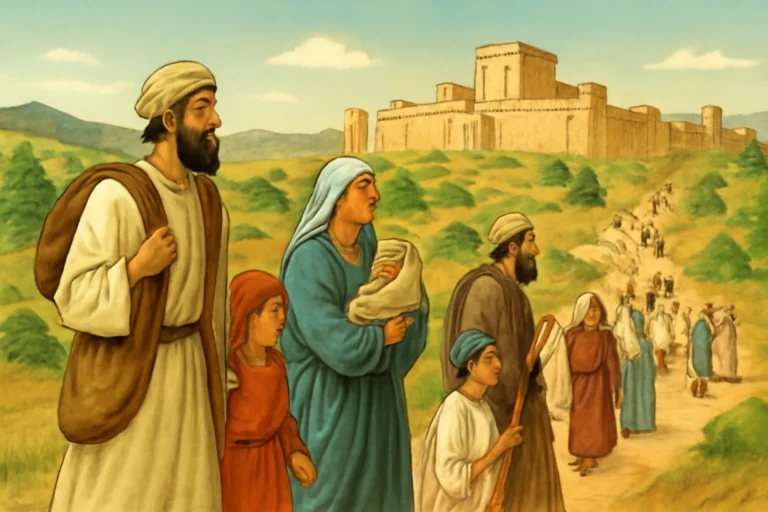
Across the long arc of Jewish history, a set of three seasonal festivals formed a rhythm that tied the people to the land, to the God of Israel, and to one another. These occasions—known in Hebrew as the Shalosh Regalim, or the three pilgrimage festivals—were traditionally times when people from across the ancient Kingdom of Israel would travel to the holy precinct in Jerusalem to offer sacrifices and to celebrate with family and community. In modern practice, the spirit and structure of these festivals remain central to Jewish life, even as technologies, geography, and customs have shifted. This guide aims to illuminate not only what the three pilgrimage festivals are, but how they function today as living, learning, and practical occasions for families, lay leaders, students, and travelers to engage with Jewish history, law, and culture.
Shalosh Regalim: The Three Pilgrimage Festivals
The term Shalosh Regalim refers to the trio of annual observances that were historically linked to major agricultural milestones and religious rites in biblical and Second Temple times. The idea of pilgrimage to a central Temple site—specifically, the Temple in Jerusalem—functioned as a unifying practice for the people. While the Temple no longer stands in the form it once did, the festivals continue to shape Jewish liturgy, meal patterns, and communal life. Below is an overview of each festival, followed by practical guidance for observing them today.
Pesach (Passover)
Pesach, or Passover, begins on the 15th day of the Hebrew month of Nisan. It commemorates the Exodus from Egypt and the liberation of the Israelites from bondage. In the ancient economy, this festival culminated with the offering of the Pesach sacrifice and the pilgrimage to the Temple. Today, Pesach is celebrated primarily through retellings of the story (the Haggadah), the removal of leavened products (leaven or chametz) from homes, and the central ritual meal, the Seder.
Core themes: freedom, identity, redemption, and covenantal relationship with God.
Key rituals: Seder, matzah as a symbol of haste and simplicity, bitter herbs, charoset, and the festive meal that includes festive readings and songs.
Practical observations: cleaning the home of chametz, searching for hidden chametz, and preparing a table that emphasizes family participation and storytelling.
Modern life makes Pesach a home-centered festival in which families, congregations, and institutions engage in collective learning, consumer choices about food labeling, and hospitality that mirrors the ancient practice of welcome. For communities that gather in synagogues or at retreat centers, Seder nights can become multi-generational experiences, with workshops on Jewish history, Hebrew language study, and hands-on cooking that foreground both ritual observance and practical education.
Shavuot (Weeks)
Shavuot, which literally means “weeks,” marks the giving of the Torah at Mount Sinai and occurs seven weeks after Pesach (on the 6th of Sivan in the Hebrew calendar). Historically, it also coincided with the culmination of the barley and wheat harvest cycles and included offerings such as the two loaves of bread (the shtei ha-lechem) brought to the Temple. In contemporary practice, Shavuot is observed with all-night Torah study, festive meals, and special prayers.
Core themes: revelation, covenant, gratitude for Torah, and agricultural cycles understood through liturgy.
Key rituals: Tikkun Leil Shavuot (staying up to study), reading the Ten Commandments, and dairy meals that symbolize sweetness and sustenance.
Practical observations: engaging in study with family and peers, decorating homes with greenery to recall Mount Sinai’s landscape, and attending synagogue services that highlight Torah portions and rabbinic discourses.
In many communities, Shavuot is celebrated as a time of learning and intellectual curiosity. Some congregations pair sessions on theology with workshops on Hebrew grammar, philosophy, or Jewish history. In Israel, Shavuot can be a moment of national reflection on the enduring connection between the land, its people, and the spiritual heritage encoded in the Torah.
Sukkot (Tabernacles)
Sukkot, or the Feast of Tabernacles, begins on the 15th day of Tishrei and lasts seven days, followed by a one-day assembly known as Shemini Atzeret. This festival harks back to the Israelites’ 40 years of wandering in the desert and to the agricultural cycle, particularly the harvest. A central symbol of Sukkot is the sukkah—a temporary dwelling—where families eat, study, and sometimes sleep during the festival. The festival also features the Arba Minim (the Four Species: lulav, etrog, hadassim, and aravot) in many rituals and processions, including the Hoshana Rabbah prayers on the seventh day.
Core themes: protection, gratitude for harvest, faith in divine guardianship during hardship, and communal worship.
Key rituals: dwelling in a sukkah, waving the Four Species, festive meals with family and guests, and the finale of Simchat Beit HaShoeva (the rejoicing of the Water Drawing) during certain communities’ Sukkot observances.
Practical observations: assembling and decorating a sukkah, ensuring it is weather-tight yet open to the four cardinal winds of hospitality, and fostering inclusive hospitality as a core value of the celebration.
For many Jews today, Sukkot remains a time when families test ideas of impermanence and shelter, reflect on vulnerability and care, and invite neighbors, friends, and strangers into their sukkah as a gesture of hospitality. In Israel, the festival is often observed with more public rituals and educational programming, while diaspora communities emphasize home-based experiences and communal meals that highlight the season’s gratitude for harvest and rain.
Historical and Theological Foundations
The Shalosh Regalim are not merely calendrical markers; they encode a theological anthropology about the relationship between the people and the land. The ancient practice of pilgrimaging to the Temple was tied to the sacrificial system, which expressed gratitude, remembrance, atonement, and partnership with God. Although the Temple has not stood for nearly two millennia, the core meanings persist in liturgy, study, and ritual life. The pilgrimage ethos—movement from home to sacred center, from particularity to shared ritual, from private piety to public worship—shapes Jewish identity in a way that remains resonant across generations.
Key ideas that recur across these holidays include liberation (Pesach), revelation (Shavuot), and dependence and gratitude (Sukkot). Each festival complements the others: Pesach recalls deliverance, Shavuot emphasizes divine instruction, and Sukkot foreground care, abundance, and the fragile shelter we build around community. Together, they provide a holistic framework for reflecting on freedom, responsibility, and the cycles of nature that sustain life.
Liturgical and Ritual Elements Across the Festivals
While each festival has its distinct practices, several elements recur across the Shalosh Regalim, reflecting a shared set of values and a shared memory of pilgrimage. Understanding these recurring motifs helps practitioners approach the holidays with depth and coherence.
Temple-centered memory: Even in the absence of the ancient Temple, many prayers and liturgical passages evoke Temple imagery, sacrifices, and the desire for communal unity in Jerusalem. This continuity reinforces the sense that Jewish religious life is oriented toward a sacred center—even if that center is manifested now in prayer spaces and study halls rather than an architectural temple.
Public and private dimensions: Pilgrimage festivals blend communal ritual with intimate family experiences. Congregational services, processions, study sessions, and shared meals all participate in bridging public worship and home life.
Agricultural symbolism: The harvest calendar informs the structure of the holidays. The barley and wheat harvests (Pesach and Shavuot), and the fruit harvest (Sukkot) are echoed in meals, decorations, and agricultural metaphors in liturgical poetry and biblical readings.
Hospitality and generosity: Across the three holidays, hospitality toward guests—often embodied in inviting others into one’s sukkah or welcoming guests to a Seder or Shabbat-like meal—is emphasized as a concrete expression of the festival’s spirit.
For students and educators, studying the liturgy associated with these holidays offers a doorway into how Jewish communities interpret divine providence, learning, and social responsibility. The texts—the Torah portions, the Megillot read during Sukkot and Shavuot, and the prayers that accompany the Festival service cycles—provide a lens through which to examine questions of law, ethics, and memory.
Observance in the Domestic Sphere and in Institutions
Observance patterns shift depending on geography, tradition, and community norms. In Israel, the concept of aliyah la-regel—literally “going up to the festival”—is still a cultural touchstone, and many people make trips to Jerusalem as part of a national and spiritual rhythm. In the diaspora, pilgrimage to a central Temple site is no longer possible, yet the festivals thrive as community-building, education-centric, and family-centered occasions that connect Jews worldwide to their shared heritage.
Across communities, common practices include the following:
Pesach: home cleansing of chametz, Seder table, reading of the Haggadah, and often intergenerational participation in the telling of the Exodus story. In many homes, the Seder night is a teachable moment where children practice honors and roles, and where guests—whether guests of honor or informal newcomers—are welcomed to participate in songs and questions.
Shavuot: all-night study sessions, Torah-reading in synagogue services, and dairy-focused meals. Some communities add study tracks on Jewish law, ethics, or poetry, aligning study with celebration.
Sukkot: constructing and dwelling in a sukkah, waving the Four Species during services or in processions, and festive meals that extend beyond the family to neighbors and guests. In many places, the Hoshana Rabbah prayers culminate the cycle of Sukkot with special liturgical moments.
In all cases, the domestic sphere remains a key center of practice: families open their homes to friends and neighbors, teach younger members about the meanings of the festivals, and actively create spaces for storytelling, songs, and shared meals. The home becomes a microcosm of the Temple-centered festival economy: a place where ritual, memory, and communal care meet.
Regional and Denominational Variations
Within Judaism, there is a spectrum of practice that shapes how these holidays are observed. Orthodox communities may emphasize traditional liturgical orders, strict adherence to dietary laws, and the centrality of the synagogue service and family Seder rituals. Conservative and Reform congregations might highlight social justice themes, inclusive language, and broader educational programming while preserving the core rituals. In secular or cultural Jewish communities, the spiritual aspects might be expressed through shared meals, storytelling, music, and civic engagement tied to the harvest cycle and the memory of Jewish national life.
Variations also occur in regional customs around Sukkot generosity and hospitality, how Shavuot is observed with study, or how Pesach Seder themes are chosen for particular communities. The adaptability of the pilgrimage festival framework allows communities to honor ancient roots while making room for contemporary questions about identity, climate, food security, and communal responsibility.
Planning and Practical Considerations for Observers
Whether you live in a city with a vibrant Jewish community or in a rural setting, there are practical steps you can take to observe these sacred occasions in a meaningful, sustainable way. The following guidance blends traditional practices with contemporary realities, offering a flexible approach suitable for families, students, travelers, and lay leaders.
Learn the core narratives: before a festival begins, familiarize yourself with the primary biblical stories and liturgical themes. For Pesach, read the Exodus narrative and the Haggadah; for Shavuot, study the Sinai revelation passages; for Sukkot, explore the desert journey and the symbolism of the sukkah and the Four Species.
Prepare the space: if you’re observing at home, plan the physical space—clean your home from chametz for Pesach, set up a sukkah for Sukkot, and reserve space for study or readings during Shavuot. Decorations that evoke harvest, Sinai, or desert shelter can deepen the atmosphere.
Plan the meals and hospitality: meals are central to each holiday. Pesach emphasizes Seder meals with family and guests; Shavuot emphasizes study paired with festive dairy foods; Sukkot emphasizes meals in the sukkah and invitations to guests. Build a guest list, including those who might be new to the tradition, to emphasize hospitality as a core value.
Coordinate learning goals: use the festival as a learning framework. Create a reading plan, invite a family member or guest to present a short teaching, or partner with a local temple or synagogue to offer a workshop series on the holiday meanings, laws, and historical context.
Consider accessibility and inclusion: ensure that events, readings, and meals are accessible to people with diverse backgrounds and abilities. Offer translations, simplified explanations, and opportunities for everyone to participate in age-appropriate ways.
Travel with intent (if you’re journeying): if you are traveling during a festival, plan ahead for kosher food, synagogue services, and appropriate time for prayer and study. In Israel, journeys to Jerusalem during these times can be meaningful but crowded; in other lands, plan in advance to join synagogues or community centers hosting festival programs.
Document and reflect: keep a simple journal or digital notes about what you learned, who you met, and how the festival changes your perspective on freedom, revelation, and shelter. Reflection helps translate ancient memory into contemporary practice.
In addition to these steps, consider creating a family “festival kit” that includes a Haggadah or study sheets for Pesach, a Shavuot reading list, and materials to construct or decorate a sukkah. A well-prepared kit can make three distinct holidays feel cohesive, linking memory with everyday life in a practical way.
Educational and Cultural Significance
Beyond ritual practice, the pilgrimage festivals carry educational and cultural weight. They teach the next generation about the rhythms of agricultural life, the obligations of gratitude, the responsibilities of freedom, and the importance of community. The storytelling dimension—especially the retelling of the Exodus at Pesach—transmits values about resilience, courage, and collective responsibility. Shavuot’s celebration of Torah revelation invites a deeper engagement with ethical questions, legal literature, and philosophical reflection. Sukkot’s focus on shelter, hospitality, and harvest encouragements a practical stance toward vulnerability and generosity, reminding communities to care for others in times of plenty and scarcity alike.
For students, educators, and travelers, the pilgrimage festivals offer a rich field for exploration. They intersect with themes such as social justice (feeding the hungry, welcoming strangers), environmental stewardship (care for the land and its yields), and intergenerational learning (passing down rituals, songs, and recipes). In classrooms, museums, and community centers, the festivals can be used as entry points to discuss biblical history, archaeology, liturgy, and modern Jewish identity. They also provide opportunities for interfaith dialogue around shared values such as hospitality, gratitude, and remembrance of time-honored journeys.
Common Questions and Clarifications
As with many religious observances, questions arise about the specifics of practice, laws, and modern adaptation. Here are concise answers to common inquiries that people often ask when approaching the Shalosh Regalim.
Are we required to visit a particular location for the pilgrimage today? In ancient times, the pilgrimage culminated at the Temple in Jerusalem. Today, the obligation to travel to a central Temple site is no longer binding. Families and communities adapt by gathering in synagogues, study halls, homes, or other meaningful spaces to reflect the same themes of unity and sacred time.
Is it necessary to eat only specific foods during Pesach? Observance of chametz removal is a traditional requirement. For many, this includes a special Seder with symbolic foods, but the level of strictness varies among communities. It is common to observe dietary rules and to engage in imaginative, faith-filled storytelling at the table.
What is the role of the Four Species during Sukkot today? For many communities, the Four Species represent specific prayers and processions during services. While some people perform the ritual physically, others participate through learning or symbolic acceptance of the blessing that these objects symbolize—unity, gratitude, and the harvest’s abundance.
Can non-Jews participate in these festivals? Yes. The festivals can be inclusive learning experiences. Sharing meals, listening to the readings, studying the text, and participating in hospitality activities are ways to involve friends and neighbors who are not Jewish while deepening mutual understanding and respect.
How do the holidays relate to modern Israel? In Israel, the pilgrimage festivals maintain a strong cultural and national resonance. Jerusalem, the capital, remains a focal point for public ceremonies, education, and communal celebrations that reinforce the link between Jewish faith, land, and national life.
Further Resources and Paths for Deeper Learning
To deepen understanding and practice, consider the following avenues. A combination of primary sources, guided study, and community involvement can provide a robust and practical grasp of the pilgrimage holidays:
Torah portions and rabbinic commentaries: Study the sections of the Torah that relate to Pesach, Shavuot, and Sukkot, accompanied by classical and contemporary commentaries to gain multiple perspectives on the festivals’ meanings.
Liturgical texts: Explore the Haggadah for Pesach, the readings associated with Shavuot, and the Torah readings of Sukkot. Engage with translations and glossaries to enhance comprehension and appreciation.
Educational programs: Enroll in courses or attend weekend workshops offered by temples, yeshivot, or community centers that focus on the Shalosh Regalim and their practical observance today.
Travel and study opportunities: If possible, participate in guided trips or local programs that pair site-based learning with culinary and musical experiences linked to Pesach, Shavuot, and Sukkot.
Community practices: Join or form study circles, guest-sharing evenings, or family education sessions to sustain ongoing engagement with the pilgrimage festival cycle beyond the calendar.
Ultimately, the pilgrimage festivals offer more than historical memory; they present a framework for living with intention—an invitation to travel, learn, and cultivate a sense of communal belonging. By approaching Pesach, Shavuot, and Sukkot as a coherent cycle of liberation, revelation, and shelter, Jewish communities around the world maintain a vibrant bridge between ancient intention and contemporary life.
As a practical guide to the pilgrimage festivals in Judaism, this article has traced the historical roots, liturgical patterns, and contemporary approaches that keep the Shalosh Regalim relevant. Whether you approach the holidays through study, hospitality, or hands-on ritual, the core message remains clear: these festivals invite us to remember the journey—from bondage to freedom, from revelation to responsibility, and from scarcity to abundance—while building lasting connections with family, neighbors, and the wider Jewish community. By embracing both memory and action, the pilgrimage festivals become living moments when tradition and modern life illuminate one another, shaping a meaningful path for generations to come.





Leave a Reply