Nisan Meaning in the Bible: The Biblical Month Explained
Nisan Meaning in the Bible: The Biblical Month Explained
Nisan is a central term in the biblical calendar, but understanding its meaning requires looking at linguistic history, calendar reforms, and the rich agricultural rhythm that shaped ancient Israelite life. In English, you will often see phrases such as “Nisan meaning in the Bible”, “Nisan as a biblical month”, or “Nisan and the month of Aviv” used to explain how this time of year functioned in ancient times and how it connects to modern Jewish practice. This article surveys what Nisan meant in biblical times, how the name arose, which observances are tied to it, and how scholars today interpret its place in the Bible and in Jewish liturgical life.
The term Nisan identifies a specific period on the ancient Hebrew calendar. In many biblical passages, this month marks the time of Passover and the Feast of Unleavened Bread, events that stand at the heart of Israelite religious memory. When readers encounter phrases like “the month of Nisan” or “in Nisan”, they are being invited to situate events within a seasonal frame—early spring in the land of Israel—when barley begins to ripen and agricultural life awakens from winter dormancy. The seasonal timing embedded in Nisan is inseparable from its religious significance, especially as it relates to liberation narratives and ritual observances that the biblical text emphasizes repeatedly.
Origins, etymology, and variations of the name
The history of the name Nisan involves both linguistic borrowing and shifting calendar systems across centuries. In the Bible, the month is also known by other names in earlier usage, most notably Abib (or Aviv in later Hebrew spelling). These terms emphasize different aspects of the month’s identity:
Abib (or Aviv): meaning something like “green ears” or “the ripening grain,” signaling the barley harvest and the onset of spring. This name highlights the agricultural frame of reference for the month and is especially prominent in Exodus 9–13 and related texts where harvest readiness accompanies the Passover timetable.
Nisan: a later designation that comes into prominence in post-exilic and rabbinic usages, aligning the month with the Babylonian calendar names. The adoption of this name reflects broader intercultural contacts and the reality that months were becoming standardized across communities under Persian, and later Hellenistic, influence.
In scholarly discussions, you will often see language such as “Nisan meaning in the Bible” contrasted with “Aviv meaning” or “Abib meaning”. The shift from Aviv to Nisan marks a transition from a primarily agrarian naming scheme to a calendar frame that reflects a wider imperial and exilic milieu. The important point for readers is that Nisan and Aviv/Abib can refer to the same time of year from different historical and textual viewpoints, with Nisan often emphasizing the formal calendar label and Aviv highlighting the harvest phase.
Seasonal timing and agricultural significance
The biblical calendar is inseparable from agricultural cycles. The month of Aviv is intimately tied to the ripening of barley, the earliest widely grown grain in the land. The biblical writers connect ritual timing with the crop’s readiness, which in turn signals the grid for major festivals. When the calendar enters the month of Nisan in later usage, that time still sits within the spring harvest window. The connection to agricultural markers helps explain why Passover aligns with the barley harvest and why the Feast of Unleavened Bread begins on the fifteenth day of the month, following the Passover sacrifice on the fourteenth day.
Key signs of the season around Nisan include:
The re-emergence of warm weather in the land of Israel and the budding of crops after winter rains.
The political and religious calendar pivoting around springtime feasts that commemorate liberation and covenant renewal.
The symbolic pairing of freedom (the Exodus) with purification (unleavened bread), which mirrors the seasonal cleansing that comes with the end of winter and the advance of new life.
In this sense, Nisan meaning in the Bible is not only about a month name; it is about a season in which memory, ritual, and agricultural life cohere in a singular movement toward renewal and celebration.
Observances tied to Nisan in biblical practice
Several major biblical events are anchored in Nisan, most prominently the Passover (Pesach) and the associated Feast of Unleavened Bread. The biblical instructions for these observances appear in multiple books and traditions, reinforcing how the month functions as a liturgical anchor—as the time when God’s deliverance is remembered and celebrated.
Passover and the unleavened bread festival
The most famous anchor for Nisan is the sequence culminating in the Passover sacrifice and the subsequent seven-day period of unleavened bread. The biblical account in Exodus describes the night of deliverance and specifies that the first Passover unleavened bread begins on the 15th day of the month of Nisan/Aviv, immediately after the 14th-day preparations for the sacrifice. In this way, the Nisan meaning in the Bible includes a liturgical calendar: a timeline anchored by a sacrifice, a meal, and a ritual of remembrance that would shape Jewish and later Christian commemorations as well.
Exodus 12 establishes the instructions for selecting the Passover lamb and marking the homes with blood as a sign of protection. The timing is explicitly connected to the month of Aviv, which later readers understand as the same period referred to by the Babylonian name Nisan.
Leviticus and Deuteronomy reiterate the timing of the festival and emphasize the consecration of the new harvest cycle around this time. The Nisan calendar signals the moment when the counting of the Omer begins after the first Sabbath of the harvest period.
Counting of the Omer and other seasonal cycles
A distinctive feature tied to Nisan is the counting of the Omer, which begins on the second day of Passover (the 16th of Nisan). This counting continues for 49 days up to Shavuot (Weeks), linking the spring harvest to the receiving of the Law at Sinai in later tradition. Here we see how a single month becomes a gateway for a longer rhythm of spiritual reflection, gratitude, and covenant renewal. In English discussions about the Nisan meaning, the Omer and its timing are often highlighted as a practical expression of how biblical months translate into ongoing religious practice.
The biblical narrative and the calendar
In the biblical corpus, the month naming and the calendar serve not merely as timekeeping but as a framework for narrative sequence. The Exodus story uses the month of Abib/Aviv to set the stage for liberation, and later biblical writers adopt the term Nisan as the narrative calendar becomes more aligned with foreign influences after the Babylonian exile. This shift helps explain why you will find passages that reference the month of Nisan in Esther, Ezra, Nehemiah, and some prophetic books, alongside others that speak of the month of Aviv in the Torah.
The Torah (the first five books) often uses Aviv to denote the month when Passover occurs, clearly tying the calendar to agricultural signals. In historical books and the later Ketuvim (Writings) and Nevi’im (Prophets), you frequently encounter the term Nisan, reflecting the broader assimilation of Babylonian calendar names in daily life and civic administration. Scholars sometimes describe this as a shift from a purely agrarian naming scheme to a more formalized, imperial-era calendar that helps align Jewish time with neighboring cultures. When studying the Nisan meaning in biblical literature, readers should watch for these shifts in terminology and consider how the historical context shapes the naming choices.
Nisan in the Hebrew calendar today
Modern Hebrew calendars retain both the ancient and the newer layers of naming. The month of Nisan is recognized as the first month of the ecclesiastical year in the Hebrew calendar that governs liturgical life around Passover, counting the Omer, and the festival timetable. At the same time, the civil year in the Jewish calendar begins in the month of Tishrei, with Rosh Hashanah marking the new civil year. This dual system can be surprising to readers new to Jewish timekeeping. The biblical reference to Nisan as first month of the year in Exodus 12:2 is often cited as the bedrock for Nisan’s role as a starting point in the religious calendar, even as civil life uses a different starting point.
Nisan serves as the anchor for Passover and the early harvest festival, connecting liberation theology with agricultural cycles.
The month’s Nisan meaning is amplified by ritual practices, including the Passover sacrifice, matzah, and the counting of the Omer.
In scholarly discussions, the distinction between Nisan and Aviv/Abib highlights how Biblical authors used different labels depending on whether the emphasis is liturgical, historical, or agricultural.
Interpretive perspectives and scholarly notes
Scholars approach the Nisan meaning from several angles. Some emphasize its role in the Exodus narrative, arguing that the timing of the Passover is not merely ceremonial but deeply tied to God’s acts of salvation in history. Others focus on the calendar’s administrative dimension, noting how the exilic and post-exilic periods saw a harmonization of local calendars with broader imperial practices, giving us the modern form of the month’s name and the contemporary observances linked to it. A third line of interpretation looks at the agricultural symbolism—how the ripening barley and the return of spring inform the ethical and liturgical rhythm of the people of Israel. Across these approaches, the Nisan concept remains a multifaceted term that conveys time, worship, debt to history, and expectation for future restoration.
Frequently asked questions about Nisan
To help clarify common inquiries, here are concise responses to several frequent questions people ask when studying the Nisan meaning.
What is the difference between Nisan and Aviv? Aviv is the older biblical term focused on the agricultural season (green ears of barley) and is used in Exodus and other Torah texts. Nisan is the later calendar name borrowed from Babylonian usage and used in later biblical books and in modern Hebrew.
When does Passover occur? Passover begins on the 14th day of the Nisan month, with the Feast of Unleavened Bread running from the 15th to the 21st day.
Is Nisan the first month of the year? In the biblical calendar, Nisan is described as the first month of the year for the purpose of sacred time and ceremonial counting. In the modern Hebrew civil calendar, the year’s civil start is marked by Tishrei, not Nisan.
How is Nisan connected to the Omer? The counting of the Omer begins the day after Passover, i.e., on the 16th of Nisan, and lasts for 49 days, culminating at Shavuot.
When readers study the Nisan meaning across biblical texts, they encounter a nuanced linguistic texture. The same month name can carry different shades of meaning depending on the narrative frame. In the Pentateuch, the emphasis is often on liberation and covenant memory, while in the prophetic and historical books the same time frame sometimes anchors a rebuilding or renewal vision in post-exilic contexts. Even within a single book, authors may switch between Aviv/Abib and Nisan to signal shifts in audience, occasion, or political circumstance. This literary flexibility helps explain why the biblical calendar appears both continuous and adaptable, preserving core rituals while accommodating new historical realities.
Practical implications for readers today
Understanding the Nisan meaning in the Bible is not merely an exercise in philology; it helps contemporary readers appreciate how biblical authors organized time around sacred events. For students, pastors, teachers, and lay readers, recognizing the dual naming (Aviv/Abib and Nisan) can prevent anachronistic readings of dates and allow a more accurate sense of which events belong to the spring season and which belong to a later editorial phase of the biblical text. It also clarifies why Passover remains a focal point for both Jewish and Christian communities: the month’s rhythm embodies a memory of deliverance that transcends a single tradition and invites reflection on themes of freedom, purity, and covenant fidelity that resonate across centuries.
Intersections with archaeology, history, and theology
Scholars who integrate archaeology, history, and theology often discuss Nisan in relation to documentary sources outside the Bible, such as administrative tablets and calendars from neighboring cultures. The convergence of calendars in the Achaemenid era helps explain why the Nisan label appears in biblical texts that reflect that broader world. From a theological vantage point, the month is a conduit for how Israel remembered God’s acts in history and how those acts shape present worship. The theological message embedded in Nisan—liberation, covenant, and renewal—remains a formative theme across communities that observe the biblical calendar today.
For quick reference, here is a brief glossary of the most important terms encountered in discussions of the Nisan meaning in the Bible:
Nisan: A biblical month name later used in the Hebrew calendar; associated with Passover and the early spring season.
Aviv/Abib: The older biblical term for the same period, emphasizing agricultural readiness and barley harvest.
Passover (Pesach): The central festival beginning on the 14th day of Nisan, commemorating the Exodus from Egypt.
Unleavened Bread: The festival that follows Passover, running from the 15th to the 21st of Nisan.
Omer: The counting of days from the second day of Passover until Shavuot, beginning in the Nisan period.
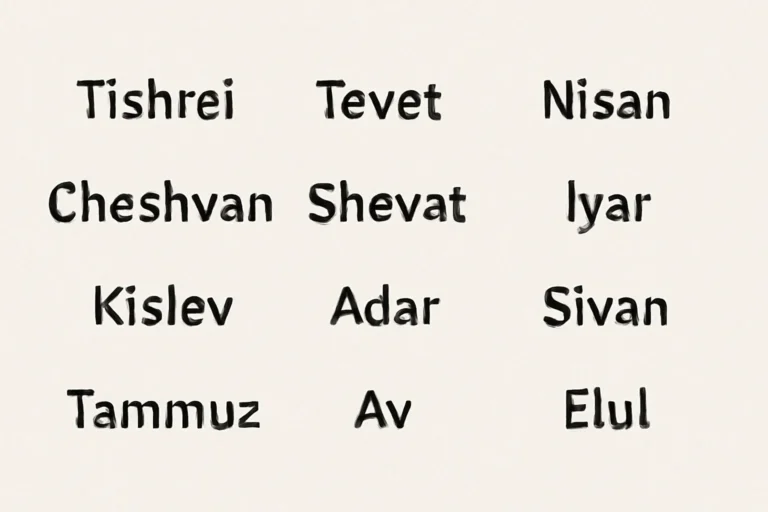
Tishrei: The month marking the civil New Year in the modern Jewish calendar, used for civic rather than liturgical timing.
In the biblical record, Nisan emerges as more than a mere label for a month. It encapsulates a complex mesh of agricultural cycles, redemptive memory, ritual observance, and historical evolution. The way Nisan meaning is described—sometimes as Aviv, sometimes as Nisan, sometimes tied to Passover—reflects a living tradition that adapted over time while preserving essential acts of worship and identity. For readers today, recognizing this flexibility is part of understanding the Bible’s calendar as a dynamic system that maps God’s acts in history onto the rhythms of the natural world. Whether you approach it from a liturgical lens, a historical lens, or a literary lens, the month of Nisan remains a window into a pivotal moment when time itself became a stage for faith, memory, and renewal.
To summarize, the Nisan meaning in the Bible encompasses:
The anchoring of Passover and the unleavened bread festival in the springtime.
The shift from the term Aviv to Nisan as calendar naming evolves in Jewish history.
The integration of agricultural signals with ritual life, especially through the ripening grain and the harvest cycle.
The continuity between biblical memory and modern practice in the way communities observe the season of liberation and covenant renewal.
As you study biblical texts that mention Nisan, you will notice a consistent emphasis on the convergence of time, memory, and ritual. This convergence defines the “meaning” of Nisan in a way that is both historical and devotional, inviting readers to engage with the biblical calendar not only as a series of dates but as a framework for understanding how ancient communities experienced God’s deliverance and sought to live in fidelity to covenant law.







Leave a Reply