Overview: Bible Story Book — Timeless Bible Tales for Readers of All Ages
A bible story book is more than a collection of narratives; it is a carefully chosen
selection of biblical narratives retold for accessibility, designed to introduce readers
to core characters, events, and themes found in sacred scripture. When we speak of timeless Bible tales, we refer to stories that have endured traditions, sermons, art, and
music for generations, offering insights into faith, courage, mercy, justice, and human
resilience. A well-crafted bible story book can serve multiple roles—an introduction for children, a
bridge for families, a teaching aid in classrooms, and a devotional companion for adults seeking
clarity and reflection.
Because there are many ways to present scripture in story form, the phrase bible story book
covers a spectrum—from simple picture books that summarize a single event to more elaborate volumes that
weave several narratives into thematic arcs. In this article, we explore the features, formats, and best
uses of these volumes, often referred to as biblical story collections, story Bibles,
or scriptural storybooks. The goal is to help readers discern what makes a given title suitable for their
needs and how to use it to foster understanding, curiosity, and faith.
Historical Roots and Evolution of the Bible Story Book
The idea of retelling sacred stories for broader audiences has a long history. Early Christian educators and
monastic communities translated, abridged, and adapted biblical events to make them memorable and teachable.
Over time, publishers produced illustrated editions and later, digital versions that preserve
the rhythm of storytelling while enhancing accessibility. A family or Sunday school may encounter a bible story book that emphasizes:
oral storytelling traditions from different cultures
moral and ethical lessons aligned with biblical values
historical and geographical context to deepen understanding
developmental considerations for various age groups
The modern market features a wide range of formats, from simple board books for toddlers to
multi-volume editions intended for devotional reading by teenagers and adults. Regardless of format, the core
aim remains consistent: to present biblical narratives in a way that encourages study, reflection, and
conversation.
Formats and Features of a Bible Story Book
Not all bible story books are created equal. Readers should pay attention to the way a book
presents its material, the depth of the retellings, and the supplementary resources that accompany the main
text.
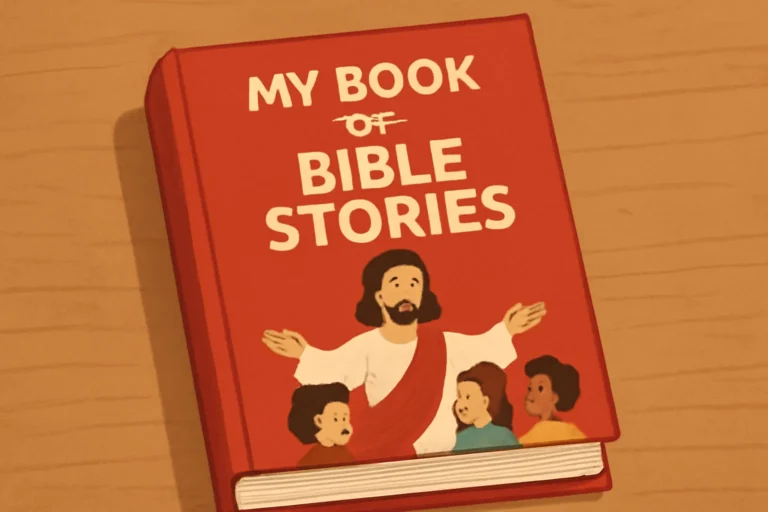
Many editions rely on colorful illustrations or evocative monochrome art to illuminate scenes. Artwork
can shape how readers visualize characters, settings, and miracles. In some instances, art is used to bridge
cultural differences in biblical scenes, presenting a more inclusive range of figures and settings.
Textual Approach
A bible story book may emphasize a direct retelling of scripture, or it may paraphrase and
condense passages to maintain narrative flow. Some volumes include captions, glosses, or sidebars that
explain terms, geography, or customs. Others present the text as a seamless story, leaving interpretation
to the reader with a contemplative or devotional prompt at the end.
Auxiliary Materials
Helpful editions often include discussion questions, memory-verses, and activity suggestions to reinforce comprehension. Some books also incorporate maps, timelines,
character profiles, and cross-references to other biblical passages. For teachers and parents, these tools can
transform reading time into a richer learning experience.
Audience and Age Groups: Adapting the Bible Story Book to Different Readers
The market features a spectrum of titles designed for specific ages, reading abilities, and family
contexts. While certain tales may be universal, the presentation should be tailored to match the cognitive and
moral development of the audience. A few illustrative categories include:
Infant and toddler readers: Short narratives, bold illustrations, and tactile elements that
introduce basic biblical characters and familiar scenes.
Preschool and early elementary readers: Simple plots, repeated refrains, and moral
themes such as kindness, sharing, and courage.
Middle-grade and upper elementary readers: More complex storylines, character
development, and opportunities for discussion about intention, consequences, and faith in action.
Middle and high school readers: Deeper exploration of theology, ethics, and intertextual links
to other parts of the Bible and to historical contexts.
Adult readers: Rich retellings, nuanced characterizations, and insights into spiritual
formation and pastoral application.
In selecting a title, consider the reader's age-appropriate content, sensitivity to imagery,
and the level of narrative complexity. A quality bible story book will respect the reader’s
capacity while offering meaningful pockets of reflection.
How to Choose a Bible Story Book: Practical Guidelines
Choosing the right bible story book involves balancing content, form, and goals. Here are some
practical considerations to guide selection:
Purpose: Is the book meant for family reading, classroom work, devotional study, or an
introductory overview of biblical narratives?
Age range: Verify that the language level, length, and themes are appropriate for the intended
reader(s).
Content scope: Does the collection cover a broad spectrum of stories (Creation, Flood, Exodus,
Life of Jesus, Letters) or focus on a specific theme?
Faith perspective: Some volumes are devotional and faith-affirming, while others lean toward
historical-literary retelling. Choose accordingly.
Illustration style: Artwork should complement the text and support comprehension without
overwhelming the narrative.
Supplementary resources: Look for study questions, memorization prompts, or teacher guides
that align with your goals.
Choosing for Families
For families, a bible story book can become a shared ritual. Look for editions that invite
dialogue, not just passive reading. Features such as discussion prompts or family
activity ideas can help foster conversations about values, empathy, and ethical decision-making.
Choosing for Classrooms or Sunday School
In educational settings, consider books that align with the curriculum’s goals—whether to reinforce
literacy, expand historical context, or illuminate character formation. A well-suited curriculum companion may
include teaching notes, alignment with learning standards, and age-appropriate assessment prompts.
Reading Strategies: How to Get the Most from a Bible Story Book
The way a reader engages with a bible story book matters as much as the content itself. Here are
effective strategies to maximize comprehension and retention:
Preview and predict: Skim the cover, title, and illustrations to anticipate what you will read.
Make predictions about the story goals and lessons.
Read aloud and listen: Reading aloud can improve understanding and foster shared
experience, especially in family settings.
Pause for reflection: After each story or chapter, discuss the key message and the actions of the
characters.
Connect to daily life: Ask how the themes relate to real-life situations, such as honesty,
generosity, or courage under pressure.
Memorize verses: Many titles include memory verses or key lines. Repetition helps
embedding scriptural concepts in memory.
Cross-reference: When possible, locate the original biblical passages referenced in the
retellings to see how the storytellers adapted the text.
Themes and Narratives: Exploring Core Bible Stories
A rich bible story book collection tends to curate narratives around enduring themes. Some common
clusters include:
Creation and stewardship: Stories of creation, responsibility, and care for the world.
Faith and obedience: Figures who trust God, respond to divine callings, and persevere in
challenging circumstances.
Deliverance and covenant: Exodus, rescue, and the formation of covenants that structure
identity and community.
Wisdom and moral instruction: Proverbs, parables, and practical wisdom for living with
integrity.
Jesus’ life and ministry: Narratives about compassion, teaching, miracles, and the
inauguration of a new era in biblical history.
Readers will notice that many volumes are curated to highlight moral lessons and ethical
decision-making, while others emphasize historical context or spiritual development. Some editions blend
several literary forms—parables, poetry, and narrative prose—to create a dynamic reading experience.
Illustration and representation matter in shaping perception. A thoughtful bible story book may
make an effort to reflect diverse cultures, languages, and artistic traditions. This approach helps readers see
biblical stories through multiple lenses and fosters a broader sense of inclusion.
It is also important to consider sensitivity to imagery. Some scenes, especially those involving hardship or
conflict, can be intense. A well-designed edition will offer parent guides or content warnings when appropriate,
and provide alternative entry points for younger readers who may benefit from gentler retellings.
Modern publishers expand the reach of a bible story book through digital formats, audio
narration, and accessible typography. These options include:
eBooks and apps with adjustable text size and read-aloud features
Audiobooks that allow readers to experience storytelling with expressive narration
Large-print editions for readers with visual impairments
Translations and bilingual editions to serve multilingual households and classrooms
For educators and caregivers, choosing formats that align with accessibility needs ensures that the
educational and spiritual goals are reachable by everyone in a given setting.
A bible story book can function as a bridge between storytelling and spiritual practice. Many readers
and communities use these volumes as:
Devotional companions for daily or weekly reflection
Family study guides that organize discussion around a shared theme, prayer, and action
Curricular resources in religious education, combining literacy with theological learning
Public reading programs aimed at encouraging intergenerational dialogue about values and faith
When selecting a title for devotional use, consider whether the content invites honest questions, honors
diverse beliefs within a family or community, and provides space for ritual or prayer without overwhelming
readers with doctrinal weight.
Several misconceptions persist about story-focused Bible editions. Understanding the reality behind these myths
can help readers choose more thoughtfully:
Myth: All Bible story books sanitize the Bible. Reality: Reputable editions preserve
the core messages while presenting the material in age-appropriate language and with sensitivity to
context.
Myth: They replace Scripture. Reality: They are often designed to accompany
Bible reading, offering retellings that lead readers back to the source text for deeper study.
Myth: They are only for children. Reality: There are many volumes that adults read for
devotion, study, or reflective reading, and these can enrich intergenerational conversations.
Engaging with biblical narratives through a storybook requires sensitivity to the sacred nature of the source
material. Consider the following principles:
Respectful retelling: Preserve the essence of the stories while offering language accessible to the
reader's age and background.
Source awareness: When possible, accompany retellings with direct references to the biblical
text and notes about translation choices.
Contextual learning: Provide historical and cultural context to avoid an overly literal or anachronistic
interpretation of ancient customs.
Ethical reflection: Encourage readers to consider how the stories speak to modern moral questions
while avoiding doctrinal imposition.
The creation and dissemination of a bible story book involve collaboration among editors, authors,
illustrators, and educators. Best practices include:
Ensuring accuracy and responsible representation of biblical material
Providing helpful notes and teacher guides that support learning objectives
Creating age-appropriate content that respects reader maturity
Including diverse voices among contributors to broaden perspective and accessibility
The field continues to evolve as authors and publishers experiment with storytelling formats, multimedia
integration, and cross-cultural storytelling. Notable trends include:
Interactivity through augmented reality or companion apps that enrich the reading
experience with interactive maps, timelines, and character profiles
Podcast-style retellings that offer audio storytelling with expressive narration for on-the-go
listening
Graphic novel approaches that fuse visual storytelling with biblical narratives for broader appeal
Ecumenical and interfaith perspectives that respect different faith traditions while presenting
shared moral themes
Whether you are choosing a bible story book for a family library, a classroom, or personal
study, these practical tips can help maximize impact:
Start with a few well-suited titles and gradually expand to more complex editions as readers grow
Pair storybook reading with direct scripture study to reinforce connection with the original text
Use the book’s questions and prompts to spark conversation about character, choices, and consequences
Incorporate related activities—arts, drama, or service projects—that translate stories into action
Rotate formats to maintain engagement: print, digital, audio, and hands-on exploration
A well-conceived bible story book can contribute to both intellectual growth and spiritual formation.
It helps readers build:
Literacy skills: Narratives introduce plot structure, character development, and theme analysis
Critical thinking: Readers evaluate motives, outcomes, and ethical implications
Empathy and social awareness: Stories from diverse contexts cultivate compassion and understanding
Faith literacy: Exposure to sacred stories fosters familiarity with biblical language, concepts, and rituals
Although the primary audience for many classic bible story books has been children, the value of
these volumes extends beyond age. Adults often appreciate the condensed narratives as primer material for
reflection, sermon preparation, or devotional reading. In families, multiple generations can enjoy a shared
experience where younger readers learn from elders and elders draw fresh insight from youthful curiosity.
The notion of timeless Bible tales endures because these stories illuminate universal aspects of the human
experience: courage in adversity, fidelity in the face of uncertainty, generosity toward others, and the search for
meaning beyond daily routines. A bible story book—when chosen with care and used thoughtfully—offers
a bridge between ancient wisdom and contemporary life. It invites readers to explore not only what happened in the
past but what those events mean today.
In exploring the world of bible story books, readers encounter a diverse landscape of retellings,
interpretive guides, and creative expressions. Whether you seek a biblical story collection for family
time, a classroom resource, or a devotional companion for personal growth, the right edition can enrich
understanding and illuminate faith in a practical, compassionate, and thoughtful way. The best story Bibles acknowledge the sacred trust of the source material while offering accessible entry
points for readers across generations. By combining careful editorial choices, vivid illustration, and thoughtful
pedagogical support, these volumes keep the flame of ancient narratives alive—ensuring that the timeless Bible tales
continue to speak with clarity to readers of all ages.








Leave a Reply