Introduction: Why the Bible Speaks Often About Baptism
Baptism is one of the most foundational rituals connected to the Christian faith. Across the pages of Scripture, it appears as a public act that signals inward transformation—repentance, faith in Christ, and welcome into the people of God. This article surveys biblical verses about baptism and their meanings, offering a broad view that spans Jesus’ own baptism, the teaching of the apostles, and the ongoing practice of the church. The aim is not merely to quote lines but to illuminate how these verses work together to describe what baptism signifies: cleansing, new life, and belonging to God through faith.
While the specific wording and ritual details differ among traditions, the core themes in Scripture consistently point to faith in Christ, repentance, and a decisive step into the community of believers. In the pages that follow, you will find a careful unpacking of verses from the Gospels, the Acts of the Apostles, and the Epistles—each offering a piece of the wider biblical message about baptism.
What is baptism? Core meanings in Scripture
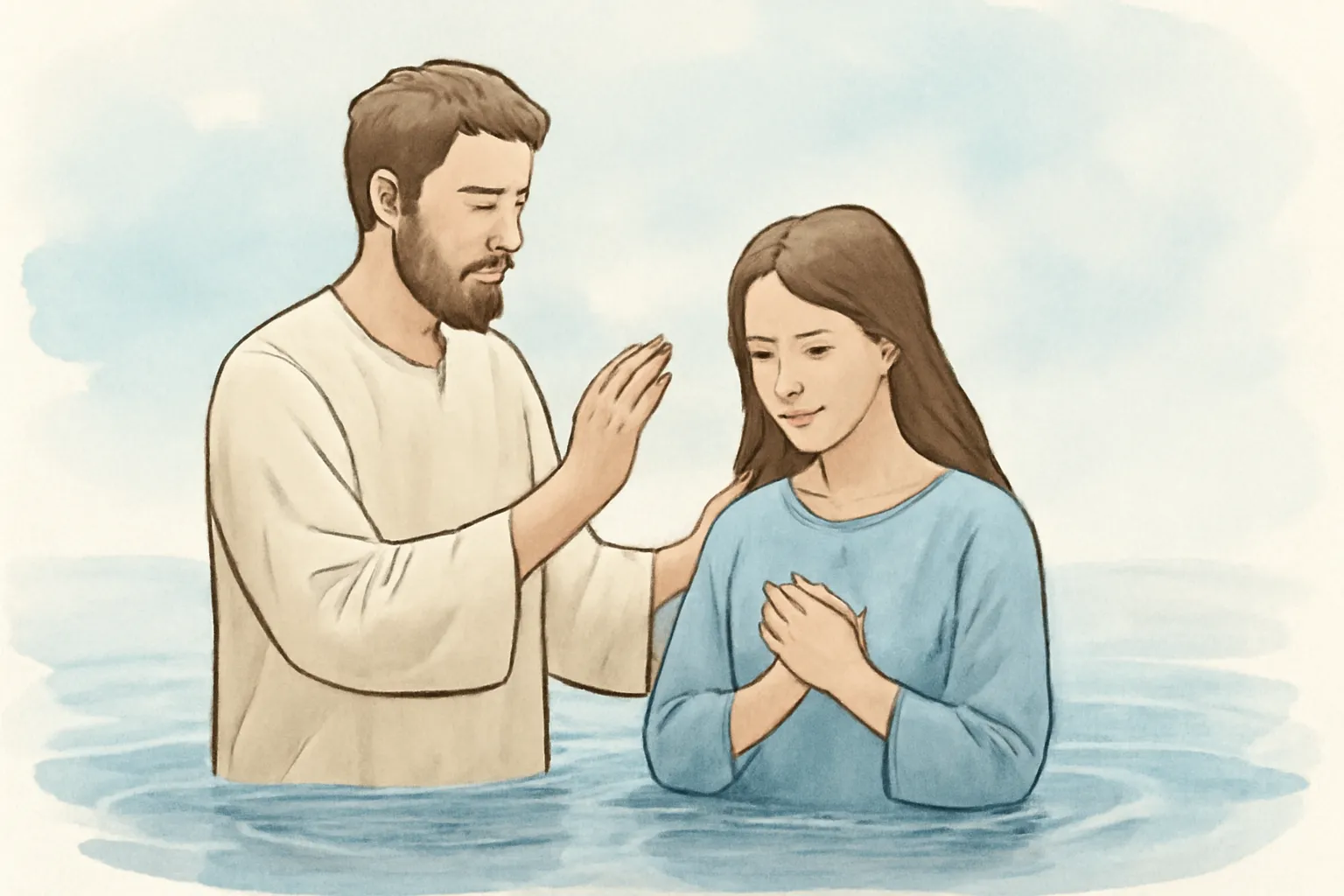
The term baptism (from the Greek word baptizo) carries the sense of immersion, cleansing, and identification. In biblical language, baptism is often described using imagery of death and resurrection, washing with water, and being united with Christ’s body. This fusion of symbolic acts communicates several interlocking truths:
Repentance and Faith: Baptism follows turning away from sin and entrusting one’s life to Jesus (see Acts 2:38; Mark 1:4).
Cleansing: Water imagery represents cleansing from sin and a new relationship with God (see Leviticus-type washings echoed in New Testament teaching).
Identification with Christ: Baptism pictures union with Christ’s death, burial, and resurrection (Romans 6:3-4; Colossians 2:12).
Inclusion into the Church: Through baptism, believers are formed into one body—the community of Jesus’ followers (1 Corinthians 12:13; Ephesians 4:4-6).
Across these facets, the biblical portrayal of baptism emphasizes not merely a rite but a life-changing declaration: one’s allegiance to Christ and entry into his people. The verses gathered below illustrate how these ideas unfold in different biblical genres—narrative, teaching, and exhortation.
Key Verses About Baptism Across the Bible
New Testament Foundations: Jesus and the Mission
Matthew 3:13-17 — Jesus is baptized by John, and a voice from heaven proclaims him as God’s beloved Son. This event sets baptism within the Trinitarian framework of God’s work in history and marks Jesus’ public identification with humanity. Paraphrase: Jesus submits to baptism to begin his ministry, and the Father’s affirmation confirms the divine Sonship and mission.
Matthew 28:19-20 — The Great Commission commissions disciples to baptize “in the name of the Father, and of the Son, and of the Holy Spirit” while teaching obeying Jesus’ commands. Paraphrase: Baptism is part of making disciples and signaling allegiance to the triune God.
Mark 1:4-11 — John baptizes with water; Jesus’ baptism inaugurates his public ministry, and the Spirit descends like a dove as a divine endorsement. Paraphrase: Baptism is the gateway into Jesus’ redemptive work and mission.
Faith, Repentance, and Baptism in Acts
Acts 2:38 — “Repent and be baptized for the forgiveness of sins, and you will receive the gift of the Holy Spirit.” Paraphrase: Baptism is linked to turning from sin, trusting Christ, and receiving the Spirit’s presence.
Acts 8:12-13 — As the Samaritans respond to the gospel, they believe and are baptized; even Simon the magician is drawn into the pattern though with caveats. Paraphrase: Belief precedes baptism; baptism confirms public reception into the church.
Acts 8:36-39 — The Ethiopian official requests baptism after hearing Scripture, and the act follows his faith; the Spirit’s unique intervention accompanies the moment. Paraphrase: Baptism accompanies faith and is not merely a ceremonial form.
Acts 16:30-33 — The jailer asks, “What must I do to be saved?” and the answer includes believing in Jesus and being baptized, with immediate obedience demonstrated in the household’s baptism. Paraphrase: Baptism is closely tied to the gospel response and household inclusion.
Death to Sin and New Life: Paul's Teaching on Baptism
Romans 6:3-4 — Believers are “buried with him through baptism into death” so that, just as Christ was raised, we may walk in newness of life. Paraphrase: Baptism symbolizes death to the old self and a resurrected life in Christ.
Colossians 2:12 — We are buried with Christ in baptism and raised with him through faith, trusting in the mighty working of God. Paraphrase: Baptism is a faith-filled participation in Christ’s death and resurrection.
Galatians 3:27 — “For all of you who were baptized into Christ have clothed yourselves with Christ.” Paraphrase: Baptism identifies believers with Christ’s person and this new identity shapes life.
Proclamation, Community, and the One Spirit
1 Corinthians 12:13 — “We were all baptized by one Spirit so as to form one body.” Paraphrase: Baptism marks entry into a shared life within the Spirit-filled church.
Ephesians 4:5 — “One baptism” in the context of one Lord and one faith. Paraphrase: Baptism represents unity within the diverse body of Christ.
1 Peter 3:21 — Baptism now saves you, not as a removal of dirt but as a pledge of a clear conscience toward God. Paraphrase: The outward act points to inward trust and the mercy of God.
Additional Theological Threads
John 3:5 — Jesus says, “born of water and the Spirit,” linking water baptism with spiritual renewal. Paraphrase: Baptism is connected to spiritual rebirth through the Spirit.
1 Timothy 3:16 (brief mention in some discussions) — Christ’s public ministry includes baptismal identity in the broader framework of salvation history. Paraphrase: Baptism sits within the larger narrative of Jesus’ work.
These verses together sketch a pattern: baptism is a public, faith-based act that follows repentance, unites believers into the body of Christ, and symbolically participates in Jesus’ death and resurrection. The exact wording and practice may vary, but the underlying call to respond to the gospel with faith and obedience remains central.
Old Testament Echoes: Cleansing, Purity, and Expectation
While the term baptism as a Christian rite is a New Testament development, Scripture contains strong images of cleansing, washing, and spiritual purification that foreshadow the baptismal pattern. These passages help explain why baptism has such deep resonance for New Testament writers.
Leviticus 16:30 speaks of cleansing in the Day of Atonement and the broader call to purification before approaching God. Paraphrase: Cleansing rituals anticipate a deeper spiritual purification that Christ will accomplish.
Isaiah 1:16 calls God’s people to wash themselves and make themselves clean—an imagery of moral and spiritual renewal. Paraphrase: Purity language resonates with baptism’s cleansing symbolism.
Isaiah 44:3-4 prophesies God pouring out water and blessing, hinting at a future fullness of Spirit and life. Paraphrase: The Spirit and cleansing flow into God’s people in ways later fulfilled in the church.
The New Testament writers often saw these scriptures as presaging the fuller reality of Christian baptism—an action that publicly avows faith and locates believers within the new covenant community.
Understanding the biblical portrait of baptism helps believers approach the sacrament with both reverence and expectation. While the mode and timing can differ among Christian traditions, several practical truths emerge from the biblical material:
Preparation matters: Scripture consistently links baptism to faith and repentance. Before baptism, many communities emphasize catechesis, personal testimony, and an informed understanding of the gospel.
Public profession: Baptism is rarely a private ceremony. It is typically performed in a gathered community because it announces allegiance to Christ and solidarity with his people.
Christ-centered identity: Each baptism narrative or teaching centers on being clothed with Christ, dying to the old life, and rising to new life in him (see Galatians 3:27; Romans 6:4).
Holiness and hope: Baptism points to ongoing growth in holiness and hope in the Spirit’s work, not merely a one-time event. It is the starting point of a lifelong journey with Jesus.
For families and churches, this means baptism should be accompanied by teaching, pastoral guidance, and integration into a local congregation where believers can be discipled, served, and supported in living out the gospel.
Common Questions About Baptism
Does baptism save a person?
The scriptural pattern links baptism with saving faith and the mercy of God. In 1 Peter 3:21, baptism is described as a pledge of a clear conscience toward God and a space in which God acts. The emphasis is on faith and union with Christ rather than on water as a magical key. Paraphrase: Baptism initiates a saving relationship as God works through faith.
Should infants be baptized?
Views on infant baptism vary. Some traditions emphasize household/family baptism and the nurture of the child in the faith community; others advocate believer’s baptism after personal profession of faith. The biblical data emphasize believer’s faith as a prerequisite in most explicit examples (e.g., Acts 2:38, 8:12-13, 16:30-33), but different churches interpret the pattern through their theological frameworks.
Is immersion required?
The New Testament imagery of baptism in Romans 6 uses language of burial and rising, which many scholars and traditions connect to immersion. Others practice pouring or sprinkling by tradition and interpret the essential meaning as the act of washing and identification with Christ, not the exact technique. The core concern remains the spiritual reality behind the ritual: cleansing, faith, and belonging to Jesus.
What is the role of the Holy Spirit in baptism?
Baptism and the Spirit are closely linked in Scripture. Some passages emphasize the Spirit’s role in convicting, regenerating, and uniting believers; baptism often accompanies the Spirit’s work or is followed by the Spirit’s gift in the life of the believer (see Acts 2:38; 1 Corinthians 12:13). Paraphrase: Baptism and the Spirit together initiate and empower the Christian life.
Across biblical verses about baptism, a coherent picture emerges: baptism is a meaningful response to the gospel—an outward sign of inward faith, a personal admission of sin and the need for cleansing, and a communal entry into the life of God’s people. From the baptism of Jesus to the apostolic exhortations and the church’s practice in Acts and the Epistles, baptism is not merely a ritual; it is a declaration that God’s grace has opened a way for people to participate in the life, death, and resurrection of Christ.
As you study the verses in context, consider how each passage adds depth to the others. Jesus’ baptism confirms his identity and mission; the Great Commission calls believers to a life of discipleship that includes baptism; and Paul and Peter teach that baptism is the novice’s entry into a new life marked by faith, hope, and love. The message remains clear: to be baptized is to join with Christ and his people, to live in the power of the Spirit, and to embark on a lifelong journey of following Jesus.







Leave a Reply