Introduction: Biblical References to Food and Their Significance
Food in the Bible is more than sustenance; it is a theological language that speaks about creation, covenant, worship, justice, and eschatology.
From the first meals in the Garden of Eden to the heavenly banquet in the apocalyptic visions, meals and morsels carry meaning that helps readers understand humanity’s relationship with God, with each other, and with the world God has made.
This article surveys meaning, symbolism, and dietary laws in Scripture, tracing how food appears in narrative, law, poetry, prophecy, and fulfilled prophecy in the life of Jesus and the early church.
Foundational Narratives: Creation, Eden, and the First Feasts
The biblical account of food begins in Genesis, where plants and trees provide the baseline for human life and blessed community.
Tree of life and garden provision: In the opening chapters, God places Adam and Eve in a garden where every tree yielding fruit is for food (Genesis 2). The divine provision is generous, signaling God’s intention for humans to live within a thriving creation.
Food as invitation and boundary: The responsibility to eat from the garden is balanced by a boundary—the command not to eat from the tree of the knowledge of good and evil. The moment of disobedience centers on desire for food apart from God’s instruction, highlighting how appetite can become a path away from trust in the Creator.
Post‑fall hunger and hope: After the fall, food remains central to human life and to the narrative of God’s redemptive plan, preparing readers for the stories of scarcity, abundance, blessing, and covenantal meals that appear throughout the biblical story.
In addition to Genesis, the broader biblical arc uses food imagery to convey trust in God’s provision, wisdom, and fellowship, foreshadowing the deeper nourishment that God intends for his people.
Manna, Quail, and the Wilderness: God’s Provision in the Desert
When the Israelites wander in the wilderness, God’s care is expressed through two primary food wonders: manna from heaven and quail.
Manna as daily bread: The provision of manna teaches the people to depend on God each day, with a rhythm of daily trust and obedience. Manna is described in terms that resemble bread, often called bread from heaven, and it sustains the people during their long journey.
Quail as supplemental meat: In moments when the people grumble for meat, God provides quail, illustrating both God’s generosity and the danger of a hardened heart in the face of grace.
Lessons about Sabbath and stewardship: The systems around manna (collecting, resting on the Sabbath) teach a holistic approach to work, rest, and dependence, aligning daily provisions with sacred rhythms.
The wilderness narrative uses food to articulate God’s faithfulness, the covenantal relationship with Israel, and the ethical implications of trust, obedience, and gratitude in provisions big and small.
Dietary Laws: Clean and Unclean, Kosher Distinctions, and the Purpose Behind Them
The Pentateuch devotes extensive attention to questions of clean and unclean foods, outlining categories of animals, birds, and sea creatures that the people may or may not eat. These laws are not arbitrary rules; they are embedded in a broader theological and ethical vision.
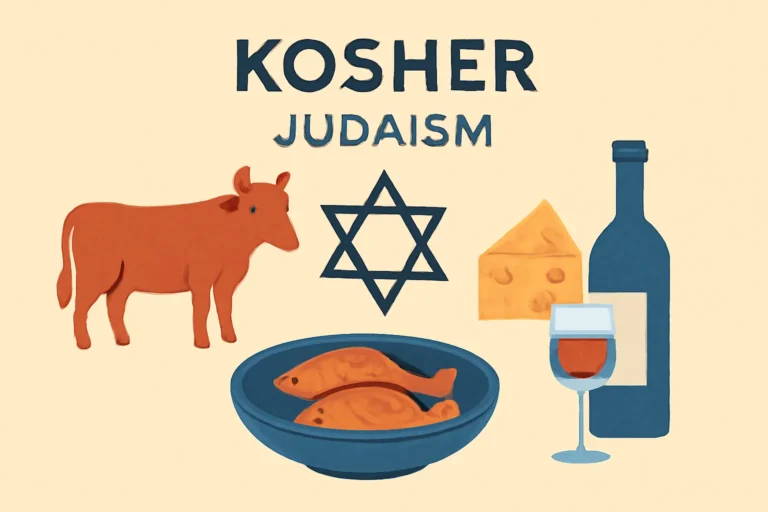
Leviticus 11 and Deuteronomy 14 set forth the criteria for land animals, sea life, and birds that are ceremonially acceptable, including distinctions such as cloven hooves and chewing cud for land animals.
Blood prohibition: A foundational command states that “the life is in the blood” and thus blood is not to be eaten, with implications for ritual sacrifice, worship, and health ethics.
Food as holiness and identity: The dietary laws function in part to distinguish the people of Israel from surrounding nations, shaping a distinctive identity anchored in obedience to God.
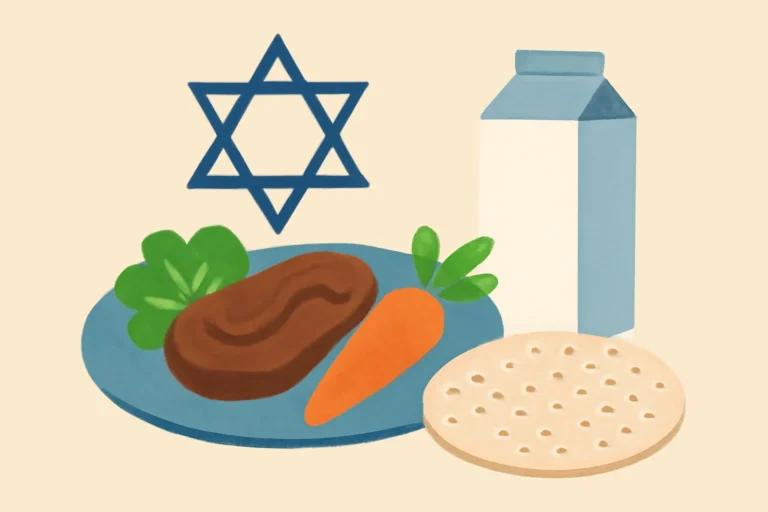
Separation of meat and dairy: The injunction against boiling a kid in its mother’s milk (appearing in multiple places, including Exodus and Deuteronomy) has shaped a distinctive ethical and ceremonial stance about the separation of categories that matter in daily life.
The dietary laws illuminate a broader counsel: ritual purity, communal health, and spiritual orientation. They invite readers to consider how everyday meals can be occasions for worship, gratitude, and ethical reflection.
Symbols of Food in Worship: Bread, Wine, and Oil
Across biblical worship, certain foods rise as central symbols—not merely as nourishment but as tangible signs of divine presence, blessing, and covenant.
Bread functions as a primary symbol of life, provision, and covenant presence. The bread of the presence or showbread in the tabernacle, and later the ritual arrangements around bread in temple worship, emphasize communal participation in God’s sustenance.
Wine represents joy, blessing, and covenantal solidarity. In sacramental practice, wine is linked with the blood of the covenant, especially in Passover and the Last Supper, signaling a shared life and a new relationship with God through the Messiah.
Oil stands for consecration, healing, and anointing—an essential dimension of Israelite worship, priestly vocation, and prophetic empowerment.
When the prophets speak, these foods become expressive metaphors for spiritual realities: bread of life, living water, and the oil of gladness are recurring motifs that anchor divine presence in daily life.
The festal calendar also uses foods to signal seasons of worship, gratitude, and remembrance, such as Passover’s unleavened bread and the festival offerings that accompany pilgrimage to the sanctuary.
Bread of Life: Jesus and Food
In the New Testament, Jesus repeatedly turns ordinary foods into occasions for revelation, teaching, and salvation. Food becomes a lens through which the Kingdom of God is proclaimed.
Temptation and dependence: In the wilderness, Jesus answers temptation with the declaration that “man shall not live by bread alone, but by every word that proceeds from the mouth of God” (a Deuteronomy 8:3 echo). This highlights the supremacy of divine provision over mere physical hunger.
Bread as life and faith: In the Gospel of John, Jesus proclaims “I am the bread of life”, tying nourishment to faith, revelation, and eternal life (John 6). He explains that true sustenance comes from accepting him as the one who gives life to the world.
Loaves and fishes; the miraculous feedings: The feeding of the five thousand and the seven thousand offer more than miracle stories; they illustrate communal sharing, the sufficiency of God’s abundance, and the anticipation of the messianic banquet.
The Last Supper and the New Covenant: Jesus shares bread and wine with his disciples, instituting the ordinances that anchor Christian worship: the bread as his body and the cup as his blood, poured out for many for the forgiveness of sins (Matthew 26:26-28; Mark 14:22-24; Luke 22:19-20; 1 Corinthians 11:23-26).
The Gospel narratives deepen readers’ understanding of how Jesus embodies true nourishment—not only for the body but for the soul—culminating in the eschatological expectation of the marriage supper of the Lamb.
Feasts, Covenant Meals, and Festivals: Food as Covenant Sign
Biblical feasts and sacred meals function as tangible signs of God’s activity in history, inviting communal memory, gratitude, and hope for future fulfillment.
Passover and Unleavened Bread: Passover marks deliverance from slavery and the quick departure of the Israelites from Egypt. The accompanying unleavened bread emphasizes urgency, purity, and obedience to God’s instruction during the exodus.
Tabernacles and celebrations of harvest: The Feast of Weeks (Pentecost) and Feast of Tabernacles (Sukkot) center around agricultural cycles, temple worship, and the people’s trust in God for daily bread and seasonal abundance.
The narratives and laws regarding these feasts show that food is a living memory of God’s saving acts and an invitation to ongoing fidelity, hospitality, and justice.
The New Testament reinterprets these meals as expectations and inaugurations of the Kingdom. The Great Banquet parable (Luke 14:15-24) and the marriage supper of the Lamb (Revelation 19:9) crystallize the sense that the ultimate feast is God’s gracious invitation to all peoples.
Fasting, Hunger, and Spiritual Discipline
Fasting is a practice that engages the body to awaken the soul, refine motives, and seek God’s guidance. Scripture presents fasting as a powerful spiritual discipline when rightly oriented toward holiness and compassion.
Prophetic and prophetic-justice contexts: The prophets call the people to fast in a way that manifests justice—loosing the chains of oppression, feeding the hungry, and caring for the vulnerable.
Jesus and the discipline of fasting: Jesus himself fasts in the wilderness, modeling submission to the Spirit’s guidance rather than mere ritual performance.
Fasting with thanksgiving and reverence: Scriptural teachings encourage fasting as a posture of humility, dependency on God, and a recalibration of priorities toward righteousness.
Passages such as Isaiah 58 connect fasting to social justice—true fasting is not only abstaining from food but pursuing freedom, repair, and care for the afflicted.
Gleaning, Justice, and Foodways: How Food Shapes Social Ethics
The biblical law and narrative repeatedly foreground ethical duties around food—not only what is eaten but how it is obtained, who benefits, and how the vulnerable are treated.
Gleaning and provision for the poor: Laws in Leviticus and Deuteronomy require landowners to leave gleanings for the poor and the foreigner. Ruth’s story highlights a faithful gleaning that leads to kinship and redemption.
Hospitality and shared meals: Food in biblical hospitality—especially in Abrahamic encounters and in Christian fellowship—serves as a bridge for welcoming strangers and cultivating communal harmony.
Food equality as justice: The prophetic voice calls for a God-centered economy where hunger is addressed, and wealth is directed toward the flourishing of the community as a whole.
The prophets insist that eating together rightly is a marker of righteousness, and misusing or withholding food from the needy is a failure of covenant faithfulness.
Dietary Wisdom and Practical Applications for Modern Readers
While ancient dietary laws function within their historical context, their enduring lessons remain for contemporary readers who seek to honor God with their meals.
Gratitude and mindfulness: Recognize God as the source of provision, giving thanks for daily bread and the abundance that sustains life.
Ethical stewardship: Consider how food is produced, distributed, and shared; pursue justice for workers, care for creation, and fair access to nourishment.
Hospitality as discipleship: Use meals as opportunities to welcome neighbors, build community, and witness to God’s grace.
Symbolic literacy: Learn to read the signs of bread, wine, oil, and honey as pointers to deeper spiritual realities—sustenance, covenant, healing, and joy.
The biblical approach to food invites a holistic life, where eating, worship, social justice, and spiritual formation are all interwoven.
Prophetic and Eschatological Food Imagery
Across the prophetic books and the New Testament, food imagery intensifies as a compelling sign of God’s future.
Peaceful abundance: Images of “milk and honey” describe the promised land and the restored creation where abundance is shared and all needs are met.
End-time feasting: The wedding feast and the heavenly banquet symbolize communal joy, justice, and divine presence—where sorrow and hunger are no longer experienced.
Healing and restoration through nourishment: Food becomes a conduit for healing, reconciliation, and the renewal of creation, echoing the overarching narrative of redemption.
Passages like Isaiah 25:6–8 and Revelation 19:9 look toward a future in which the Lord’s provision is perfect, the sustenance of life is abundant, and the table becomes a sign of universal peace.
Historical Examples of Dietary Practices and Their Theological Meanings
Throughout Scripture, several specific dietary practices illustrate deeper theological points about dependence, identity, and virtue.
Daniel’s vegetable diet: In Daniel 1, the choice to eat vegetables rather than the royal food becomes a statement about fidelity to God and the integrity of worship, even under pressure.
Jonah’s absence of food, repentance, and revival: Food serves as a backdrop in stories of repentance and divine mercy—illustrating how hunger and satisfaction are linked to spiritual turning.
Food and forgiveness: The Lord’s table in Christian practice embodies forgiveness, grace, and rescue—food shapes the community’s identity as forgiven people.
These examples show that dietary choices and food-related rituals can function as instruments for spiritual formation and communal fidelity.
Conclusion: Food as Covenant, Worship, and Hope
Across the full spectrum of biblical literature, food stands as a vital sign of life, covenant, and divine presence. From the garden’s abundance to the bread of life in Christ, meals shape human perception of God, neighbor, and the world to come.
When readers notice how meals appear in stories, laws, poems, and prophecies, they encounter a cohesive message: God sustains, invites, judges, and heals through the ordinary act of eating. The biblical diet—whether governed by ancient laws, tempered by grace in the gospel, or envisioned in prophetic feast days—invites believers to cultivate gratitude, justice, mercy, and hospitality.
By paying attention to food-related language, symbols, and practices, readers gain a richer understanding of how faith informs daily life and how daily life expands into hope for the coming kingdom where thirst, hunger, and division are forever done away.





Leave a Reply