9 Holy Fruits: Meanings, Benefits, and Sacred Uses
9 Holy Fruits: Meanings, Benefits, and Sacred Uses
Across cultures and faiths, fruits have long carried meanings that go beyond taste and nutrition. They appear in myths, ceremonies, and daily practices as symbols of fertility, abundance, wisdom, and divine favor. In this expansive guide, we explore nine sacred fruits—often described as holy in various traditions—through a lens of meanings, tangible health benefits, and sacred uses. By tracing their roles in different spiritual contexts, we gain a richer understanding of how people have honored fruit as a bridge between the earthly and the divine. This article presents nine venerable fruits in a structured format: meanings and symbolism, practical health advantages, and sacred applications. We will use variations on the phrase “holy fruits” to widen the semantic field and to honor their diverse reputations in world traditions.
The pomegranate has long stood as a potent emblem of life, fertility, and rebirth. Its many seeds evoke the idea of a people or a lineage multiplied, and its red flesh is often associated with vitality and bloodline continuity. In ancient mythologies, the fruit frequently appears as a symbol of eternal life and the cycles of nature. In the Jewish tradition, the pomegranate is a recurring motif in art and liturgy, symbolizing righteousness and the abundant mitzvot (good deeds) of the righteous. In Persian and Armenian cultures, the fruit is tied to Nowruz celebrations and harvest gratitude, reinforcing its identity as a fruit of prosperity and renewal. In Christian art, the pomegranate often decorates churches to remind believers of resurrection and the fullness of life in Christ. Across these contexts, the pomegranate becomes a living metaphor for a thriving community, a sacred seedbed for future generations, and the spice of divine generosity.
Health benefits
Antioxidants and polyphenols help combat cellular damage and support cardiovascular health.
Rich in vitamin C, potassium, and fiber, which aid digestion and immune function.
Potential anti-inflammatory properties that may support joint and metabolic health.
Sacred uses and ritual significance
In ritual contexts, the pomegranate’s bright arils are used as offerings and as decorative motifs in sacred spaces. In Jewish liturgy, it is associated with the commandments and the hope for a fruitful year. In some Christian traditions, the fruit is displayed in iconography and seasonal decorations during harvest festivals as a reminder of divine bounty. In Persian and Armenian ceremonies, the fruit features in harvest rites and tableaus that celebrate life’s abundance. Some communities also use pomegranate juice in blessing rituals to symbolize rejuvenation and communal strength. As a “fruit of life” in multiple spiritual languages, the pomegranate remains one of the most persistent emblematic fruits in sacred art and ritual practice.
Olive
Meanings and symbolism
The olive and its oil carry enduring meanings of peace, wisdom, and blessing. In ancient Mediterranean civilizations, the olive branch signaled truce and harmony. In Judaism, the olive tree is linked to the land of Israel and to sanctity through its role in temple rites and the lighting of the menorah; the oil is a symbol of consecration and divine presence. In Christian theology, olive oil is central to sacraments of healing and anointing, and it is used in liturgical rituals to signify through anointing the blessing of the Holy Spirit. In Islam, olive oil is valued for its purity and healthful properties and is mentioned as a blessed and wholesome nourishment. Across these faiths, the olive represents a bridge between earthly soil and heavenly favor, a living reminder that generosity and mercy can radiate outward like light from a lamp.
Health benefits
Monounsaturated fats support heart health and cholesterol balance.
Antioxidants such as oleuropein and polyphenols help reduce oxidative stress.
Vitamin E and other micronutrients contribute to skin health and immune function.
Sacred uses and ritual significance
Olive oil has a long ceremonial life. In Judaism and Christianity, it is used for anointing—marking persons and spaces with a sign of blessing and spiritual healing. The lamp oil derived from olives has historically illuminated temples and homes, symbolizing wisdom, guidance, and divine favor. In Mediterranean and Near Eastern rituals, the oil serves in blessing prayers, in offerings, and in rites of passage that seek to invoke peace and divine presence. The olive tree itself—long-lived and resilient—has become a symbol of endurance and wisdom, a living metaphor for communities that persevere through hardship with grace and solidarity.
Grape
Meanings and symbolism
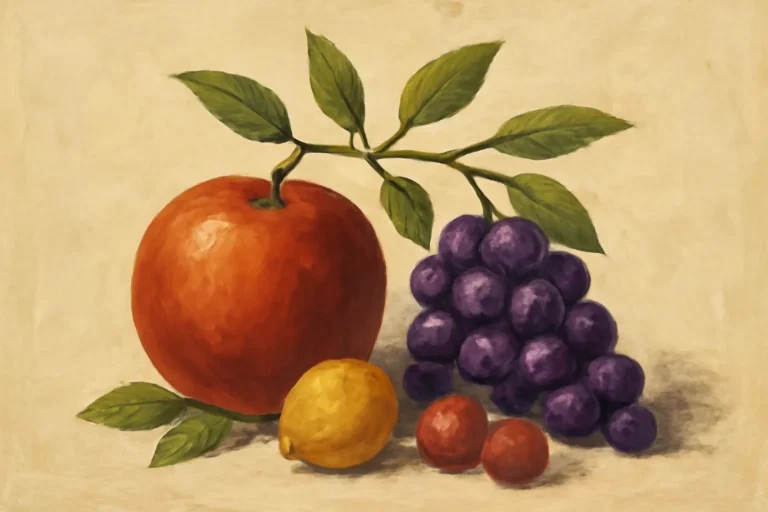
Grapes and their juice or wine carry deep symbolic weight in many living religious traditions. Grapes symbolize abundance, prosperity, and communal joy. In ancient civilizations, the grapevine was a sign of fertility and the cycles of the agrarian year. In Christian liturgy, wine represents the blood of Christ in the sacrament of the Eucharist, making the grape a direct instrument of spiritual communion. In ancient Dionysian cults and other Greco-Roman ceremonies, wine signified liberation, celebration, and divine ecstasy. The grape’s ability to be pressed into juice or wine also makes it a powerful emblem of transformation—the alchemy of fermentation mirrors spiritual renewal in many narratives.
Health benefits
Polyphenols and resveratrol support cardiovascular health and inflammation control.
Hydration and antioxidants in grapes contribute to skin and overall vitality.
Dietary fiber and natural sugars provide quick energy plus lasting fullness.
Sacred uses and ritual significance
Wine and grape products appear in rites and feasts across cultures. In Christian liturgy, the wine is a consecrated symbol of the sacramental presence. In ancient temple rituals, grape offerings and effusive rituals celebrated agricultural abundance and answered prayers for fruitful harvests. The grapevine’s dependence on seasonal cycles also frames its use in agricultural ceremonies, thanksgiving rituals, and seasonal festivals. In Jewish practice, grape products are used with blessings during holiday meals and celebratory occasions, reinforcing themes of togetherness, sustenance, and gratitude for divine provision. The ubiquitous associations of the grape with celebration and sacred meals give it a lasting place among the nine revered fruits.
Fig
Meanings and symbolism
The fig fruit and its leaves have long carried symbolic weight in sacred narratives. In many traditions, the fig tree is linked to knowledge, protection, and the interplay between vulnerability and trust. In the Hebrew Bible, fig leaves appear in the story of Adam and Eve, signaling awareness and moral choice. In the Qur’an, the fig is part of a sacred oath in Surah At-Tin, situating the fruit within a framework of divine testimony and contemplation. The Bodhi tree, a sacred Ficus religiosa, anchors the Buddhist tradition by representing enlightenment as a fruit of steadfast practice and awareness. Across cultures, the fig connects human cultivation with divine order, a reminder that nourishment and wisdom often come hand in hand.
Health benefits
Dietary fiber supports digestive health and satiety.
Essential minerals such as calcium, potassium, and magnesium contribute to bone and heart health.
Vitamins A and K and a spectrum of phytonutrients support immune function and vision.
Sacred uses and ritual significance
Fig leaves and fig fruit feature in various rituals and decorative motifs. The fig tree’s symbolism of protection and abundance makes it a common element in temple gardens and sacred groves. In Buddhist settings, the fig tree’s association with enlightenment contributes to its reverence, and many shrines plant bodhi trees or fig variants as living reminders of awakening. In Jewish and Middle Eastern art, the fig’s broad canopy and nourishing fruit are used as symbols of generosity and shelter, with figs sometimes appearing in blessings or festive displays during harvest or seasonal rites. The fig’s layered meanings—from knowledge and judgment to nourishment and spiritual presence—allow it to speak to several facets of the sacred life.
Additional note on sacred texts
Many commentators highlight the fig’s role in sacred texts as a symbol of stability and healing. The fruit’s humble presence in ancient agrarian societies underscores how sacred life often grows from modest sustenance—an important reminder in any discussion of holy fruits.
Date
Meanings and symbolism
The date fruit has a distinguished place in arid and desert cultures where it has supported life in harsh climates for millennia. It is a symbol of sustenance, resilience, and desert wisdom. In religious narratives, dates commonly signify provision during difficult journeys, the sweetness of spiritual endurance, and the idea that nourishment can arrive as a blessing at the right moment. In Islamic tradition, dates are particularly revered for their dietary and pragmatic value during Ramadan and for daily nourishment in many Muslim homes. The fruit’s ability to thrive in dry environments has also made it a metaphor for faith that endures under pressure.
Health benefits
Potassium and natural sugars provide quick energy and electrolyte balance.
High in fiber, supporting digestion and regularity.
Essential minerals such as magnesium and iron contribute to overall vitality.
Sacred uses and ritual significance
Dates are regularly used in rituals and festivals that celebrate endurance and divine provision. In Ramadan, they are customarily used to break the day’s fast, symbolizing gratitude and communal sharing. In many Muslim households and mosques, the date’s presence accompanies prayers and charitable acts, serving as a humble, energy-rich food that sustains spiritual focus. In other cultural expressions, dates appear in harvest rites or as offerings to ancestors, representing gratitude for the land’s generosity. The date’s role in sacred nourishment makes it one of the nine holy fruits that connect dietary practice with spiritual intention.
Mango
Meanings and symbolism
The mango is often described as the “king of fruits” in many parts of the world, reflecting its sweetness, fragrance, and abundance. In Hinduism, mango leaves are hung at doorways and entrances during festivals and weddings as a sign of auspiciousness and welcome. The fruit’s ripe, vibrant flesh and the plant’s long-standing cultivation history contribute to a symbolic association with prosperity and joy. In Southeast Asia, the mango holds cultural significance in folklore and ritual performances, where its abundance mirrors the donor’s generosity and blessing. The mango tree is sometimes linked to mythical beings or deities, reinforcing its role as a creature of blessing and auspicious fruitfulness.
Health benefits
Vitamins A and C support vision, immune function, and skin health.
Dietary fiber promotes digestion and helps regulate blood sugar levels when eaten in moderation.
Carotenoids and polyphenols contribute to anti-inflammatory and antioxidant defenses.
Sacred uses and ritual significance
In religious and cultural ceremonies, mango leaves are used to adorn homes, temples, and altars as a sign of auspicious beginnings. The fruit itself is offered during prayer and festive feasts in Hindu communities, especially during weddings and harvest celebrations, where it symbolizes welcome, fertility, and the sweetness of life granted by the divine. The mango’s cultural resonance extends into art and temple architecture, where engravings and motifs celebrate the fruit as a generous gift from the earth. As a symbol of abundance and good fortune, the mango remains a powerful holy fruit whose presence marks the threshold between ordinary life and sacred celebration.
Coconut
Meanings and symbolism
The coconut occupies a unique place among sacred fruits due to its appearance and symbolic triple-identity—three “‘eyes’” on its shell, a hard exterior, and a precious, nutritious interior. In Hindu and Buddhist contexts, the coconut is often regarded as a purity-bearing” fruit that embodies self-sacrifice and spiritual cleansing. It is also seen as a form of the cosmos itself—firm on the outside, offering life-giving water and flesh within. The coconut’s use in processionals and temple offerings reinforces its status as a sacred gift from the earth that can be returned to the divine in ritual form.
Health benefits
Hydrating coconut water provides electrolytes and minerals.
Medium-chain triglycerides (MCTs) from coconut oil may support metabolism.
Dietary fiber and minerals such as potassium support heart and digestive health.
Sacred uses and ritual significance
In many Asian spiritual traditions, coconut is used in temple rituals, weddings, and home altars. Breaking a coconut is a symbolic act of breaking ego and offering the inner sustenance to a higher power. The ritual is widespread across Hindu temples and in Buddhist ceremonies, where the water and meat are offered to deities as a sign of devotion and purification. The three eyes are sometimes understood as a reminder of the three strands of life—mind, body, and spirit—that must be balanced. The coconut’s evergreen symbolism of resilience and nourishment makes it a central holy fruit in rituals of blessing, purification, and protection.
Banana
Meanings and symbolism
The banana plant is a frequent emblem of prosperity, fertility, and communal sharing in many cultures. Its broad leaves are used as natural plates for serving prasadam in temples, while its plentiful fruit stands for abundance and nourishment. In several traditions, the banana plant’s lush, spreading growth mirrors the idea of family and community flourishing under divine blessing. In some Southeast Asian and South Asian ritual calendars, bananas accompany offerings and feasts that mark auspicious beginnings and harvest gratitude. The banana’s cheerful yellow fruit also serves as a reminder of light, warmth, and spiritual sweetness in everyday life.
Health benefits
Carbohydrate-rich energy source with vitamins B6 and C.
Potassium supports blood pressure regulation and cardiovascular function.
Dietary fiber aids digestion and promotes satiety.
Sacred uses and ritual significance
Bananas and banana leaves are ubiquitous in religious offerings and ceremonial meals. In Hindu temples, bananas are offered to deities as a sign of hospitality and gratitude, and the leaves are used to serve meals to guests and pilgrims as a gesture of respect. Celebrations such as weddings frequently feature banana symbolism, with fruit and leaf arrangements signifying harmony and prosperity for the couple. In some Buddhist and Southeast Asian rituals, the banana’s generosity—producing many fruits from a single plant—becomes a metaphor for communal sharing and karmic abundance. The banana’s combination of practicality and symbolic richness makes it a holy fruit in diverse ritual repertoires.
Jackfruit
Meanings and symbolism
Jackfruit stands out for its enormous size and its association with abundance and vitality. In many South and Southeast Asian cultures, jackfruit is a symbol of prosperity, strength, and a thriving life. Its sheer scale mirrors the idea of plenty and the generous gifts of nature. Bangladesh has a strong cultural connection to jackfruit as a national fruit and a source of pride, and its role in regional folklore and celebrations reinforces its sacred status as a provider of nourishment and communal joy. In Hindu and Buddhist contexts, the fruit’s generosity is sometimes invoked to remind communities of sharing and mutual care in sacred time.
Health benefits
Fiber supports digestive health and fullness.
Vitamins A and C contribute to immune function and skin health.
Minerals such as potassium and magnesium support energy metabolism and nerve function.
Sacred uses and ritual significance
In regions where jackfruit is culturally central, it is used in weddings, festivals, and temple offerings to symbolize abundance and hospitality. The fruit’s remarkable size can become a focal point for communal feasts and shared meals, reinforcing values of generosity and unity. In some ceremonial vegetables and fruit displays, jackfruit is included as a sign of growth, strength, and renewal. Its presence in sacred repertoires—whether in temple kitchens or ritual markets—contributes to its identity as a holy fruit that blesses households with plenty and communal well-being.
Conclusion: A shared language of nourishment and reverence
From the pomegranate’s seed-planting symbolism to the coconut’s purity imagery, these nine fruits illustrate how holy fruits function as living bridges between human need and divine benevolence. Each fruit carries a distinct history and a set of sacred meanings that resonate with different communities, while also offering practical health benefits. By exploring their meanings, benefits, and sacred uses, we glimpse a shared human impulse: to honor the gifts of the earth, to seek resilience in adversity, and to celebrate life through ritual, memory, and nourishment. Whether used in prayer, festival, or daily meals, these fruits remind us that ordinary foods can become sacred when they are treated as signs of care, community, and connection to something greater than ourselves.
As you reflect on the nine holy fruits described above, consider how fruitfulness remains a universal motif. In every tradition, fruit represents not just sustenance but a covenant—between people and the land, between body and spirit, and between present moments and future generations. The next time you encounter one of these fruits, you might pause to notice the layers of meaning, the health benefits, and the ceremonial echoes that have accompanied them across centuries. In doing so, you participate in a long, quiet practice: recognizing the sacred in daily life and savoring the nourishment that links us all.











Leave a Reply