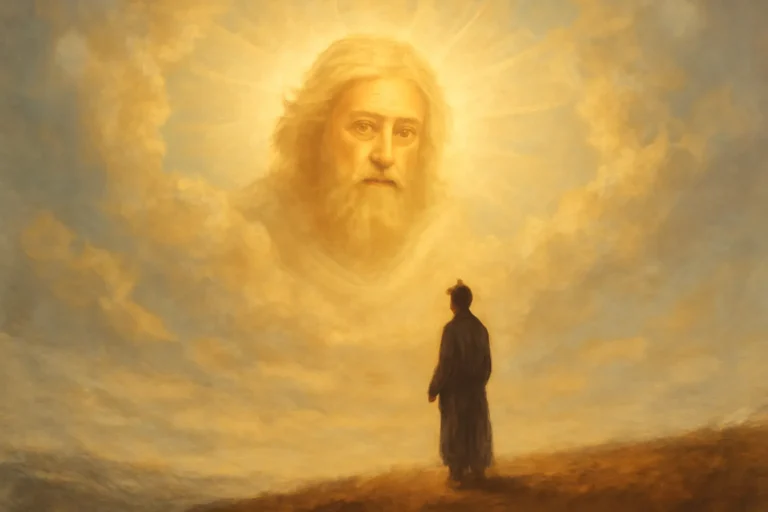
A Devotional Commentary on 1 Peter 2:9—Chosen, Royal, and Called to Praise
1 Peter 2:9 · King James Version
Quick Answer: This commentary on 1 Peter 2:9 explains that believers are God’s chosen people with a royal priesthood purpose: to live visibly so others see His praises. Your identity is not accidental or private only; it’s meant to be expressed “out of darkness into light,” shaping worship, character, and witness in everyday life.
1 Peter 2:9 (King James Version)
“But ye
are a chosen generation, a royal priesthood, an holy nation, a peculiar people; that ye should shew forth the praises of him who hath called you out of darkness into his marvellous light:”
Meaning of 1 Peter 2:9 in its early church setting
First Peter was written to Christians living in a world where faithfulness could bring social pressure, slander, and suffering. These believers were scattered across regions under Roman rule, forming communities that often felt like a minority within a pagan culture. In that context, Peter’s language of identity becomes pastoral and strengthening: he reminds them that their true “citizenship” comes from God, not from the surrounding society.
The letter addresses practical holiness—how to conduct oneself amid trials—because the gospel was not only a message to be believed but a life to be displayed. When Peter calls believers a “chosen generation,” a “royal priesthood,” and an “holy nation,” he is also countering the shame that oppressed minorities can experience. The church may have lacked political power, yet it carried spiritual authority.
Finally, Peter frames their calling around transformation: God has brought them out of darkness into His marvelous light. That language echoes the public nature of God’s saving work in Israel’s story and the expectation that God’s people would reflect His character. Thus, Peter’s statement functions as both comfort (God chose you) and mission (you should proclaim His praises through a holy, visible life).
Original-language nuance behind “royal priesthood” in 1 Peter 2:9
In the Greek of 1 Peter 2:9, the phrase translated “royal priesthood” carries a strong sense of status linked to service. The term for “priesthood” evokes not merely religious titles but access to God and representing God before others. The word for “royal” connects the church’s vocation with kingship—God’s reign—rather than with worldly authority.
Peter’s intent is not to suggest that Christians replace Christ’s unique priesthood, but to describe the community’s role: their lives belong to the King, and their worship and conduct function as a form of priestly witness. The language is corporate (“ye”): the community together embodies God’s holy purposes. Recognizing the nuance helps readers see that “priesthood” includes both devotion to God and a public, God-directed influence on the world—especially as believers endure hardship without surrendering their calling.
Chosen identity that steadies believers in “commentary on 1 peter 2 9” faith
Peter begins with identity language: “chosen generation.” This is both divine initiative and pastoral reassurance. The word “chosen” reminds suffering believers that their lives are not random or merely the result of circumstances. God has acted decisively, calling them into a new belonging.
A “generation” can refer to a particular group with shared life orientation. Peter’s point is that Christians form a people shaped by God’s purpose, not merely by geography or culture. In a hostile environment, identity becomes a survival tool. When society tells you you are insignificant, Scripture tells you you are claimed.
This identity also reframes holiness. Holiness is not a badge for the spiritually superior; it is the outflow of being set apart by the Holy One. Peter’s “chosen” language therefore guards against two extremes: thinking you are saved by your own performance, or thinking your faith has no practical consequences. God chooses so that your conduct matches your calling.
Finally, “chosen generation” prepares the reader for the following titles. Each description—royal priesthood, holy nation, peculiar people—has the same purpose: to establish who believers are before God, and then to explain how that identity should show up before others. In other words, doctrine is not only for the mind; it becomes a foundation for perseverance and witness.
Royal priesthood and the purpose of worship in the midst of trials
When Peter calls believers “a royal priesthood,” he merges kingship and worship. The church is not a powerless spectator in God’s story. God’s reign is present, and His people participate in it.
“Priesthood” indicates access and responsibility. In priestly service, God’s people are oriented toward Him, but they also mediate blessing—at minimum, by living in a way that makes God’s character visible. That is why Peter immediately links identity to proclamation: believers should “shew forth the praises” of God.
Royal status does not mean escaping difficulty. Early Christians experienced real vulnerability. Yet Peter insists that hardship does not cancel spiritual authority. In fact, faithful suffering can become part of the priestly witness—demonstrating that the gospel is true when it is costly.
Peter’s wording also challenges the church to treat worship as more than an event. If believers are priestly, then worship extends into obedience, reverence, and a life that honors God. Daily choices—how we respond to injustice, how we speak when pressured, how we remain holy—become “praise” offered to God.
Thus, “royal priesthood” is both comfort and command. It comforts believers that God has crowned them with purpose. It commands them to live as people whose allegiance is unmistakable.
God’s marvelous light: a holy nation meant to display praise
Peter’s sequence culminates in mission. He describes believers as “an holy nation” and “a peculiar people,” but the goal is specific: “that ye should shew forth the praises” of God.
A “holy nation” does not mean political separation for its own sake. It means a community that reflects God’s holiness. Holiness affects ethics and relationships—how Christians handle speech, money, sexuality, and integrity. A “peculiar people” indicates distinctiveness. The term can sound strange in modern ears, but the thrust is clear: God’s people are set apart for His purposes.
The center of that mission is transformation: God has called them “out of darkness into his marvellous light.” Darkness can represent ignorance, moral captivity, spiritual blindness, and hopelessness. Light represents truth, cleansing, and God’s presence. Peter is not merely describing inward emotion; he is describing salvation’s direction and outcome.
So when Peter says believers should show forth God’s praises, he points to visible worship. Praise is not only singing; it is a life that makes God’s character known. People should be able to see evidence of the “light” that has reached you.
That is especially powerful in contexts of suffering. When believers remain faithful—when they do not retaliate with cruelty, when they persevere with hope—they become living testimony that God’s light is real. The church’s distinctiveness, therefore, is not aesthetic; it is evangelistic in purpose.
Called to praise: how identity becomes evangelistic witness
Peter’s theology is intensely practical because his identity claims carry a “so that” purpose. The reason for being chosen, priestly, holy, and distinct is evangelistic: believers “shew forth” God’s praises.
“Shew forth” implies more than private belief. It indicates display—showing by conduct and confession. In daily life, Christians are called to make God’s goodness noticeable. That does not mean living to earn salvation; it means living because salvation has already been received.
There is also a relational dimension. Praise is directed “of him who hath called you.” Christianity is not self-generated morality; it is gratitude for God’s initiative. Remembering that you were “called” helps believers avoid pride. The spotlight always returns to God’s mercy.
Notice also that Peter does not focus first on achievements. He starts with who you are in God’s sight and how that identity should shape your behavior. That order guards the heart: it prevents moralism and fosters joyful obedience.
Finally, Peter’s wording helps readers in hardship. If God has already called you into marvelous light, then your present trials cannot define your ultimate story. They may test you, but they do not revoke your calling. In that sense, praising God in difficult seasons becomes an act of spiritual resistance.
Therefore, the “commentary on 1 peter 2 9” message is not simply about belonging. It is about bearing witness—through holiness, worship, and faithful perseverance.
How to Apply This Today: live as God’s called people
This passage invites you to translate identity into visible praise. First, start your week by reminding yourself of your calling. When you feel pressured to blend in, ask: “Am I living like someone called into light, or like someone trapped in darkness?”
Second, practice priestly devotion. Choose one concrete habit of worship—daily Scripture reading, prayer, gratitude, or confession—and treat it as alignment with God’s holiness, not as a task to complete. Over time, worship reshapes speech, attitudes, and priorities.
Third, display distinctiveness with gentleness. If your environment rewards compromise, decide in advance how you’ll respond. Let your honesty at work, your faithfulness in relationships, and your refusal to spread harmful words become “praises” in motion.
Fourth, when suffering comes, praise intentionally. Thank God for what He is doing in you, and seek opportunities to serve others rather than withdrawing. Your perseverance can be a form of witness that makes the “marvellous light” credible.
Finally, look for one person to bless. Praise God not only in words but in acts—encouraging someone, helping the vulnerable, or explaining hope with humility. Peter’s titles are meant to become mission.
Related Bible Passages
2 Corinthians:5:17
God’s new creation work helps explain Peter’s “out of darkness into light” transformation.
Ephesians:5:8
Paul likewise connects believers’ identity to living as light in contrast to former darkness.
Revelation:1:6
The theme of believers as a kingdom and priests supports Peter’s “royal priesthood” calling.
Frequently Asked Questions
What is the meaning of 1 Peter 2:9 for Christians today?
It means your faith is not only personal comfort but a divinely given identity with a visible purpose. God has chosen you, set you apart, and called you into light, so your life should reflect His holiness and praises in ways others can recognize.
How does “chosen generation” relate to suffering?
Peter frames identity before circumstances. Even when Christians face misunderstanding or hardship, God’s choice anchors them. Suffering becomes the arena where their priestly holiness and praise can shine rather than a reason to abandon hope.
What does “royal priesthood” mean in 1 Peter 2:9 explanation?
It describes believers as belonging to the King and serving in priestly ways—through worship, reverence, and a life that makes God’s character known. It is corporate and practical, expressed in holiness and witness, not only in formal rituals.
How can believers show forth God’s praises in daily life?
By living in a way that matches the light you’ve received: truthful speech, integrity under pressure, sacrificial service, and sincere worship. In hardship, praising God with perseverance also becomes a testimony that draws others toward the gospel.
A Short Prayer
Lord, thank You for calling me out of darkness into Your marvelous light. Make my identity rooted in Your choice, not in fear or approval. Teach me to worship You sincerely and to live as a holy, distinct witness among those around me. When trials press in, give me courage to praise You visibly. Let my life show forth Your praises, so others may see Your goodness and turn to You. Amen.
Key Takeaway: Because God has called you into marvelous light, your chosen and holy identity must be lived out as worship that visibly proclaims His praises.