Anger of the Gods: Origins, Myths, and Modern Interpretations of Divine Wrath
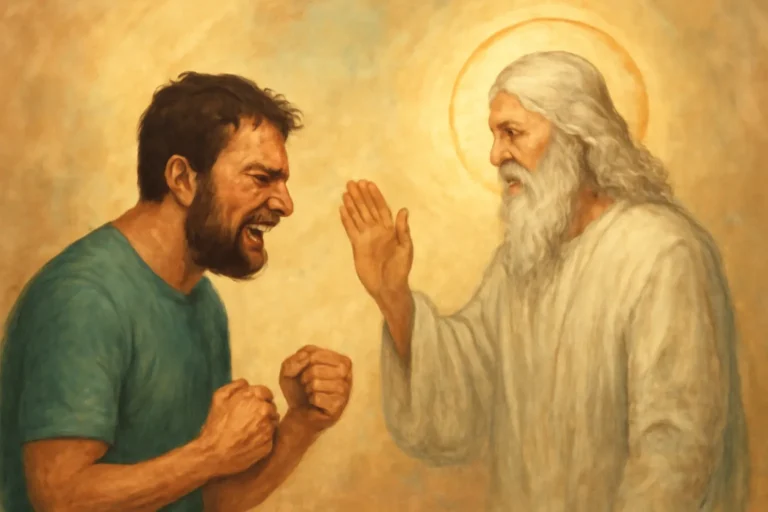
Across civilizations, the idea that divine anger can surge through the cosmos has shaped countless stories, rituals, and moral codes. The notion of an angry deity—or a pantheon prone to gusts of godly wrath—is not merely a literary device. It is a window into how early communities understood natural disasters, social order, and the fragility of human life. In this article, we explore the origins of celestial fury, the mythic narratives that personified that anger, and the modern interpretations that reframe wrath in theological, psychological, ecological, and cultural terms. We will use variations of the phrase anger of the gods to emphasize the breadth of the concept, from divine wrath to cosmic indignation, and examine how these ideas persist, adapt, and sometimes become instruments of social reflection.
The Origins of Divine Wrath: From Sky to Society
Why did ancient cultures attribute calamities to the anger of the gods? The answer lies in a convergence of observation, ritual, and social need. Several interlocking threads explain how divine anger emerged as a powerful explanatory framework:
Personification of natural forces: Storms, floods, droughts, and earthquakes were frightening and unpredictable. Granting motive to these forces—“the storm is angry”—made them intelligible and amenable to ritual management.
Social order and moral bookkeeping: When communities faced famine or disease, attributing it to displeased deities helped reinforce communal norms. The anger of the gods served as a cosmic sanction for taboos violated, loyalties betrayed, or rituals neglected.
Ritual economy: Sacrifices, offerings, and rites could be read as attempts to appease a furious divine entity. The language of wrath thus becomes a tool for mobilizing collective action and prioritizing redistribution of resources.
Coherence narrative: Explaining misfortune through a personal, intentional deity creates a coherent story in which humans can seek remedies—prayer, sacrifice, or reform—rather than succumbing to randomness.
Across regions, the vocabulary of celestial discipline—divine reprimand, celestial fury, or sacred indignation—reflects the same core impulse: to connect the unknown with a will that can be understood and engaged through ritual practice and ethical living.
Mythic Narratives: Tales of Divine Fury Across Cultures
Mythologies teem with episodes in which gods lash out, often after mortal hubris, disobedience, or cosmic misalignment. These mythic accounts encode cultural values and offer dramatized laboratories in which humans test boundaries and learn the consequences of overstepping them. Below are representative profiles from several traditions, illustrating how the wrath of the divine is framed and interpreted.
Mesopotamian Epics: Floods, Enlil’s Breath, and the Mïnd of Marduk
In the ancient Near East, the idea that divine anger could unleash upheaval on a grand scale is vividly attested in Mesopotamian literature. The message is clear: the gods maintain balance, and humanity can destabilize it. Core motifs include:
The flood narrative as a decision by the assembly of gods to purify the world, often linked to overpopulation or moral decay.
The role of Enlil (and later Marduk) in issuing or restraining wrath, depending on how humanity treats the divine order.
The Art of appeasement: rituals, offerings, and liturgies designed to avert catastrophe and win back divine favor.
These stories teach a moral geography: offenses against cosmic order provoke a response that can be as sweeping as a cataclysm, yet human craftsmen—priests, kings, and sages—can negotiate outcomes through rite and reform.
Greek and Roman Mythology: Zeus’s Thunderbolts and Human Pride
Among the classical civilizations of the Mediterranean, the anger of the gods is often personalized in the figure of Zeus or Jupiter and played out in epic conflicts and intimate family dramas. The mythic repertoire emphasizes:
Hubris and nemesis: Mortal pride invites divine correction. The ancients framed social transgressions, from impiety to cruelty, as gateways to divine retribution.
Weather as narrative instrument: Thunder and storms become physical manifestations of celestial wrath, signaling moral disapproval and catalyzing human testing of resolve and virtue.
Redemption through plights and trials: Even in anger, the gods intervene in ways that reveal deeper truths about justice, mercy, or fate.
Literary masterpieces—whether Homeric epics, tragedic plays, or later roman adaptations—use the wrathful gods as levers to explore human destiny, the limits of power, and the possibility of moral transformation.
Hindu and South Asian Perspectives: Dharma, Destruction, and Divine Fury
In the Indian subcontinent, the anger of the divine is often tethered to dharma (cosmic order) and the cyclical processes of creation, preservation, and dissolution. Notable strands include:
The fury of Indra and other deities who strike fear into the hearts of demons and mortals when ritual and virtue waver.
The destructive aspect of Shiva (often known as the Destroyer) whose divine wrath can both annihilate and renew, clearing space for renewed life and balance.
Mythic encounters where moral failure triggers a cosmic correction, illustrating how unruly forces are integrated into a larger spiritual economy that rewards fidelity, humility, and righteousness.
In these traditions, divine anger is not mere caprice; it is a mechanism for restoring harmony and teaching moral stakeholders how to align with the larger pattern of existence.
Norse and Germanic Traditions: Fate, Fury, and the Inevitable End
Norse mythologies frame divine wrath within a stoic, even fatalistic arc. The gods contend with threats not only from giants or rebellious thralls but from their own hubris and the inexorable progress of fate (wyrd). Key themes include:
Anger as verdict: The Aesir bring wrath against those who break oaths or harm the cosmic order, with consequences that ripple toward the cataclysmic Ragnarok.
Tempestuous interactions among gods and mortals that reveal the fragile boundaries between deity and human agency.
Prophetic warnings and premonitions that frame anger as a test of courage, honor, and communal loyalty.
In these tales, the divine wrath often mirrors a larger stage of existential risk, where communities are asked to keep faith, sacrifice, and solidarity in the face of looming destruction.
Other Traditions: Egypt, China, Mesoamerica, and Indigenous Voices
Other cultural reservoirs offer their own grammars of sacred anger. For example:
Sekhmet and other Egyptian gods appear as divine fury incarnate, sometimes recoded as protective or regenerative anger that helps restore order.
In Chinese religious thought, the heavenly mandate and celestial reactions to misrule create a nuanced picture of divine displeasure that legitimizes political renewal.
American and Mesoamerican mythologies often embed divine punishment within cycles of creation and destruction, where ritual acts reestablish cosmic balance.
Indigenous worldviews frequently embed anger within a relational cosmos, where deities, ancestors, and spirits react to human actions with a dynamic repertoire of warning and remedial acts.
Across these diverse cosmologies, the common thread is that anger of the gods is a storytelling instrument that encodes cultural norms, enlivens ritual life, and makes the invisible order legible to a community.
Anger as Social and Cosmic Justice
In many mythologies, the wrathful deities function as guardians of moral order. Their divine retribution often targets hubris, impiety, or violations that threaten communal welfare. This section unpacks how the rhetoric of divine anger operates as both a social discipline and a cosmic balancing mechanism.
Sanctioning norms: When the norms of a society are transgressed, the gods respond to reaffirm boundaries. The fear of such punishment can deter wrongdoing more effectively than mortal sanctions alone.
Just deserts: The theme that moral cause yields moral consequence—the wicked suffer, the virtuous endure, and the cosmos rights itself after disturbance.
Ritual remediation: Public ceremonies, sacrifices, and rites are not only pleas for mercy but also communal acts that restore order and collective memory.
Political theology: Rulers often cast themselves as stewards of divine favor, managing the appearance and fear of godly wrath to legitimize power and maintain social cohesion.
These patterns show how divine wrath is not simply a metaphysical phenomenon but a narrative tool for structuring society and guiding ethical behavior. The myths turn danger into a pedagogy, inviting communities to live in ways that harmonize with the larger order.
Modern Interpretations: From Theologies to Psychology and Ecology
As civilizations move into modernity, the language of anger of the gods expands beyond ritual and myth to engage philosophy, psychology, and environmental science. Contemporary thinkers reinterpret celestial wrath in several productive ways:
Theological reframing: Some theologians reinterpret divine anger as a metaphor for divine longing for justice, compassion, and relationship rather than a literal temper. In this view, the wrath is a narrative device that calls humans to accountability and moral reform.
Psychological projection: Psychologists note that human beings project their own fear, guilt, and aggression onto imaginary deities. The anger of the divine can function as a collective mirror reflecting collective anxieties.
Ethical critique: Critics argue that literalizing divine anger can justify violence or oppression. Modern ethics seeks to disentangle harmful practices from the benevolent aims of justice and mercy, recasting wrath as an allegory rather than a program for action.
Natural theology vs. natural history: The interpretation of disasters as divine punishment is increasingly weighed against scientific explanations of climate, geology, and ecology. The contemporary conversation often navigates between reverent awe and empirical explanation.
In literature and film, modern authors and filmmakers frequently repurpose the motif of divine wrath to interrogate human responsibility in the face of existential threats. The anger of the gods becomes a compelling metaphor for environmental crisis, political corruption, and ethical failure. This reframing invites audiences to examine how they respond to anger—whether as fear, resistance, reform, or resilience.
Religious Pluralism and Interfaith Dialogue
In an increasingly interconnected world, conversations about divine wrath take on pluralistic textures. Different traditions may share a concern with moral order while disagreeing about the source, scope, and remedies for holy anger. Some contemporary approaches include:
Interfaith readings that analyze how the wrathful deity archetype appears across faiths, and what common ethical aims emerge from those depictions.
Dialogue that distinguishes between anger as a dynamic within sacred narratives and the ethical imperative to address harm in the world today.
Emphasis on mercy, reconciliation, and restorative justice as essential counterbalances to the impulse toward punitive wrath.
These conversations acknowledge that the anger of the gods can catalyze moral reflection without prescribing harm in the name of faith. They foreground responsibility, compassion, and stewardship as modern evolutions of ancient teachings about order and justice.
Anger in Popular Culture: Recasting Wrath for the Screen and Page
The motif of a divine wrath is a staple not only of ancient literature but also of contemporary storytelling. In novels, graphic novels, television, and cinema, the idea of celestial anger often serves as a dramatic engine that probes human courage, frailty, and resilience. Notable narrative tendencies include:
Retellings and reimaginings: Classic myths get modern rewrites that relocate wrath in political or ecological crises, inviting audiences to rethink what divine anger means in a secular age.
Apocalyptic imaginaries: End-times scenarios frequently pivot on the idea that the cosmos is correcting human misrule, whether through cosmic signs, natural disaster, or prophetic warnings.
Character-centered ethics: Protagonists confront the consequences of anger—whether it is felt as guilt, fear, or moral resolve—and explore how communities can respond to odi fied wrath with courage, mercy, and justice.
Visual rhetoric: The language of celestial fury—lightning, storms, thunder, and eclipse—becomes a powerful visual shorthand for the moral tension between humans and the divine.
In this cultural ecosystem, the old stories about the wrathful gods do not fade; they mutate, serving as flexible metaphors for modern anxieties about power, accountability, and ecological responsibility.
Ethical and Philosophical Implications: What Anger of the Gods Teaches Today
Engaging with the angry deities across time raises enduring questions about how humans understand power, responsibility, and the possibility of reform. Several key implications emerge:
Accountability and reform: The mythic framing of divine anger underscores the idea that wrongdoing has consequences—even in a cosmos governed by merciful forces. This helps motivate ethical reform and social accountability.
Humility before mystery: Acknowledging that humans may not fully comprehend the divine order invites humility. The anger of the divine can be a reminder of limits in human judgment and the need for listening, ritual humility, and collective care.
Critical theology: In modern theology, the concept of anger is often decentered from punishment and retribution toward mercy, justice, and compassion. The emphasis shifts from fear of punishment to active pursuit of healing and reconciliation.
Environmental consciousness: The idea that the world responds to human actions—whether through weather, famine, or disease—persists in contemporary debates about climate crisis and stewardship. The metaphor of sacred anger can be repurposed to motivate responsible action without endorsing fatalism.
Philosophically, the enduring question is whether divine wrath is a relic of pre-scientific cosmologies or a living instrument for moral imagination. The most productive stance may be to view wrath as a narrative that helps humans confront the ethical weight of their choices, while acknowledging the complexity of natural and social causation in the modern world.
Scholars approach the theme of divine anger with a toolkit that respects both textual tradition and empirical insight. Key methodological ideas include:
Contextual exegesis: Interpreting myths within their historical, cultural, and political milieus to understand why wrath was necessary as a social instrument at a given time.
Comparative analysis: Cross-cultural comparisons illuminate universal patterns—how anger is used to teach, sanction, or sanctify—while highlighting local variations that reflect unique concerns.
Ritual studies: Examining ceremonies, sacrifices, and rites helps explain how communities negotiate with the divine and what social functions those practices served.
Critical ethics: Evaluating the moral implications of interpreting disasters as punishments invites careful scrutiny of how power, violence, and ideology intersect in religious narratives.
These approaches together allow readers to see that the anger of the gods is not a static canon but a living set of ideas that shifts with culture, science, and social priorities.
Conclusion: The Enduring Relevance of Divine Fury
The concept of anger of the gods has persisted because it speaks to fundamental human questions: Why do misfortunes happen? How should communities respond to transgression? What does it mean to live within a larger order that governs life and death? From ancient epic chants to modern novels and environmental discourse, the wrathful deities motif remains a versatile tool for exploring ethics, responsibility, and resilience. The myths show us that sacred anger can catalyze reform, not only punishment; it can motivate people to repair, to cooperate, and to imagine better ways of living in a world that is sometimes harsh and sometimes merciful.
By examining origins, awaiting the thunder with reverence, and applying the lessons of the past to present-day problems, we can approach the divine retribution motif with nuance. The question is not merely whether the gods are angry, but how humanity responds when it stands at the edge of that anger—whether through humility, solidarity, or renewed commitment to justice and stewardship. In this sense, the legacy of the angry gods remains a living conversation, a way to interrogate our own actions, to dream of a cosmos in which anger is redirected toward healing, restraint, and lasting peace.
In sum, the anger of the gods—in its many guises as divine wrath, cosmic fury, and sacred indignation—continues to illuminate how humans interpret misfortune, enforce social norms, and imagine the possibilities of a world grounded in order, mercy, and accountability. Even as modern science and ethics reshape our understanding of cause and consequence, the ancient language of celestial anger remains a powerful frame for contemplating human responsibility, our relationship to the mysterious, and the enduring hope that, through wisdom and action, we can soften the storms that threaten us all.